
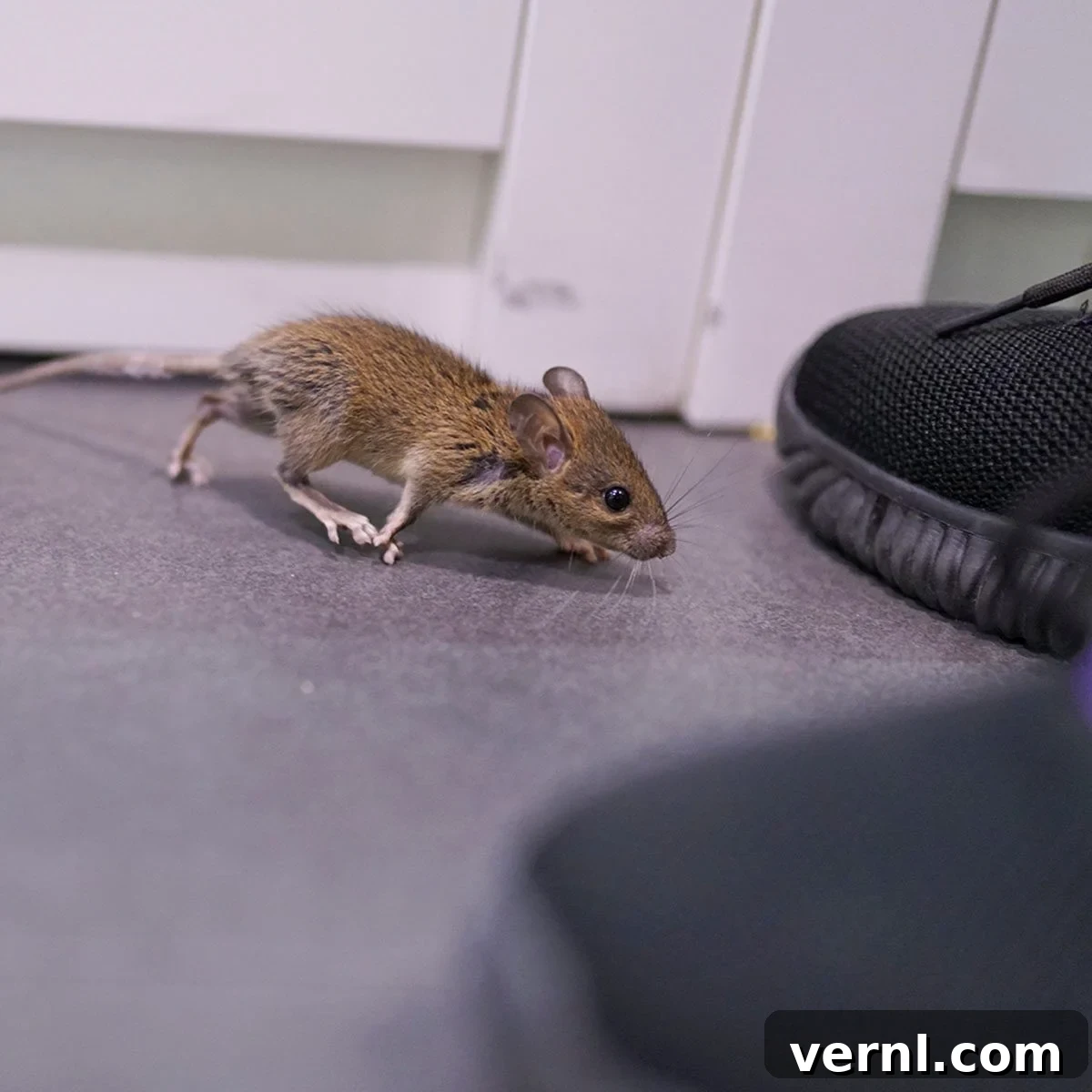
Peppermint Power: Your Natural Solution to Keeping Mice Away from Your Home
Discovering unwanted guests like mice in your home can be an unsettling and unpleasant experience. The sight of a tiny rodent scurrying across the floor or the tell-tale signs of droppings in your pantry often triggers an immediate urge to act. However, the true severity of a mouse problem extends far beyond mere annoyance. These seemingly innocent creatures are capable of inflicting significant damage to your property, posing serious health risks, and creating genuinely dangerous conditions within your living space.
Before you resort to traditional traps and chemical baits, consider a simpler, more natural, and highly effective alternative: peppermint. You don’t necessarily need harsh chemicals or the messy aftermath of traditional pest control methods to maintain a home free of mice (or even rats). Peppermint, with its invigorating scent, serves as a powerful and perfectly safe mouse deterrent. The secret lies in saturating the dark corners, hidden crevices, and nesting areas with the distinct aroma of peppermint. Yes, it’s true – the humble peppermint can be your best defense against these unwelcome invaders!
Understanding the Rodent Threat: Why Mice Are More Than Just a Nuisance
Many homeowners underestimate the true impact of a rodent infestation. While the immediate thought might be simply to get rid of them, it’s crucial to understand the comprehensive risks mice introduce into your environment. Rodents, particularly house mice, are not just a cosmetic problem; they are a health hazard, a structural threat, and a potential fire risk.
- Health Risks: Mice are notorious carriers of various diseases and pathogens, including Hantavirus, Salmonellosis, and Lymphocytic Choriomeningitis (LCMV). These can be transmitted directly through their droppings, urine, and saliva, or indirectly through contaminated food and surfaces. Their presence can also exacerbate allergies and asthma, especially in sensitive individuals and children.
- Property Damage: The constant need for gnawing means mice will chew through almost anything. This includes wooden structures, plastic pipes, insulation, drywall, and even electrical wires. Chewed wires pose a significant fire hazard, while damaged insulation can lead to higher energy bills and structural compromise. They also contaminate food storage areas and pantry items, making them unsafe for consumption.
- Rapid Reproduction: A small mouse problem can quickly escalate into a full-blown infestation. Mice reproduce at an astonishing rate, with a single female capable of producing 5-10 litters per year, each with 5-6 pups. This means that if you spot one mouse, there are very likely many more hidden from view.
- Psychological Impact: Beyond the tangible damage, living with rodents can cause significant stress, anxiety, and a feeling of unease in your own home.
Given these serious implications, finding an effective, safe, and sustainable method to deter mice is not just a convenience—it’s a necessity for maintaining a healthy and secure home environment.
The Power of Peppermint: How This Natural Repellent Works Against Mice
While many natural remedies for pest control often fall short (think cucumbers for cockroaches – a common myth that doesn’t actually kill cockroaches), peppermint stands out as a genuinely successful natural mouse deterrent. The effectiveness of peppermint against mice is rooted deeply in the unique physiological characteristics of these rodents, specifically their highly developed sense of smell.
Mice: Olfactory Masters, Visual Underachievers
Unlike humans who rely heavily on vision, mice navigate and interact with their environment primarily through their powerful sense of smell. They have incredibly weak eyesight, making their noses their most crucial sensory organ for finding food, identifying predators, locating mates, and establishing territories. This strong, keen sense of smell is precisely why mice are often drawn to potent scents like stinky cheese – not because they “love” cheese, but because its strong aroma makes it easy to detect.
Menthol: The Irritating Secret Weapon
Peppermint, particularly its essential oil, contains potent menthol compounds. Menthol is a powerful organic compound known for its strong, penetrating aroma and its ability to stimulate cold receptors. For humans, this often translates to a refreshing, cooling sensation. However, for mice, these high concentrations of menthol act as an extreme irritant to their sensitive nasal passages and respiratory systems. According to experts like Victor Pest, a whiff of concentrated peppermint is not just unpleasant; it’s overwhelming and highly irritating to their delicate olfactory system, making them want to flee the area immediately. The strong, pervasive scent essentially creates an uninhabitable environment for them, driving them away without causing them harm.
This irritation is not merely a nuisance for mice; it disrupts their ability to detect food sources, communicate with other mice, and navigate their familiar pathways, effectively disorienting them and making the treated area undesirable. This potent repellent quality makes peppermint a standout choice among top-rated mouse repellents.
Implementing Peppermint as a Mouse Deterrent: Two Key Methods
Incorporating the potent scent of peppermint into your home can be achieved through two primary and equally effective methods: cultivating peppermint plants or utilizing concentrated peppermint essential oil. Both approaches leverage the natural repelling power of peppermint to create an an environment hostile to mice.
Method 1: Grow Peppermint Plants for Natural Defense
One of the most aesthetically pleasing and sustainable ways to deter mice is by growing peppermint plants directly in or around your home. The continuous release of natural peppermint scent from the living plant acts as a constant deterrent, discouraging mice from entering or exploring areas where the plants are present. Place potted peppermint plants in strategic locations where mice are known to enter or frequent, such as near doorways, windows, garage entrances, or even inside pantries and basements.
For outdoor use, consider planting peppermint around the foundation of your home. Peppermint is a vigorous grower and can spread rapidly, so planting it in pots or raised beds is often recommended to prevent it from becoming invasive in your garden. Regular watering and exposure to sunlight will help maintain the plant’s health and ensure a continuous emission of its powerful aroma. As an added benefit, growing your own peppermint provides you with a fresh, organic source for culinary use, allowing you to harvest the leaves to season your favorite dishes or brew refreshing teas.
Method 2: Spray Peppermint Essential Oil for Targeted Repellency
If gardening isn’t your preference, or you need a more targeted and potent application, using peppermint essential oil is an excellent alternative. Peppermint essential oil is a highly concentrated form of the plant’s natural oils, making its scent even more powerful and therefore more effective as a deterrent. This method allows for precise application in difficult-to-reach areas and provides a quick burst of scent.
Application Techniques:
- Cotton Balls: Soak cotton balls generously with undiluted peppermint essential oil. Place these saturated cotton balls in areas where you suspect mouse activity or potential entry points. This includes under sinks, inside cabinets, behind appliances (refrigerator, stove), in attics, basements, wall voids (if accessible), and near small cracks or holes in walls. Refresh these cotton balls every 5-7 days, or more frequently if the scent fades quickly, to maintain potency.
- Spray Solution: For broader application, you can create a peppermint spray. Mix 10-15 drops of pure peppermint essential oil with about 1 cup of water in a spray bottle. Shake well before each use. Spray this solution directly onto baseboards, around trash cans, into dark corners, along suspected mouse pathways, and around door and window frames. This is particularly useful for covering larger surface areas.
- Strategic Placement with Traps: If your goal is to trap mice, you can strategically use peppermint oil to guide them. Spray the peppermint oil in areas away from where you have placed your traps. The repulsive scent will encourage mice to move away from the treated areas and theoretically toward the untreated zones where your traps are waiting.
Important Safety Precautions:
While peppermint essential oil is natural, it is highly concentrated and can be toxic in high doses, especially if ingested. If you have pets or small children in your home, it is crucial to use peppermint oil with extreme caution. Keep the essential oil bottle securely out of their reach at all times. When applying, ensure the oil is placed in areas inaccessible to pets and children. Avoid spraying directly onto surfaces they might lick or touch frequently. Monitor your pets for any adverse reactions, such as skin irritation or digestive upset. If you are concerned, consult with a veterinarian or pediatrician before widespread use, or opt for alternative deterrents.
Comprehensive FAQ: Your Questions About Mouse Deterrence Answered
What other odors or natural remedies can help keep mice away?
While peppermint is highly effective, several other natural scents and household items are known to deter mice due to their strong aromas or irritating properties. Incorporating a variety of these can create a multi-layered defense system:
- Mothballs: Contains naphthalene, a chemical with a strong odor that repels not only moths but also mice and other rodents. Place them in areas where mice might hide, but be aware of the strong smell and potential toxicity to pets and children.
- Dryer Sheets: The strong, artificial fragrance of dryer sheets is often unpleasant to mice. Tuck fresh dryer sheets into drawers, cabinets, and other small spaces.
- Vinegar: White vinegar has a pungent acidic smell that mice dislike. Soak cotton balls in vinegar and place them in problem areas, or use a spray solution like you would with peppermint oil.
- Garlic: The strong, sulfurous compounds in garlic are repulsive to rodents. Place crushed garlic cloves or garlic powder in sachets near entry points.
- Cinnamon: The spicy, aromatic scent of cinnamon is another deterrent. Use cinnamon sticks, powdered cinnamon, or cinnamon essential oil in similar ways to peppermint.
- Eucalyptus: Like peppermint, eucalyptus contains menthol-like compounds that irritate the nasal passages of mice. Eucalyptus essential oil can be used on cotton balls or in a spray.
- Cloves: The intense, sweet-spicy aroma of cloves also acts as a natural deterrent. Whole cloves can be placed in sachets or cotton balls soaked in clove essential oil.
- Ammonia: The strong, acrid smell of ammonia mimics the scent of predator urine, making mice wary. Use ammonia-soaked cotton balls sparingly in very contained areas, as the fumes can be unpleasant and harmful to humans and pets if not properly ventilated.
- Cat Litter: The scent of used cat litter, particularly if it contains traces of ammonia from cat urine, can signal the presence of a predator to mice. Place small amounts of lightly used cat litter in a shallow pan near entry points, ensuring it’s out of reach of children and other pets, and handled with gloves.
Are there certain items that attract mice that I should keep out of my home or secure properly?
Absolutely. Mice are constantly searching for food, water, and shelter. Eliminating or securing attractants is a cornerstone of effective mouse prevention:
- Food Items: Mice are not picky eaters. They are attracted to a wide range of human foods, including cereals, grains (especially oats, rice, and wheat), bread, pastries, crackers, dried fruits, nuts, nut butters, and, yes, cheese. Beyond the obvious, pet food (dry kibble), birdseed, and grass seeds are also major attractants. Always store all food items in airtight containers made of thick plastic, glass, or metal. Never leave food out on counters, and promptly clean up crumbs and spills.
- Water Sources: Just like any living creature, mice need water. Fix leaky faucets, pipes, and drains. Ensure pet water bowls are not left out overnight if possible, and dry up any standing water in sinks or bathtubs.
- Trash: Open trash cans, especially those containing food scraps, are an open invitation. Use bins with tight-fitting lids, and take out the trash frequently.
- Nesting Materials: Mice seek out soft materials for building nests. This can include shredded paper, fabric scraps, cotton, insulation, and even dryer lint. Keep these materials organized and stored away, or dispose of them properly. Old newspapers and cardboard boxes in storage can also become prime nesting sites.
- Clutter: Piles of boxes, old furniture, or general clutter provide mice with hiding spots and pathways to move undetected. Keep storage areas tidy and organized.
How can I identify a mouse problem beyond just seeing droppings?
Beyond the obvious droppings, several signs indicate mouse activity:
- Gnaw Marks: Look for small chew marks on food packaging, wooden furniture, baseboards, electrical wires, or pipes. These marks are typically small and irregular.
- Rub Marks (Grease Smudges): Mice use the same pathways repeatedly. Over time, the oils and dirt from their fur leave dark, greasy smudges along walls, baseboards, and entry points.
- Scratching or Squeaking Noises: You might hear scratching, scurrying, or light squeaking sounds, especially at night when mice are most active, coming from walls, ceilings, or attics.
- Nests: Discovering small nests made of shredded paper, fabric, or other soft materials in secluded areas (e.g., inside drawers, behind appliances, in attics or basements).
- Urine Pillars: In heavy infestations, a combination of mouse urine, grease, and dirt can build up to form small mounds, especially in corners.
How often should I reapply peppermint oil or refresh plants for optimal deterrence?
For peppermint essential oil used on cotton balls, reapplication is generally recommended every 5-7 days, or more frequently if you notice the scent fading or renewed mouse activity. The volatile compounds in the oil can evaporate over time. For spray solutions, you might need to reapply every 2-3 days, especially in high-traffic or well-ventilated areas. If growing peppermint plants, ensure they are healthy and vibrant; a strong plant will naturally emit a more potent scent. Consider lightly bruising the leaves periodically to release more aroma.
When should I consider calling a professional pest control service?
While natural remedies like peppermint are excellent for prevention and managing minor issues, there are times when professional intervention becomes necessary:
- Persistent Infestation: If, despite consistent application of deterrents and diligent sanitation, you continue to see signs of mice, the infestation might be too large or established for DIY methods.
- Severe Damage: If you suspect significant structural damage or compromised electrical wiring due to rodent activity, a professional can assess the situation and recommend repairs.
- Health Concerns: If anyone in your household is experiencing unexplained illnesses, especially those linked to rodent-borne diseases, contact a professional immediately to eliminate the source.
- Difficulty Locating Entry Points: Professionals have the expertise and tools to identify and seal all potential entry points, which can be numerous and hard to find.
Source
- Victor Pest: Does Peppermint Oil Repel Mice?; (2024)