For some, the rhythmic hum of a vacuum cleaner is a comforting sound, a signal of a fresh, clean home. For others, it’s a dreaded chore. Regardless of which camp you fall into, understanding the critical role regular vacuuming plays in maintaining your home’s cleanliness, the longevity of your flooring, and even your family’s health is paramount. This comprehensive guide will navigate the nuances of proper vacuuming, offering insights into when, how, and how often you should wield this essential cleaning tool to achieve a healthier, more beautiful living space. From tackling stubborn pet hair to preserving delicate hardwood, we’ll cover everything you need to know to make your vacuuming routine as effective and efficient as possible.
Why Regular Vacuuming is Essential for Your Home and Health
Vacuuming is far more than just tidying up surface dirt. It’s a proactive measure against a host of indoor pollutants and an investment in your home’s infrastructure. Daily life brings in dust, pollen, pet dander, dirt, food crumbs, and countless microscopic particles that settle into carpets and on hard surfaces. Without regular removal, these contaminants accumulate, posing potential health risks and causing premature wear and tear on your floors.
- Health Benefits: A significant portion of indoor air pollution originates from settled dust and allergens. Regular vacuuming, especially with a machine equipped with a HEPA filter, captures these particles, reducing the presence of dust mites, pet dander, pollen, and other irritants that can trigger allergies, asthma, and respiratory issues. A cleaner home environment directly contributes to improved indoor air quality and overall well-being for every member of your household.
- Extends Flooring Lifespan: Dirt and grit act like sandpaper on your floors. On carpets, these abrasive particles cut and fray fibers, leading to matting, discoloration, and accelerated wear. For hard floors, they can cause micro-scratches and dull the finish over time, diminishing their natural luster. Consistent vacuuming removes these culprits before they can inflict lasting damage, preserving the appearance and structural integrity of your flooring, whether it’s plush carpet, gleaming hardwood, or durable tile.
- Maintains Aesthetic Appeal: Beyond the functional benefits, vacuuming keeps your home looking its best. It lifts carpet pile, restoring its texture and preventing the “well-trodden” look in high-traffic areas. For hard floors, it maintains their shine and prevents a dull, dusty appearance that can make an otherwise clean room feel neglected. A clean floor contributes significantly to the overall freshness, brightness, and inviting appeal of your entire home.
- Controls Pests: Regular vacuuming can help control common household pests like fleas and dust mites by removing their food sources and eggs. This is particularly important for pet owners, as it adds an extra layer of defense against infestations.
Optimizing Your Vacuuming Frequency: A Floor-by-Floor Guide
The ideal vacuuming schedule isn’t one-size-fits-all; it depends heavily on your lifestyle, the type of flooring you have, and the level of activity in each area of your home. Understanding these variables will help you tailor an effective cleaning routine that maximizes cleanliness and extends the life of your floors.
Vacuum Carpet Frequently for Longevity and Freshness
Carpets are excellent at trapping dirt and allergens, but this also means they require more frequent attention to prevent deep-seated grime and premature wear. The specific frequency hinges on the carpet type and the amount of foot traffic it endures, as well as the presence of pets or allergy sufferers. According to leading flooring manufacturers, a structured approach is best.
- High-Traffic Zones (Entryways, Hallways, Living Rooms): These areas, which see daily activity from family members and visitors, accumulate dirt and debris rapidly. Their main traffic lanes should be vacuumed daily, while the entire area should receive a thorough vacuuming at least twice a week. This proactive approach prevents dirt from being ground deep into the fibers, where it becomes much harder to remove and can cause permanent damage.
- Moderate-Traffic Rooms (Dining Rooms, Bedrooms): For areas with lighter, but still regular, usage, focus on vacuuming traffic lanes twice a week and the entire room once a week. This schedule effectively manages dust and debris without being overly demanding, maintaining a clean look and feel.
- Low-Traffic or Seldom-Used Rooms (Guest Bedrooms, Formal Living Areas): These spaces can typically suffice with a bi-weekly vacuuming session. However, it’s still important to address them regularly to prevent dust and potential allergens from accumulating, especially before guests arrive.
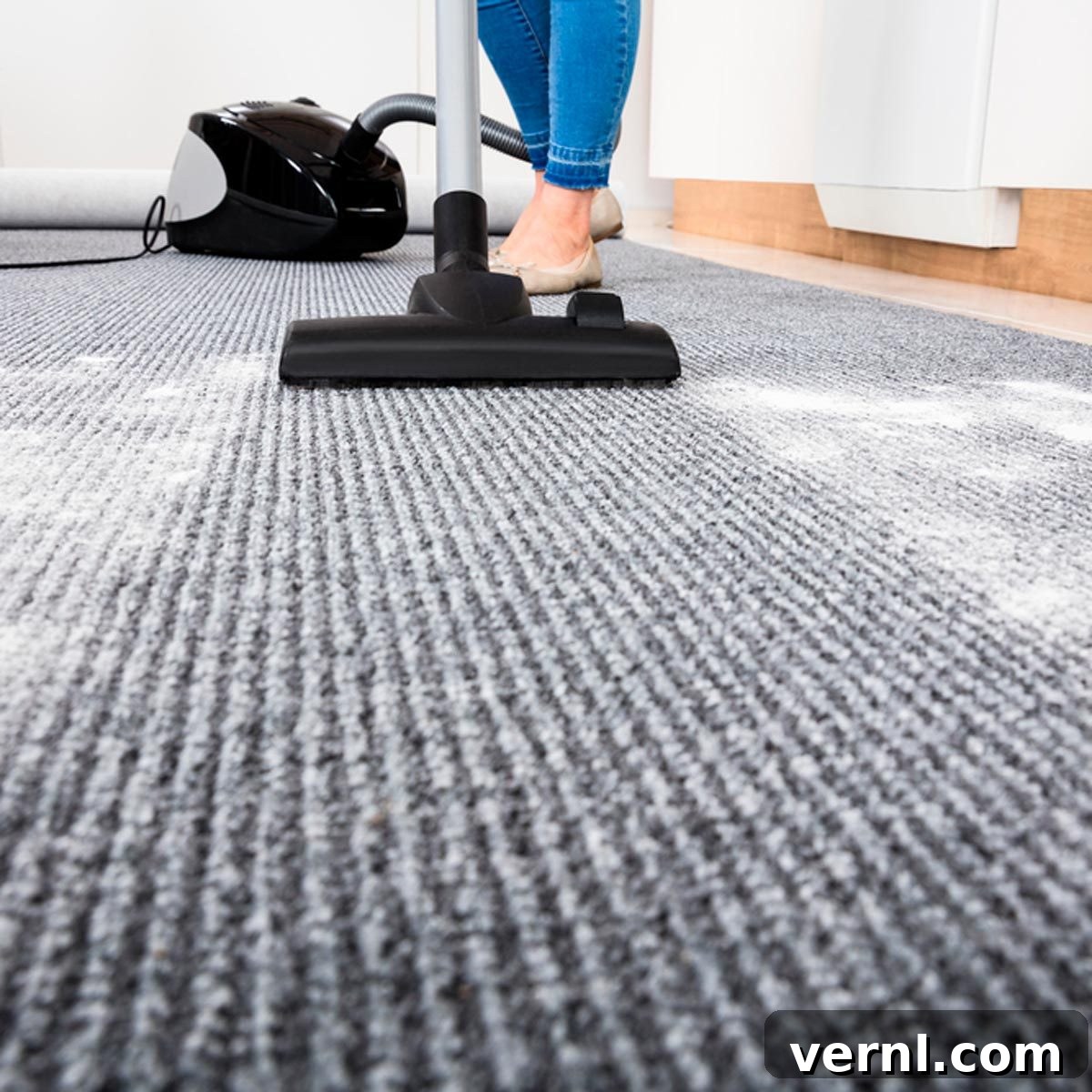
When vacuuming carpets, don’t rush the process. Make multiple, slow passes over the same area, moving in different directions (e.g., horizontally and then vertically). This technique effectively dislodges dirt from various angles, lifts the carpet pile, and prevents matting, ensuring a truly deep clean. For best results, consider using a vacuum with a rotating brush or beater bar, which agitates the carpet fibers to release embedded dirt more effectively. Understanding your vacuum’s features can significantly enhance your carpet care.
Vacuum Hard Floors Weekly for Dust Control and Shine
Hard surface floors, including hardwood, laminate, tile, and vinyl, may not show dirt as readily as carpets, but they still accumulate dust, pet dander, and microscopic debris that can dull their finish and seep into crevices. A weekly vacuuming routine is generally sufficient, but certain conditions may necessitate more frequent attention.
- Standard Maintenance: Aim to vacuum your hard floors at least once a week. This schedule effectively removes surface dust, crumbs, and light debris, preventing buildup and maintaining a consistent clean appearance. Unlike sweeping, which can often just push dust around or launch it into the air, vacuuming with the appropriate hard floor attachment effectively captures these particles.
- Increased Frequency Factors:
- High Foot Traffic: If your home sees a lot of activity, especially with outdoor shoes, you might consider vacuuming more often, perhaps two to three times a week, particularly in entryways and main corridors.
- Dusty Environments: Homes in naturally dusty areas, near construction sites, or those undergoing renovation may require daily vacuuming to combat rapid dust accumulation.
- Pets: As discussed in detail below, the presence of pets significantly increases the need for frequent hard floor vacuuming to manage shedding and dander.
- Sand and Grit: If you live near a beach, a construction site, or have outdoor areas that track in sand or fine grit, daily vacuuming of entry points is advisable to prevent abrasive particles from scratching delicate hard surfaces.
When cleaning hard floors, use a vacuum with a dedicated hard floor setting or attachment that uses soft bristles or suction-only mode to prevent scratching. Pay close attention to the cracks between floorboards, tile grout lines, and around baseboards, as dust, dander, and allergens can easily settle and accumulate in these hidden areas. While harsh chemicals aren’t necessary for routine hard floor cleaning, a good vacuum can prepare your floors for natural cleaning methods that protect their finish and leave them sparkling.
The Pet Factor: Daily Defense Against Dander and Dirt
If your home is blessed with the companionship of furry friends, then your vacuum cleaner truly becomes your best ally. Pets are notorious for shedding hair, carrying in dirt, tracking mud, and introducing dander and potential allergens into your living space. For pet owners, daily vacuuming is not just recommended; it’s often essential to maintain a healthy, hygienic, and odor-free home environment.
- Combatting Pet Hair and Dander: Dogs, cats, and other furry animals constantly shed hair and dander (tiny flakes of skin). These airborne particles are significant triggers for allergies and asthma, often lingering in the air and settling on all surfaces. Daily vacuuming dramatically reduces the allergen load in your home, improving air quality for both humans and pets.
- Managing Outdoor Debris: Pets frequently bring in outdoor elements like dirt, dust, pollen, leaves, and even pests on their paws and fur. Consistent vacuuming prevents these foreign substances from spreading throughout your home and settling into your flooring, furniture, and carpets.
- Preventing Odors: Pet hair and dander, when allowed to accumulate, can contribute to stale “pet odors” in your home. Regular vacuuming helps to mitigate these smells by diligently removing their source, contributing to a fresher home environment.
If daily full-house vacuuming feels overwhelming, prioritize the areas where your pets spend the most time. This includes their favorite sleeping spots, common lounging areas like sofas, and frequently used pathways. Don’t forget to vacuum furniture, pet beds, and even curtains where pet hair can cling. For those with demanding schedules, investing in a robotic vacuum cleaner can be a game-changer. These intelligent devices can be programmed to run daily, offering continuous maintenance and significantly reducing the build-up of pet hair and dander without requiring constant manual effort.
Beyond routine cleaning, prompt action for pet accidents is crucial. Spills and “accidents” should be cleaned immediately to prevent deep-set stains and lingering odors. For carpets, specific enzymatic cleaners are often recommended to break down organic matter and eliminate odors at their source. For more comprehensive advice, explore carpet cleaning tips specifically for pet owners.
Choosing the Right Vacuum Cleaner: An Investment in Your Home’s Cleanliness
The effectiveness of your vacuuming routine is heavily dependent on the quality and suitability of your machine. An inexpensive, underpowered vacuum might only remove surface-level dirt, leaving embedded grime and allergens behind. Investing in a high-quality vacuum cleaner tailored to your specific needs is an investment in the longevity of your floors and the health of your home, ensuring a deeper, more efficient clean.
- Suction Power and Filtration: Look for a vacuum with strong, consistent suction to lift dirt effectively from both carpets and hard floors. A multi-stage filtration system, ideally with a HEPA filter, is crucial for trapping microscopic allergens (like pollen, dust mites, and pet dander) and preventing them from being recirculated into the air. This is especially important for households with allergy sufferers or pets.
- Adjustable Height and Brush Rolls: For homes with various carpet types, a vacuum with an adjustable height setting is vital. This allows you to optimize the brush roll’s contact with different pile heights, ensuring efficient cleaning without damaging the carpet fibers. For hard floors, ensure your vacuum has a setting or attachment that allows you to turn off the beater bar or uses soft bristles to avoid scratching delicate surfaces.
- Attachments and Versatility: A truly effective vacuum comes with a range of specialized attachments – crevice tools for tight spaces and corners, upholstery tools for furniture and stairs, and dusting brushes for delicate surfaces like blinds, shelves, and vents. The more versatile your vacuum, the more thoroughly you can clean your entire home, from floor to ceiling.
- Types of Vacuums:
- Upright Vacuums: Excellent for deep cleaning carpets, often equipped with powerful brush rolls. They can be heavier and less agile for tight spaces or stairs.
- Canister Vacuums: Highly versatile with powerful suction and a range of attachments, making them great for both carpets and hard floors, as well as stairs and above-floor cleaning.
- Stick Vacuums: Lightweight and often cordless, these options are popular for quick clean-ups and smaller homes, typically better suited for hard floors or low-pile carpets.
- Handheld Vacuums: Perfect for spot cleaning, car interiors, upholstery, and small, localized messes.
- Robotic Vacuums: Ideal for daily maintenance, especially for pet hair. They offer unparalleled convenience but may not provide the deep clean of a traditional vacuum for heavily soiled areas.
Regular maintenance of your vacuum cleaner is also crucial for its continued optimal performance. This includes emptying dustbins or replacing bags frequently, cleaning or replacing filters according to the manufacturer’s guidelines, and periodically checking for and clearing any clogs from the hose or brush roll. A well-maintained vacuum performs better, lasts longer, and provides a more effective clean. If you’re overwhelmed by the myriad choices available, resources like Family Handyman’s Buying Guide can provide valuable insights to help you find the best vacuum cleaner for your specific needs and budget.
Advanced Vacuuming Techniques for a Pristine Home
Beyond frequency and machine choice, adopting specific techniques can significantly enhance your vacuuming results, efficiency, and overall home cleanliness.
- Pre-Vacuuming Prep: Before you even switch on the vacuum, take a few minutes to clear the area. Pick up small objects, move lightweight furniture, and remove any obstacles. This prevents damage to your vacuum, protects your belongings, and allows for a more thorough, uninterrupted cleaning session.
- Strategic Vacuuming Patterns: For carpets, vacuum in overlapping rows, first moving in one direction, then perpendicular to it. This crisscross pattern ensures maximum dirt extraction and helps to lift the carpet pile evenly, leaving a uniform finish. For hard floors, follow the grain of the wood or the tile lines to capture dust effectively and prevent streaking.
- Edge Cleaning is Key: Dirt and dust often accumulate along baseboards, in tight corners, and beneath furniture where the main vacuum head can’t reach. Make sure to use your vacuum’s crevice tool or edge cleaning attachment to meticulously clean these often-overlooked areas.
- Don’t Forget Above-Floor Surfaces: Your vacuum isn’t just for floors. Utilize dusting brush attachments for ceiling fans, vents, blinds, lampshades, and furniture to capture settled dust before it has a chance to fall back down. Upholstery tools are invaluable for deep cleaning sofas, chairs, mattresses, and even car interiors.
- Seasonal Adjustments: During peak allergy seasons (spring and fall), consider increasing your vacuuming frequency, especially if you have pets or often open windows. This helps manage the influx of pollen and other outdoor allergens, contributing to a more comfortable indoor environment.
Conclusion: Embrace the Power of the Vacuum for a Healthier Home
Vacuuming might seem like a simple chore, but its impact on your home’s cleanliness, the longevity of your floors, and the health of its inhabitants is profound. By understanding the optimal frequency for different floor types, recognizing the unique challenges posed by pets, and investing in a quality machine, you can transform this routine task into a powerful tool for maintaining a pristine and healthy living environment. Embrace the vacuum, and enjoy the countless benefits of a consistently clean, fresh, and welcoming home.
Every product is independently selected by our editors. If you buy something through our links, we may earn an affiliate commission.