
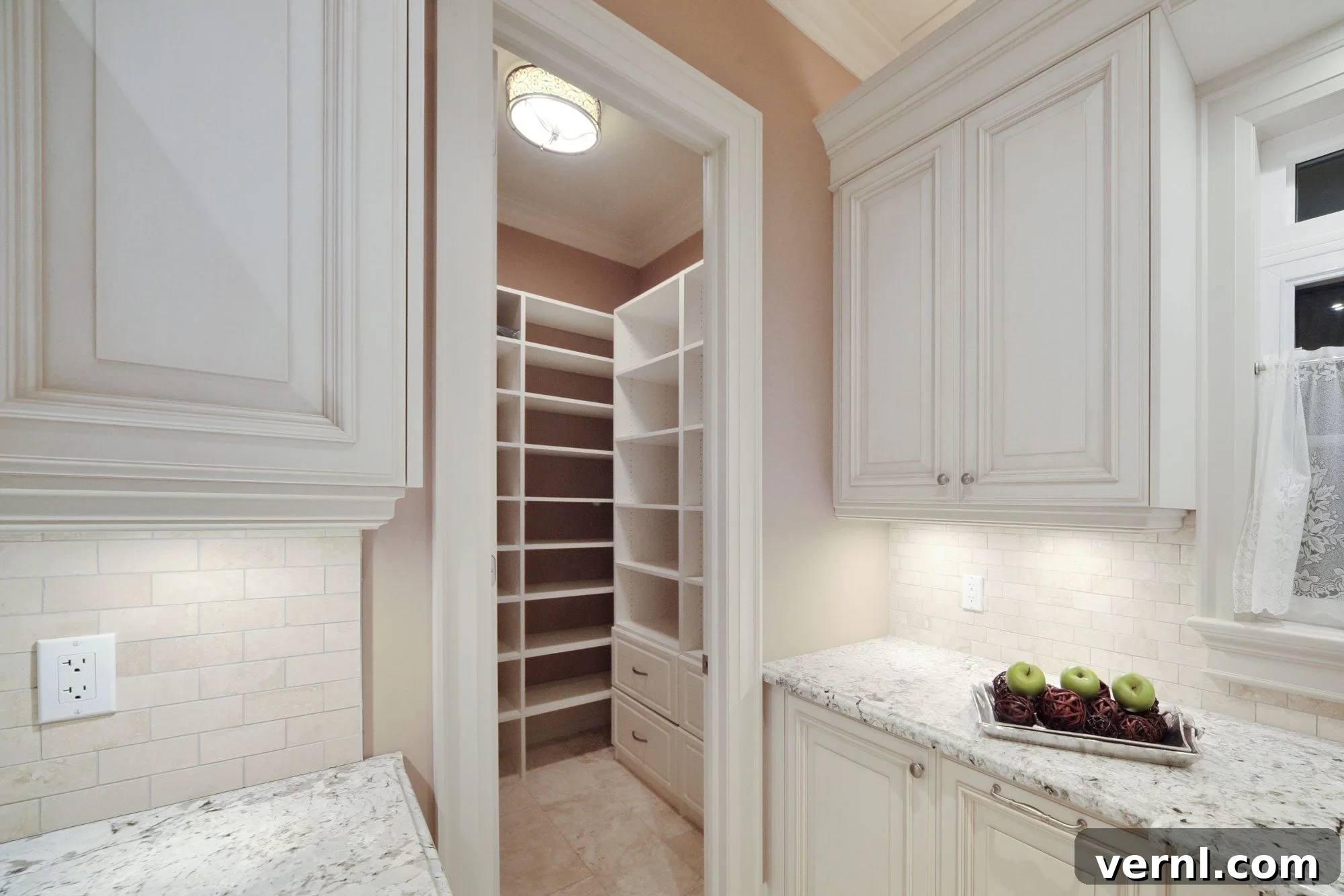
The Resurgence of the Pantry: Essential Storage for Modern Kitchens
In contemporary home design, functionality, organization, and aesthetic appeal are paramount. Among the many features gaining significant traction, the humble pantry has re-emerged as a star player in kitchen layouts. A recent American Institute of Architects (AIA) Home Trends survey highlighted this resurgence, revealing that pantries of all types are increasingly popular in both new construction and existing kitchen remodels. The survey emphatically stated that a dedicated pantry was the most sought-after kitchen feature, underscoring a broader shift towards more efficient and specialized home spaces.
The AIA survey further indicated that kitchens themselves are growing in size, not just to accommodate more expansive dining areas, but specifically to incorporate additional food storage and preparation zones. This includes the prominent rise of sophisticated options like butler’s pantries and dedicated food prep pantries. To delve deeper into this compelling trend, we consulted with leading experts in interior design and home organization, who shared invaluable insights into why these versatile storage solutions are experiencing such high demand.
What Defines a Modern Pantry?
For many, the word “pantry” evokes nostalgic images of their grandparents’ pantry – often a modest alcove or a simple closet situated off the kitchen, or sometimes even in the basement. These spaces were traditionally dedicated to storing canned goods, root vegetables, and other non-perishable staples. However, as refrigeration technology advanced, refrigerators grew larger and more efficient, and access to fresh produce and convenient takeout options expanded, the necessity for a large, dedicated pantry seemed to diminish. Consequently, many homes saw their pantries shrink or disappear entirely from kitchen designs for a period.
Today, the concept of a pantry has been thoroughly revitalized and redefined. Chris Alexakis, a distinguished interior designer and the founder of CabinetSelect, explains that a modern pantry is far more than just a closet. It typically features a thoughtful integration of cabinets, adjustable shelves, deep drawers, and various other organizational elements designed to maximize both space utilization and overall functionality. “To truly be considered a pantry in its modern iteration,” Alexakis asserts, “it must feature at least one door to provide a distinct, enclosed space. Ideally, it should also incorporate counter space for preparation, a sink for convenience, ample shelving and drawers for organized storage, and often, dedicated electrical outlets for small appliances.”
Alexakis emphasizes the critical importance of tailoring the pantry design to meet the client’s specific needs and lifestyle. “For instance,” he advises, “if your intention is to use the pantry not just for food storage but also for active food preparation, you would undoubtedly want to integrate additional appliances. This could include a secondary refrigerator for drinks or overflow groceries, a microwave for quick reheating, or even a coffee station or specialized baking zone.” A truly effective pantry is a bespoke solution, reflecting the unique culinary habits and organizational preferences of its users.
Types of Pantries: Beyond the Basics
While the concept of a “pantry” might seem singular, modern homes are embracing diverse forms to fit various kitchen sizes and needs:
- Walk-in Pantry: The most luxurious and spacious option, a walk-in pantry is essentially a small room. It offers extensive shelving, often counter space, and can even house small appliances. It provides ample space for bulk buying and comprehensive organization.
- Reach-in Pantry: Similar to a deep closet with shelves, a reach-in pantry is integrated directly into the kitchen wall. It’s ideal for smaller kitchens that can’t accommodate a walk-in but still require dedicated storage.
- Pull-out Pantry: These slim, vertical units slide out from between cabinets, revealing shelves often stocked with spices, oils, or canned goods. They are excellent for utilizing narrow, otherwise wasted spaces.
- Corner Pantry: Maximizing awkward corner spaces, these pantries often have a triangular or L-shaped footprint, providing surprisingly deep and accessible storage.
Each type offers distinct advantages, allowing homeowners to select the best fit for their spatial constraints and storage requirements, ensuring every item has its designated place.
Unveiling the Butler’s Pantry: A Hub of Sophistication and Service
Distinguished from a standard pantry, a butler’s pantry represents a higher echelon of kitchen functionality and design. Chris Alexakis clarifies its unique role: “A butler’s pantry is typically a separate, often more substantial room, strategically positioned as an intermediary space between the main dining room and the kitchen.” Its traditional purpose was to serve as a staging area for servants, where meals were plated, serving dishes were prepared, and fine china and silverware were stored safely.
Today, while the “butler” role has largely evolved, the functionality of this space remains highly relevant for modern homeowners. Typically larger than a simple food pantry, it boasts an array of features designed to facilitate entertaining and streamline kitchen operations. These often include generous counter space, a functional sink for quick clean-up or beverage preparation, and extensive cabinetry specifically designed for storing delicate dinnerware, serving platters, glassware, and less frequently used kitchen gadgets. “These pantries are almost always designed with families who frequently entertain in mind,” Alexakis explains. “The extra space serves as an invaluable staging area, allowing for efficient food preparation, plating, and beverage service, keeping the main kitchen pristine and clutter-free until everything is ready to be brought into the dining room.” This separation of prep from presentation is a key appeal, offering a touch of elegance and organization to any gathering.
The Evolution and Modern Utility of the Butler’s Pantry
Historically, the butler’s pantry was a hidden workhorse, a space where the less glamorous aspects of meal service took place, away from guests’ eyes. In contemporary homes, while it still performs this behind-the-scenes role, it has also become a desirable showcase, often designed with finishes that complement the main kitchen or dining area. Modern butler’s pantries frequently incorporate specialized features such as wine refrigerators, ice makers, coffee bars, and even dishwashers, turning them into self-sufficient hubs for entertaining. They provide an invaluable buffer, allowing the main kitchen to remain a showpiece, free from the chaos of last-minute plating or the clutter of dirty dishes during a dinner party. This blend of practicality and polished presentation is a significant factor in their renewed popularity.
Why Are Pantries Making a Resounding Comeback Now?
The renewed enthusiasm for pantries, particularly butler’s pantries, can be attributed to several converging lifestyle trends and practical needs that have become increasingly prominent in recent years.
Aaron Jerez, CEO and founder of Home Bar Select, points to a major societal shift: “With the rise of healthy eating trends and a greater emphasis on home cooking, pantries are increasingly popular because they provide the essential extra storage space needed for healthy dry goods such as whole grains, various legumes, nuts, seeds, and specialty flours.” People are stocking more diverse ingredients, often bought in bulk, which necessitates more organized and accessible storage than typical kitchen cabinets can offer.
Furthermore, the global pandemic, which began in 2020, significantly altered how people interact with their homes. With many homeowners spending substantially more time indoors, working remotely, and entertaining primarily within their personal spaces, the demand for optimized living areas surged. Butler’s pantries, in particular, gained traction as homeowners sought dedicated zones that could handle the increased volume of cooking and entertaining without disrupting the primary kitchen’s aesthetic. They excel at keeping main kitchen areas cleaner and demonstrably better organized, reducing countertop clutter and maintaining an inviting atmosphere. For those looking to maximize this benefit, following some simple steps for pantry organization can make a dramatic difference.
Beyond culinary and organizational benefits, many homeowners are seeking greater versatility from their spaces. This has led to a growing demand for multi-purpose pantries that can serve more than one function. These adaptable spaces might double as a compact home office nook, a dedicated area for crafting or painting, a quiet study zone for children, or even a hidden charging station for electronics. This flexibility adds immense value to a home, adapting to the evolving needs of its inhabitants.
Another compelling reason for the escalating popularity of pantries, as Jerez highlights, is their ability to elevate a home’s perceived value and aesthetic. “A well-designed pantry adds an undeniable element of luxury and sophistication to any home,” he notes. This is particularly true when pantries are customized to perfectly fit the home’s decor style, ranging from a minimalist, highly functional setup to a lavish, decadent display complete with elegant lighting and custom shelving.
Finally, for households with specific dietary restrictions, allergies, or complex meal preparation needs, a dedicated pantry offers invaluable space to keep foods meticulously separated. This becomes especially beneficial for large families, multi-generational households, or anyone managing celiac disease, nut allergies, or other specific dietary requirements, significantly reducing the risk of cross-contamination and promoting a safer, more organized kitchen environment.
The Economic and Lifestyle Advantages
Beyond trends, pantries offer tangible economic and lifestyle advantages. They enable bulk purchasing, reducing the frequency of grocery trips and often leading to savings on staple items. By providing a clear overview of ingredients, a well-organized pantry also helps minimize food waste, as items are less likely to be forgotten or expire. This not only saves money but also aligns with eco-conscious living. For busy individuals or families, a fully stocked and organized pantry simplifies meal planning and preparation, turning what can often be a chore into a more enjoyable and efficient process.
Creative Ways To Integrate a Pantry Into Your Kitchen Design
While the desire for a functional pantry is strong, the challenge often lies in finding the ideal location within an existing kitchen layout. Fortunately, numerous clever and adaptable solutions exist to incorporate this invaluable storage space. Aaron Jerez offers several innovative ideas for homeowners looking to add a pantry without undertaking a full-scale kitchen overhaul:
- Repurpose Garage Space: If your kitchen shares a wall with your garage, consider strategically carving out some space from the garage. This often underutilized area can be transformed into a generous walk-in pantry, providing ample square footage for bulk storage and larger appliances. Be sure to consider insulation and climate control for food safety.
- Convert an Outdated Built-in Desk Area: Many older kitchens feature built-in desk nooks that have become obsolete in the age of laptops and mobile devices. These built-in desk areas are prime candidates for conversion into efficient reach-in pantries, requiring minimal structural changes. Remove the desk, add shelves, and perhaps a door.
- Adapt Unused Kitchen Cabinets or Counter Space: Sometimes, a section of existing kitchen cabinets or a rarely used stretch of counter can be reimagined. Installing pull-out shelving, vertical dividers, or custom inserts can transform these areas into a dedicated, highly organized pantry zone, especially effective for spices, oils, or small appliance storage.
- Convert a Hallway Closet: A closet adjacent to the kitchen, such as a linen closet or a coat closet, can often be repurposed. By reinforcing shelves, optimizing the interior layout, and perhaps adding specialized pantry organizers, you can create a surprisingly spacious and accessible pantry.
Chris Alexakis provides additional ingenious suggestions, focusing on maximizing existing architectural features and clever design tactics:
- Open Up an Entryway and Add Shelves: If there’s an underutilized entryway or a shallow alcove near the kitchen, consider opening it up further and installing custom shelving from floor to ceiling. This creates a visually appealing and highly functional open pantry or a semi-enclosed solution with a stylish door.
- Mine Unused Spaces, Like Under the Stairs: The space beneath a staircase, often relegated to general storage, presents a unique opportunity for a custom-built pantry. While challenging due to its irregular shape, bespoke shelving and drawer systems can turn this awkward area into a surprisingly deep and effective storage solution.
- Add a Cabinet System to Create Efficient Storage in a Small Space: Even in compact kitchens, specialized pantry cabinet systems can make a significant difference. These often feature full-extension pull-out drawers, rotating shelves (lazy Susans), or door-mounted spice racks, maximizing every inch of vertical and horizontal space.
- Install a Sliding Barn Door on a Nook or Cranny to Create Pantry Space: For small recesses or existing closets, a sliding barn door is an excellent choice. It saves the valuable floor space that a traditional swinging door would require, while adding a touch of rustic charm or modern elegance, effectively creating a hidden pantry entrance.
Considerations for Your New Pantry
When planning to add a pantry, several practical considerations will ensure its long-term success:
- Lighting: Adequate lighting is crucial. For walk-in pantries, consider motion-sensor lights or task lighting on shelves. For reach-in or cabinet pantries, interior LED strips can illuminate contents effectively.
- Ventilation: Especially important for food storage, ensure proper airflow to prevent mustiness and extend the shelf life of produce. This can be achieved through small vents or strategic placement.
- Flooring: Choose durable, easy-to-clean flooring that can withstand spills and heavy foot traffic, such as tile, vinyl, or sealed concrete.
- Accessibility: Design the pantry so that frequently used items are at eye level and easily accessible. Consider universal design principles if mobility is a concern.
- Professional vs. DIY: While some smaller pantry projects can be DIY-friendly, custom walk-in pantries or structural modifications often benefit from professional design and installation to ensure optimal functionality and integration with your home’s aesthetics.
By thoughtfully integrating a pantry, homeowners can significantly enhance their kitchen’s efficiency, organization, and overall appeal, making it a truly central and enjoyable space in the home.