
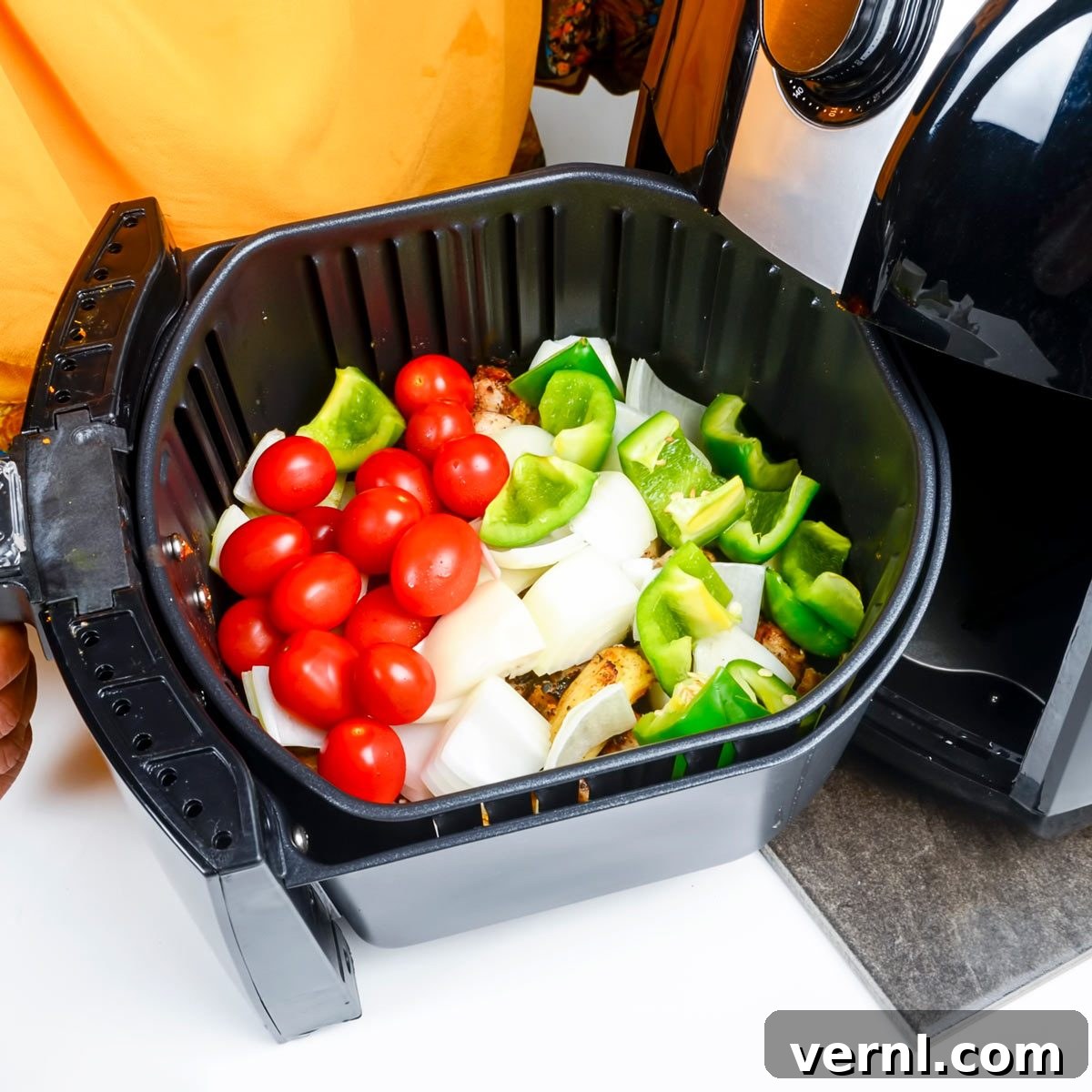
The Ultimate Guide to Air Fryers: Unlock Crispy, Healthier Meals at Home
The culinary world has seen its fair share of game-changing innovations, but few have captured the hearts (and stomachs) of home cooks quite like the air fryer. This versatile countertop appliance has soared in popularity, promising the irresistible crispiness of deep-fried foods with a fraction of the oil. If you’ve ever found yourself asking, “What exactly is an air fryer?” or “How can it transform my cooking?” you’ve come to the right place. Dive into this comprehensive guide to discover everything you need to know about air fryers, from their ingenious mechanism to the vast array of dishes you can create.
What Exactly Is an Air Fryer? Beyond Just a Fryer
At its core, an air fryer is a sophisticated, compact version of a convection oven. Unlike traditional ovens that cook food primarily through radiant heat, a convection oven, and by extension, an air fryer, utilizes a powerful fan to circulate extremely hot air rapidly around the food. This intense circulation is the secret sauce, creating a superheated environment that cooks food faster and more evenly than conventional methods, while also achieving that coveted crispy exterior that mimics traditional deep-frying.
Originally patented by Philips Electronics Company, the air fryer was designed with a simple yet ambitious goal: to replicate the delicious results of deep-frying using little to no added oil. The result is a kitchen gadget that has become a staple in modern homes; market research firm NPD Group reported that nearly 40 percent of U.S. households owned an air fryer as of July 2020, a testament to its widespread appeal. From crunchy frozen chicken wings and golden homemade french fries to perfectly roasted vegetables and even freshly baked cookies, the air fryer proves its worth across a diverse culinary spectrum.
The Science Behind the Crisp: Convection Technology
The magic of air frying lies in a scientific process known as the Maillard reaction. This chemical reaction occurs between amino acids and reducing sugars when food is heated, leading to the browning and development of complex flavors that we associate with roasting, searing, and, of course, frying. The air fryer’s powerful fan ensures that every surface of the food is consistently exposed to high heat, accelerating the Maillard reaction and quickly drawing moisture from the food’s surface, resulting in that delightful crispy texture.
This method not only delivers superior texture but also promotes healthier eating habits. By significantly reducing or eliminating the need for large quantities of cooking oil, air-fried dishes contain fewer calories and less unhealthy fats compared to their deep-fried counterparts. It’s a culinary win-win: all the flavor and crunch, with fewer guilt-inducing drawbacks.
How Air Fryers Work: A Step-by-Step Guide to Crispy Perfection
Understanding the internal mechanics of an air fryer demystifies its impressive performance. The appliance features a heating element, usually located in the top section, paired with a powerful fan. When you place food in the perforated basket and activate the fryer, this dynamic duo springs into action. The heating element quickly generates intense heat, and the fan then propels this hot air downwards and around the food at high speed. This rapid, turbulent circulation of superheated air ensures that heat penetrates every nook and cranny of your meal, cooking it thoroughly and uniformly, and most importantly, making it wonderfully crisp – much like deep-frying, but without the messy and calorie-laden oil bath.
Operating an air fryer is remarkably straightforward, making it an accessible tool for cooks of all skill levels. Here’s a simple breakdown of how to use this appliance to achieve the best results:
1. Prepare and Place Your Food in the Basket
- Preheat (Optional but Recommended): For best results, especially with items like frozen fries or anything you want extra crispy, preheat your air fryer for 3-5 minutes. This brings the cooking chamber to the desired temperature quickly.
- Lightly Oil (If Desired): While air fryers can cook without oil, a very light coating can significantly enhance crispiness and flavor, particularly for fresh foods. A teaspoon or two of oil, tossed evenly with your ingredients, is usually sufficient. Use a high smoke point oil like avocado, grapeseed, or canola oil.
- Load the Basket Appropriately: Depending on your air fryer’s capacity (which can range from two to ten quarts), place your food in the fryer-style basket. It’s crucial not to overcrowd the basket. Food needs space for the hot air to circulate effectively around each piece. Cooking in a single layer or small batches is key for even cooking and optimal crispiness.
2. Set the Time and Temperature
- Consult Recipes: Air fryer cooking times and temperatures are typically shorter and often slightly lower than conventional oven settings. Most recipes will range from five to 25 minutes at temperatures between 350 to 400 degrees Fahrenheit (175 to 200 degrees Celsius), depending on the specific food item.
- Use Presets: Many modern air fryers come with convenient preset functions for common foods like fries, chicken, or fish. These can be a great starting point for beginners.
3. Allow the Food to Cook and Monitor Progress
- Shake or Flip: To ensure even crisping and browning, especially with smaller items like fries or wings, it’s often necessary to shake the basket or flip the food halfway through the cooking cycle. This exposes all sides to the circulating hot air.
- Check for Doneness: Always verify that food, especially meats, is cooked to a safe internal temperature.
- Enjoy and Clean: Once your food reaches desired crispness and doneness, carefully remove it from the basket. Afterward, it’s essential to clean your air fryer promptly to maintain its efficiency and longevity.
Choosing the Best Air Fryer for Your Kitchen
With an explosion of models on the market, selecting the perfect air fryer can feel daunting. Our Test Kitchen has rigorously evaluated numerous options to identify top performers. Brands like the Philips Avance Turbo-Star Air Fryer have consistently impressed, known for their powerful performance and consistent results. Other highly-rated models include the Black + Decker Purify Air Fryer, appreciated for its reliability and value, and the PowerXL Vortex Air Fryer, recognized for its versatility and additional functions.
However, beyond brand names, several factors should guide your decision-making process:
- Capacity: Air fryers come in various sizes. A 2-quart model might suffice for a single person, while a family of four or more will likely need a 5-quart or larger appliance. Consider your average meal size and cooking habits.
- Type:
- Basket Air Fryers: The most common type, ideal for fries, nuggets, and smaller items. They are compact and often more affordable.
- Oven-Style Air Fryers: These resemble small toaster ovens and offer more features like rotisserie, dehydrating, and multiple racks, making them great for larger meals or diverse cooking.
- Paddle Air Fryers: Some models include an automatic stirring paddle, excellent for hands-free cooking of certain foods.
- Features: Look for digital controls for precise temperature and time settings, pre-programmed settings for convenience, and smart features like app connectivity for advanced users. Some even offer dehydrating, roasting, or baking functions.
- Wattage: Higher wattage typically means faster heating and more consistent cooking, but also higher energy consumption. Ensure your kitchen outlets can handle the wattage.
- Ease of Cleaning: Dishwasher-safe baskets and non-stick interiors make cleanup significantly easier.
- Budget: Prices vary widely based on size, brand, and features. You can find reliable models for under $100, while premium, larger, multi-function units can go for $200 or more.
Once you’ve chosen your appliance, consider enhancing your air frying experience with essential air fryer accessories like parchment liners, multi-layer racks, or silicone baking molds. And remember, a clean kitchen is a happy kitchen!
What Can You Cook in an Air Fryer? A World of Culinary Possibilities
The versatility of the air fryer is one of its most compelling attributes. While it truly shines with foods traditionally deep-fried, its capabilities extend far beyond that. Think of it as a super-efficient miniature oven capable of roasting, baking, and even reheating with remarkable precision.
1. Crispy Frozen Finger Foods
This is where the air fryer truly excels. It transforms notoriously soggy oven-baked frozen foods into perfectly crisp, delicious snacks that rival their deep-fried counterparts. French fries, mozzarella sticks, chicken nuggets, fish sticks, onion rings, and spring rolls are just a few examples that come out golden and crunchy, often in less time than a conventional oven and with no preheating required.
2. Delicious Homemade Finger Foods and Snacks
If you prefer to craft your snacks from scratch, the air fryer is an invaluable tool. Imagine making your own crispy potato wedges, sweet potato fries, or perfectly seasoned chicken tenders. It’s excellent for achieving that desired crunch with minimal effort and oil. However, it’s important to note some limitations: while frozen mozzarella sticks are a dream, fresh cheese, like homemade cheese curds, tends to melt into a gooey mess, so it’s best to avoid highly melty fresh cheeses in the basket.
3. Succulent Chicken, Fish, and Meat
Beyond “fried” foods, the air fryer is a fantastic appliance for cooking various proteins. It can produce incredibly juicy chicken breasts, crispy-skinned chicken thighs, perfectly cooked salmon fillets, and even tender pork chops. The rapid circulation of hot air helps to seal in juices while creating a delightful exterior crust. Just remember to avoid overcrowding to ensure even cooking.
4. Perfectly Roasted Vegetables
Since air fryers are essentially small convection ovens, they are superb for roasting vegetables. Broccoli, Brussels sprouts, asparagus, bell peppers, carrots, and potatoes all achieve a wonderful char and tenderness that’s hard to beat. This is especially convenient if you’re cooking for one or two people and don’t want to heat up a large oven. However, delicate leafy greens like spinach or kale are generally not suitable for air frying as they can dry out too quickly or fly around the basket.
5. Surprising Baked Goods and Desserts
While you won’t be baking a multi-layer cake, air fryers can be surprisingly effective for smaller baked goods and single-serving desserts. Think warm cookies, apple fritters, small muffins, or even individual brownies. The trick is to use appropriate heat-safe bakeware that fits in your basket. A key limitation is that anything requiring a liquid batter, such as pancakes or certain cakes, won’t work unless you first freeze the batter or use a very sturdy mold.
Essential Air Fryer Tips, Tricks, and Considerations
Is Air-Fried Food Healthy? A Closer Look
The primary health benefit of air frying stems from its reduced reliance on cooking oil compared to deep-frying. For instance, a serving of frozen french fries prepared in an air fryer might contain between four and six grams of fat, a stark contrast to the whopping 17 grams found in their deep-fried counterparts. This significant reduction in fat and calories makes air-fried options a healthier choice for those looking to enjoy “fried” foods without the associated guilt. However, it’s crucial to remember that “healthier” doesn’t necessarily mean “healthy.” Air-fried foods are still often processed or high in carbohydrates, so moderation and a balanced diet remain key.
Pros and Cons of Air Fryers: Weighing Your Options
Like any kitchen appliance, air fryers come with their own set of advantages and disadvantages:
Pros:
- Healthier Cooking: Uses significantly less oil, reducing fat and calories.
- Exceptional Crispy Texture: Delivers results far superior to traditional oven-frying, mimicking deep-fried crunch.
- Convenience and Speed: Cooks food faster than conventional ovens due to rapid heat circulation, often with little to no preheating time.
- Less Mess and Odor: Contains splatters and significantly reduces lingering fried food odors in your kitchen.
- Versatility: Capable of frying, roasting, grilling, and baking a wide array of foods.
- Kitchen Comfort: Keeps your kitchen cooler than a large oven, especially during warmer months.
Cons:
- Limited Capacity: Even the largest air fryers have a smaller cooking area compared to a full-sized oven, often necessitating cooking in batches, especially when preparing food for a crowd.
- Counter Space: Air fryers can be bulky, taking up valuable counter space in smaller kitchens.
- Noise: The powerful fan can be quite noisy during operation, though newer models are often quieter.
- Potential for Dryness: Without careful monitoring, some foods can dry out if overcooked, particularly lean meats.
- Cleaning: While generally easier than deep fryers, the nooks and crannies of some models can still be a challenge to clean thoroughly.
- Learning Curve: Adapting traditional recipes to air fryer cooking times and temperatures might require some experimentation.
Is It Worth Getting an Air Fryer? Making an Informed Decision
The air fryer market has matured significantly, leading to a wider range of models and more competitive pricing. Many reputable models now cost less than $200, with some reliable entry-level options under $100. Whether an air fryer is a worthwhile investment largely depends on your lifestyle and cooking habits.
If you frequently cook frozen “fried” foods, enjoy homemade crispy snacks, or are looking for a healthier alternative to deep-frying, an air fryer is undoubtedly a beneficial addition to your kitchen. It offers unparalleled convenience, speed, and delicious results for these types of dishes. However, if you rarely consume fried foods or have limited counter space, you might find a conventional oven or toaster oven sufficient for your needs. For many, the air fryer isn’t just a trend; it’s a permanent and indispensable part of their cooking routine.
Essential Air Fryer Maintenance and Cleaning
Proper cleaning is vital for the longevity and performance of your air fryer. After each use, allow the appliance to cool completely. The basket and inner pan are often dishwasher safe, or they can be easily hand-washed with warm, soapy water and a non-abrasive sponge. For stubborn residue, soak the components for a few minutes before scrubbing. The exterior and interior heating element area should be wiped down with a damp cloth. Never submerge the main unit in water. Regular cleaning prevents grease buildup and ensures efficient air circulation.
In conclusion, the air fryer is more than just a kitchen gadget; it’s a culinary tool that empowers you to prepare a diverse range of crispy, delicious, and often healthier meals with remarkable ease. By understanding its mechanics, exploring its capabilities, and following practical tips, you can unlock the full potential of this revolutionary appliance and elevate your home cooking experience.