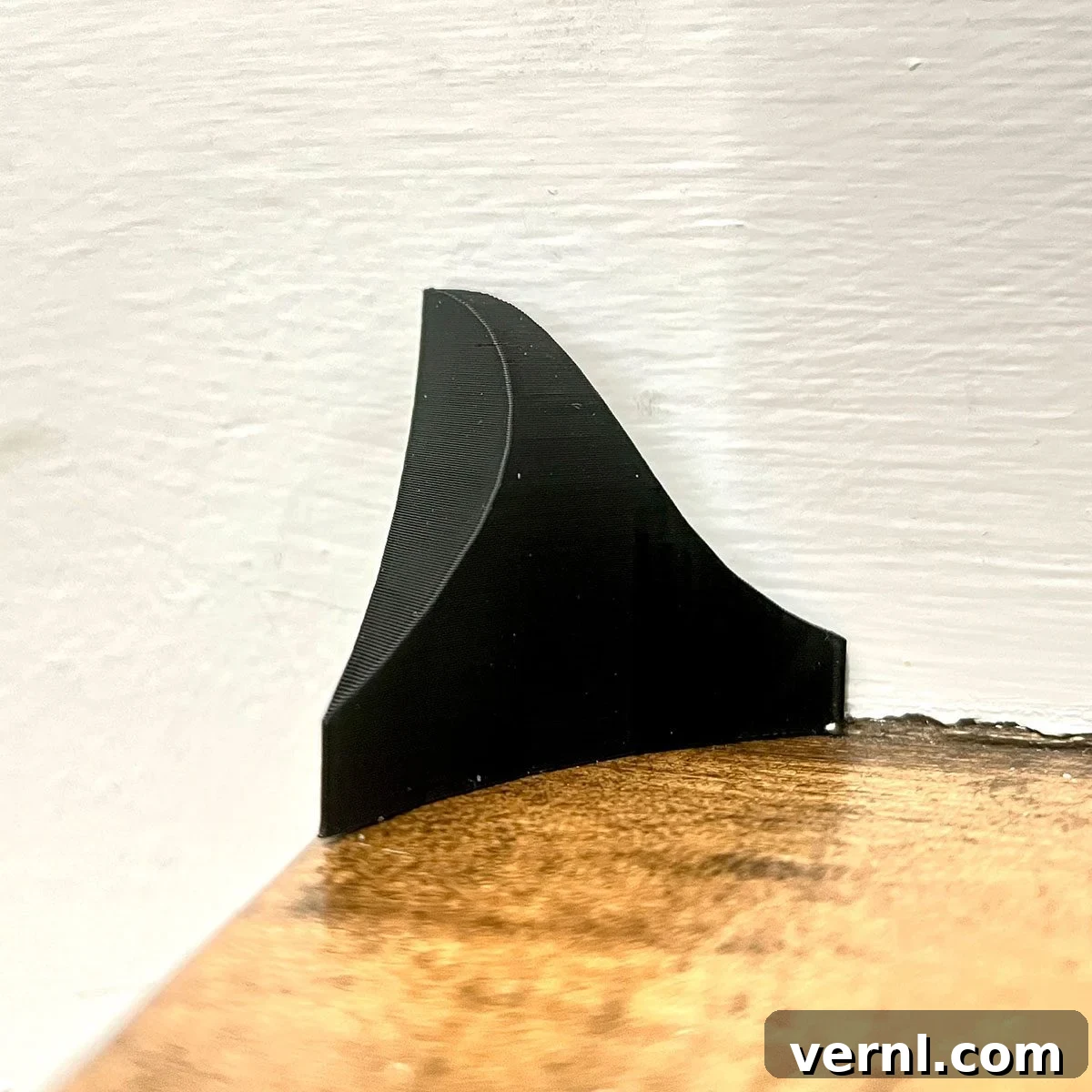
Stair Dust Corners: Uncovering the Hidden Utility of Historic Home Features
Stepping into an older home often feels like a journey through time, a unique opportunity to witness architectural styles and design philosophies that shaped living spaces of yesteryear. These venerable residences are brimming with character, from intricate moldings to unique staircase features that might initially appear purely decorative. Among these intriguing elements are the often-overlooked stair dust corners – those small, triangular pieces tucked neatly into the inside corners of stair treads. While many contemporary homeowners might dismiss them as quaint relics, these ingenious additions possess a surprising and enduring practical application that continues to resonate even today.
Initially, one might wonder about the true purpose behind these tiny triangles. Are they simply an aesthetic choice, a subtle embellishment to an already grand staircase? Or do they serve a more functional role, a silent testament to the ingenuity of past generations in solving everyday problems? This article delves deep into the world of stair dust corners, exploring their historical origins, profound utility, and their unexpected relevance in modern homes. Prepare to uncover the story behind these discreet yet remarkably effective features that make cleaning staircases a far less daunting task.
What Exactly Are Stair Dust Corners, and Why Were They Invented?
Among the myriad mysterious old home features that time has rendered obsolete, stair dust corners stand out as one of the few that have retained, and perhaps even regained, their original utility. These humble yet brilliant inventions, typically introduced in the late 19th century, are precisely what their name implies: small, triangle-shaped pieces, most commonly crafted from alloy metals like brass or nickel, designed to fit snugly into the often-neglected rear corners of stair treads where the riser meets the tread.
The genius of stair dust corners lies in their simple, yet profound, function. Anyone who has ever attempted to clean a staircase knows the frustration of dealing with those acute, ninety-degree angles. These tight spots are notorious for accumulating dust bunnies, pet hair, crumbs, and other debris that traditional brooms, and even many vacuum cleaner attachments, struggle to reach effectively. Dust corners were specifically designed to combat this persistent cleaning challenge. By positioning these concave, triangular pieces in the corners, they effectively transform the sharp angle into a smooth, rounded, or gently angled surface. This clever modification eliminates the dust-trapping crevice, allowing dirt and debris to be effortlessly swept or vacuumed away, rather than clinging stubbornly to the tight corner.
Historically, their introduction coincided with a period of increasing emphasis on domestic hygiene and efficiency. As homes became more elaborate and the pace of life quickened, homeowners and domestic staff sought practical solutions to streamline household chores. Stair dust corners offered a simple, elegant, and highly effective answer to a common cleaning dilemma, instantly enhancing the cleanliness and maintenance ease of one of the home’s most trafficked areas. While brass and nickel were the preferred materials due to their durability and aesthetic appeal, over time, variations in material and design emerged to complement diverse interior styles, from plain utilitarian pieces to highly decorative ones.
The Unsung Hero of Home Maintenance: A Deeper Dive into Their Utility
The true value of stair dust corners becomes apparent when one considers the persistent struggle of maintaining a pristine staircase. Without these clever additions, the junction where the stair tread meets the riser forms a perfect, inaccessible nook for debris. This area acts as a natural collection point for dust, dirt tracked in from shoes, crumbs from snacks, and perhaps most notably, a never-ending supply of pet hair. Over time, these particles compact into stubborn clumps, often requiring laborious scrubbing, specialized brushes, or even sticky tape to dislodge. This not only makes cleaning a chore but can also impact the overall hygiene and aesthetic appeal of a home.
Stair dust corners provide an elegant engineering solution to this age-old problem. By creating a smooth, inclined plane where a sharp corner once existed, they prevent dust and debris from settling and accumulating deeply. Instead, particles rest on an easily accessible surface, ready to be swept into the open or vacuumed with minimal effort. This simple alteration significantly reduces the time and energy spent on staircase cleaning, transforming a frequently dreaded task into a quick and manageable routine. For homeowners, especially those with multiple flights of stairs or busy households, the cumulative time saved over weeks and months is substantial, highlighting their enduring practical benefits.
Furthermore, these corners contribute to the longevity of the staircase itself. By preventing the constant accumulation of abrasive dirt and the need for vigorous scrubbing in tight spots, they can help protect the finish and structural integrity of the wood or carpet over time. In essence, stair dust corners are a testament to thoughtful design that prioritizes both functionality and long-term preservation, proving that even the smallest details can have a significant impact on daily living.
A Glimpse into the Past: The History and Evolution of Stair Dust Corners
The story of stair dust corners is intertwined with the broader history of home design and evolving domestic practices, particularly during the Victorian era and the turn of the 20th century. As the Industrial Revolution progressed, so too did the complexity and ornamentation of residential architecture. Homes became grander, often featuring elaborate staircases as focal points. Concurrently, there was a growing awareness of hygiene and a desire for more efficient household management.
In an age before widespread availability of powerful, versatile vacuum cleaners, manual cleaning was the norm. Sweeping was a primary method, and the challenges posed by stair corners were acutely felt by homeowners and domestic staff alike. The invention of stair dust corners emerged as a direct response to this need. They represented a pragmatic innovation, leveraging newly accessible metalworking techniques to create a durable, attractive, and highly functional solution.
Early versions were often made from sturdy metals like brass, prized for its durability, resistance to corrosion, and ability to be polished to a high sheen, reflecting the opulence of Victorian interiors. Nickel was another popular choice, offering a slightly different aesthetic. These pieces were not merely functional; they were often designed with a degree of craftsmanship, sometimes featuring decorative edges or finishes that complemented other architectural hardware in the home, such as doorknobs, hinges, and light fixtures. Their presence was a subtle mark of a well-maintained and thoughtfully designed home.
Over time, as cleaning technologies advanced and architectural styles shifted towards more minimalist aesthetics, the explicit need for stair dust corners seemed to diminish for some. The widespread adoption of electric vacuum cleaners with specialized crevice tools offered an alternative, albeit often less efficient, way to tackle stair corners. Consequently, many modern homes omitted them, leading to their perception as an “old home feature.” However, their innate utility and aesthetic charm have ensured their continued, albeit niche, appeal.
Reviving a Practical Classic: Can I Still Find Them Today?
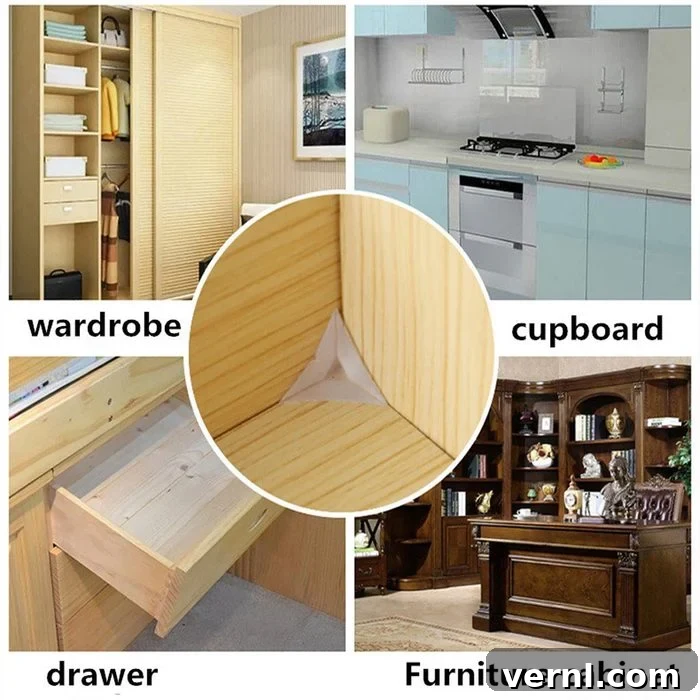
Absolutely! Despite their historical origins, stair dust corners are far from being relegated solely to the annals of architectural history. In an era where both practicality and the preservation of historical charm are highly valued, these intelligent home features are experiencing a resurgence. Homeowners undertaking restorations of older properties, or those simply seeking to enhance the cleanliness and unique character of their staircases, will be delighted to discover that a wide array of options are readily available in today’s market.
Modern manufacturing and online retail platforms have made it incredibly easy to source stair dust corners that cater to virtually any style or budget. From sleek, contemporary designs to faithful reproductions of vintage pieces, the choice is extensive. Online marketplaces like Etsy, for instance, are treasure troves for unique and often handcrafted options, showcasing the adaptability of these simple triangles to modern sensibilities. Here, you can find innovative materials like clear PVC dust corners, which offer a discreet yet highly effective solution for dust accumulation without altering the visual flow of your staircase. These clear options are particularly popular for minimalist or contemporary interiors where functionality is desired without drawing attention to the hardware itself. Similarly, for those seeking a bold contrast or a more defined edge, one-inch black stair corners offer a striking visual element while performing their essential task.
For purists and enthusiasts of period-specific details, specialty retailers like House of Antique Hardware offer a curated selection that echoes the craftsmanship of bygone eras. Their offerings include exquisite individually polished brass corners, which exude a timeless elegance and classic warmth, perfect for restoring a Victorian or Edwardian home to its original glory. For a more aged and authentic look, their antiqued-by-hand brass dust corners provide a rich patina that blends seamlessly with historical aesthetics. Beyond decorative options, practical and durable choices also abound. Vintage Hardware, for instance, provides plain design polished brass stair dust corners, offering robust functionality combined with a classic, understated brilliance. These diverse options ensure that whether your home is a century-old masterpiece or a newly constructed abode, there’s a stair dust corner solution to meet your needs.
Installation Made Simple: Bringing Dust Corners to Your Home
One of the most appealing aspects of stair dust corners, besides their profound utility, is the relative ease with which they can be installed. This DIY-friendly feature means that homeowners don’t typically need to hire professionals, making it an accessible upgrade for almost anyone. The installation method largely depends on the material and design of the chosen dust corner, offering flexibility for various skill levels and preferences.
For modern, lightweight options such as plastic or PVC dust corners, installation is often as straightforward as a simple wedge fit or the application of an adhesive. Many plastic versions come equipped with a pre-applied adhesive backing, requiring little more than peeling off a protective strip and pressing the corner firmly into place. Others are designed to be friction-fitted, snugly wedging into the corner of the stair without the need for additional fasteners. This method is ideal for those seeking a quick, damage-free installation, particularly on finished staircases where drilling might be undesirable.
Metal dust corners, particularly those made of brass, nickel, or other alloys, typically require a more secure attachment. These are usually installed using small nails, brads, or screws. The process is still remarkably simple: position the dust corner precisely in the internal angle of the stair tread and riser, then carefully secure it using a small hammer and appropriately sized nails, or a screwdriver for screw-in options. Pre-drilled holes in the dust corners themselves make this process even easier, guiding the fasteners into place. Tools required are minimal, often just a hammer or screwdriver, a measuring tape for consistent placement, and perhaps a pencil for marking. The key is to ensure the corners are aligned consistently across all steps for a uniform and polished look, enhancing both their functional and aesthetic contributions to your staircase.
Beyond the Dust: Aesthetic and Architectural Appeal
While their primary function is undeniably practical – to simplify cleaning and prevent dust accumulation – stair dust corners also possess a subtle yet significant aesthetic appeal. In older homes, particularly those from the Victorian or Arts and Crafts periods, they are an integral part of the architectural language. Selecting dust corners that match or complement existing hardware, such as doorknobs, light fixtures, or stair rods, can greatly enhance the historical authenticity and visual cohesion of a home. A set of polished brass dust corners, for instance, can elevate a simple wooden staircase, adding a touch of traditional elegance and reflecting light to brighten a often-dark area.
Even in contemporary settings, the right choice of stair dust corner can add a unique design element. Clear PVC corners offer discreet protection, allowing the natural beauty of the staircase material to shine through uninterrupted. Black metal corners can provide a modern, minimalist contrast against lighter wood or painted stairs, creating a defined edge and a sophisticated look. They are a testament to the idea that even the most utilitarian elements can be designed with beauty in mind, transforming an ordinary part of the home into a point of subtle visual interest. Their presence signifies attention to detail and a commitment to both form and function, making a staircase not just a means of vertical transition, but a thoughtfully considered design feature.
Choosing the Right Stair Dust Corners for Your Home
With the resurgence in popularity and the wide variety available, selecting the perfect stair dust corners for your home requires a bit of consideration. Making an informed choice ensures that these additions not only serve their practical purpose effectively but also enhance the overall aesthetic of your staircase and home décor.
- Material Matters: The material is often the first decision point.
- Metal (Brass, Nickel, Bronze, Chrome): Ideal for traditional, classic, or industrial styles. Brass and bronze offer warm, inviting tones, while nickel and chrome provide a cooler, more contemporary sheen. They are highly durable and long-lasting, often developing a beautiful patina over time or retaining a high polish with maintenance.
- Plastic (PVC, Acrylic): A versatile and often more budget-friendly option. Clear plastic versions are perfect for a minimalist approach, blending in seamlessly with any color scheme and allowing the staircase material to remain the focal point. Colored plastics can be used to match or contrast with existing decor. Plastic options are typically easier to install and maintain.
- Finish and Style: Consider the existing hardware and overall style of your home.
- Polished: Creates a gleaming, reflective surface, often seen in more formal or traditional settings.
- Antiqued/Patina: Offers a vintage, aged look, ideal for historical restorations or homes aiming for a rustic or time-worn charm.
- Matte/Satin: Provides a subdued, modern finish that reduces glare and fingerprints.
- Plain vs. Decorative: Some metal corners feature intricate designs or embossed patterns, adding an extra layer of ornamentation, while plain designs offer understated elegance.
- Size and Fit: Ensure the dust corners you choose are appropriately sized for your staircase. They should fit snugly into the internal corner where the tread meets the riser, providing a seamless transition without creating new gaps or interfering with foot traffic.
- Installation Method: Decide whether you prefer a simple adhesive application/wedge fit (common with plastic) or a more permanent screw/nail attachment (typical for metal). Consider your DIY comfort level and whether you want to avoid making holes in your staircase.
- Budget: Prices can vary significantly based on material, craftsmanship, and brand. Plastic options are generally more economical, while handcrafted or specialty metal corners will be at a higher price point.
- Durability: For high-traffic staircases, opt for more durable materials like metal, which can withstand daily wear and tear better than some plastic alternatives.
By carefully weighing these factors, you can select stair dust corners that not only excel in their functional role but also contribute positively to the aesthetic appeal and longevity of your home’s most prominent vertical pathway.
Conclusion: A Small Detail, A Big Impact
From their humble origins in the late 19th century to their renewed appeal in contemporary design, stair dust corners epitomize the timeless wisdom embedded in thoughtful home architecture. Far from being mere decorative curiosities, these small triangular additions represent a harmonious blend of form and function, addressing a universal cleaning challenge with simple yet profound elegance.
Whether you reside in a historic property seeking to restore its original character or a modern home striving for enhanced cleanliness and a touch of unique detail, stair dust corners offer a compelling solution. They stand as a testament to the fact that sometimes, the most effective innovations are the simplest ones, proving that even the smallest features can have a remarkably big impact on our daily lives and the enduring beauty of our living spaces. Embrace this ingenious relic of the past to create a cleaner, more stylish, and truly timeless staircase in your home.