There are few automotive frustrations quite as jarring as discovering a dead car battery when you’re already running late. While a single instance of a “no-start” condition might be easily dismissed as an oversight – perhaps the interior lights or headlights were left on overnight – and the battery quickly revives with a jump-start, it’s crucial not to ignore such a warning sign. A seemingly isolated incident can often be the harbinger of a deeper, underlying issue that could leave you stranded unexpectedly. Understanding what drains a car battery is the first step in preventing future breakdowns and ensuring the longevity of your vehicle’s power source. This comprehensive guide will explore the most common culprits behind a constantly draining car battery, offering insights and practical advice to help you diagnose and resolve these frustrating problems.
Safety First! Essential Precautions When Working with Car Batteries
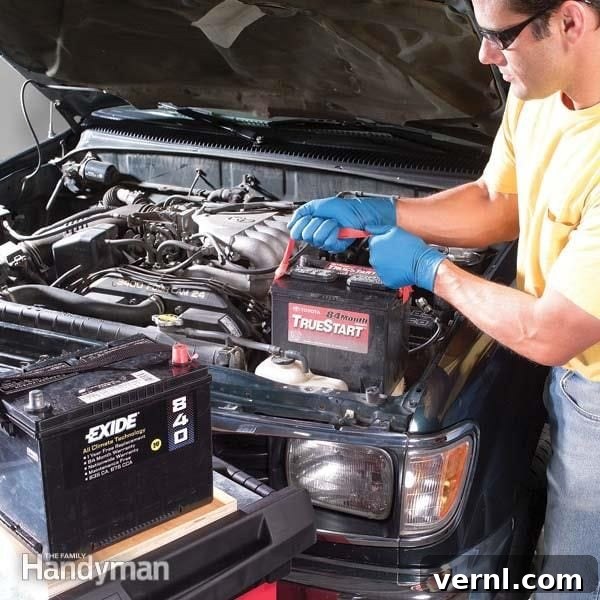
Before you delve into troubleshooting or maintenance, it’s paramount to prioritize safety. A car battery contains sulfuric acid, a highly corrosive substance that can inflict severe chemical burns upon contact with skin or eyes. Additionally, batteries produce explosive hydrogen gas, especially during charging or jump-starting. Always wear appropriate personal protective equipment, including sturdy work gloves and robust eye protection, whenever you are inspecting, cleaning, or jump-starting a vehicle. Ensure you are working in a well-ventilated area to disperse any released gases. In the unfortunate event of direct contact with battery acid, immediately flush the affected area with copious amounts of water for at least 15-20 minutes and seek prompt medical attention. Remember to always disconnect the negative (-) battery terminal first when performing any maintenance to minimize the risk of accidental short circuits, and reconnect it last.
Understanding Charging System Problems
At the heart of your vehicle’s electrical ecosystem is the charging system, a sophisticated network responsible for generating and distributing power. Its primary function is to continuously recharge the car battery while the engine is running and to power all electrical components, such as the radio, lights, and other high-current-draw accessories. A compromised or faulty charging system is a leading cause of a drained battery, as it fails to replenish the power consumed during operation and startup.
While the entire charging system comprises several critical components, the alternator stands as its undisputed core. This electromechanical generator converts mechanical energy from the engine’s rotating crankshaft (via the serpentine belt) into electrical energy. Inside the alternator, a series of diodes converts the alternating current (AC) generated into direct current (DC) that the battery and vehicle electronics can use. A defective alternator can be a silent battery killer in several ways. If the internal diodes fail, they might prevent proper AC-to-DC conversion, severely hindering the battery’s ability to charge. Worse, a leaking diode can create a parasitic draw, allowing current to flow even after the engine is shut off, slowly bleeding the battery dry overnight or over several days. Furthermore, a faulty internal voltage regulator within the alternator is equally problematic. Its job is to maintain a consistent charging voltage, typically between 13.5 and 14.5 volts. If it malfunctions, it could either undercharge the battery, leaving it perpetually depleted, or overcharge it, which can boil off the battery’s electrolyte and drastically shorten its lifespan.
Beyond the internal components, mechanical issues can also impede the charging process. A worn, loose, or cracked drive belt (serpentine belt) that connects the alternator to the engine crankshaft will slip, preventing the alternator from spinning at its optimal speed and thus reducing its output. Similarly, a weak or failing belt tensioner will not provide adequate pressure, leading to belt slippage and inconsistent charging. Symptoms of a failing charging system often include dimming headlights, flickering interior lights, a battery warning light illuminating on your dashboard, or strange whining noises from under the hood. Addressing these issues promptly is crucial to prevent irreversible battery damage and unexpected breakdowns.
Unmasking Parasitic Drains: The Silent Battery Killers
Parasitic drains are among the most insidious causes of a dead battery because they often operate undetected. These drains occur when an electrical component or system continues to draw power from the battery even after the vehicle’s ignition is off and all accessories are supposed to be deactivated. In essence, it’s like a leaky faucet for your car’s electrical system, slowly but surely draining the battery’s charge over hours or days.
Modern vehicles, with their increasing reliance on sophisticated electronics and interconnected systems, are particularly susceptible to parasitic drains. While older cars had simpler electrical architecture, today’s vehicles feature numerous computer modules (ECUs), security systems, infotainment systems, radio presets, digital clocks, and even keyless entry systems that require a constant, albeit minimal, power supply to maintain their memory and readiness. While a small baseline draw is normal, an excessive parasitic drain usually indicates a malfunction. Common culprits for these unwanted draws often include seemingly minor issues, such as faulty light switches in the glove compartment, under the hood, or in the trunk. If these switches fail to properly turn off the lights when the compartments are closed, the lights can remain illuminated indefinitely, slowly but effectively draining the battery. Similarly, a sticky door sensor can trick the car into thinking a door is ajar, keeping interior lights or specific modules active.
Beyond factory components, poorly installed or malfunctioning aftermarket accessories are notorious for causing significant parasitic drains and can wreak havoc on sensitive electrical systems. Items such as high-power sound system amplifiers, additional lighting kits (LED strips, fog lights), remote start systems, or power inverters, if not wired correctly or if they develop an internal fault, can draw substantial current even when the vehicle is parked. Diagnosing parasitic drains can be challenging, often requiring a multimeter to measure current draw when the car is off and systematically pulling fuses to isolate the offending circuit. If your car frequently sits for a few weeks without being started, even a normal, healthy baseline drain can lower the voltage of a two- or three-year-old battery enough to prevent the engine from turning over, making regular driving or the use of a battery maintainer essential.
The Impact of Short Drives on Battery Health
What else drains a car battery? Beyond malfunctions and phantom power draws, your driving habits play a significant role in battery health. The act of starting your car is by far the most demanding task for the battery, requiring a massive surge of power to crank the engine. Once the engine is running, the alternator takes over, not only powering the vehicle’s electrical systems but also, crucially, recharging the battery to replenish the energy expended during startup.
However, if your daily routine primarily consists of numerous short trips – quick commutes to the store, school drop-offs, or very brief journeys – the alternator may not have sufficient time to fully recharge the battery. A typical car battery requires at least 20-30 minutes of continuous driving at highway speeds or consistent RPMs for the alternator to adequately restore its charge. If you consistently make short drives, the battery experiences a cycle of discharge (during starting) without adequate recharge, leading to a gradual but persistent depletion of its overall capacity. Over time, this cumulative deficit can lead to the battery never reaching a full state of charge, which accelerates its degradation and shortens its lifespan. Eventually, even a relatively new battery will struggle to provide the necessary cranking amps to start the engine. To mitigate this, consider taking occasional longer drives, or invest in a smart battery maintainer or trickle charger, especially if your car frequently sits idle or is used predominantly for short distances.
When the Battery Itself is the Problem
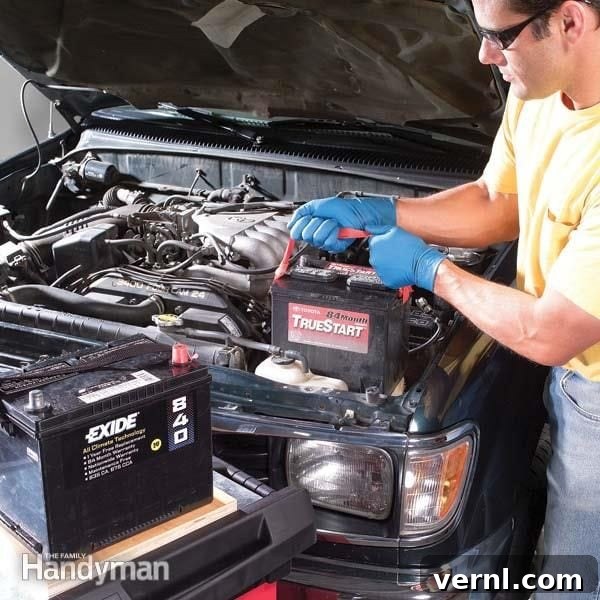
While external factors can certainly contribute to battery drain, a weak or poorly maintained battery is often the most direct and common reason for it to die. A car battery is a consumable component with a finite lifespan, and its performance naturally degrades over time. Factors like age, extreme temperatures, and neglect can significantly impact its ability to hold a charge and deliver adequate cranking power.
For conventional flooded lead-acid batteries that are not sealed, routine maintenance is crucial. If you do not have a maintenance-free sealed battery, it’s important to periodically remove the battery caps and inspect the electrolyte levels in each “cell.” The electrolyte, a mixture of water and sulfuric acid, tends to evaporate over time, especially in hot climates or during frequent charging cycles. Low electrolyte levels expose the battery plates to air, causing sulfation and reducing the battery’s capacity. If levels are low, carefully top off the cells with distilled water only, filling to about ½ to one inch from the top of the battery, ensuring the plates are fully submerged. Never use tap water, as its minerals can contaminate the electrolyte and damage the battery. A dirty battery top can also “leak voltage” by creating a conductive path between the terminals, allowing current to slowly discharge when the car is not in use. Before removing caps or performing any maintenance, clean the top of the battery thoroughly with a brush and a solution of ¼-cup baking soda mixed with one quart of clean water. This neutralizes any acid residue and prevents dirt and debris from falling into the cells when the caps are removed.
Furthermore, ensuring the battery is securely seated in its battery tray is critical. A loose battery that bounces around can suffer internal damage, leading to short circuits and premature discharge. Beyond its impact on battery life, a violently rattling battery, especially if its positive terminal comes into contact with the vehicle’s metal body, can cause a dangerous short circuit, potentially leading to a fire or even an explosion due due to the rapid release of energy and hydrogen gas. Remember, batteries do not last forever. Depending on the climate, driving conditions, and maintenance, you can generally expect to replace your battery every three to five years. Regular testing of your battery’s charge and health, perhaps during routine service, can help predict its end of life and prevent unexpected failures.
The Critical Role of Battery Terminals
The connection points between your battery and your vehicle’s electrical system – the battery terminals and cables – are incredibly important. Corroded or loose battery terminals are not just an eyesore; they are a major impediment to proper electrical flow. Such poor connections can significantly increase resistance, preventing your car from starting by hindering the delivery of sufficient cranking amps to the starter motor. Equally problematic, they can prevent the battery from fully recharging as you drive, even if your alternator is functioning perfectly. The corrosion, typically appearing as a fuzzy blue, green, or white deposit, forms due to a chemical reaction between the battery’s lead terminals, sulfuric acid fumes, and the surrounding air.
To ensure optimal performance and prevent battery drain, regular inspection and cleaning of the battery terminals are essential. The cleaning process should always begin with safety and proper disconnection. Before attempting to remove any cables, apply a paste made from baking soda and water directly onto the corroded areas; this will neutralize the acid. Allow it to fizz, then rinse with water and dry thoroughly. Once the top is clean, you can safely remove the cables. ALWAYS REMOVE THE NEGATIVE CABLE FIRST! This prevents accidental short circuits if your wrench touches both the positive terminal and the vehicle’s metal body. After the negative cable, remove the positive cable. Use a wire brush or a specialized battery terminal cleaner tool to meticulously scrub both the battery posts and the inside of the cable clamps until they are shiny and free of all corrosion. Once clean, reattach the positive cable first, followed by the negative cable, and snugly tighten both connections. Avoid overtightening, as this can strip the threads or damage the battery posts. Applying a thin layer of dielectric grease or an anti-corrosion spray after cleaning and reassembly can help prevent future corrosion.
Extreme Temperatures and Battery Performance

Few factors wreak as much havoc on a car battery’s delicate chemistry and performance as extreme temperatures, both hot and cold. Understanding how temperature affects battery function is key to prolonging its life and preventing unexpected failures.
In cold weather, the chemical reactions within the battery slow down dramatically. This directly impacts the battery’s ability to produce electrical current, significantly reducing its overall cranking power. For instance, a battery operating at 0°F (-18°C) may only deliver about half of its rated cranking amps compared to its performance at 80°F (27°C). Concurrently, the cold also thickens motor oil, making the engine much harder to turn over and requiring even more power from an already weakened battery. This double whammy often pushes older or weaker batteries past their limit, resulting in a no-start condition. Furthermore, a critical safety warning: never attempt to jump-start a frozen battery. If the electrolyte inside the battery has frozen, it can cause the casing to crack, and attempting to charge or jump-start it can lead to an explosion due to the buildup of hydrogen gas. A frozen battery typically signifies it has reached its end of life and needs immediate replacement.
Conversely, the high heat of summer is often more damaging to a battery in the long term, even if its effects aren’t as immediately apparent as cold. Elevated temperatures accelerate the chemical reactions within the battery, which sounds good in theory, but it also speeds up the degradation of the battery’s internal components and causes the water in the battery’s electrolyte to evaporate at a much faster rate. This process, known as “gassing,” can lead to lower electrolyte levels, exposing the lead plates to air and causing sulfation, which irreversibly reduces the battery’s capacity and lifespan. While adding distilled water to a non-sealed battery can sometimes rejuvenate the electrolyte level if it’s merely low, it cannot reverse plate damage. High heat also encourages “thermal runaway” during charging, where excessive heat further accelerates the charging process, leading to even more heat, creating a vicious cycle that quickly kills a battery. Parking in the shade or in a garage can help mitigate some of these effects.
All batteries, regardless of how well they are maintained, will eventually succumb to old age. However, proactive and consistent battery maintenance can significantly prolong a battery’s life and help prevent unexpected discharging. Aim to check your battery at least once per month. During this check, inspect the battery terminals for any signs of corrosion and ensure they are clean and tightly secured. For batteries with removable caps, regularly check the electrolyte level and top off with distilled water as needed. Finally, confirm that the battery is always secured tightly in its tray to prevent internal damage from vibration. By adhering to these simple maintenance practices, you can maximize your battery’s lifespan and ensure reliable starting power.