Cities and towns across the nation are intensifying their efforts to modernize aging water infrastructure, proactively replacing hazardous lead and other outdated pipes with safer, more reliable alternatives. This significant undertaking is being propelled, in part, by a substantial $15 billion injection of funding from the U.S. Environmental Protection Agency’s (EPA) Drinking Water State Revolving Fund, underscoring a critical national commitment to public health and clean water access.
However, the question of which materials should be deployed for these crucial infrastructure upgrades has ignited a contentious debate. Polyvinyl chloride (PVC) has emerged as a frontrunner, lauded by its proponents for its compelling attributes such as remarkable durability, inherent non-corrosive properties, and cost-effectiveness. The appeal of PVC is undeniable, particularly among industry professionals, with a 2021 survey revealing that as many as 65% of contractors expressed a preference for PVC in these vital infrastructure projects.
Yet, a growing body of scientific research casts a shadow of doubt over PVC’s suitability for drinking water systems. Numerous studies suggest that PVC and other plastic piping materials can leach harmful chemicals and even accumulate heavy metals like lead, potentially compromising water quality. This raises significant concerns, leading many experts to advocate for traditional materials such as copper, steel, and iron as more desirable options, especially given the widespread and long-term nature of the current infrastructure overhaul.
Understanding the full spectrum of implications regarding PVC pipe safety, from its presence within your home to its role in urban infrastructure and broader environmental contexts, is essential for informed decision-making in this critical period of infrastructure renewal.
Understanding the Dangers of PVC Pipe in Drinking Water Systems
The safety of PVC pipe for drinking water applications is a complex issue, often viewed through contrasting lenses of industry standards and evolving scientific understanding. On one hand, PVC pipe typically complies with NSF 61, a widely recognized standard that sets minimum health effects requirements for drinking water system components. This certification specifically aims to limit the migration of impurities and chemical contaminants from these components into the water, ensuring a baseline level of safety. The same applies to CPVC, a chemically modified PVC variant often employed in both hot and cold-water distribution systems due to its enhanced temperature resistance.
Industry groups, such as the Vinyl Institute, a trade association representing vinyl manufacturers, consistently affirm the safety of their products. Gil Connolly, their press secretary, states that “PVC pipe safely delivers clean drinking water to communities throughout the U.S. and the world,” highlighting its widespread use and compliance with established standards.
However, an increasing number of health and environmental advocacy organizations express profound concern, pointing to a burgeoning collection of scientific evidence that suggests PVC may not be as benign as previously believed. These groups argue that while NSF 61 provides a critical foundation, it may not fully account for the long-term, low-level leaching of a wide array of chemicals or the cumulative effects of such exposures.
A significant point of contention revolves around the U.S. EPA’s role. Critics contend that the EPA has not provided sufficiently robust or updated guidance to communities grappling with the complex choice of piping materials. They argue that the EPA’s current drinking water standards for synthetic chemicals often lag behind contemporary scientific understanding, particularly in light of growing anxieties surrounding unregulated contaminants like “forever chemicals” (PFAS). These emerging concerns highlight a broader need for more proactive regulatory frameworks that can keep pace with new scientific discoveries about waterborne hazards.
Mike Schade, program director at the influential environmental health research and advocacy organization Toxic-Free Future, offers a stark assessment: “PVC is a fundamentally hazardous plastic. From production to use to disposal, PVC uses or releases dangerous chemicals such as vinyl chloride that are harmful to communities, workers, and consumers.” This comprehensive view emphasizes that the risks associated with PVC extend far beyond just its in-use phase, encompassing its entire lifecycle.
Further amplifying these concerns, Beyond Plastics at Bennington College released a comprehensive 56-page report in April 2023. This meticulously researched document detailed the scientific evidence underpinning these environmental and health concerns, urging both municipalities and individual homeowners to critically evaluate and consider alternatives to PVC for water infrastructure. The report outlined several key areas of concern, which are further elaborated below.
Negative Health Effects of PVC Exposure
One of the most significant health concerns associated with PVC is its foundational chemical component: vinyl chloride. This substance is a well-documented human carcinogen, unequivocally linked to an increased risk of specific cancers, particularly angiosarcoma of the liver. The danger, however, extends beyond just the raw material. Various studies have demonstrated that both PVC and CPVC pipes, along with the adhesives used in their fittings, can release dozens of toxic chemicals into drinking water. These include, but are not limited to, halogenated compounds, organotins, and alkyl phenols – a cocktail of substances that can degrade water quality.
While many of these leachates have not undergone extensive independent toxicological assessment for their potential health hazards in drinking water, some have been sufficiently studied to reveal alarming findings. Collectively, the chemicals found to leach from PVC pipes are implicated in a range of severe health problems. These include direct organ damage, such as liver and kidney damage, various forms of cancer, and serious developmental issues in children. Furthermore, exposure has been linked to reproductive problems, impaired immune function, and endocrine disruption, where chemicals interfere with the body’s hormonal system, potentially leading to a cascade of adverse health outcomes.
Health Effects of PVC on Communities and Environmental Justice
The gravest health impacts associated with PVC often disproportionately burden specific populations: those who reside near or are employed at PVC manufacturing and processing facilities. These communities are acutely vulnerable to contaminated air and water due to the constant release of hazardous chemicals inherent in PVC production, most notably vinyl chloride. The sheer volume and persistence of these emissions create a localized toxic burden that can have profound, long-term health consequences for residents.
Compounding this issue, PVC manufacturing plants are disproportionately located in or near low-income communities and communities of color. This pattern of industrial siting creates pressing environmental justice and racial equity problems, where marginalized populations bear an unequal share of environmental pollution and its associated health risks, often lacking the political power or resources to effectively advocate for change.
Beyond manufacturing, many communities across the country face another significant threat from PVC: the release of dioxins during incineration. PVC is frequently collected with general household garbage, and when this waste is incinerated, the chlorine content in PVC can react to form dioxins. As Mike Schade highlights, “When incinerated, PVC can release dioxins, some of the most toxic chemicals on the planet.” These persistent organic pollutants are so dangerous that they have been targeted for global elimination under international treaties like the Stockholm Convention, reflecting a worldwide consensus on their extreme toxicity and environmental persistence.
Broader Environmental Impacts of PVC
As a form of plastic, PVC contributes to the pervasive problem of plastic pollution, inflicting similar harm on wildlife and ecosystems as other plastic materials. This includes the proliferation of microplastics, tiny plastic particles that degrade from larger items over time, which release harmful chemicals like phthalates into waterways, oceans, and even agricultural soil. The entire lifecycle of PVC also contributes significantly to greenhouse gas emissions, exacerbating climate change through energy-intensive production processes and transportation.
However, PVC stands out due to the unique toxicity of its constituent chemicals, particularly vinyl chloride. Greenpeace has, for these reasons, designated PVC as the most environmentally damaging plastic, considering its complete lifecycle from the extraction of raw materials and energy-intensive manufacturing to its use and eventual disposal. This lifecycle perspective reveals a continuous chain of environmental contamination.
The U.S. Department of Health and Human Services has further documented that vinyl chloride can leach into groundwater from various industrial sources, including spills, landfills, and waste disposal sites. A stark and recent illustration of this danger was the 2023 train derailment in East Palestine, Ohio. This catastrophic event involved the release of massive quantities of vinyl chloride from overturned tanker cars. Once introduced into the environment, vinyl chloride exhibits characteristics of a persistent organic pollutant (POP). POPs are chemicals that resist environmental degradation, accumulate in the food chain, and can be transported long distances, posing long-term ecological and health threats far from their initial release points. This highlights the urgent need for a shift away from materials with such hazardous environmental footprints.
Exploring Safer and Sustainable PVC Pipe Alternatives
Given the escalating concerns surrounding PVC, the search for safer and more sustainable alternatives for water piping is more critical than ever. Organizations like the Environmental Working Group (EWG) and The Health Building Network consistently champion copper as the healthiest and most reliable alternative to PVC pipes, provided it is installed with lead-free joint materials. Copper offers numerous advantages: it is naturally antimicrobial, highly durable, and has an impressive lifespan, often exceeding 50-70 years. Furthermore, copper is an infinitely recyclable material, significantly reducing its lifecycle environmental impact if properly managed. However, copper typically entails a higher upfront cost compared to plastic alternatives, and its extraction and initial processing can have a notable carbon footprint, although this is considerably mitigated when recycled copper is used.
If you opt for copper piping, particularly in areas where your water has a pH of less than 7 (meaning it’s acidic), installing a system to balance your water’s acidity is crucial. Acidic water can cause copper to corrode over time, potentially leaching copper into the drinking water, which while less harmful than lead, can still affect taste and, in very high concentrations, health. Additionally, it is imperative to meticulously confirm that all joint materials, faucets, and fixtures are genuinely lead-free. Historically, some products manufactured before 2014 could claim to be “lead-free” while still containing up to 8% or even higher amounts of lead, posing an insidious risk that must be verified through current certifications.
The second-best alternative to PVC, particularly among plastic options, is polypropylene (PP) pipe. According to the EWG, pipes made from polypropylene are generally less expensive than copper and exhibit a significantly lower propensity to leach chemicals compared to other forms of plastic piping. Polypropylene is known for its excellent chemical resistance, heat resistance, and flexibility, making it a viable option for various plumbing applications. Its production process is generally considered less environmentally intensive than PVC, and it does not rely on chlorine, eliminating the risk of dioxin formation during disposal. For municipal water distribution, High-Density Polyethylene (HDPE) is another increasingly popular and robust alternative to PVC, known for its flexibility, resistance to corrosion, and long service life, particularly in trenchless installation methods.
Actionable Steps: Addressing PVC Pipe in Your Home and Community
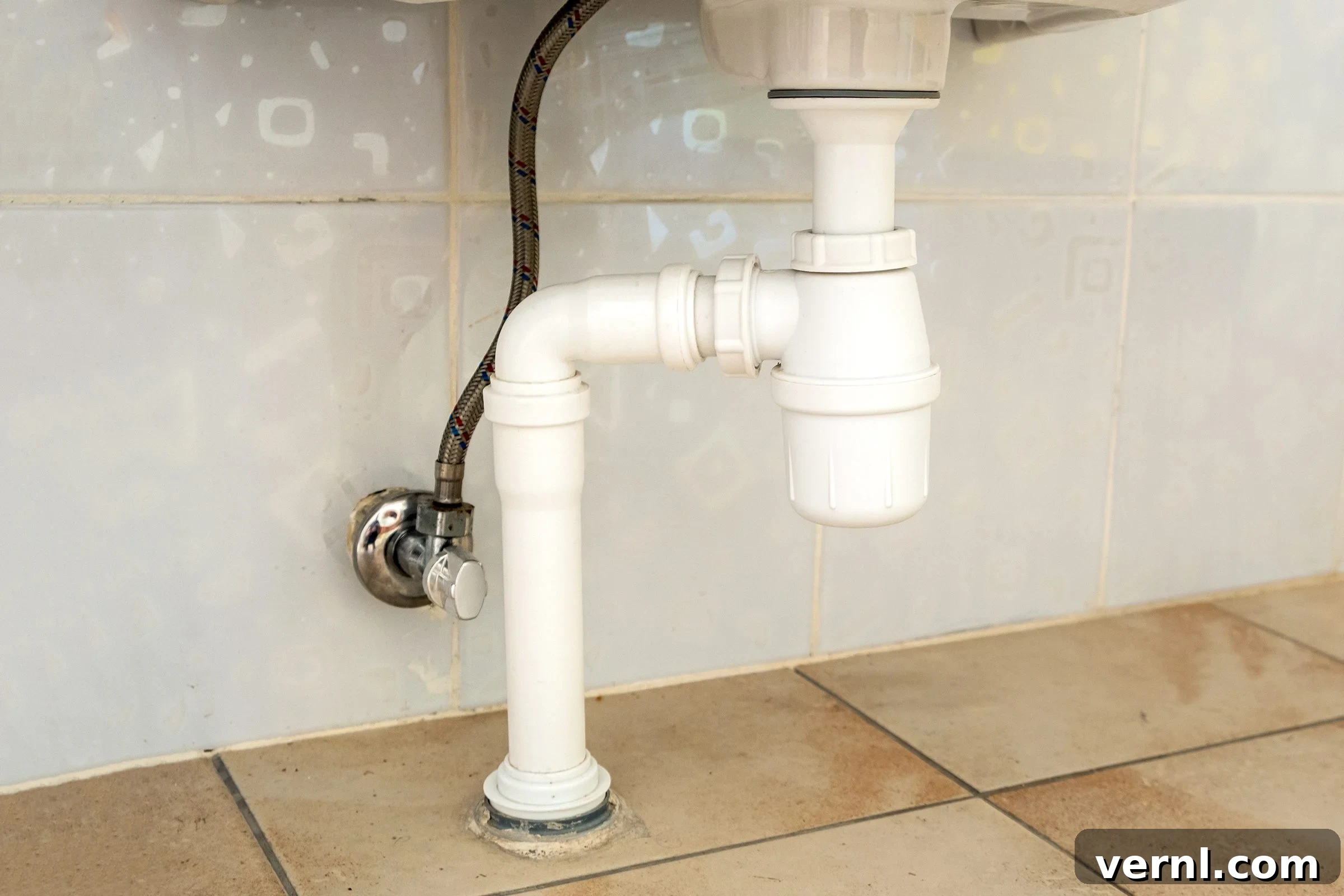
For most homeowners, it’s reassuring to know that your internal home plumbing typically does not contain PVC pipes for potable water transfer. PVC is predominantly used for drain, waste, and ventilation (DWV) systems within residential properties, where its chemical leaching potential into drinking water is not a direct concern. However, if your city’s municipal water supply system utilizes PVC water pipes, there are proactive steps you can take to safeguard your household’s drinking water quality.
Installing an in-home activated carbon water filter is a highly effective measure. Activated carbon filters are renowned for their ability to remove most volatile organic compounds, including potential traces of vinyl chloride and other organic contaminants that might leach from municipal PVC pipes. Regular maintenance and replacement of these filters, according to manufacturer guidelines, are crucial to ensure their continued efficacy in providing clean water.
Beyond your immediate household, if you harbor concerns about the use of PVC in your community’s broader water infrastructure projects, civic engagement is paramount. Take the initiative to communicate directly with your local municipality. Attend city council meetings, express your concerns to elected officials, and inquire about the materials being considered for water pipe replacements. Advocate for transparency regarding material selection processes, demand comprehensive water quality testing, and encourage the exploration of proven, safer alternatives like copper, polypropylene, or HDPE. Supporting local environmental advocacy groups can also amplify your voice and contribute to a collective push for healthier, more sustainable water infrastructure for everyone.