
Master the Art of Welding: Build Your First Welding Table with This Easy DIY Guide
Have you ever dreamed of creating robust metal structures, repairing broken tools, or simply bringing your custom metal design ideas to life? The journey into the exciting world of metal fabrication often begins with welding, a skill that is both incredibly practical and deeply satisfying. For many, the initial hurdle is knowing where to start. We’re here to tell you: it’s easier than you think, and building your very own welding table is arguably the perfect first project to ignite your passion and develop fundamental skills.
This beginner-friendly project not only teaches you the foundational techniques of welding but also equips your workshop with an indispensable piece of equipment. Imagine having a sturdy, level, and heat-resistant surface specifically designed for all your future metalworking endeavors. This isn’t just about learning; it’s about building a cornerstone for your creative and repair projects.
Watch the Project Unfold: A Visual Guide to Building Your Welding Table
Sometimes, seeing is believing, and watching a project come to life can provide invaluable insights and confidence. The video below offers a fantastic visual walkthrough, giving you a clear idea of the process and what to expect when you embark on building your welding table. It’s an excellent starting point to visualize the steps involved before diving into the detailed plans.
Why a Welding Table is the Ideal First Welding Project
Choosing the right initial project can make all the difference in your welding journey. While many beginners might be tempted to jump straight into intricate designs, a welding table offers a unique combination of simplicity, utility, and skill development that makes it truly perfect for novices:
- Fundamental Skill Building: This project focuses on basic cuts, squaring, and linear welds – the core techniques every welder needs to master.
- Practical Application: Unlike a decorative piece, a welding table is a functional addition to any home garage or professional workshop, immediately improving your workspace.
- Forgiving Nature: A welding table doesn’t require aesthetic perfection. Small imperfections in your first welds become part of its character, allowing you to learn without undue pressure.
- Essential Workspace: A dedicated, stable, and fire-resistant surface is crucial for safe and effective welding. Building it yourself ensures it meets your specific needs.
- Cost-Effective: Often, building your own table can be more economical than buying a pre-made one, especially if you source materials smartly.
Essential Skills You’ll Acquire on Your First Welding Journey
Embarking on the welding table project is more than just assembling metal; it’s a comprehensive learning experience that will equip you with a foundational set of metalworking skills. These skills are transferable and will serve as a springboard for countless future projects:
Measuring and Cutting Accuracy
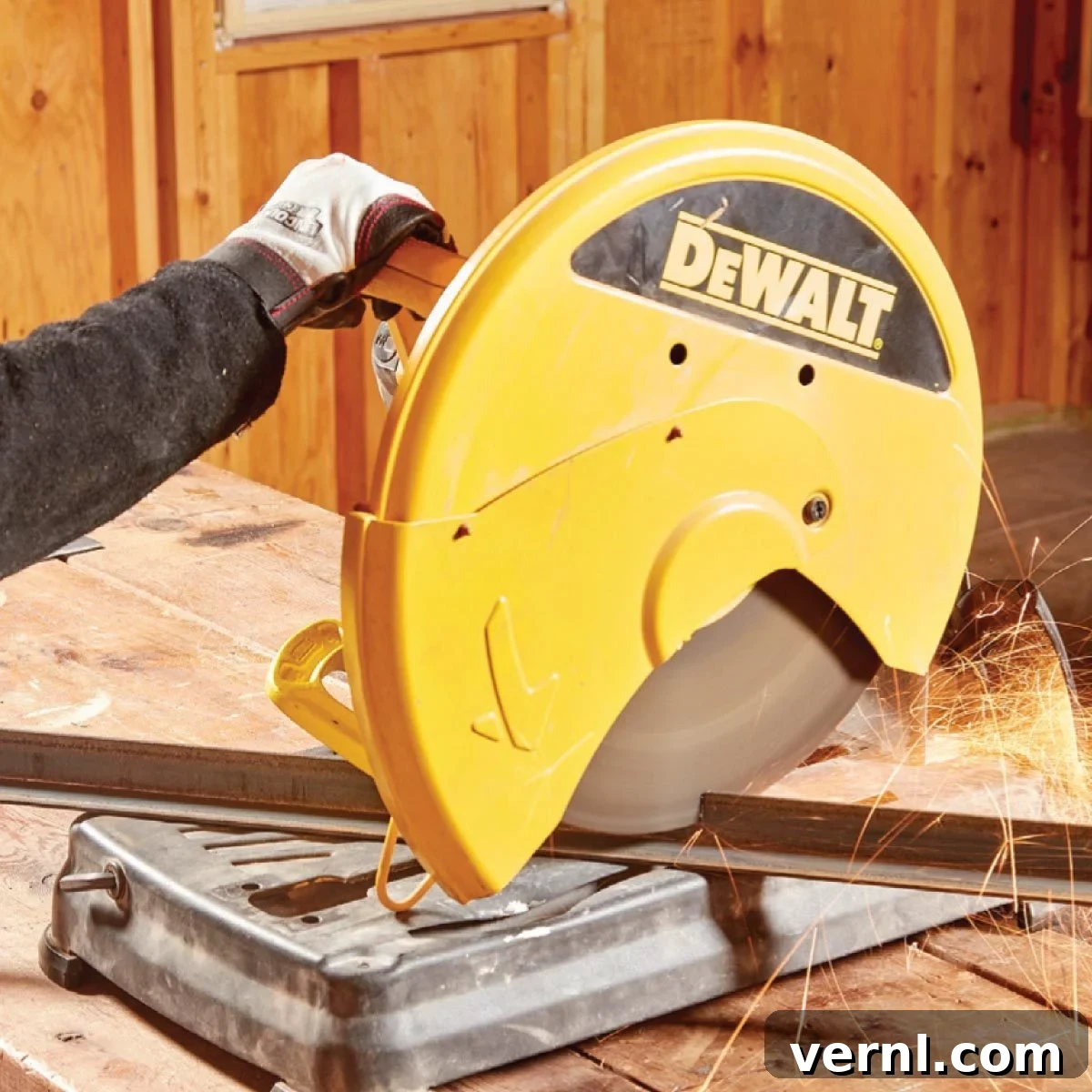
Precision is paramount in metal fabrication. You’ll learn to accurately measure, mark, and cut metal pieces to the correct dimensions. This often involves using tools like angle grinders or chop saws, understanding how to handle them safely and effectively to achieve straight, clean cuts.
Basic Welding Techniques
The core of the project involves welding. You’ll likely start with tack welds to hold pieces in place, then progress to laying down continuous beads. This project is excellent for practicing consistency in your travel speed, arc length, and angle – critical elements for strong, clean welds. Many beginners find MIG welding (Gas Metal Arc Welding) to be the most accessible process to start with due to its relative ease of use and consistent results.
Fabrication and Assembly
Learning how to square up components, clamp them securely, and strategically weld to prevent warping are vital lessons. You’ll understand the importance of dry fitting and planning your weld sequence to ensure the final structure is true and stable.
Grinding and Finishing
Post-welding, you’ll learn to use an angle grinder for cleaning up welds, smoothing edges, and preparing surfaces. This includes techniques for removing spatter, grinding down high spots, and creating a more polished finish.
Understanding Metal Properties
While building, you’ll gain a practical understanding of how different types of steel behave under heat and during welding. This intuitive knowledge is invaluable for future projects involving various metals.
Safety First: Non-Negotiable Rules for Beginner Welders
Welding is an inherently safe activity when proper precautions are taken. However, neglecting safety can lead to serious injury. Before striking your first arc, commit these essential safety rules to memory:
- Personal Protective Equipment (PPE): Always wear a welding helmet with the correct shade lens, flame-resistant gloves, a welding jacket or heavy long-sleeved shirt, sturdy leather boots, and safety glasses under your helmet.
- Ventilation: Welding fumes can be hazardous. Always work in a well-ventilated area, preferably with an exhaust fan or fume extractor.
- Fire Prevention: Clear your work area of any flammable materials. Have a fire extinguisher readily available and know how to use it. Be aware of hot metal and sparks, which can travel.
- Workpiece Grounding: Ensure your welder is properly grounded and that the workpiece is securely connected to the ground clamp for a stable arc and to prevent electrical hazards.
- Electrical Safety: Inspect all welding cables and equipment for damage before use. Never work in damp conditions.
- UV/IR Radiation: The welding arc emits intense UV and IR radiation, which can cause severe burns to skin and eyes. Never look at the arc without proper eye protection, and ensure bystanders are also protected.
Adhering to these safety guidelines will ensure your welding experience is both productive and secure.
Choosing Your Welder: A Brief Overview for Beginners
For your first welding project like a table, selecting the right type of welder is crucial. Here’s a quick look at the most common types and why one stands out for beginners:
- MIG (GMAW – Gas Metal Arc Welding): Often recommended for beginners, MIG welding is relatively easy to learn and offers good speed and clean results. It uses a continuous wire electrode fed through a gun, typically with a shielding gas to protect the weld puddle. It’s excellent for fabricating projects like welding tables.
- Stick (SMAW – Shielded Metal Arc Welding): Also known as arc welding, stick welding is versatile and good for outdoor use or dirty metal. It uses a consumable electrode stick. While it has a steeper learning curve than MIG for achieving clean, consistent welds, it’s a fundamental skill.
- TIG (GTAW – Gas Tungsten Arc Welding): TIG welding produces extremely precise and clean welds, ideal for thinner materials and intricate work. However, it requires significant skill and coordination with both hands and a foot pedal, making it less suitable for a first-time welder on a structural project like a table.
For building a welding table, a basic 110V or 220V MIG welder is often the most practical and forgiving choice for someone just starting out. Many entry-level machines offer a good balance of power and ease of use.
Beyond the Table: What’s Next for Your Welding Skills?
Once you’ve successfully completed your welding table, you’ll not only have a fantastic piece of workshop equipment but also a newfound confidence in your metalworking abilities. This foundational project opens up a world of possibilities:
- Custom Shop Fixtures: Build storage racks, tool carts, or custom jigs to further organize and optimize your workspace.
- Home Repairs: Mend broken gates, fix outdoor furniture, or reinforce structures around your home.
- Artistic Creations: Explore metal sculpture, decorative gates, or unique furniture pieces.
- Automotive Projects: Tackle frame repairs, custom exhausts, or fabrication for off-road vehicles.
- Monetize Your Skills: Consider taking on small custom fabrication jobs for friends, family, or local businesses.
The skills you develop by building a welding table are universally applicable across various industries and hobbies, making it an incredibly valuable addition to your personal skill set.
Ready to Start? Access Detailed Plans and Instructions!
Feeling inspired to strike your first arc and build something truly useful? The detailed step-by-step instructions and material lists are crucial for ensuring your project is a success. Don’t leave anything to chance – equip yourself with the full knowledge needed to construct a robust and reliable welding table.
Learn more and get started on this rewarding project today:
How to Build a Welding Table
Embark on Your Metalworking Adventure
Learning to weld is a journey of continuous learning and creation. Starting with a practical project like a welding table provides the perfect blend of challenge and reward. You’ll gain tangible skills, enhance your workshop, and unlock the potential to create, repair, and innovate with metal. So, gather your gear, review the plans, and get ready to experience the immense satisfaction of transforming raw materials into a functional masterpiece. Your metalworking adventure begins now!