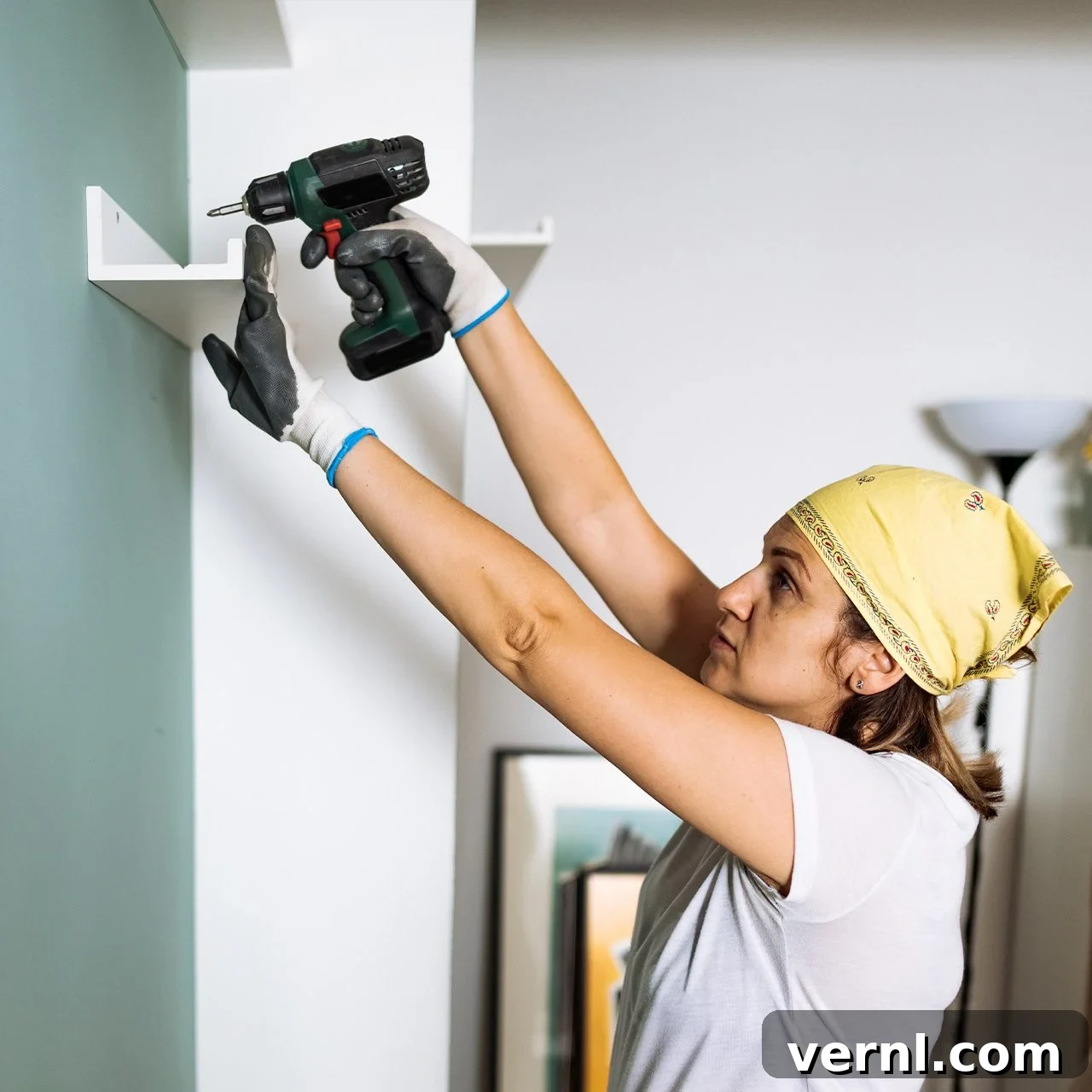
Independence and self-reliance are defining traits of any DIY enthusiast. There’s real pride in solving problems yourself and completing home projects without hiring pros. But total independence can come with drawbacks. Ignoring time-tested advice often leads to wasted materials, lost time, higher costs, and sometimes serious injury.
Below are practical, often-overlooked tips for DIYers, compiled with insights from Daniel Cabrera of Roof Direct San Antonio and engineer and DIY enthusiast Peter Bell of Built By Pete. Follow these guidelines to improve results, save money, and stay safe.
Measure Twice—and Then Measure Again
The old saying “measure twice, cut once” exists for a reason. Taking a few extra seconds to confirm measurements avoids costly mistakes. A board cut just a quarter-inch too short can turn a single afternoon project into multiple trips to the store and several weekends of work.
Don’t rush to the saw. Verify your initial measurement, then check it again. For detailed finish work—trim, molding, or custom-fit pieces—measure three or four times before committing to a cut. Accurate measurements not only save materials but also reduce frustration and rework.
Buy the Right Tool Instead of Improvising
Using the correct tool makes any job faster and cleaner. If a chisel is required, use a chisel rather than substituting a screwdriver. Improvised tools often damage the workpiece or the tool, and they waste time.
That said, accumulating every specialty tool right away can be expensive and unnecessary. Build your toolkit gradually. Gain experience with common tools first, then invest in higher-quality or specialized tools as your projects require them.
If you need a tool for a one-off job, consider renting it or borrowing from a friend rather than buying. Renting lets you access higher-end equipment for a fraction of the purchase price and avoids cluttering your workshop with rarely used items.
Practice on Scrap Materials First
When working with costly materials, never skip a test cut or a mock-up. Practicing on scrap material helps you dial in settings, angles, and techniques before making the final cut or assembly. Although it may feel like extra work, this step can prevent ruining expensive pieces.
Professionals often use scrap runs to refine complex cuts and flashing details. The first pass is a learning opportunity; the second attempt is almost always better. Spending a little time on practice will improve the final appearance and longevity of your work.
Keep Extra Materials
Keeping leftover materials or buying slightly more than you need is smart planning. Save offcuts and small pieces for future repairs, prototypes, or for testing finishes and cuts. Storing a modest surplus prevents last-minute runs to the store and ensures consistency when matching materials later.
Materials change over time—finishes are discontinued, colors shift, and product lines evolve—so having a few extra tiles, siding, or flooring planks can be invaluable if you need to make repairs years later. A good rule of thumb is to add about 1% to your materials total for spares, or more for projects with pattern matching.
Wear Safety Gear Every Time
Skipping safety gear because “nothing has happened yet” is risky. Accidents happen quickly, and a small lapse in protection can cause permanent injury. Make safety non-negotiable by reducing the friction to wearing protective equipment.
Store safety glasses, gloves, ear protection, and dust masks right next to the tools that require them. Keep inexpensive extras on hand so you never reach for a tool without protection. Always use guards and safety features on power tools and follow manufacturer instructions to minimize risk.
FAQ
What is the biggest mistake beginners make in DIY projects?
The most common error is underestimating preparation time and rushing. Proper planning and preparation account for the majority of a successful project. Rushing into work without a clear plan often leads to mistakes and rework.
How do I avoid wasting materials during a DIY project?
Plan carefully: measure accurately, double-check calculations, and design projects around common stock dimensions when possible. Practice cuts on scrap, and buy a small allowance of extra material to account for mistakes or future repairs.
About the Experts
- Daniel Cabrera has 16 years of residential remodeling experience in the San Antonio metro area and is the owner of Roof Direct San Antonio.
- Peter Bell is a trained engineer and the creator of Built By Pete, a channel focused on DIY builds, smart home guides, and tutorials.