
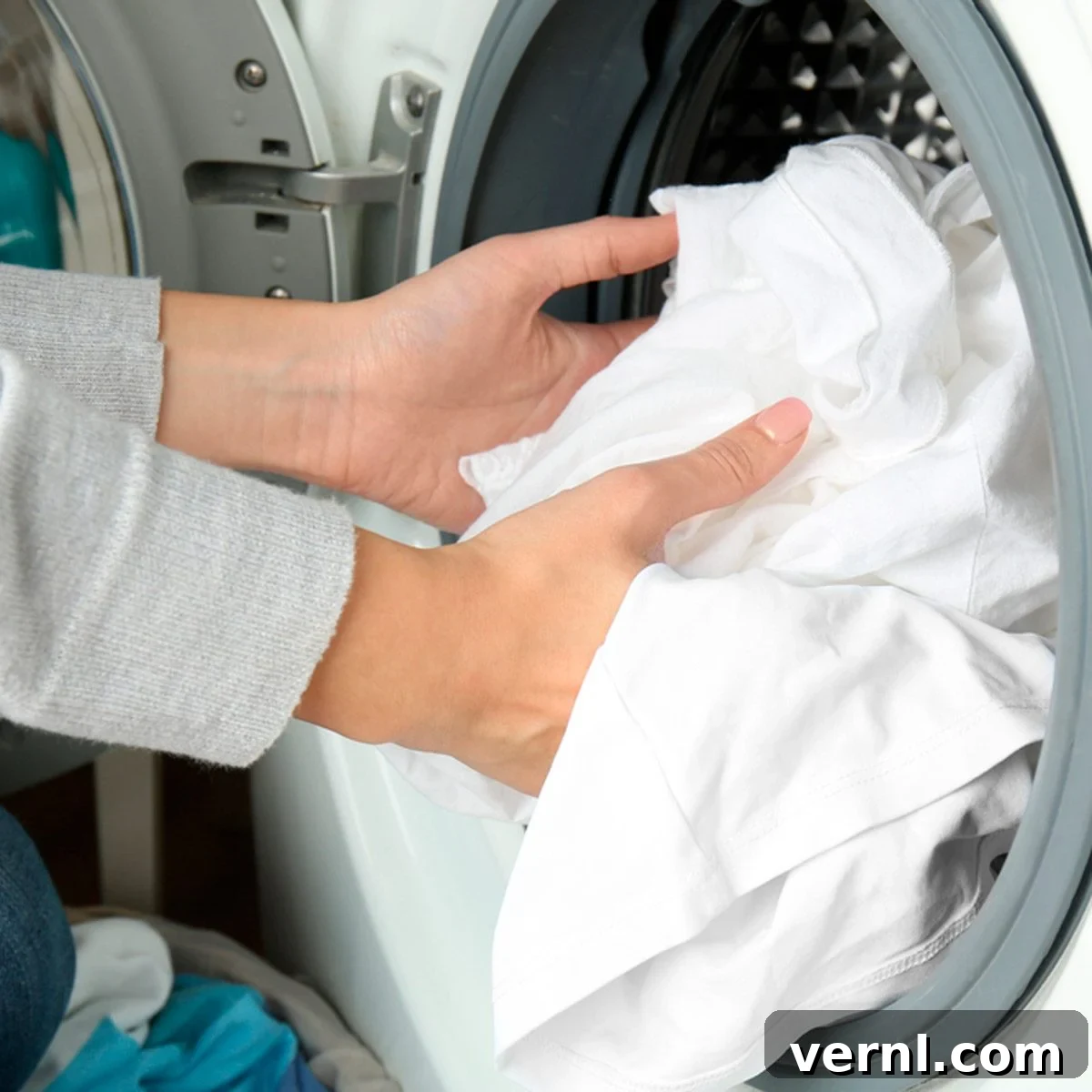
Achieve Brilliant White Laundry Naturally: The Superior Alternative to Bleach
The quest for impeccably white laundry is a common household goal, and for many, using bleach has been the traditional solution. However, while bleach promises dazzling results, it comes with a hidden cost – potential harm to your health, your fabrics, and the environment. It’s time to reconsider this conventional approach and explore a safer, more sustainable path to sparkling whites. This comprehensive guide will unveil why bleach is a less-than-ideal choice and introduce you to the surprising power of a common kitchen staple: lemon juice.
Imagine achieving those brilliant whites without the lingering chemical smell, the risk of skin irritation, or the worry of polluting our waterways. This article will show you how to harness nature’s own whitening agent, citric acid, found in humble lemons, to transform your laundry routine into an eco-conscious and health-friendly practice. Get ready to discover a natural secret for truly clean and bright clothes that benefits your home and the planet.
Why Bleach Might Be the Wrong Choice for Your Laundry and Home
While chlorine bleach is undoubtedly effective at whitening and disinfecting, its potent chemical composition carries significant drawbacks that often outweigh its benefits. Understanding these downsides is the first step toward embracing safer alternatives for your family and your laundry.
Serious Health Risks Associated with Bleach
The dangers of bleach extend far beyond accidental spills. Its strong, corrosive nature poses immediate and long-term health concerns:
- Direct Contact and Inhalation: Bleach can cause severe skin irritation, burns, and eye damage upon contact. Its fumes are also highly irritating to the respiratory system, potentially triggering asthma attacks, exacerbating allergies, and causing coughing, wheezing, or shortness of breath. Prolonged or frequent exposure can lead to chronic respiratory issues.
- Toxic Fumes from Mixing: One of the most perilous aspects of bleach is its reactivity. Mixing bleach with other common household cleaners, especially ammonia (found in many glass cleaners) or acids (like vinegar or toilet bowl cleaners), produces highly toxic gases such as chloramine. Inhaling these fumes can cause immediate and severe respiratory distress, leading to lung damage, chest pain, and can even be fatal.
- Passive Exposure and Children’s Health: Even without direct contact, passive exposure to bleach in the home environment can be problematic. A 2015 study by European researchers highlighted a worrying correlation: homes where bleach was regularly used showed a higher incidence of childhood illnesses such as tonsillitis, flu, and various breathing conditions. This suggests that the continuous presence of bleach fumes can compromise children’s developing immune and respiratory systems.
- Accidental Ingestion: For curious children and pets, bleach presents a significant poisoning hazard. Even a small amount ingested can cause severe internal burns, organ damage, and be life-threatening. Storing bleach safely is paramount, but eliminating it altogether removes this risk.
The Environmental Toll of Chlorine Bleach
Beyond human health, bleach leaves a lasting negative footprint on our planet:
- Water Pollution: Once washed down the drain, bleach doesn’t simply disappear. Bleach lingers in the environment, particularly in aquatic ecosystems. The chlorine compounds can react with organic matter in wastewater to form harmful byproducts called chlorinated organic compounds (organochlorines). These compounds are often persistent, bioaccumulative (meaning they build up in the food chain), and toxic to aquatic life, disrupting delicate ecological balances.
- Impact on Soil and Vegetation: Bleach can also contaminate soil if wastewater is used for irrigation or if it seeps into groundwater. Its potent chemical nature can harm beneficial soil microorganisms and plant life, affecting biodiversity and ecosystem health.
- Manufacturing Footprint: The production of chlorine bleach is an energy-intensive process that can generate its own set of environmental pollutants, further contributing to industrial emissions and resource depletion.
Damage to Fabrics and Longevity of Clothes
Paradoxically, the very chemical intended to preserve your whites can, over time, degrade them:
- Weakens Fabric Fibers: Chlorine bleach is a strong oxidizer. While this action removes stains and whitens, it also breaks down the cellulose fibers in cotton and other natural fabrics. Over time, repeated bleaching can weaken the fabric, leading to premature wear, yellowing, and even holes.
- Not Suitable for All Whites: Bleach is unsuitable for many delicate white fabrics like silk, wool, spandex, and certain synthetic blends, as it can permanently damage or yellow them. This limits its versatility and requires careful sorting.
- Irreversible Yellowing: Counterintuitively, excessive or improper use of bleach on white fabrics can sometimes cause them to yellow permanently, especially if they are synthetic or have a finish that reacts poorly with chlorine.
Embrace Nature’s Whitener: The Incredible Power of Lemon Juice
Given the significant drawbacks of bleach, it’s a relief to know that a powerful, safe, and environmentally friendly alternative is readily available in your local grocery store: lemon juice! This versatile fruit offers a natural solution not just for laundry, but for a whole host of household cleaning tasks without the need for harsh chemicals. It can even be used to remove stains from leather furniture.
How Does Lemon Juice Achieve Such Brilliant Whitening? The Science Behind Citric Acid
The secret to lemon juice’s remarkable whitening power lies in its high concentration of citric acid, a natural alpha-hydroxy acid. Here’s a deeper look into how it works:
- Natural Bleaching Action: Citric acid acts as a mild, natural bleaching agent. It chemically reacts with the organic compounds that cause stains and dinginess in fabrics, gently breaking them down and loosening them from the fibers. Unlike chlorine bleach, which uses strong oxidation to destroy color molecules, citric acid helps to lift and lighten these compounds, making whites appear brighter.
- Effective Stain Removal: Beyond general whitening, citric acid is particularly effective on various types of stains, including rust, mildew, food stains (like berries or coffee), and general grime that dulls white fabrics. Its acidic nature helps to dissolve mineral deposits and other substances that can build up on clothes over time.
- Gentle on Fabrics: Because citric acid is far milder than chlorine bleach, it is significantly gentler on fabric fibers. It helps to preserve the integrity and longevity of your clothes, preventing the weakening and yellowing often associated with harsh chemical whiteners.
- Odor Elimination: Lemon juice also possesses natural deodorizing properties. The acid helps to neutralize odor-causing bacteria and break down pungent compounds, leaving your laundry smelling fresh and naturally clean.
Important Considerations When Whitening with Lemon Juice
To ensure the best results and care for your garments, keep these points in mind:
- Best for White Laundry: Lemon-juice whitening is primarily recommended for white and light-colored fabrics. The natural bleaching effect of citric acid can cause colored items to fade more quickly if exposed repeatedly or to concentrated solutions. Always sort your laundry carefully.
- Sunlight Synergy: For an amplified whitening effect, always combine lemon juice treatment with sun drying. The ultraviolet (UV) rays from the sun are natural bleaching agents themselves, working in tandem with the citric acid to further break down stains and brighten whites. This synergistic effect is incredibly powerful and completely natural.
- Patch Test for New Fabrics: While generally safe, if you’re concerned about a particularly delicate or unfamiliar fabric, it’s always wise to perform a patch test on an inconspicuous area first.
Practical Guide: How to Whiten Clothes with Lemon Juice
Incorporating lemon juice into your laundry routine is surprisingly simple, whether you prefer hand-washing or using a machine. Here’s how to achieve dazzling whites without harsh chemicals:
Method 1: Hand-Washing for Targeted Whitening and Delicates
Hand-washing with lemon juice is ideal for smaller loads, delicate items, or for focusing on specific stubborn stains. This method allows for a more controlled and intensive whitening treatment.
For a detailed visual guide, you can refer to this video tutorial by eHowHome.
What You’ll Need:
- Fresh or bottled lemon juice (freshly squeezed is often more potent)
- Salt (table salt or any coarse salt)
- Large basin, bucket, or bathtub
- Warm or hot water
- White laundry items
Step-by-Step Instructions:
- Prepare the Solution: In your basin or bucket, combine two cups of lemon juice with one cup of salt. Ensure the salt dissolves thoroughly.
- Add Water: Fill the basin with enough warm or hot water to fully submerge your laundry items. The warm water helps to activate the citric acid and loosen dirt. Stir the solution to ensure the lemon juice and salt are evenly distributed.
- Soak the Clothes: Place your white clothes into the lemon-salt-water solution, making sure they are completely immersed. For general brightening, soak for at least 1-2 hours. For dingy whites or stubborn stains, consider soaking overnight (8-12 hours). The longer soaking time allows the citric acid to work more effectively.
- Agitate (Optional but Recommended): Periodically, gently agitate the clothes in the solution by kneading them or swishing them around. This helps to dislodge dirt and ensures the solution penetrates all areas of the fabric.
- Rinse Thoroughly: After soaking, remove the clothes and rinse them out well under cool running water. Continue rinsing until the water runs clear and there are no suds or residual lemon scent.
- Sun Dry for Enhanced Whitening: This step is crucial for maximizing the whitening effect. Lay your wet, rinsed clothes out in direct sunlight. The sun’s ultraviolet rays act as a powerful natural bleach, working in conjunction with the residual citric acid to lift stains and brighten fabrics. If possible, turn items periodically to ensure even sun exposure.
Method 2: Machine-Washing for Everyday Convenience and Brightness
Using lemon juice to whiten your laundry in a washing machine is incredibly simple and an excellent way to maintain bright whites with minimal effort.
What You’ll Need:
- Fresh or bottled lemon juice
- Your usual laundry detergent
- White laundry items
Step-by-Step Instructions:
- Load the Washer: Place your white laundry items into the washing machine as usual.
- Add Detergent and Lemon Juice: Add your regular laundry detergent according to the manufacturer’s instructions. Then, add a full cup of lemon juice directly into the detergent dispenser or, for top-loading machines, directly into the drum with the clothes before adding water.
- Select Wash Cycle: Choose your usual wash cycle for whites. For optimal results with lemon juice, a warm or hot water cycle is generally most effective, as heat helps to activate the citric acid.
- Wash as Usual: Start the washing machine and allow it to complete its cycle.
- Sun Dry for Boosted Results: Just like with hand-washing, the final step for truly brilliant whites is to hang them out to dry in the sunshine. The UV rays will provide a natural bleaching boost, leaving your clothes noticeably brighter. If sun drying isn’t possible, a regular dryer is fine, but you might miss out on that extra spark.
Advanced Tips for Stubborn Stains and Extra Brightness
- Pre-Treating Tough Stains: For very stubborn stains, create a paste using lemon juice and a small amount of salt or baking soda. Apply it directly to the stain, let it sit for an hour or two (or overnight), then wash as usual.
- Lemon Slice Trick: For severely yellowed whites, you can boil a pot of water with a few lemon slices. Turn off the heat, add your white items, and let them soak for an hour before washing.
- Add Baking Soda: Baking soda is another fantastic natural laundry booster. Add half a cup along with your detergent and lemon juice for enhanced cleaning, odor removal, and extra whitening power.
- Regular Maintenance: Incorporate lemon juice into your white laundry routine regularly (perhaps every other wash) to prevent dinginess from building up and keep your whites consistently bright.
Beyond Bright Whites: Cultivating a Healthier Home Environment
By making the simple switch from harsh chemical bleach to natural lemon juice, you’re not just getting beautifully white laundry; you’re also taking a significant step towards creating a healthier, safer, and more environmentally responsible home. This mindful choice resonates across several aspects of your daily life.
A Commitment to Environmental Responsibility
Choosing lemon juice over bleach is a tangible way to reduce your household’s chemical footprint. You are actively contributing to:
- Reduced Water Pollution: By opting for biodegradable and non-toxic ingredients, you prevent harmful chemicals from entering our waterways and impacting aquatic ecosystems.
- Lower Chemical Exposure: You minimize the demand for chemical manufacturing processes that consume significant energy and produce industrial pollutants.
- Sustainable Practices: Embracing natural alternatives supports a broader movement towards sustainable living and encourages mindful consumption.
Prioritizing Health and Well-being
The peace of mind that comes from knowing your home is free from harsh toxins is invaluable. Using lemon juice means:
- Safer for Your Family and Pets: You eliminate the risks of accidental chemical exposure, ingestion, and irritation, creating a safer living space, especially for curious children and sensitive pets.
- Improved Indoor Air Quality: Without the release of strong chemical fumes, your home’s air quality improves, reducing the potential for respiratory irritation, allergies, and the general discomfort associated with chemical odors.
- Gentler on Your Skin: Handling natural ingredients like lemon juice is far kinder to your skin, reducing the risk of dryness, irritation, or chemical burns often associated with bleach.
Embracing a Holistic Approach to a Healthy Home
Your laundry choices are just one piece of the puzzle in creating a truly healthy living environment. Consider extending this natural philosophy to other areas of your home:
- Other Natural Laundry Boosters: Explore other natural allies like white vinegar (a fantastic fabric softener and odor remover) and baking soda (excellent for boosting cleaning power and absorbing odors) to further enhance your chemical-free laundry routine.
- Natural Cleaning Solutions: Many common household items can be used for cleaning, from vinegar and baking soda to essential oils, reducing your reliance on commercial chemical sprays and wipes.
- Air-Purifying Plants: Just as you’re cleaning your clothes naturally, you can also cleanse your home’s air naturally. Introduce 11 air-purifying houseplants into your living spaces. These green companions are not only aesthetically pleasing but also work tirelessly to filter out indoor air pollutants, creating a fresher and healthier atmosphere.
Conclusion: A Brighter Future for Your Laundry and Your Home
The desire for sparkling white laundry doesn’t have to come at the expense of your health or the environment. By making the conscious choice to replace harsh chlorine bleach with the natural, effective power of lemon juice, you unlock a multitude of benefits. You gain peace of mind, contribute to a healthier planet, and ensure your clothes remain brilliantly white without damage.
Lemon juice, with its potent citric acid, offers a safe, affordable, and readily available solution for both hand-washing and machine-washing, further amplified by the sun’s natural bleaching rays. It’s a simple swap with profound positive impacts, allowing you to relax in the knowledge that your laundry routine is truly clean—for your clothes, your family, and the world around you. Make the switch today and experience the natural difference of truly bright and healthy whites.