
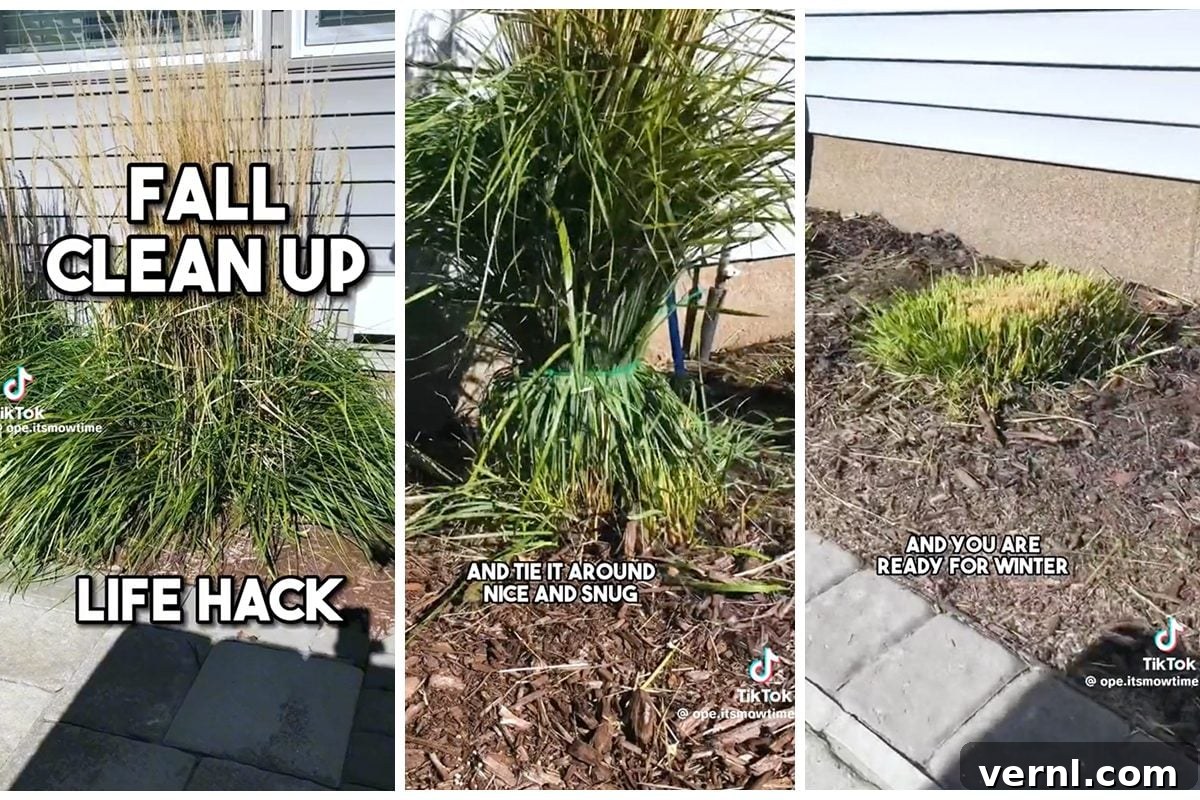
As the vibrant hues of summer gardens begin to recede, a distinct transition unfolds across landscapes. Gardeners worldwide turn their attention to a critical annual ritual: winterizing beloved plants. This essential process typically involves a thoughtful combination of watering, mulching, and strategic pruning. Among the many elements of a thriving garden, ornamental grasses stand out with their majestic presence. Their tall, graceful fronds, which have swayed with such elegance and provided dynamic texture throughout the warmer months, now start to fade, signaling the inevitable arrival of fall cleanup. The prospect of tackling these substantial grass clumps can often feel overwhelming, yet this meticulous trimming is a cornerstone for ensuring a vibrant, healthy garden come spring.
However, the sheer scale and density of certain plants, particularly large ornamental grasses, present unique challenges that can make pruning a daunting task. Fortunately, the world of online gardening communities often provides innovative solutions. A resourceful yard and garden enthusiast on TikTok, known by the handle @ope.itsmowtime, has unveiled a remarkably simple yet highly effective solution for taming these unwieldy grass bushes. He confidently asserts that implementing this clever hack dramatically reduced his “hours in the yard preparing for winter,” a claim that resonates deeply with many time-strapped gardeners.
The Enduring Allure of Ornamental Grasses: More Than Just a Pretty Face
So, what makes these massive grasses such a popular and valuable addition to countless yards and garden designs? Their appeal is multifaceted, extending far beyond their sheer visual impact. For starters, their aesthetic contribution is undeniable. They introduce an unparalleled sense of height, structure, and a distinct type of texture that traditional flowers and shrubs simply cannot replicate. Their linear forms, feathery plumes, and architectural silhouettes create captivating focal points and provide a crucial element of movement in the landscape, softening hardscaping and adding a natural, organic flow.
Beyond their striking beauty, ornamental grasses offer exceptional year-round appeal. Unlike many perennials that vanish with the first frost, grasses often maintain their form and interest through autumn and into winter. Imagine their dried stalks catching the golden light of a setting sun or standing resilient with a delicate dusting of frost, creating picturesque winterscapes that are just as engaging as their summer sway. This enduring presence ensures that your garden remains visually dynamic even during the dormant season.
Furthermore, their inherent toughness is a significant advantage. Once established, these resilient plants are remarkably low-maintenance. They generally require minimal watering, are often pest-resistant, and thrive in a variety of soil conditions. This robust nature means gardeners don’t have to fuss over them constantly, making the annual task of trimming one of the primary, albeit sometimes challenging, chores they demand. Their ability to naturalize and create privacy screens or windbreaks further cements their status as a versatile and invaluable component of sustainable landscape design.
Simplifying the Annual Trim: How to Effortlessly Prune Ornamental Grass
Traditionally, approaching a dense ornamental grass bush with a hedge trimmer or shears often results in a chaotic explosion of grass pieces scattered across the yard. This creates a laborious cleanup process, turning a necessary chore into a messy ordeal. The TikToker @ope.itsmowtime, however, reveals a method that transforms this daunting task into an instantly simpler operation, all by leveraging the humble “zip tie, a twine or a string.”
In his widely viewed demonstration, Ope illustrates his technique by securely tying a durable zip tie around the very base of a sizeable Karl Foerster grass bush. He emphasizes the importance of pulling the tie “nice and snug,” effectively bundling the entire plant into a compact, manageable column. With the grass securely contained, he then proceeds to trim the bush neatly below the zip tie using a hedge trimmer. This strategic bundling is the genius behind the hack; it ensures that all the cut grass remains tightly “wrapped together, ready to go into compost.” This eliminates the widespread mess, making collection and disposal incredibly efficient.
It’s crucial to remember one small but significant detail: after placing the bundled grass clippings into your compost bin or yard waste bag, make sure to carefully cut and remove the plastic zip tie. As plastic is not biodegradable, it should not be introduced into your compost system. Opt for biodegradable twine if you prefer an entirely compost-friendly solution, though zip ties remain perfectly effective if removed post-trim.
@ope.itsmowtime Life HACK for fall clean ups! 🤯 | Tie up the plant nice and snug, start trimming and say GOODBYE to the mess! 👋🏻 This saved me hours versus doing it the old way! #lawntok #lawntiktok #yardtips #yardwork #lifehack #lawntips #hedgetrimmer #grasstok #grasstiktok ♬ FEEL THE GROOVE – Queens Road, Fabian Graetz
Essential Tools for Trimming Ornamental Grasses
While the bundling hack makes the process cleaner, having the right tools is paramount for efficiency and plant health. For most ornamental grasses, a sturdy pair of hedge trimmers is ideal. You can opt for manual hedge shears for smaller clumps or if you prefer a more controlled cut, but for larger, denser grasses, electric or battery-powered hedge trimmers will save you considerable time and effort. For particularly thick stems or a few errant, tough stalks, a pair of sharp loppers might also come in handy. Always ensure your tools are clean and, most importantly, razor-sharp to make quick, clean cuts that minimize stress on the plant.
A Few Pitfalls to Avoid for a Healthy Spring Revival
While the task of trimming ornamental grasses is generally straightforward, it’s surprisingly easy to make a few common missteps that can negatively impact your plants’ health and vigor. By being aware of and actively avoiding these errors, you can ensure your beloved grasses bounce back with renewed enthusiasm and robust growth next spring.
- Giving it a Buzzcut: Pruning Too Low
It’s incredibly tempting to cut your ornamental grass right down to the ground, aiming for a super-neat finish. However, resist this urge! Doing so can severely damage the crown—the vital base of the plant where all new growth originates. This crown is essentially the plant’s heart, and exposing it completely to harsh winter elements like freezing winds, ice, and fluctuating temperatures can cause significant stress or even kill the plant. Instead, aim to leave a few inches (typically 4-6 inches) of stubble. This remaining foliage acts as a natural protective barrier, shielding the delicate crown from the worst of winter’s wrath and ensuring a strong, healthy flush of new growth when spring arrives. - Using Dull Tools: The Enemy of Clean Cuts
Attempting to hack away at tough grass stems with dull shears or trimmer blades is a recipe for disaster. Dull tools don’t cut cleanly; they tear, fray, and shred the grass blades, leaving behind a jagged, ugly mess. This not only makes the job considerably harder and more physically demanding for you, but it’s also detrimental to the plant’s health. Ragged cuts create open wounds that are highly susceptible to disease, fungal infections, and pest infestations. Investing a little time in sharpening your tools (or having them professionally sharpened) or using fresh, sharp blades will result in clean, precise cuts. These clean cuts heal faster, are healthier for the plant, require less effort from you, and look far more aesthetically pleasing. - Jumping the Gun: Pruning Too Early
The excitement of fall cleanup can sometimes lead to premature pruning. If you cut down your ornamental grasses too early, particularly while the blades are still largely green, you interrupt a crucial biological process. During the late fall, as temperatures drop, ornamental grasses actively reabsorb vital nutrients and energy from their fading foliage and store it in their root systems for winter dormancy. This process is essential for their survival and vigorous regrowth in the spring. Cutting them back prematurely robs the plant of this critical nutrient storage opportunity, potentially weakening it and leading to lackluster performance the following season. Patience is indeed a virtue here; wait until the foliage has fully turned brown and appears completely dormant before you reach for your trimmers.
Comprehensive Winterization: Beyond the Ornamental Grasses
Once you’ve masterfully tackled your ornamental grasses using smart techniques, remember that a truly resilient and thriving garden requires a holistic approach to winterization. Neglecting other vital elements of your yard can undo much of your hard work or lead to preventable issues come springtime. A little time and effort invested now can serve as an invaluable insurance policy against numerous home and garden disasters.
Consider extending your winterizing efforts to other areas:
- Your Vegetable Garden: Prepare beds for next season, clear debris, and consider cover crops or mulching to enrich soil and prevent erosion. Consult specific guides for winterizing your vegetable garden.
- Your Lawn: Perform a final mow, fertilize appropriately, and address any bare spots to ensure a lush green carpet next year. Learn more about winterizing your lawn.
- Your Home’s Exterior: Check gutters, seal drafts, and protect outdoor faucets to prevent costly winter damage. Explore tips for winterizing your house.
- Garden Tools and Hoses: Clean, dry, and store tools properly, and drain and coil your garden hoses to prevent freezing and cracking. See our guide on how to winterize and store garden hoses.
Taking these extra steps ensures not just a beautiful garden but also protects your property from potential cold-weather damage, setting the stage for a magnificent spring bloom.
Frequently Asked Questions About Ornamental Grass Care
Why is it important to trim ornamental grasses?
According to landscaping experts like The Grounds Guys, cutting back ornamental grasses offers a multitude of benefits essential for both garden aesthetics and plant health. Foremost, it contributes to a tidy, well-maintained, and aesthetically pleasing lawn and garden, preventing last year’s decaying foliage from detracting from new growth. Pruning also helps prevent certain grass species from self-seeding excessively and spreading to unwanted areas, maintaining your desired garden design. Most critically, it encourages robust, fresh foliage to grow vigorously in the spring, allowing the plant to redirect its energy into producing strong, healthy new shoots rather than maintaining old, dormant ones. It also removes any potential overwintering sites for pests and diseases, contributing to overall plant resilience.
When is the optimal time to trim ornamental grasses?
The best time to trim ornamental grasses largely depends on the specific species and your personal aesthetic preferences. For most warm-season ornamental grasses, a good general rule is to trim them back in late fall or early winter, once their foliage has fully turned brown and gone dormant. This ensures the plant has had ample time to reabsorb nutrients into its root system, and it clears the way for healthy new growth in the spring.
However, cool-season grasses behave differently; they typically remain attractive through the cold months and often resume growth very early in spring. These varieties do not need to be trimmed until late winter or very early spring, just before new shoots begin to emerge. Waiting until spring allows you to enjoy their winter texture and provides some habitat for wildlife. Ultimately, the timing for trimming can also come down to personal preference. If you prefer a neat and tidy garden through the winter, trim your grasses in the fall. If you enjoy the architectural interest and delicate beauty of faded grasses coated in snow or ice, then waiting until just before new growth starts in late winter or early spring is perfectly acceptable and often encouraged by naturalistic gardeners.
What about different types of ornamental grasses? Do they all need trimming?
While most perennial ornamental grasses benefit from an annual trim, there are nuances. Clumping grasses, which grow in distinct mounds (like Miscanthus, Pennisetum, or Karl Foerster feather reed grass), are generally the ones you’ll be trimming back. Spreading grasses, on the other hand, which tend to colonize areas more aggressively, sometimes require division rather than just a simple trim to control their spread. Additionally, some evergreen or semi-evergreen ornamental grasses, like certain sedges or Mondo grass, may only need a light clean-up of dead blades rather than a full cut-back. Always check the specific care requirements for the varieties you grow.
Is it ever okay NOT to trim ornamental grasses?
While generally recommended for health and aesthetics, there are instances where you might choose not to trim ornamental grasses. If you’re aiming for a highly naturalized garden, or if your grasses are in a very wild area of your landscape, leaving them untrimmed can provide valuable winter interest, especially with snow or frost. The dried foliage also offers shelter and food sources for birds and other small wildlife during the colder months. However, be aware that untrimmed grasses can look messy by late spring, and old, dead foliage can sometimes harbor pests or diseases. If you do opt not to trim, be prepared for a more rigorous cleanup of decaying material in early spring.