
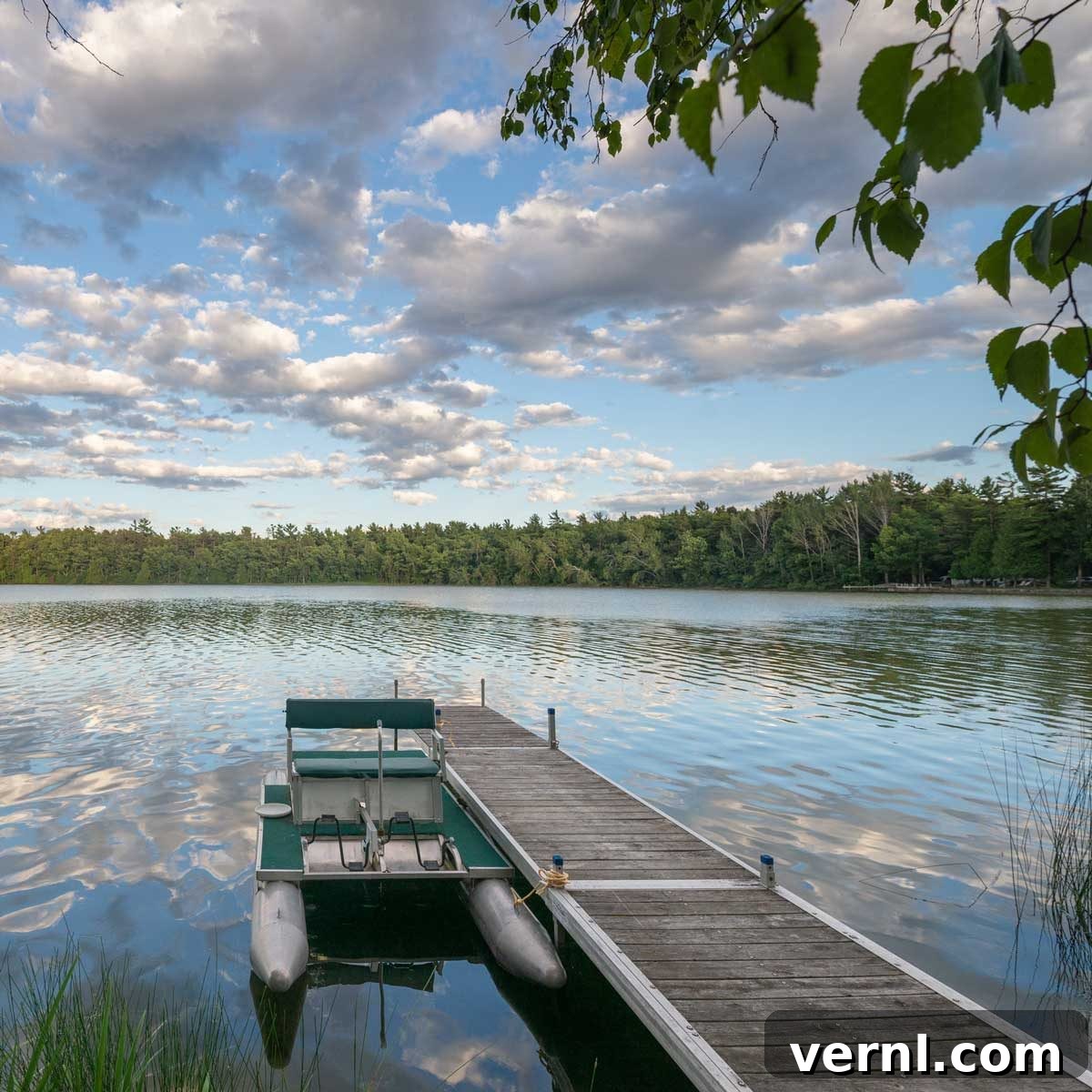
For any proud owner of lakeshore property, the dream of seamlessly integrating with the water often begins with a single, essential structure: a dock. More than just a landing spot for your boat, a well-chosen dock transforms your waterfront into an extended living space, a gateway to early morning cruises, tranquil fishing sessions, and unforgettable lakeside memories. Imagine stepping directly from your property onto a sturdy platform, untying your vessel, and gliding across the calm water as the sun rises, only to return for a leisurely breakfast ashore. This idyllic vision is entirely attainable, but it hinges on making an informed decision about the right dock for your unique property and lifestyle.
The journey to selecting the perfect dock begins with a comprehensive understanding of the diverse types available. Each dock design comes with its own set of characteristics, suited for different lakebed conditions, water depths, climates, and usage needs. By familiarizing yourself with the pros and cons of permanent versus removable structures, and the nuances of various construction methods, you can confidently choose a dock that not only enhances your property’s value and functionality but also provides years of enjoyment and minimal hassle. Let’s explore the foundational types of docks to help you navigate this important investment.
Understanding the Landscape: Types of Docks for Your Waterfront
Docks are broadly categorized into two main types: permanent and removable. The choice between these fundamental categories is often dictated by a confluence of factors, including your specific geographic location, the prevailing weather conditions, local environmental bylaws, and your personal willingness to engage in seasonal dock maintenance, which may involve removing your dock from the water at the end of each season to protect it from ice damage or comply with regulations.
Permanent Docks: Built to Last
Permanent docks are designed for long-term installation, offering unparalleled stability and a robust presence on the water. These structures are ideal for property owners seeking a truly enduring solution that can withstand various environmental pressures year-round. While the initial investment and installation can be more significant, the long-term benefits of a low-maintenance, always-ready dock often outweigh the upfront costs for many homeowners.
Pile Docks: The Ultimate Foundation
Among the sturdiest and most permanent dock solutions are pile docks. These impressive structures derive their exceptional strength from a foundation of robust concrete, steel, or treated timber pilings. These pilings are meticulously drilled or driven deep into the lake bottom, creating an unyielding anchor that can withstand significant forces from waves, wind, and even minor ice movements. Their inherent stability allows for the construction of extensive decking and even additional structures, truly maximizing your waterfront space.
Many property owners choose to enhance their pile docks with protective roofs, transforming them into functional boathouses or shaded lounging areas that offer respite from the sun. Some ambitious designs even incorporate enclosed rooms, creating an exceptional extension of your cabin’s living space directly over the water. This level of customization and protection adds significant value and utility to your property, though it naturally contributes to the overall maintenance routine.
Pros of Pile Docks:
- Exceptional Strength and Stability: Unmatched in their ability to withstand harsh weather conditions and heavy usage, offering a very solid feel underfoot.
- One-Time Installation: Once installed, they typically require no annual removal or reinstallation, saving significant time and labor each season.
- Supports Extensive Structures: Capable of bearing substantial weight, allowing for the addition of roofs, gazebos, seating areas, and even enclosed structures, enhancing functionality and aesthetics.
- Durable and Long-Lasting: Constructed from robust materials designed for marine environments, ensuring many decades of service.
Cons of Pile Docks:
- Inflexibility with Water Levels: Fixed height means they cannot be adjusted for fluctuating water levels, potentially leaving boats too high or too low relative to the dock surface during significant changes.
- Vulnerability to Heavy Ice: In lakes prone to thick, shifting ice formations, pile docks can be susceptible to damage from ice scour and pressure, requiring specific design considerations or protective measures.
- Highest Initial Cost: Generally the most expensive dock type due to the specialized equipment, labor, and materials required for installation.
- Requires a Firm Lake Bottom: Dependent on a stable, firm lakebed composition (rock, hard clay, packed sand) for proper anchoring and long-term stability. Unsuitable for soft, muddy bottoms.
- Complex Installation: Requires professional installation with specialized equipment, making it a more involved and lengthy process.
Crib Docks: The Rustic, Enduring Choice
Similar to pile docks in their permanent nature, crib docks are another testament to robust, enduring construction. Instead of relying on slender pilings, crib docks are founded upon massive, heavy boxes known as “cribs.” These cribs are typically constructed from thick, interlocking timber beams and are then strategically sunk into the lakebed and filled with heavy stones, creating an incredibly stable and substantial base. The cribs are built up as close as possible to the water’s surface, upon which the dock frame and decking are then installed. This method harkens back to traditional dock building techniques and offers a distinct, rustic aesthetic.
Crib docks are renowned for their exceptional load-bearing capacity and ability to withstand the forces of nature, often requiring very little maintenance once established. They become an integral, immovable part of the shoreline, offering a truly solid and dependable platform for all your waterfront activities. Their construction often involves significant environmental impact and regulatory hurdles due to the large footprint and material displacement on the lakebed, making pre-planning and permitting absolutely crucial.
Pros of Crib Docks:
- Exceptional Strength and Stability: Considered among the strongest and most solid dock structures, capable of supporting immense loads and resisting severe weather.
- Supports Heavy Loads: Ideal for properties requiring substantial platforms for multiple large boats, heavy equipment, or extensive recreational use.
- Doesn’t Require Specialized Hardware: While requiring skilled labor, the construction doesn’t typically rely on highly specialized, proprietary anchoring hardware like some other permanent docks.
- Long Lifespan: When properly constructed with durable timbers and stone, a crib dock can last for generations.
Cons of Crib Docks:
- Difficult and Expensive to Construct: The process is labor-intensive, requires heavy machinery, and can be very costly due to the volume of materials and specialized installation techniques.
- Extremely Difficult to Repair: Due to their massive and integrated nature, any significant damage or need for repair is complex, costly, and often requires specialized marine construction expertise.
- Depth Limitations: Generally not suitable for very deep water, as the cribs need to be built up from the lakebed to near the surface. Typically limited to waters several meters deep.
- Vulnerable to Changing Water Levels: Like pile docks, their fixed height makes them susceptible to issues if water levels fluctuate dramatically, impacting boat access and clearance.
- Significant Environmental Impact: The large footprint and displacement of natural lakebed can lead to environmental concerns and strict permitting requirements.
Removable Docks: Flexibility and Adaptability
Removable docks offer a practical and often more affordable solution for many waterfront property owners, particularly those in regions with freezing winters. These docks are designed to be installed at the beginning of the recreational season and then either partially disassembled or entirely removed from the water before the onset of heavy ice. This seasonal approach protects the dock from potential damage caused by expanding and shifting ice, thereby extending its lifespan and reducing long-term repair costs. The ease of installation and removal varies significantly between different types of removable docks, impacting the amount of annual effort required.
Floating Docks: Simplicity on the Water
The simplest and most common type of residential dock, floating docks offer unparalleled adaptability, making them an excellent choice for a variety of lakefront conditions. As their name suggests, these docks are designed to float on the water’s surface, making them inherently flexible with changing water levels. Their buoyancy is typically achieved through sealed plastic pontoons, foam-filled modules, or a combination of either with a wooden or aluminum frame and decking. This modular design often allows for easy expansion or reconfiguration.
Floating docks are particularly well-suited for shorelines with soft, muddy bottoms where permanent pilings or cribs would be impractical or excessively costly to install. They simply rest on the water, usually anchored to the shoreline and sometimes with additional weights or chains to prevent drifting. Their installation typically involves less specialized equipment and can often be a DIY project for handy homeowners.
Pros of Floating Docks:
- Relatively Inexpensive: Generally the most budget-friendly option to purchase and install, especially for basic configurations.
- Simple Installation: Requires no underwater legs, frames, or piers, simplifying the setup process. Can often be installed and removed with minimal equipment.
- Adapts to Water Levels: Automatically rises and falls with fluctuating water levels, ensuring consistent boat access and dock height relative to the water.
- Suitable for Soft/Muddy Bottoms: Ideal for lakebeds where installing fixed supports is not feasible.
- Versatile and Expandable: Often modular, allowing for easy expansion or reconfiguration as needs change.
Cons of Floating Docks:
- Can Be Damaged by Waves: Repeated pounding from strong waves can cause wear and tear, leading to structural fatigue over time. May feel less stable than fixed docks.
- Not Ideal for Gradual Depths: While adapting to varying depths, in very shallow areas that gradually deepen, the dock might ground out or sit awkwardly, making boat access difficult unless extended significantly.
- Requires Annual Removal in Cold Climates: In regions with thick winter ice, floating docks absolutely need to be removed each year to prevent ice damage (learn how to prepare a boat dock for winter). This is a seasonal chore that requires effort and storage space.
- Less Stable than Fixed Docks: May exhibit more movement in choppy water, potentially feeling less secure underfoot.
- Anchor Reliance: Dependent on effective anchoring systems to prevent drifting, which can require maintenance.
Pipe Docks (Sectional/Removable Leg Docks): The Best of Both Worlds
Often considered a hybrid between floating and permanent docks, pipe docks (also commonly known as sectional docks or removable leg docks) offer a compelling balance of stability and seasonal flexibility. These docks typically consist of rigid frames, usually made from lightweight yet strong aluminum or durable wood, supported by adjustable aluminum or galvanized steel pipe legs. These legs rest directly on the bottom of the lake, providing a firm and stable platform that feels much more solid than a floating dock.
While they offer greater resistance to wind and waves than their floating counterparts, pipe docks are fundamentally designed for seasonal removal. Their sectional design allows them to be disassembled into manageable sections, making the process of taking them out of the water before thick ice forms (and reinstalling them in spring) a feasible task, often manageable by a few individuals. This makes them a popular choice for homeowners who want a sturdy dock but need to protect their investment from winter’s harsh elements.
Pros of Pipe Docks:
- Strong and Sturdy: Provides a much more stable and solid feel underfoot compared to floating docks, resisting movement from waves and wind more effectively.
- Relatively Simple to Install and Remove: Designed in sections, they can be installed and removed seasonally, often without professional help, making winterization manageable.
- Removable for Winter Protection: Essential in cold climates to prevent ice damage, preserving the dock’s integrity and extending its lifespan.
- Adjustable Height: The pipe legs can often be adjusted to accommodate minor changes in water depth or to level the dock surface, offering some flexibility.
- Moderate Cost: Typically falls in between floating docks and permanent pile docks in terms of initial investment.
Cons of Pipe Docks:
- Requires a Firm Lake Bed: Like permanent docks, pipe legs need a reasonably firm lake bottom (sand, gravel, rock, hard clay) to sit on securely and prevent sinking or shifting. Unsuitable for very soft, muddy bottoms.
- Depth Limitations: Most pipe docks are designed for water depths roughly eight to 12 feet deep or less, as longer legs become unwieldy and less stable. Special extensions might be available for slightly deeper water but add complexity.
- Sensitivity to Water Level Fluctuations: While some adjustment is possible, significant and rapid changes in water level can still impact your boat’s position relative to the dock surface, making it ride too high or too low if not manually adjusted.
- Annual Labor: Requires regular seasonal effort for installation and removal, which can be physically demanding.
- Storage Requirements: The disassembled sections need adequate storage space during the off-season.
How to Choose the Best Dock for Your Cabin: Key Considerations
Selecting the ideal dock style for your cabin or lakeshore retreat is a decision that involves weighing multiple factors unique to your property and preferences. There isn’t a one-size-fits-all solution; what works perfectly for one waterfront may be entirely unsuitable for another. A thoughtful evaluation of your shoreline characteristics, local environment, budget, and desired usage will guide you toward the perfect dock system.
1. Shoreline and Lakebed Characteristics
The physical attributes of your lake shore and the underwater terrain are paramount in determining dock suitability:
- Water Depth and Profile:
- For a lake shore with a gradual depth increase, especially if it remains shallow for a considerable distance, floating docks or extensive pipe dock sections might be the most practical options.
- If the shoreline drops off quickly into deep water, pile docks or crib docks might be considered, provided the lakebed is firm enough. Floating docks also work well in deeper water as they don’t require bottom support.
- Fluctuating water levels heavily favor floating docks, which adjust automatically. Fixed docks (pile, crib) are less forgiving of significant water level changes.
- Lake Bed Composition:
- A soft, muddy, or silty bottom makes permanent docks (pile, crib) that rely on deep anchoring highly problematic or impossible without extensive and costly foundation work. In such cases, floating docks will probably work best, as they don’t penetrate the bottom.
- Docks that rely on underwater supports, such as pile docks, pipe docks, and crib docks, need a firm lake bed (rock, hard clay, packed sand, gravel) to avoid gradual sinking, shifting, or instability.
- Exposure to Wind and Waves:
- If your property is exposed to strong winds, heavy boat traffic, or large waves, a more robust and stable dock type like a pile or crib dock will provide superior stability.
- Floating docks are more susceptible to movement and potential damage from constant wave action, although heavy-duty commercial-grade floating docks can mitigate this. Pipe docks offer a good compromise for moderate exposure.
- Currents: Strong river-like currents can put stress on any dock. Permanent docks are generally more resistant, but floating docks may require more robust anchoring.
2. Climate and Environmental Factors
Your local climate plays a critical role in the type of dock you should consider:
- Ice Formation:
- In regions where lakes freeze solid and experience heavy, moving ice, non-removable docks (pile, crib) are highly vulnerable to significant damage from ice scour and pressure. While some permanent docks are specifically engineered to withstand ice, this often adds considerable cost and complexity.
- Removable docks (floating, pipe) are typically the safest and most economical choice in cold winter climates, as they can be stored safely on shore during the freezing months.
- Storm Activity: Beyond ice, consider the frequency and intensity of severe storms, high winds, and heavy rainfall, which can test the resilience of any dock structure.
3. Local Regulations and Permitting
This is arguably one of the most crucial steps. Regardless of your shoreline situation, thoroughly research local bylaws and environmental regulations concerning dock size, shape, style, materials, and precise location. These rules are put in place to protect ecosystems, navigation, and property rights, and they vary significantly from one municipality, county, or state to another. Checking with your county authorities, state environmental protection agencies, or local water management districts is absolutely essential and could save you a tremendous amount of money, hassle, and potential legal issues down the line. Permits are almost always required for any dock construction or major modification.
- Size and Length Restrictions: Many areas limit how far a dock can extend into the water or its overall footprint.
- Material Restrictions: Some jurisdictions may have restrictions on treated lumber or certain types of foam flotation to protect water quality.
- Environmental Impact: Regulations often aim to minimize impact on aquatic vegetation, fish spawning areas, and natural habitats.
- Permanent vs. Removable Mandates: Some areas may prefer or even mandate removable docks due to ice or environmental concerns.
- Navigational Clearances: Docks must not impede boat traffic or access.
4. Budget and Long-Term Costs
Your financial commitment involves more than just the initial purchase price:
- Initial Cost: This includes materials, labor, installation, and permitting fees. Floating docks are generally the least expensive upfront, followed by pipe docks, with pile and crib docks being the most significant initial investment.
- Ongoing Costs: Consider annual maintenance (cleaning, repairs, replacing decking), winterization (removal, storage, reinstallation for removable docks), and potential insurance costs. While permanent docks have higher initial costs, their long-term maintenance can sometimes be lower than the annual effort and potential wear-and-tear of removable docks.
5. Intended Usage and Lifestyle
How you plan to use your dock greatly influences the best choice:
- Type and Size of Boats:
- If you primarily use kayaks, paddleboards, or small fishing boats, a simpler floating or pipe dock might suffice.
- For larger vessels, multiple boats, or the need for boat lifts, a more substantial and stable structure like a pile or crib dock might be necessary.
- Activities:
- Will the dock be purely functional for boat access, or will it be a primary area for swimming, sunbathing, entertaining guests, or fishing?
- Docks intended for extensive lounging and entertaining might benefit from the stability and space offered by permanent docks, or a wider, multi-section floating dock.
- Desired Features: Do you envision benches, ladders, lighting, roofs, or integrated boat lifts? These additions are more easily accommodated by robust, permanent structures.
- Maintenance Willingness: Are you prepared for the annual effort of installing and removing a dock, or do you prefer a “set it and forget it” solution, even if it comes with a higher initial cost?
6. Aesthetics and Property Integration
Finally, consider how the dock will look and feel as part of your overall lakeshore property. Does it complement the architectural style of your cabin? Does it blend harmoniously with the natural surroundings, or does it stand out as a prominent feature? Materials like treated wood, composite decking, aluminum, or concrete all offer different visual appeals and maintenance profiles. The aesthetic integration of your dock can significantly enhance the overall appeal and value of your waterfront home.
Making an informed decision about your dock is an investment in your waterfront lifestyle. By carefully evaluating these factors—shoreline characteristics, climate, regulations, budget, usage, and aesthetics—you can select a dock that will serve you faithfully for years, becoming the heart of your lakeside enjoyment and a cherished extension of your cabin’s charm.