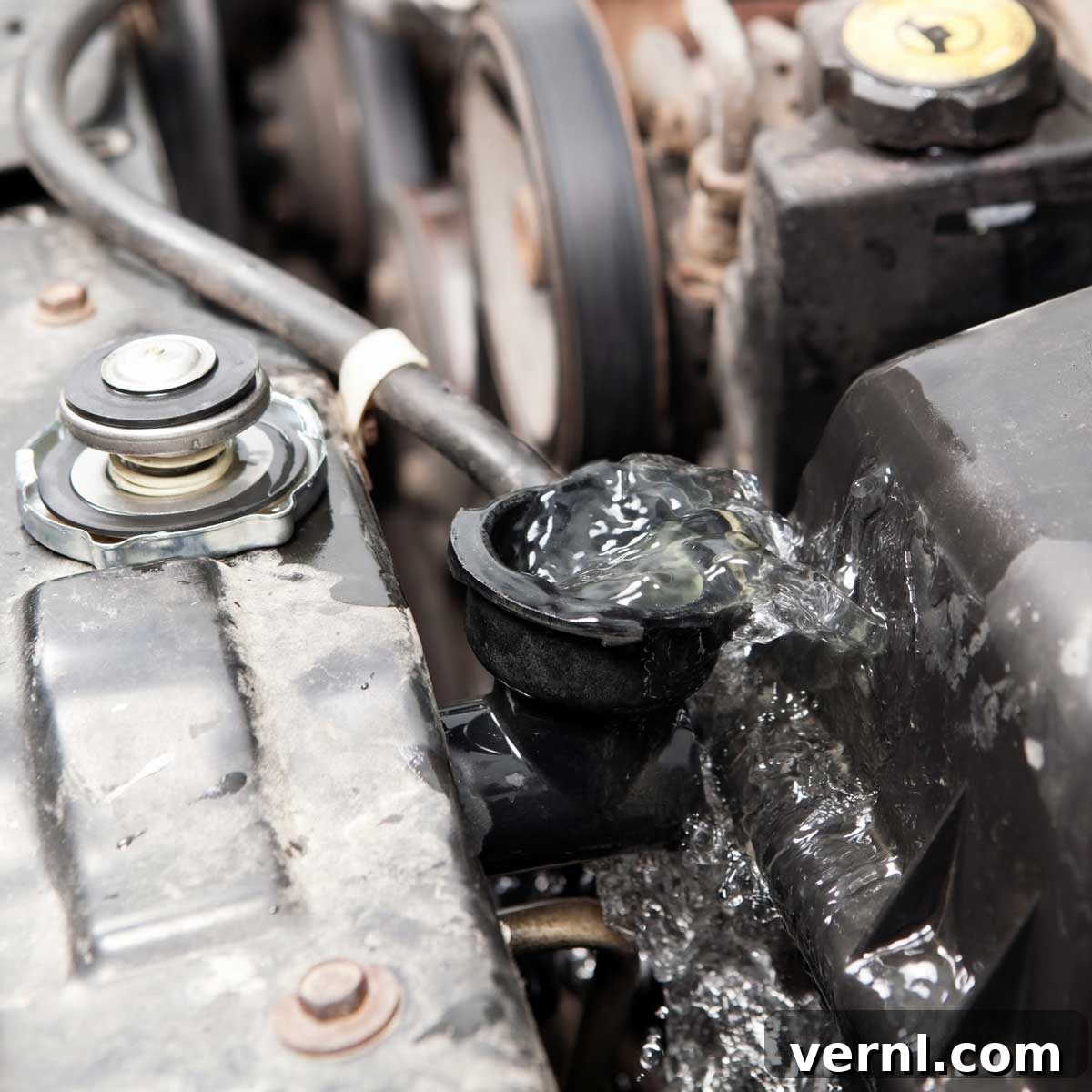
Your vehicle is a complex machine, relying on a sophisticated array of fluids to operate smoothly, efficiently, and safely. Over time, these vital automotive fluids—along with the crucial chemical additives that protect your car’s intricate components from wear, corrosion, and extreme temperatures—inevitably break down and decompose. Neglecting fluid maintenance can lead to costly repairs, diminished performance, and even dangerous driving conditions. Adhering to your vehicle manufacturer’s recommended service intervals for flushing these fluids isn’t just a suggestion; it’s the easiest, most cost-effective, and most impactful way to significantly extend the life of your vehicle, enhance its reliability, and make every journey safer and more enjoyable.
Understanding the nuances of vehicle fluid maintenance, particularly the difference between a simple fluid change and a comprehensive fluid flush, is fundamental to proactive car care. This guide will provide you with essential insights into what you need to know about fluid flushes, why they are critical, and how they contribute to your vehicle’s overall health and longevity.
Fluid Change vs. Fluid Flush: What’s the Difference?
When it comes to vehicle fluid maintenance, the terms “fluid change” and “fluid flush” are often used interchangeably, but they represent distinct levels of service with different outcomes for your car’s systems.
Understanding a Fluid Change
A fluid change is the more common and generally simpler procedure. It involves draining the old, degraded fluid from a specific reservoir or system and refilling it with new, fresh fluid. The most familiar example of this is a routine motor oil change. During an oil change, the old oil is drained from the engine’s oil pan, the oil filter is usually replaced, and the crankcase is refilled with new motor oil. While effective for regular maintenance, a fluid change typically leaves a portion of the old, contaminated fluid—along with any associated sludge or deposits—within the system’s intricate passages, lines, and components that cannot be fully drained by gravity alone.
Understanding a Fluid Flush
A fluid flush, on the other hand, is a more thorough and comprehensive process designed to completely purge the old fluid and any accumulated contaminants from the entire system. It adds one or more critical steps between draining the old fluid and refilling with new fluid. For a fluid flush, specialized equipment is often used to circulate a cleaning agent or fresh fluid under pressure through the system, ensuring that all the old, dirty, or contaminated fluid, along with any built-up sludge, rust, scale, or particles, is thoroughly cleaned out and expelled. Only then is the system refilled with entirely new, clean fluid.
A classic example of a fluid flush is for your vehicle’s cooling system. After draining the old coolant, a flush procedure might involve filling the radiator with clean water or a dedicated flushing chemical, running the engine to circulate it, and then draining this solution. This rinsing process is often repeated until the expelled liquid runs clear, indicating that the system is free of rust, scale, and old coolant. Only after this thorough cleansing is the system refilled with new anti-freeze.
When is a Flush Recommended?
While any vehicle fluid can be changed, flushing is highly recommended—and often critical—for systems where complete removal of contaminants is essential for proper function and longevity. This particularly applies to coolant, brake fluid, and transmission fluid, due to their hygroscopic nature, susceptibility to heat degradation, and the vital role they play in vehicle safety and performance.
To determine if a fluid needs a simple change or a more intensive flush, a quick visual inspection can often provide valuable clues. Use a clean white paper towel to dab a small sample of the fluid. If the fluid is merely dirty and shows signs of normal degradation (e.g., dark motor oil), a change might suffice. However, if the fluid appears tainted, contaminated with particles, discolored beyond its normal range, or has sludge, a flush is almost certainly necessary to restore the system to optimal health.
Coolant System Flush: Protecting Your Engine’s Core
Coolant, typically a 50/50 mix of water and anti-freeze, is the lifeblood of your engine’s cooling system. It circulates throughout the engine block, cylinder head, radiator, and heater core, playing a critical role in maintaining the optimum engine operating temperature. Beyond preventing freezing in winter and overheating in summer, anti-freeze contains vital rust and corrosion inhibitors and lubricating properties that protect sensitive internal components like the water pump and radiator from degradation. Over time, these crucial additives deplete, rendering the coolant less effective and leaving your engine vulnerable.
Signs Your Coolant Needs Attention
When coolant deteriorates, its ability to transfer heat efficiently diminishes, leading to issues like engine overheating and poor heater output inside the cabin. Furthermore, the loss of corrosion inhibitors can lead to significant internal damage. Anti-freeze comes in many colors, but regardless of its original hue, a clear indication that your coolant needs flushing is if it appears murky, has visible sludge in it, or if you notice rust buildup in the radiator, under the radiator cap, or within the coolant reservoir tank. These signs point to significant degradation and potential damage to your cooling system components.
The Benefits of a Coolant Flush
A regular DIY coolant flush, typically recommended every three to five years or 30,000 to 50,000 miles (check your owner’s manual for precise intervals), effectively removes accumulated rust, scale, and spent inhibitors. This proactive maintenance helps prevent coolant leaks by keeping passages clear, safeguards your water pump and thermostat, and significantly reduces the risk of major engine mechanical problems stemming from overheating. Performing a DIY flush is a cost-effective solution, often costing less than $30 for the necessary fluids and simple tools. Professional repair shops, equipped with specialized flushing machines, can perform the job efficiently and thoroughly, usually costing around $130, and offering peace of mind.
Brake Fluid Flush: Essential for Stopping Power and Safety
Brake fluid is arguably one of the most critical fluids in your vehicle, directly impacting your ability to stop safely. Its primary function is to transfer the force you apply to the brake pedal into hydraulic pressure that actuates the brake calipers or wheel cylinders, engaging the brake pads against the rotors or shoes against the drums. However, brake fluid has a unique and problematic property: it is hygroscopic, meaning it readily absorbs moisture from the air. Even in a seemingly tightly sealed system, tiny amounts of moisture can permeate through hoses and seals over time.
The Dangers of Contaminated Brake Fluid
Moisture contamination is the enemy of brake fluid. As water mixes with the fluid, it drastically lowers the brake fluid’s boiling point. Under the intense heat generated during heavy braking, this water can turn to vapor. Since vapor is compressible, unlike fluid, a vapor lock can occur in the brake lines, leading to a spongy brake pedal, reduced braking efficiency, and ultimately, brake fade. Brake fade causes the brake pedal to travel further towards the floor, greatly increasing stopping distances and putting you and others at severe risk.
Beyond performance issues, moisture in the brake fluid promotes rust and corrosion within the brake system’s metal components, including the master cylinder, calipers, wheel cylinders, and ABS module. This internal corrosion can lead to premature failure of expensive brake parts and compromised braking ability.
When to Flush Your Brake Fluid
Regularly checking your brake fluid is crucial. The fluid should typically be a clear yellowish to light brown color. If the fluid appears dark, murky, or has black gritty “floaters”—which often indicate deteriorating rubber seals from the master cylinder or other components—it’s a strong sign of contamination. Additionally, inspect the master cylinder reservoir cap gasket; if it’s mushy or swollen, it also suggests fluid degradation. In these cases, it’s imperative to have your repair shop flush and replace the brake fluid and potentially the reservoir cap gasket. Depending on your vehicle’s make and model, a professional brake fluid flush can range from $85 to $120, a small price to pay for ensuring optimal stopping power and safety.
Automatic Transmission Fluid (ATF) Flush: Maintaining Smooth Shifts
Automatic Transmission Fluid (ATF) is a highly specialized fluid that performs multiple critical functions within your vehicle’s transmission system. It acts as a lubricant for moving parts, a hydraulic fluid to actuate gear changes, a coolant to dissipate heat generated by friction, and a medium for power transfer through the torque converter. Given these demanding roles, ATF is designed with a complex blend of detergents, dispersants, anti-wear agents, and friction modifiers. Over time, high temperatures, friction, and the sheer mechanical demands on the transmission cause these additives to break down and the fluid itself to degrade.
Signs of Deteriorated ATF
Healthy ATF should typically be a light red or pinkish color, clear, and possess a sweet aroma. As it degrades, dirty ATF will become deep red to dark brown, often emitting a burnt odor. When ATF loses its ability to properly lubricate internal parts and cannot effectively dissipate heat, several problems arise. It can lead to the buildup of sludge and varnish within the transmission, impeding the precise operation of valves and clutches. This can manifest as noticeable symptoms such as slipping gears, harsh or delayed shifting, shuddering, or even complete transmission failure. Given that transmission repairs can be among the most expensive for any vehicle, proactive ATF maintenance is paramount.
ATF Change vs. Flush
There are two primary methods for servicing automatic transmission fluid. Like an oil change, ATF can be partially drained by removing the transmission pan and replacing the filter. However, this method typically leaves a significant amount (three to six quarts) of old ATF, along with any suspended contaminants, trapped within the torque converter and cooler lines. This means the new fluid is immediately mixed with a substantial portion of the old, degraded fluid.
For a more thorough service, you can have your repair shop perform a complete ATF flush. This procedure uses specialized equipment to completely purge all the old fluid from the entire transmission system, including the torque converter and cooler lines, before refilling it with all new fluid. While a simple ATF change (pan drop and filter replacement) might cost $75 to $150, a complete transmission fluid flush, which offers superior protection and longevity, typically ranges from $125 to $300. Always refer to your owner’s manual for recommended service intervals and the specific type of ATF required for your vehicle.
Motor Oil Flush: A Last Resort for Engine Health
Regular oil and filter changes are the single most important preventative maintenance task you can perform to protect your engine. Motor oil lubricates moving parts, cools the engine by carrying away heat, cleans by suspending contaminants, and seals gaps between components. Consistent oil changes, performed at manufacturer-recommended intervals with the correct oil viscosity and type, are the best defense against engine wear and sludge buildup.
When a Motor Oil Flush Might Be Considered
While regular oil changes are primary, there are extreme circumstances where a motor oil flush might be considered. If your motor oil is excessively thick, black, chunky, or if you’re experiencing severe symptoms caused by heavy sludge buildup due to prolonged neglect or improper oil, such as smoke out of the tailpipe, persistent oil leaks, the oil light illuminating frequently, erratic oil pressure readings, or the Check Engine light coming on for oil-related issues, then flushing the motor oil and engine crankcase becomes an option.
Risks and Recommendations
It’s critical to understand that flushing the motor oil is usually a last-ditch effort to rescue a severely poorly-maintained engine. Unlike other fluid flushes, an engine oil flush can carry significant risks. The powerful detergents in flushing agents can dislodge large chunks of sludge, which might then clog narrower oil passages, the oil pickup screen, or the oil filter, potentially leading to oil starvation and catastrophic engine failure. For this reason, an engine flush should almost always be left to experienced professionals who can assess the risks and determine if it’s a viable option for your specific engine condition. An engine flush at a repair shop can cost well over $100 and should only be pursued after careful consideration and professional advice.
Power Steering Fluid (PSF) Flush: For Effortless Control
Power steering fluid (PSF) is integral to your vehicle’s steering system, significantly reducing the effort required to turn the steering wheel. This hydraulic fluid transmits pressure from the power steering pump to the steering rack or gearbox, providing power assistance. Like other automotive fluids, PSF is subjected to immense heat, friction, and pressure within the power steering system, leading to its gradual degradation over time.
Assessing Your Power Steering Fluid
Always consult your owner’s manual to determine if your vehicle’s manufacturer recommends flushing the PSF or if only a regular check and top-off is advised. If a flush is recommended or becomes necessary, visually inspect the PSF fluid level and color. Healthy PSF should typically be reddish or light brown and clear. As it degrades, it will darken and may develop a burnt odor.
Power steering fluid breaks down from normal operation, especially with constant heat cycles and the friction generated by the power steering pump and other components. If the fluid shows clear signs of contamination—such as turning black due to degrading rubber hoses or developing a silvery sheen from internal metallic parts slowly grinding against each other—it’s a strong indicator that a system flush is needed. Furthermore, if you notice your power steering is becoming noisy (e.g., a whining or groaning sound when turning the wheel) or if it takes noticeably more effort to turn the steering wheel, these are also critical signs that your PSF is compromised and the system requires attention.
DIY vs. Professional PSF Flush
While you might be able to empty the power steering fluid reservoir using a turkey baster and refill it with new, clean fluid (a partial change that costs less than $20 for fluid), this method only replaces a fraction of the fluid in the entire system, leaving contaminated fluid in the pump, lines, and steering rack/gearbox. For a complete and effective flush that removes all the old, contaminated fluid and restores optimal steering performance and component longevity, it’s best to leave this service to the professionals. Expect to pay between $70 to $120 for a professional power steering fluid flush, which ensures the system is thoroughly cleaned and refilled with the correct fluid type.
Crucial Considerations for All Fluid Flushes
Before you attempt any DIY fluid flush, or even just a fluid top-off, it is absolutely vital to consult your vehicle’s owner’s manual. This indispensable resource will provide the precise specifications for the correct type, viscosity, and quantity of fluids your vehicle requires based on its make, model, and year. Never presume or guess; using the wrong fluid can lead to severe system damage and costly repairs.
Furthermore, automotive fluids are considered hazardous waste and require proper disposal. Always follow local guidelines to responsibly dispose of hazardous waste materials after flushing your vehicle’s fluids yourself. Many auto parts stores and local recycling centers offer collection services for used motor oil, antifreeze, and other automotive fluids.
Regular fluid flushes are not merely maintenance tasks; they are essential investments in the longevity, safety, and performance of your vehicle. By understanding the critical role each fluid plays and adhering to recommended service schedules, you can prevent premature component wear, avoid expensive repairs, and ensure your vehicle remains reliable for years to come. Proactive fluid maintenance is the cornerstone of responsible car ownership.