
Unlock a Greener Home & Significant Savings: Your Guide to the Inflation Reduction Act’s Energy Incentives
The landscape of home improvement underwent a transformative shift in August 2022 with the enactment of the Inflation Reduction Act (IRA). This landmark legislation introduced two pivotal programs: the Energy Efficient Home Improvement Credit and the High-Efficiency Electric Home Rebate Program. While their names might be a mouthful, these initiatives collectively present an unprecedented opportunity for homeowners across the United States to make their residences more energy-efficient, reduce their carbon footprint, and enjoy substantial financial savings.
“There has never been a better time to invest in energy-efficient upgrades for your home,” emphasizes Christian Mathers, co-founder of Epic Generators. “A significant portion of this comprehensive law is dedicated to combating climate change through generous tax credits and direct rebates. This translates into a win-win situation for homeowners, as these improvements lead to immediate and ongoing savings on monthly energy bills, enhancing both comfort and property value.”
The rollout of these federal incentives has been staggered. Some benefits became accessible immediately upon the IRA’s passage, while others, particularly many of the revamped tax credits, took effect on January 1, 2023. Further programs and local initiatives will continue to be implemented and administered by state energy offices, local governments, and various nonprofit organizations over the coming 12 to 24 months, making now the opportune moment to plan your upgrades.
This comprehensive guide will delve into the various home upgrades and improvements made possible by the Inflation Reduction Act. We’ll explore how you can strategically leverage these incentives to create a more sustainable home, increase its comfort, and significantly save money on your energy bill. From substantial rebates for electrifying your home to long-term tax credits for efficiency improvements, the IRA provides a clear pathway to a greener future and tangible financial benefits.
To gain a more detailed understanding of how the IRA specifically applies to your financial situation and income bracket, we recommend consulting official resources. Key sources include the government’s official clean energy site, Rewiring America’s comprehensive guide, and The Switch is On, which also offers a convenient incentive calculator customized to your specific zip code. These platforms are invaluable for navigating the specifics of eligibility and available benefits for the Inflation Reduction Act rebates.
High-Efficiency Electric Home Rebate Program (HEEHRP): Direct Savings for Electrification
The Inflation Reduction Act allocates a substantial $4.275 billion to state energy offices. These funds are specifically earmarked for developing and administering the brand-new High-Efficiency Electric Home Rebate Program (HEEHRP), designed to support homeowners in transitioning to clean, electric appliances and systems. Additionally, tribal governments have access to an extra $225 million to implement similar programs within their communities, ensuring broad coverage and impact.
A key aspect of the HEEHRP is its income-based eligibility, ensuring that financial assistance reaches those who can benefit most. These funds are primarily reserved for households with a total income equal to or less than 150 percent of their area’s median income (AMI). This structured approach helps make energy-efficient electric upgrades accessible across a broader economic spectrum, making clean energy a reality for more families.
For low-income households (LMI), defined as those with an income less than 80 percent of the AMI, the program offers exceptional support. These households are eligible to receive a rebate covering 100 percent of the project cost, subject to the specific caps detailed below. This means the entire cost of the eligible upgrade could potentially be covered, removing a significant financial barrier to modernizing your home. Households with incomes between 80 percent and 150 percent of the AMI are also eligible for significant rebates, receiving 50 percent of the project costs, also up to the established caps. This tiered system ensures equitable access to modern, energy-saving technologies and promotes widespread adoption.
The law further extends its reach by providing separate rebate amounts specifically tailored for income-eligible multifamily buildings, encouraging widespread adoption of energy-efficient solutions in diverse housing types. Some of the most notable rebates available through the HEEHRP include:
- Heat Pump Water Heaters: Up to $1,750 towards the cost of installing an energy-efficient heat pump water heater. These systems are significantly more efficient than traditional electric or gas water heaters, reducing both energy consumption and utility bills by extracting heat from the air.
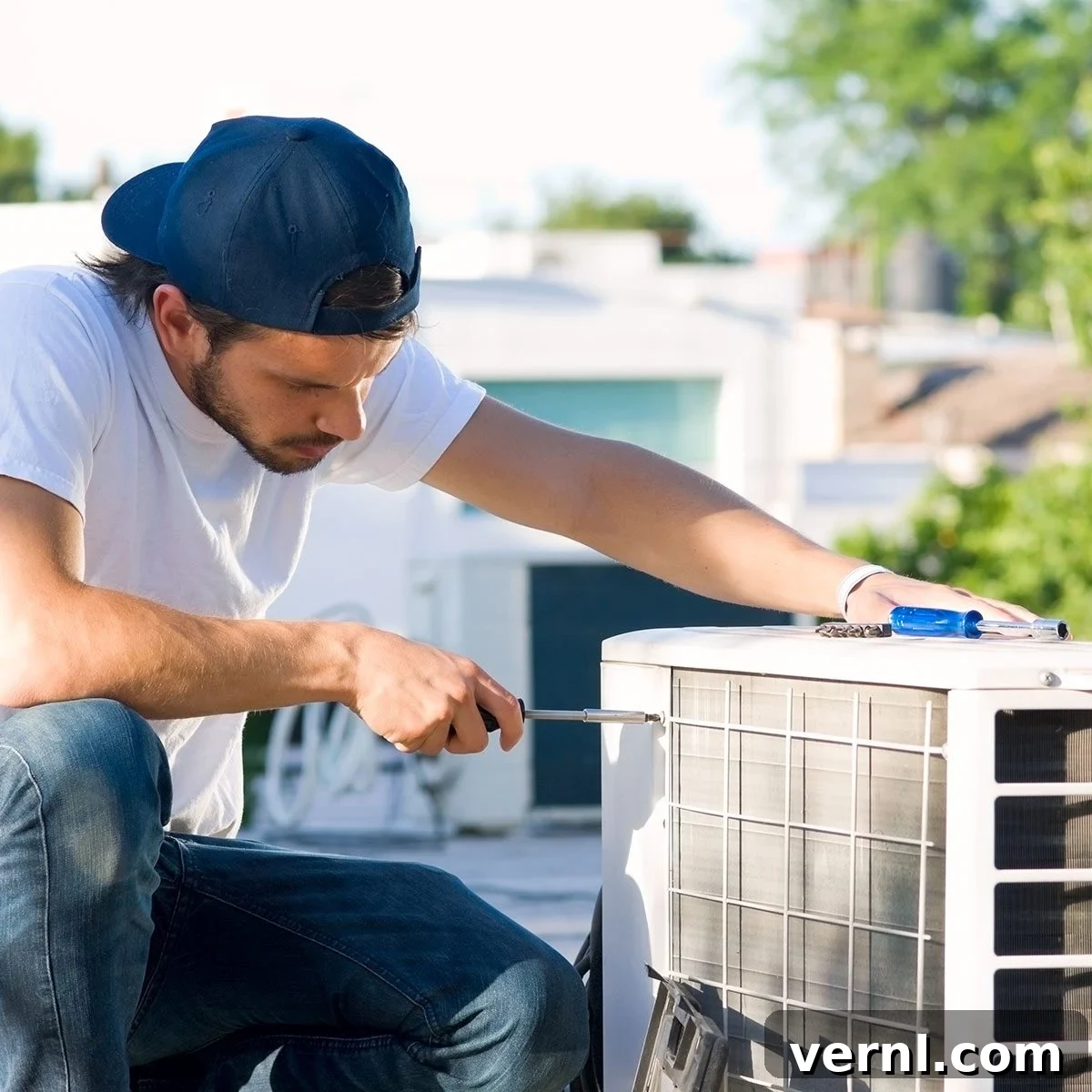
- HVAC Heat Pumps: A generous rebate of up to $8,000 for the installation of an advanced HVAC heat pump system. Heat pumps offer both heating and cooling, providing year-round comfort with remarkable energy efficiency by transferring heat rather than generating it, leading to substantial energy savings.
- Electric Cooking Appliances & Heat Pump Dryers: Up to $840 for an electric cooktop, stove, range, or oven, including modern induction models. Additionally, this rebate covers the cost of a highly efficient heat pump clothes dryer, which uses significantly less energy than conventional dryers due to its closed-loop system.
- Building Envelope Improvements: Up to $1,600 for essential home improvements like air sealing, insulation upgrades, and enhanced ventilation systems. These measures are crucial for preventing energy loss and maintaining a stable indoor temperature, leading to substantial savings on heating and cooling costs and improved indoor comfort.
- Electrical Wiring Upgrades: Up to $2,500 for necessary electrical wiring upgrades. Modern, energy-efficient appliances and systems often require specific electrical capacities, and this rebate helps offset the cost of ensuring your home’s electrical system can safely and effectively support new technologies.
- Electric Load Center Upgrades: Up to $4,000 for an upgrade to your electric load center (electrical panel). Older panels may not have the capacity for new electric appliances and systems, and this rebate ensures your home can safely and efficiently integrate these energy-saving solutions without overloading your existing infrastructure.
It’s important to note that there is a maximum benefit of $14,000 per home under this program, offering comprehensive support for multiple upgrades. Furthermore, an additional $500 is available for qualified contractor incentives, encouraging the use of skilled professionals to ensure proper installation and optimal performance of these energy-efficient systems. These rebates significantly reduce the upfront costs, making sustainable living and home electrification more accessible than ever before.
Energy Efficient Home Improvement Credit: Annual Tax Savings for Everyone
Beyond the direct consumer rebates, the Inflation Reduction Act also reauthorized and substantially revised the long-standing Energy Efficient Home Improvement Credit (EEHIC), previously known as the 25C tax credit. This program offers a different avenue for savings, providing tax credits rather than upfront rebates, and is available annually to a broader range of homeowners, regardless of income level (though eligibility criteria apply).
Beginning in January 2023 and extending each year through 2032, eligible households can claim a tax credit equal to 30 percent of the cost of qualified energy efficiency projects. This credit is capped at $1,200 per year, providing a consistent incentive for homeowners to continuously improve their homes’ energy performance. This annual limit is a game-changer, allowing for strategic, phased upgrades over time rather than requiring a single, large investment. These eligible projects encompass a wide range of improvements, from enhancing your home’s thermal envelope to installing high-efficiency appliances and other energy-saving measures, all subject to specific caps for individual categories:
- Exterior Windows and Skylights: Up to $600 for the installation of Energy Star certified exterior windows and skylights. Upgrading to high-performance windows significantly reduces heat transfer, keeping your home warmer in winter and cooler in summer, thereby lowering heating and cooling demands.
- Exterior Doors: Up to $250 for each Energy Star certified exterior door, with an overall annual limit of $500 for all exterior doors installed. New, well-insulated doors can prevent drafts, improve your home’s overall airtightness, and enhance security and curb appeal.
- High-Efficiency HVAC Systems: Up to $600 for the highest efficiency tier central air conditioners and other qualified gas, propane, or electric HVAC systems. This also includes electrical upgrades specifically required to enable these energy-efficiency improvements, ensuring compatibility and optimal performance of the new systems.
- Home Energy Audits: Up to $150 for a professional home energy audit. This crucial first step helps identify specific areas of energy loss and provides a personalized roadmap for the most impactful and cost-effective improvements, maximizing your investment in energy efficiency.
- Heat Pumps, Water Heaters, and Biomass Systems: A substantial $2,000 tax credit for the installation of electric heat pumps, heat pump water heaters, and qualified biomass stoves and boilers. Critically, the tax credit for installing these particular high-impact systems does not count towards the annual $1,200 general limit, allowing homeowners to claim both if applicable and encouraging investment in these highly efficient technologies.
“This new annual limit, available for an entire decade, fundamentally changes how homeowners can approach energy efficiency,” explains Sara Baldwin, director of electrification with Energy Innovation. “It empowers you to plan for multiple upgrades and improvements over time, effectively spreading the costs and incentives to align with your home energy budget and long-term sustainability goals, rather than needing to complete all projects in a single year. This flexibility makes comprehensive home energy upgrades more achievable than ever before.”
Starting Smart: The Value of a Home Energy Audit
For many homeowners, the journey towards a more energy-efficient home can seem daunting. With so many options and incentives, knowing where to begin is often the biggest hurdle. This is precisely where a professional home energy audit becomes an invaluable first step, offering clarity and direction.
An energy audit involves a thorough assessment of your home’s energy performance, typically conducted by a certified professional or sometimes offered by your local power company. Auditors use specialized tools and techniques, such as blower door tests to measure air leakage and infrared cameras to detect insulation gaps and thermal bridges. They meticulously examine your insulation levels, windows, doors, HVAC systems, and appliances to pinpoint areas of energy waste and inefficiency. This comprehensive analysis helps you understand your home’s unique energy usage patterns and identify the most cost-effective improvements.
Expect to invest between $200 and $600 for a comprehensive home energy audit. As highlighted previously, you can recoup a portion of this cost by claiming a $150 tax credit under the Energy Efficient Home Improvement Credit, making this diagnostic step even more affordable. The insights gained from an audit provide a tailored roadmap, allowing you to prioritize upgrades that will yield the greatest energy savings and maximize your return on investment from IRA incentives. It’s the smart way to ensure your efforts are focused, effective, and lead to tangible long-term benefits.
Harnessing the Sun: Solar and Battery Storage Tax Credits
Embracing solar energy is one of the most impactful ways to reduce your home’s carbon footprint and achieve long-term energy independence. The Inflation Reduction Act significantly bolsters the incentives for homeowners looking to install a solar energy system, offering an immediate and substantial 30 percent tax credit on the total cost of your new system. This renewed and extended Residential Clean Energy Credit (formerly known as the Investment Tax Credit) is a cornerstone of the IRA’s clean energy provisions, applying to systems installed from 2022 through 2032.
“Unlike many other IRA benefits, there’s no cap on how much you can spend to claim this 30 percent tax credit for solar,” explains Mallory Micetich, a home expert at Angi. “This makes high-capacity solar installations and integrated battery storage systems incredibly attractive.” The credit applies not only to solar panels but also to qualified battery storage technology installed in conjunction with your solar system (or as a standalone system), allowing you to store excess energy generated during the day and use it when the sun isn’t shining, increasing your energy independence and resilience during power outages.
The financial benefits of going solar extend far beyond the initial tax credit. “The savings don’t stop there,” Micetich adds. “Homeowners typically save anywhere between $10,000 and $30,000 on energy costs over the estimated lifespan of your solar panels, which can often be 25 to 30 years or more, factoring in avoided electricity purchases and potential revenue from selling excess power back to the grid (net metering).” This long-term financial gain, coupled with increased property value and profound environmental stewardship, makes solar energy an exceptionally wise investment under the IRA, securing your energy future.
The Versatility of Heat Pumps: HVAC, Water Heaters, and Dryers
Heat pump technology is rapidly gaining recognition as a highly efficient, all-electric solution for a variety of home energy needs, from space conditioning to water heating and even clothes drying. These versatile systems are becoming a central pillar of home electrification under the IRA, offering a cleaner and often more cost-effective alternative to traditional fossil fuel-based systems.
“This isn’t some complex or exotic technology,” clarifies Panama Bartholomy, director of the Building Decarbonization Coalition. “At its core, a heat pump HVAC system functions much like an air conditioner but with the crucial ability to reverse its operation. In summer, it moves heat out of your home to cool it; in winter, it extracts heat from the outside air (even cold air!) and efficiently transfers it indoors to warm your space. Similarly, a heat pump water heater is essentially a storage tank with a small refrigeration unit on top, efficiently drawing heat from the ambient air to warm your water instead of generating heat directly.”
The appeal of heat pumps lies in their remarkable efficiency. Because they transfer heat rather than generate it through combustion, they can significantly cut your energy costs, often by as much as 50 percent compared to traditional furnaces or water heaters, depending on your climate and existing system. While the upfront investment for a full HVAC heat pump system can range from $10,000 to $18,000, the IRA provides substantial relief. As noted previously, homeowners can claim a $2,000 tax credit for eligible heat pump installations, which became available starting in January 2023. Additionally, income-qualified homes can access generous rebates through the High-Efficiency Electric Home Rebate Program, potentially covering a significant portion of the cost. Beyond air-source heat pumps, there’s also a robust 30 percent tax credit available for more intensive geothermal-type heat pump systems, offering even greater long-term efficiency and comfort by utilizing stable ground temperatures.
Heat Pump Water Heaters: Efficient Hot Water on Demand
Focusing specifically on water heating, the transition to a heat pump water heater (HPWH) is one of the most accessible and impactful energy-efficient upgrades you can make for your home. With the IRA, a $2,000 tax credit is available for installing an eligible heat pump water heater, a significant incentive given that many models cost less than this amount, making the upgrade highly attractive.
Installation can often be a relatively straightforward DIY project for those comfortable with basic plumbing and electrical work, especially with the emergence of user-friendly models like Rheem’s new 120V plug-in unit, specifically designed to simplify replacement of existing gas or electric tank heaters. However, professional installation is always recommended for optimal performance and safety.
“Depending on your quoted installation costs and the model you choose, you could potentially acquire a new heat pump water heater for free or very close to it, thanks to these incentives,” states Christian Mathers. “Considering they use just one-third of the energy of traditional electric resistance water heaters, the annual savings on your utility bills can be hundreds of dollars, making it an exceptionally smart and environmentally friendly investment.” For lower-income households that may not have sufficient tax liability to fully utilize the tax credit, the High-Efficiency Electric Home Rebate Program offers a direct rebate of up to $1,750, providing crucial upfront cost reduction and ensuring these transformative technologies are within reach for everyone.
Optimizing Your Home’s Electrical Infrastructure: Panel & Wiring Upgrades
As homes increasingly adopt energy-efficient electric technologies – from heat pumps to electric vehicle chargers and induction cooktops – the existing electrical infrastructure often needs to be updated to safely and efficiently accommodate these new loads. Older electrical panels and wiring may not have the capacity to handle the increased demand of modern electric appliances, creating a bottleneck for home electrification. Recognizing this critical need, the Inflation Reduction Act provides significant financial assistance for electrical panel and wiring upgrades.
Starting in January 2023, eligible homeowners can utilize the Energy Efficient Home Improvement Credit (EEHIC) to help cover the costs of these essential electrical upgrades. This means that improvements to your electrical panel and associated wiring, specifically when enabling other energy-efficiency enhancements (such as the installation of a new heat pump or heat pump water heater), can qualify for the 30 percent tax credit (up to the annual limit of $600 for HVAC-related electrical upgrades or other relevant caps).
For low-to-moderate income households, the High-Efficiency Electric Home Rebate Program offers even more substantial support, directly addressing the upfront cost barrier. Low-income households can take advantage of a generous $4,000 rebate specifically for electric load center (panel) upgrades and an additional $2,500 for necessary electrical wiring improvements. For moderate-income households (80-150% AMI), these rebates are also available, covering 50% of the project costs up to the same caps, ensuring that the transition to an all-electric, energy-efficient home is financially viable for a wider demographic. These incentives address a common bottleneck in home electrification, making it easier and more affordable to integrate modern, powerful electric appliances safely and effectively.
Fortifying Your Home: The Power of Weatherization
Weatherization is a foundational aspect of home energy efficiency. It involves a series of improvements designed to seal your home against air leaks and improve its insulation, thereby preventing conditioned air from escaping and unconditioned air from entering. These measures are crucial for maintaining consistent indoor temperatures, reducing the workload on your HVAC system, and significantly enhancing overall home comfort. The Inflation Reduction Act provides compelling incentives to make these crucial upgrades, leading to substantial energy savings.
Beginning in January 2023, homeowners can apply the $1,200 annual tax credit from the Energy Efficient Home Improvement Credit towards eligible weatherization measures, including adding insulation, air sealing, and other building envelope improvements. This ongoing credit makes it feasible to undertake these essential improvements without a prohibitive upfront cost, allowing homeowners to tackle projects over several years if needed.
“Once you factor in the annual tax credit, the continuous yearly savings on your utility bills, and the dramatically improved comfort of your living space, enhancing your home’s insulation is truly a must-do improvement,” asserts Christian Mathers. “New or additional insulation, particularly in the attic, makes an unparalleled difference in maintaining stable indoor temperatures year-round, effectively acting as a thermal blanket for your home.”
The Environmental Protection Agency (EPA) estimates that the average homeowner can save approximately 15 percent on heating and cooling costs simply by air sealing their home and adding insulation in attics, floors, and crawl spaces. These savings are even more pronounced in colder climates or regions with extreme temperature fluctuations, where energy loss can be significant. For low-to-moderate income (LMI) households, the High-Efficiency Electric Home Rebate Program offers a direct incentive of up to $1,600 for comprehensive weatherization projects, further reducing the financial barrier to creating a truly energy-efficient and comfortable home.
Exterior Doors: A Smart Investment in Energy Efficiency
While often overlooked, your home’s exterior doors play a significant role in its overall energy performance. Ill-fitting, poorly insulated, or older doors can be major culprits of heat loss in winter and heat gain in summer, leading to drafts and higher energy bills. The IRA recognizes this with specific incentives for upgrading these critical entry points.
A tax credit of $250 is currently available under the Energy Efficient Home Improvement Credit for replacing an exterior door that is inefficient or allows drafts with an Energy Star certified equivalent. This certification ensures the door meets rigorous energy efficiency standards, providing a measurable improvement in your home’s thermal envelope. For homeowners looking to replace multiple entry points, there’s a cumulative cap of $500 for all exterior doors claimed within a single tax year. This incentive makes it more affordable to upgrade to secure, aesthetically pleasing, and energy-saving doors that contribute significantly to your home’s thermal comfort and reduce energy waste. Investing in high-quality exterior doors not only boosts your home’s energy efficiency but also enhances its curb appeal and security.
Modernizing Your Kitchen: High-Efficiency Electric Appliances
Beyond heating and cooling, the Inflation Reduction Act also targets kitchen appliances, encouraging the switch to high-efficiency electric models. This move offers a dual benefit: not only do these appliances contribute to lower greenhouse gas emissions and improved energy efficiency, but they can also significantly enhance indoor air quality and, consequently, your family’s health, particularly when transitioning from gas appliances.
Starting in January 2023, low-to-moderate income households can receive an $840 credit (as a direct rebate through HEEHRP) towards the purchase of a new electric stove, range, oven, or induction cooktop. This incentive specifically aims to make the transition away from gas-powered cooking more accessible, acknowledging the growing concerns around indoor air pollution.
“There’s a growing body of scientific knowledge highlighting the adverse impacts of cooking with gas on indoor air quality,” explains Panama Bartholomy. “Studies have detected elevated levels of harmful pollutants like nitrogen oxides, carbon monoxide, and even formaldehyde in homes that rely on gas stoves, especially in poorly ventilated kitchen spaces. These issues are often disproportionately experienced in lower-income communities, making this particular rebate incredibly impactful for public health equity.” By making electric cooking appliances more affordable, the IRA helps families create safer, healthier, and more energy-efficient kitchens, promoting a cleaner living environment within the home.
Embracing a Holistic Approach: Whole Home Performance Rebates
For homeowners committed to comprehensive energy efficiency, the Inflation Reduction Act also introduces a more holistic incentive: the Whole Home Performance Rebates. This program, while more complex in its administration and still undergoing some detailed refinement by state energy offices, represents a significant step towards incentivizing deep energy retrofits that achieve substantial, measurable energy savings across the entire home.
When it fully goes into effect, the program is broadly expected to operate as follows for single-family homes:
- Moderate Energy Savings (20-35%): Homes that achieve verifiable energy savings of 20 to 35 percent over a defined period, through a combination of energy efficiency measures, will be eligible for a rebate covering 50 percent of the total project cost, up to a maximum of $2,000. This tier encourages homeowners to undertake multiple, interconnected improvements.
- Substantial Energy Savings (35%+): For homes that push the boundaries and achieve 35 percent or greater energy savings, the incentive increases significantly. These households will be eligible for a rebate worth 50 percent of the project costs, up to a more generous maximum of $4,000, rewarding extensive, high-impact renovations.
Crucially, these amounts are amplified for low-to-moderate income households, reflecting the IRA’s commitment to equitable access to energy-saving improvements and ensuring that financial constraints do not prevent significant upgrades:
- LMI Households (20-35% Savings): If an LMI household achieves 20 to 35 percent energy savings, they can receive a rebate covering 80 percent of the project costs, up to an impressive $4,000. This greatly reduces the financial burden for significant improvements.
- LMI Households (35%+ Savings): For LMI households achieving 35 percent or greater energy savings, the rebate covers 80 percent of the project costs, up to a maximum of $8,000, making comprehensive energy overhauls incredibly affordable.
Incentives are also designed to benefit multifamily building owners, especially those with a significant percentage of low- to moderate-income residents, encouraging large-scale energy retrofits in these properties to benefit multiple households. However, it’s important to note that this Whole Home Performance rebate cannot be combined with the High-Efficiency Electric Home Rebate Program for the same specific upgrade. Homeowners will need to choose the most beneficial program for each individual improvement. This comprehensive approach rewards integrated planning and substantial energy reductions, pushing homes towards truly exceptional performance and long-term sustainability.
DIY vs. Hiring Professionals: Making the Right Choice for Your Upgrades
With such a wide array of incentives available, many homeowners wonder if they can tackle these energy-efficient upgrades themselves or if professional help is required. The good news is that many of these incentives are indeed accessible for motivated DIYers, especially for simpler tasks like adding insulation, caulking and weatherstripping, or installing certain types of efficient fixtures. These types of projects can be cost-effective ways to improve efficiency while saving on labor.
However, for more complex installations, such as a full HVAC heat pump system, electrical panel upgrades, or comprehensive whole-home weatherization that involves air sealing and insulation in hard-to-reach areas, working with a qualified professional is often recommended. Panama Bartholomy advises, “For advanced systems, look for installers who are directly affiliated with or extensively trained by a specific manufacturer. They will often explicitly state their affiliation, something like ‘Mitsubishi-affiliated installer’ or a ‘Fujitsu-affiliated specialist.’ This ensures that the installation meets the manufacturer’s specifications, qualifies for warranties, and performs at peak efficiency, maximizing your savings and comfort in the long run.”
Always verify that your chosen contractor is licensed, insured, and knowledgeable about the specific requirements for IRA incentives to ensure your project qualifies for the desired rebates or tax credits. Request multiple quotes, check references, and ask for proof of relevant certifications before committing to any major work. While DIY can save on labor costs for some projects, investing in professional expertise for complex systems can prevent costly errors, ensure proper safety, and guarantee optimal performance, ultimately leading to greater long-term savings, enhanced home value, and invaluable peace of mind.
Conclusion: Seize Your Opportunity for a Sustainable and Savings-Rich Home
The Inflation Reduction Act represents a monumental commitment to a cleaner, more energy-efficient future, and it puts unprecedented resources directly into the hands of American homeowners. From substantial upfront rebates for income-qualified households to annual tax credits available to a broader audience, the opportunities to improve your home’s energy performance have never been more abundant or financially appealing.
By strategically leveraging these incentives, you can not only significantly reduce your monthly energy bills and enhance your family’s comfort but also contribute meaningfully to a healthier planet by lowering your carbon footprint. Whether your immediate goal is to electrify your cooking, upgrade to a modern heat pump system for year-round comfort, fortify your home’s insulation and weatherization, or embrace the long-term energy independence of solar power, the IRA provides a clear and financially supported pathway.
Don’t let these transformative opportunities pass you by. Take the first step today by exploring which programs and incentives best fit your specific needs and budget. Consult the official government resources and reputable organizations mentioned in this guide, and seriously consider a professional home energy audit to pinpoint your most impactful upgrades. The time to invest in a sustainable, savings-rich home is now. Your wallet, your comfort, and the environment will undoubtedly thank you.