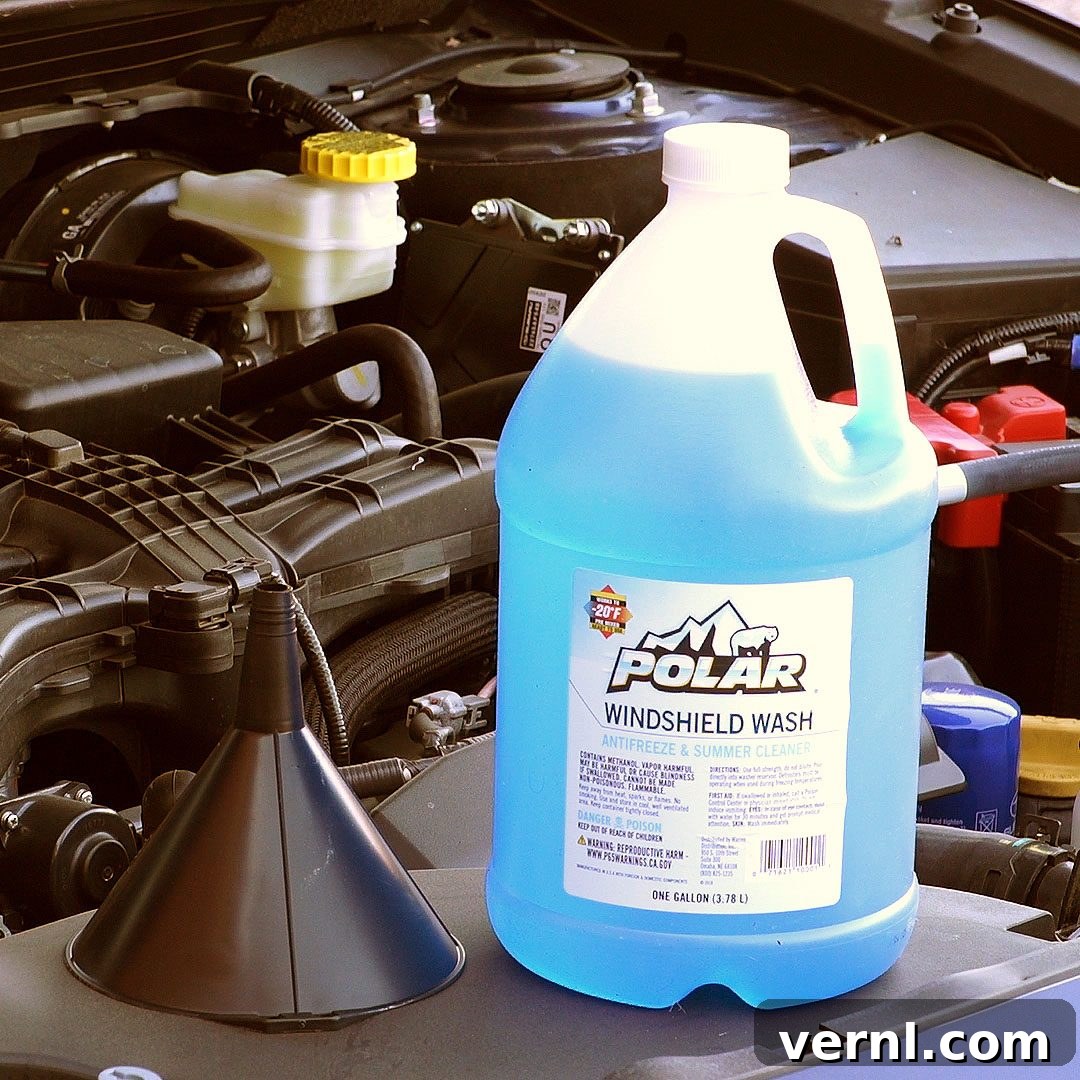
Comprehensive Guide: How to Check and Refill Your Windshield Wiper Fluid for Optimal Visibility
Driving safely hinges on a clear view of the road, and one of the simplest, yet most crucial, maintenance tasks for any vehicle owner is regularly checking and refilling windshield wiper fluid. This quick DIY procedure is often overlooked but plays a significant role in maintaining optimal visibility, especially during challenging weather conditions or when road debris strikes. Unlike checking engine oil, which often involves a dipstick and specific level markings, inspecting your windshield wiper fluid is incredibly straightforward: you simply ensure the reservoir is adequately filled.
This in-depth guide will equip you with all the knowledge needed to confidently manage your vehicle’s windshield wiper fluid. We’ll explore its importance, walk you through the simple steps of checking and refilling, discuss various fluid types, offer essential tips, and address common troubleshooting scenarios. Empower yourself with this fundamental automotive skill and ensure your path ahead remains consistently crystal clear.
The Unsung Hero of Road Safety: Why Windshield Wiper Fluid Matters
Many drivers might consider windshield wiper fluid a mere convenience, but its function extends far beyond that – it’s a vital component of your vehicle’s active safety system. A clear and unobstructed windshield is paramount for safe driving, allowing you to quickly spot hazards, react to changing traffic conditions, and navigate through various environments with confidence. Driving with a dirty, smeared, or compromised windshield can severely impair your vision, especially when facing direct sunlight, oncoming headlights, or driving at night, drastically increasing the risk of accidents.
Consider the myriad ways windshield wiper fluid contributes to your safety:
- Combating Inclement Weather: Rain, snow, sleet, or heavy mist can rapidly obscure your vision. Effective wiper fluid, combined with functioning wiper blades, instantly clears these elements, restoring essential visibility.
- Removing Road Grime and Debris: Daily driving exposes your windshield to dust, dirt, mud splatters, and stubborn insect remains. Wiper fluid contains specialized cleaning agents that effectively break down and lift these contaminants, which plain water often cannot dislodge.
- Essential for Winter Driving: Specialized winter formulations of wiper fluid are engineered to do more than just clean. They contain antifreeze properties to prevent the fluid from freezing within the reservoir, lines, and nozzles, ensuring the system remains operational even in sub-zero temperatures. Some also assist in melting light frost and ice upon contact.
- Enhancing Driver Confidence: Knowing that you can instantly clear your windshield at any moment provides a significant boost to driver confidence and reduces stress, allowing you to focus better on the road.
By regularly topping off your wiper fluid reservoir, you guarantee that you are always prepared to maintain a clear line of sight, regardless of external conditions, thereby enhancing your overall safety and that of others on the road.
Beyond Water: What Makes Windshield Wiper Fluid Effective?
A common misconception is that plain tap water can serve as an adequate substitute for commercial windshield wiper fluid. This is a critical error that can lead to significant problems and potentially costly damage to your vehicle. Commercial wiper fluid is a carefully formulated solution designed to offer superior performance and protection. Here’s what sets it apart:
- Specialized Cleaning Agents: Unlike water, wiper fluid contains detergents, surfactants, and solvents specifically chosen to dissolve and remove stubborn road film, grease, bug splatter, bird droppings, and tree sap, leaving your windshield streak-free.
- Freeze Protection (Antifreeze): The most crucial ingredient in many formulations is an alcohol-based antifreeze (such as methanol or ethanol). This prevents the fluid from freezing solid in cold temperatures, which could otherwise crack the plastic reservoir, damage the electric pump, or rupture the hoses and nozzles, rendering the system useless.
- Water Repellents: Some premium or specialty fluids incorporate additives that create a hydrophobic layer on the glass. This causes rainwater to bead up and roll off more quickly, further improving visibility even between wiper passes.
- Lubricants: Certain formulations also include lubricants that help the wiper blades glide smoothly across the glass, reducing friction, preventing squeaks, and potentially extending the life of your wiper blades.
- Corrosion Inhibitors: To protect the metal components of the wiper system, some fluids include inhibitors that prevent rust and corrosion.
Opting for the correct, purpose-designed fluid not only ensures maximum cleaning efficiency but also provides essential freeze protection and contributes to the longevity of your vehicle’s entire wiper system.
Step-by-Step: Locating and Checking Your Windshield Wiper Fluid Level
Checking your vehicle’s windshield wiper fluid is among the easiest DIY maintenance tasks, requiring no specialized tools and taking just a couple of minutes. The process begins by accessing your vehicle’s engine bay.
Step 1: Prepare Your Vehicle
Ensure your vehicle is parked on a flat, level surface with the engine turned off and sufficiently cooled. This prevents accidental burns and allows for safe access to the engine compartment.
Step 2: Open the Hood
Locate the hood release lever, which is typically found on the driver’s side, either on the floorboard near the door jamb or under the dashboard. Pull the lever to pop the hood partially open. Then, proceed to the front of your vehicle, locate the secondary safety latch (usually in the center of the hood opening), and lift it to fully open the hood. Secure the hood using the prop rod if your vehicle is equipped with one.
Step 3: Identify the Windshield Wiper Fluid Reservoir
Once the hood is open, carefully scan the engine bay for a distinct plastic reservoir. This reservoir is generally white or translucent, allowing you to see the fluid level inside. Its cap is usually brightly colored (most commonly blue, but sometimes yellow or black) and features a universal icon: a windshield symbol with water spraying onto it. This icon is crucial for distinguishing it from other fluid reservoirs, such as those for engine coolant, brake fluid, or power steering fluid, which have different caps and symbols. The wiper fluid reservoir is typically positioned near the front or side of the engine compartment, often towards the firewall.
Step 4: Visually Inspect the Fluid Level
Unlike checking your engine oil, there is no dipstick for windshield wiper fluid. The transparency of most reservoirs allows for direct visual inspection of the fluid level. Simply observe the side of the tank; if the fluid level appears low or is no longer visible, it’s time to refill. Many reservoirs also have clear “FULL” or “MAX” lines marked to indicate the optimal fluid level.
Watch this quick video tutorial for a visual guide on how to locate and check your windshield wiper fluid reservoir.
Easy Steps: How to Refill Your Windshield Wiper Fluid
Once you’ve confirmed that your windshield wiper fluid reservoir is low, topping it off is a straightforward process that anyone can accomplish.
Step 1: Remove the Reservoir Cap
Gently unclip or unscrew the cap from the identified reservoir. Place the cap in a clean, secure location where it won’t be lost or become contaminated with dirt or debris.
Step 2: Carefully Pour in New Fluid
Take your chosen windshield wiper fluid and carefully begin pouring it into the reservoir’s opening. Using a clean funnel is highly recommended, especially if the opening is small or located in a hard-to-reach area within the engine bay. A funnel prevents spills, reduces waste, and keeps the engine compartment tidy. Pour slowly and steadily to avoid splashing. Continue adding fluid until it reaches the designated “FULL” or “MAX” line on the side of the reservoir. If no line is present, fill it to about an inch or two from the top, leaving a small amount of space to allow for fluid expansion.
Step 3: Securely Replace the Cap
After reaching the desired level, securely replace the reservoir cap. Ensure it is properly seated and sealed to prevent contaminants from entering the fluid and to minimize evaporation.
Step 4: Close the Hood
Carefully lower your vehicle’s hood until it clicks into its primary latch. Then, apply firm downward pressure to ensure it is fully closed and securely latched, preventing it from unexpectedly opening while driving.
Selecting the Right Windshield Wiper Fluid for Your Needs
With a variety of windshield wiper fluid formulations available, choosing the right type can significantly enhance performance and provide specific benefits tailored to your driving environment and climate. Understanding the differences is key:
- All-Season Formula: This is the most common and versatile type, offering basic cleaning capabilities and freeze protection suitable for mild to moderately cold climates, typically down to around -20°F (-29°C) to 0°F (-18°C). It’s a good general-purpose choice for year-round use in many regions.
- Winter/De-Icing Formula: Indispensable for regions experiencing harsh winters. These fluids contain a higher concentration of alcohol to provide superior freeze protection, often down to -40°F (-40°C). They are designed to help melt light frost and ice on contact, ensuring your windshield stays clear even in extreme cold.
- Bug Remover Formula: Ideal for warmer months and extended highway driving, especially during spring and summer. These fluids contain stronger detergents and specific enzymes formulated to effectively break down and remove stubborn insect splatter, road tar, and tree sap without excessive scrubbing.
- Water Repellent Formulas: Featuring advanced additives, these fluids create a hydrophobic layer on the windshield. This causes water to bead up and roll off the glass more efficiently, significantly improving visibility during rain, sometimes even reducing the need for wipers in light showers.
- Concentrates: Often sold in smaller, highly concentrated bottles, these require dilution with water (preferably distilled water to prevent mineral deposits and clogs) before use. They are an economical option but require careful mixing according to manufacturer instructions. Ensure you use them correctly to achieve the desired freeze protection or cleaning power.
It is generally advisable to avoid mixing different types of wiper fluid, especially when transitioning between seasonal formulas. For optimal performance of specialized additives, it’s best to allow the reservoir to run almost empty before refilling with a new or different type of fluid.
Essential Tips and Common Mistakes to Avoid
While checking and refilling wiper fluid is straightforward, adhering to a few best practices and avoiding common pitfalls can save you from potential headaches and ensure the longevity of your wiper system:
- Never Use Plain Tap Water: This is the most crucial piece of advice. Tap water lacks cleaning agents, can leave mineral deposits that clog nozzles over time, and, most importantly, will freeze in cold temperatures, potentially cracking your reservoir, pump, or hoses.
- Avoid Household Cleaners: Do not substitute wiper fluid with dish soap, window cleaner, or other household products. These can damage your vehicle’s paint, wax finish, rubber wiper blades, and leave unsightly streaks or residues on your windshield, impairing visibility.
- Always Use a Funnel: To prevent spills and waste, especially when working in cramped engine bays, a funnel is an invaluable tool. Wiper fluid can be slippery, and some formulations have a strong, lingering odor.
- Check and Clear Nozzles: If fluid isn’t spraying correctly, or only partially, the nozzles might be clogged. A small pin or needle can often be used to gently poke into the nozzle opening and clear any debris. Ensure the stream is directed correctly at the windshield.
- Inspect Wiper Blade Condition: Even with a full reservoir of high-quality fluid, worn-out wiper blades will not clean effectively. Inspect your blades regularly and replace them annually, or sooner if they show signs of streaking, skipping, chattering, or squeaking.
- Don’t Overfill Excessively: While not as critical as overfilling engine oil, pouring fluid right to the brim can lead to spills as the fluid expands slightly with temperature changes, or if you drive on an incline. Leave a small air gap.
- Dispose of Old Fluid Properly: If you drain your reservoir for any reason, be aware that wiper fluid is not typically classified as hazardous waste, but it’s best to check local regulations for proper disposal. Empty plastic bottles can usually be recycled.
When to Check and How Often Should You Refill?
Proactive maintenance is always better than reactive repairs. Adopting a routine for checking your windshield wiper fluid level will ensure you’re never caught off guard. Here’s a suggested schedule:
- Monthly: Make it a habit to check your wiper fluid as part of your regular monthly fluid checks, alongside engine oil, coolant, and brake fluid.
- Before Long Trips: Always ensure all essential fluids, including wiper fluid, are topped off before embarking on extended journeys. Running out of fluid on a long trip can be a significant inconvenience and safety hazard.
- Seasonally: Pay particular attention during seasonal transitions, especially when preparing for winter. Ensure you have the appropriate winter-rated formula in your reservoir before the first freeze.
- When the Warning Light Illuminates: Many modern vehicles feature a low windshield wiper fluid warning light on the dashboard. While helpful, it’s best practice not to wait for this light to come on; proactively check your fluid.
- Before Anticipated Adverse Weather: If heavy rain, snow, or dusty conditions are forecast, take a minute to give your fluid a quick check and top-off.
The actual frequency of refills will depend heavily on your driving habits, environmental conditions, and how often you use your wipers and washer system. Drivers in dusty areas, those who commute frequently, or those who regularly drive in poor weather conditions will naturally consume more fluid.
Troubleshooting Common Wiper Fluid Issues
Even with a full reservoir, you might occasionally encounter issues where fluid isn’t spraying correctly or at all. Here are common problems and their solutions:
- No Fluid Spraying:
- Empty Reservoir: The simplest explanation. Double-check the fluid level.
- Clogged Nozzles: The most frequent culprit. Use a fine wire (like a paperclip or sewing needle) to gently clear any blockages in the nozzle openings.
- Disconnected or Kinked Hoses: The rubber hoses connecting the washer pump to the nozzles can sometimes come loose or develop kinks. Visually inspect these hoses under the hood for any obvious damage or disconnections.
- Frozen Fluid/Lines: In extremely cold weather, even winter-rated fluid can freeze if temperatures drop below its protection rating, or if plain water was mistakenly used. Parking the vehicle in a warm garage or allowing the engine to warm up considerably might thaw the system.
- Weak Spray or Partial Spray:
- Partially Clogged Nozzles: Similar to a full clog, but less severe. Attempt to clear them with a pin.
- Low Fluid Level: The pump might struggle to draw fluid if the level is very low.
- Aging Washer Pump: Over time, the electric washer pump can weaken. If you hear the pump humming but the spray is weak, it might be losing efficiency.
- No Sound from the Pump:
- Faulty Washer Pump: If you don’t hear any humming or whirring sound when activating the washers, the pump itself might have failed, or there could be an electrical issue (fuse, wiring). This typically requires professional diagnosis and replacement.
- Blown Fuse: Check your vehicle’s fuse box for the washer pump fuse and replace it if blown. Consult your owner’s manual for fuse box location and diagram.
Conclusion: Prioritize Clear Vision for Enhanced Driving Safety
Checking and refilling your windshield wiper fluid is a perfect illustration of how minor, routine maintenance tasks significantly contribute to your overall driving safety, comfort, and peace of mind. It’s an easy, non-technical job that demands no special tools, yet its profound impact on your visibility during adverse conditions is undeniable. By dedicating a few minutes each month to ensure your reservoir is full and selecting the appropriate fluid for your climate, you are making a crucial investment in clearer vision, safer journeys, and the extended life of your vehicle’s entire wiper system.
Do not wait until your visibility is compromised by a sudden downpour, a splattered bug, or a dusty road. Integrate checking your windshield wiper fluid into your regular car care regimen. A clean, clear windshield is your primary line of defense against the unexpected, empowering you to drive with confidence, readiness, and an unobstructed view of the road ahead, come rain or shine.
For more essential DIY car maintenance tasks and helpful tips, explore resources like: How to Check Your Windshield Wiper Fluid