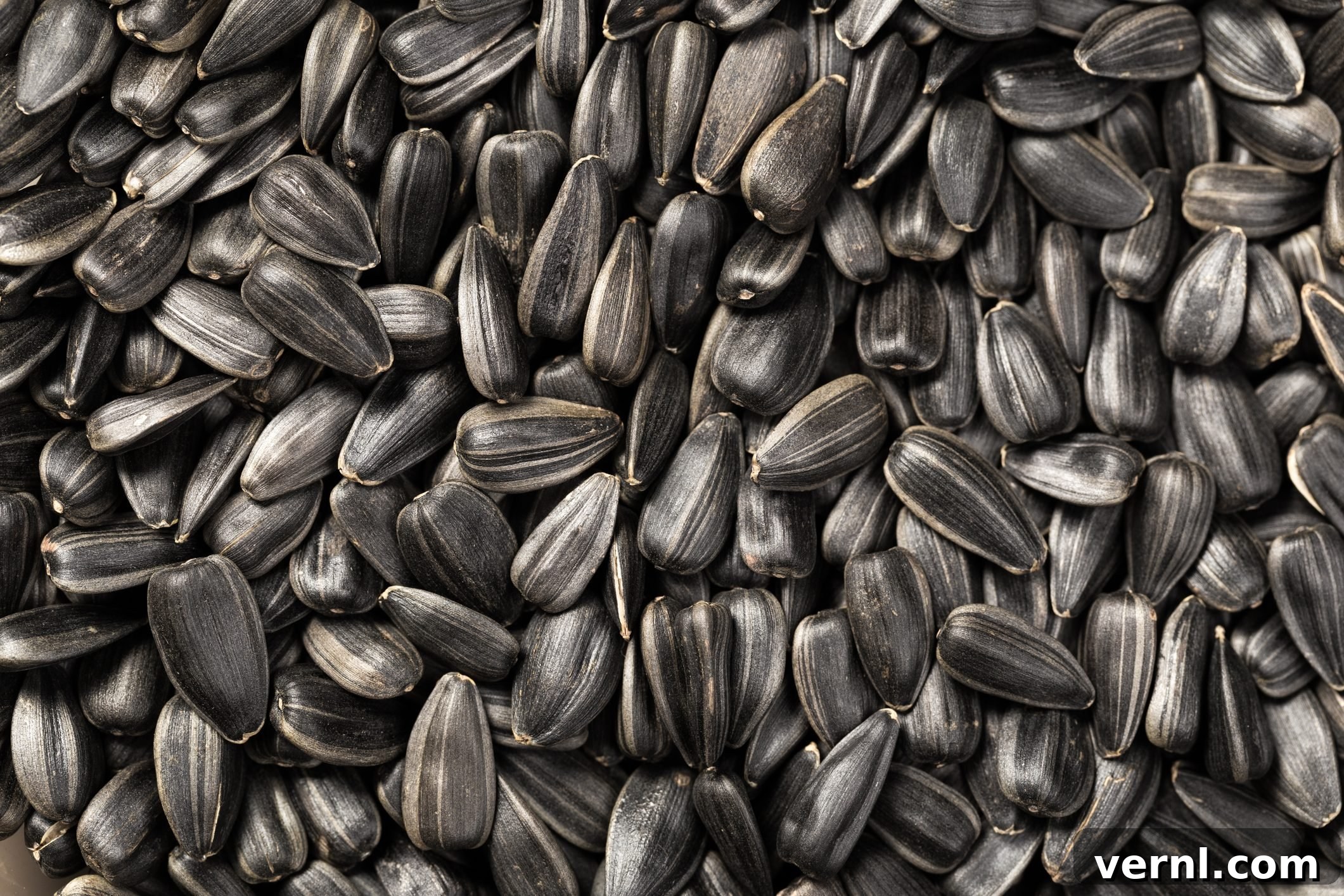
Sunflower seeds are a beloved staple, gracing the diets of both people and the backyard birds that frequent our gardens worldwide. While humans often reach for the striped variety for snacking, a quick trip to any home improvement store’s birdseed aisle reveals a different story: an abundance of black oil sunflower seeds. This raises a common question: why are these particular seeds so popular among our avian companions?
“Sunflower seeds rank among the most popular seeds to offer birds, whether presented alone or as part of a blend,” explains Brian Cunningham, Chief Naturalist for Wild Birds Unlimited. Their widespread appeal stems from their ability to attract a remarkable diversity of bird species. Among all the options, black oil sunflower seeds emerge as the undisputed favorite for birds, and consequently, for those of us who delight in feeding them.
This comprehensive guide will delve into the reasons behind black oil sunflower seeds’ universal appeal to both animals and humans. We’ll cover essential bird feeding tips, detailed advice on cultivating your own sunflowers, and proven methods for storing these valuable seeds to ensure they remain fresh and nutritious for as long as possible. Get ready to transform your backyard into a bustling bird sanctuary!
What Makes Black Oil Sunflower Seeds So Special?
Black oil sunflower seeds originate from a specific cultivar of the renowned Helianthus annuus plant. These annual crops are primarily cultivated for their high-quality cooking oil and, famously, as a premier wild bird food. Their distinct advantages make them a superior choice for attracting a wide array of birds to your feeders.
The primary reason for their popularity in bird feeders lies in their exceptionally high oil content. This rich oil provides birds with vital energy and calories, especially crucial during cold weather months when they need extra fuel to maintain body temperature. The high fat content also contributes to healthier feathers and overall well-being. Furthermore, black oil sunflower seeds boast thin shells, making them significantly easier for even smaller birds to crack open compared to the thicker shells of striped sunflower seeds. This ease of access means less effort for the birds, less wasted seed, and more enjoyment for a greater variety of species. While perfectly safe for human consumption, black oil sunflower seeds are generally not favored by people as a snack due to their small size and the challenge of shelling their delicate hulls.
Which Birds Are Attracted to Black Oil Sunflower Seeds?
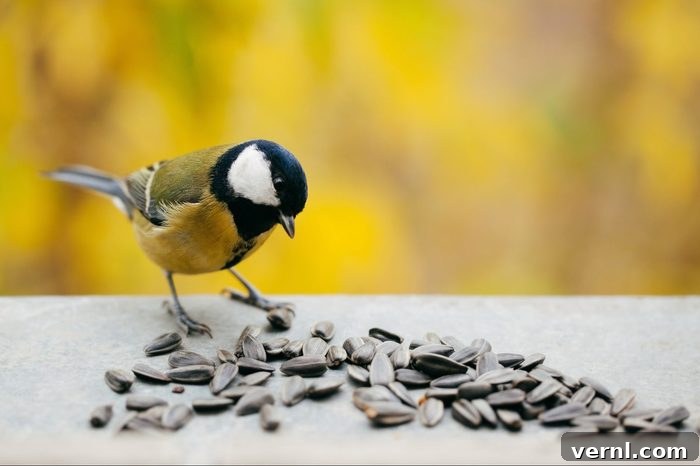
Black oil sunflower seeds are a magnet for nearly all seed-eating birds, drawing a diverse and vibrant crowd to your garden. Their rich nutritional profile and easy-to-crack shells appeal to a vast spectrum of avian species, ensuring your feeders are always a lively hub of activity. From tiny finches to robust cardinals, these seeds are a universal favorite. Here’s a comprehensive list of common backyard birds that readily feast on black oil sunflower seeds:
- Finches (House, Purple, Gold, Rosy, Cassin’s)
- Chickadees
- Nuthatches
- Northern Cardinals
- Mourning Doves
- Tufted Titmice
- Towhees
- Blackbirds
- Woodpeckers
- Evening Grosbeaks
- Redpolls
- Pine Siskins
- Indigo Buntings
- Gray Catbirds
- Bushtits
- Grackles (House and Common)
- Black-billed Magpies
- Sparrows
- Jays
This extensive list highlights why black oil sunflower seeds are considered a cornerstone of any successful backyard bird feeding strategy, guaranteeing a parade of colorful and charismatic visitors.
Optimal Feeders for Black Oil Sunflower Seeds
Choosing the right feeder is crucial for maximizing the appeal and efficiency of your black oil sunflower seeds. Hopper, tube, and tray feeders are all excellent choices for these versatile seeds, provided their dispensing holes are adequately sized to allow birds easy access. Hopper feeders protect seeds from the elements and allow for larger quantities, reducing the frequency of refills. Tube feeders, with their individual perches and smaller openings, are ideal for smaller birds and help minimize seed waste. Tray or platform feeders offer an open-air dining experience, accommodating larger birds and allowing for easy cleaning, though they provide less protection from weather and can attract squirrels more readily. Whichever style you choose, ensure it has good drainage to prevent seeds from getting wet and spoiling, and consider placing it in a location that offers birds a clear view of their surroundings, enhancing their sense of security.
Cultivating Your Own Black Oil Sunflowers
Growing sunflowers is a rewarding and relatively straightforward endeavor across most of North America, flourishing particularly well in regions with ample sun and moderate humidity. These resilient plants typically thrive, though they are sensitive to early frosts, dying at the first sign of cold temperatures. Growing your own sunflowers provides fresh, nutritious food for birds and adds immense beauty to your landscape.
“Everyone should consider growing sunflowers,” advises Pam Perry, a certified Cooperative Extension Master Gardener. “They offer immense joy, possess universal appeal, and are native to the Americas, making them perfectly suited for gardens across the country. Sunflowers are fantastic for attracting beneficial insects and vital pollinators, adding ecological value to your space. Beyond their practical benefits, they are simply stunning, and witnessing a towering sunflower in your front yard truly captivates the neighborhood.”
Steps for Growing Black Oil Sunflowers:
- Source Your Seeds: Begin by purchasing seeds from a reputable local garden center or nursery. If your goal is primarily birdseed, look for varieties known for producing an abundance of black oil seeds. Randel Agrella, a senior horticulturalist with Baker Creek Heirloom Seed Company, suggests, “Gardeners committed to organic integrity should always seek out organic seed sources. For those less concerned, bird feed seeds can often be planted, provided they haven’t been treated in a way that inhibits germination, such as heat exposure.”
- Choose the Perfect Spot & Plant: Plant your sunflower seeds in the spring, once all danger of the last frost has passed. Select a location that receives full sun – at least 6 to 8 hours daily – as sunflowers are true heliophiles. Remember, these plants grow quite large, so position them where they won’t overshadow or crowd out smaller garden inhabitants. Agrella notes, “[In most regions], sunflowers mature with minimal effort. Their soil requirements are modest; average garden soil is perfectly suitable, negating the need for overly rich amendments.” Ensure good drainage, as sunflowers dislike “wet feet.”
- Watering Wisely: Water your newly planted seeds daily for the initial one to two weeks to encourage strong germination and establishment. Once established, reduce watering to about once a week, providing deep, consistent moisture. Agrella adds, “While they thrive with ample moisture, established sunflowers demonstrate considerable tolerance to heat and drought, making them quite resilient in varied summer conditions.”
- Anticipate Harvest: Sunflowers typically flower in about 60 days, but the seeds will be ready for harvest around 90 days after planting. You’ll know they’re ripe when the large flower heads begin to droop or turn downwards, and the inner florets shrivel. The back of the head will turn a yellowish color.
Steps for Harvesting Your Sunflower Seeds:
- Protect Your Crop from Birds: As the seeds mature, birds will inevitably discover them. To ensure you have enough to harvest, cover the heads you wish to save with a fine mesh material, such as mosquito netting, or even a paper bag secured with staples to prevent it from blowing away. Philip Kauth, Executive Director at REAP Food Group and former director of preservation for Seed Savers Exchange, emphasizes, “The main challenge is that birds will typically strip the heads clean. If your aim is to reseed or save seeds, protecting a few heads is essential.”
- Dry the Flower Heads: Once the seeds are mature and the flower heads are drooping, cut off the entire flower heads with a few inches of stem and bring them indoors to dry thoroughly. Drying is complete when the seeds easily separate from the head. Kauth observes, “Often, the seeds will naturally fall out when sufficiently dry. At other times, a gentle rub with your finger will dislodge them.” Hang them in a well-ventilated, dry area, or lay them on screens to ensure good air circulation and prevent mold.
- Alternative Storage for Birds: For immediate bird feeding, you can store the entire dried heads with seeds intact. When you’re ready to offer them, simply place the whole heads on platform feeders, providing a natural and engaging feeding experience for your backyard visitors.
- Store Cleaned Seeds Properly: After removing the seeds from the heads, clean them to remove any debris. Store your harvested seeds in airtight containers in a cool, dry, dark place. This is crucial to prevent mold growth and to keep the oils from going rancid, preserving their freshness and nutritional value for future planting or feeding.
- Leave Stalks for Winter Wildlife: If possible, leave the sturdy sunflower stalks standing through the winter months. They provide valuable perches and foraging opportunities for various birds and insects. If removal is necessary, compost them. Perry explains, “Sunflowers are excellent at drawing nutrients from the soil, so composting them allows us to recycle those nutrients back into the garden ecosystem.”
Even though sunflowers are annuals, once you’ve established a patch, maintaining it year after year is surprisingly simple. “Most sunflowers will readily reseed themselves,” Kauth notes. “They’ll simply drop their seeds to the ground, where they’ll naturally overwinter and sprout again the following spring.”
Optimal Storage for Black Oil Sunflower Seeds
Due to their high oil content, black oil sunflower seeds are susceptible to spoilage, which can render them unappealing and potentially unhealthy for birds. To prevent them from becoming sour or stale, proper storage is paramount. The golden rule is to keep them in a cool, dry place. The hotter and more humid your local climate, the shorter their shelf life will be. Consistent exposure to moisture and warmth accelerates the breakdown of the oils, leading to rancidity and mold.
“Under typical storage and use conditions, bird seed will remain fresh and healthy until it’s completely consumed,” states Brian Cunningham. “However, unusually wet or humid weather, or periods of decreased bird activity, can unfortunately cause the seed to deteriorate or spoil more rapidly.”
Cunningham offers the following indispensable tips to ensure your black oil sunflower seeds stay fresh and safe for your feathered visitors:
- Always store your bird seed in a cool, dry location away from direct sunlight and heat, ideally outside your home in a shed or garage.
- Invest in rodent and insect-proof containers. Metal bins with tight-fitting lids or sturdy plastic containers are excellent choices to protect your investment from pests.
- Never mix old seed with new seed. Older seed might already be compromised, and mixing it will contaminate the fresh batch, potentially spreading mold or bacteria.
- During warmer weather, limit the amount of seed you store. Keep only what your birds can reasonably consume within a two-week period to minimize the risk of spoilage.
- During cooler autumn and winter weather, you can safely expand that storage period to up to four weeks, as lower temperatures naturally inhibit spoilage.
- In your actual feeders, only place a one or two-day supply of seed at a time. This ensures the seeds are eaten quickly, remaining fresh and preventing mold from forming in the feeder itself.
- Crucially, always discard any moldy, rancid, or foul-smelling seed. Such contaminated seed poses a serious health hazard to birds, potentially causing illness. Regularly inspect and clean your feeders to prevent buildup.
Frequently Asked Questions About Black Oil Sunflower Seeds
Are black oil sunflower seeds safe for all animals?
Black oil sunflower seeds are widely considered safe and beneficial for most backyard animals, including birds, squirrels, raccoons, opossums, and various rodents. They are also a suitable supplement for many farm animals, such as horses, chickens, goats, and even rabbits, providing valuable fats and nutrients. Furthermore, black oil sunflower seeds are generally regarded as non-toxic for common household pets like dogs and cats. The primary exception to this widespread safety, as reported by the Journal of American Veterinary Medical Association, are alpacas and llamas, which should not consume them due to specific digestive sensitivities.
Can humans eat black oil sunflower seeds?
Absolutely! Black oil sunflower seeds are entirely safe for human consumption in any form. While less common as a direct snack due to their smaller size and more challenging, thinner shells compared to their striped counterparts, they are a primary source for the production of common cooking oils. For those with patience, they can be roasted and enjoyed for their nutty flavor and nutritional benefits, offering a unique foraging experience. Their rich oil content makes them a healthy addition to various culinary applications.
About the Experts
- Brian Cunningham serves as the Chief Naturalist for Wild Birds Unlimited, bringing over 20 years of experience in various roles within the organization. He holds a Bachelor of Science degree in Forest Recreation from Purdue University.
- Pam Perry is a certified Cooperative Extension Master Gardener, with experience as Curator and Master Gardener for the Maricopa County Cooperative Extension at the University of Arizona. Her gardening roots trace back to Vermont, and she is an alumna of the College of Agriculture and Life Sciences at the University of Vermont.
- Randel A. Agrella is a Senior Horticulturist at Baker Creek Heirloom Seed Company, a prominent retailer specializing in sustainable, heirloom seeds. Since 2005, he has overseen rare seed production for the company.
- Philip Kauth is the Executive Director at REAP Food Group, having previously dedicated eight years as the Director of Preservation for the Iowa-based Seed Savers Exchange. He earned his doctorate degree in Horticultural Sciences from the University of Florida.