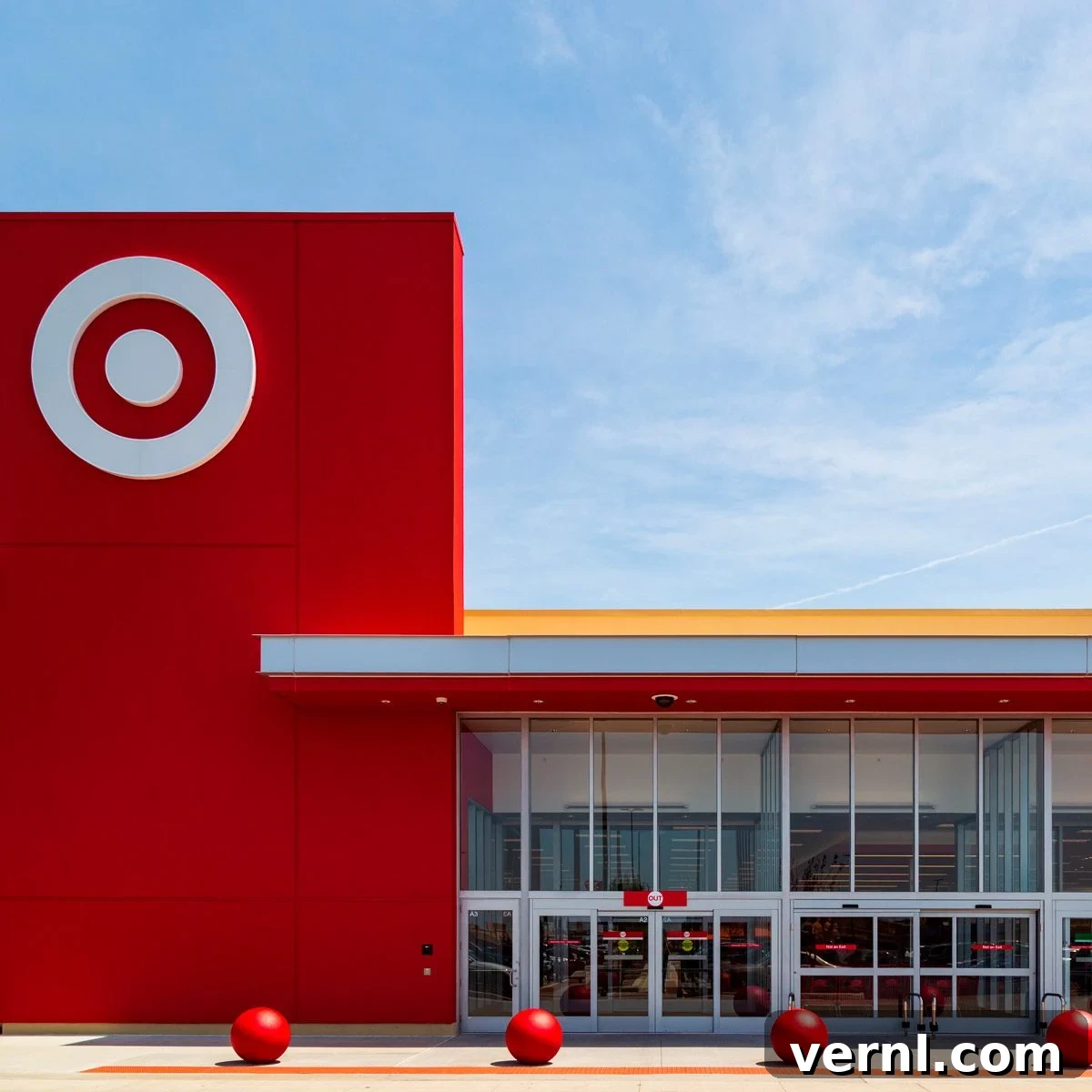
Target Corporation, a retail giant headquartered in Minneapolis, operates approximately 2,000 stores and its thriving e-commerce platform, Target.com, as of May 2023. For decades, the company has masterfully reshaped the retail landscape with its innovative “cheap and chic” strategy, blending affordability with sophisticated design to create a unique shopping experience. Whether you’re a loyal weekly visitor or an occasional shopper, one ubiquitous feature likely catches your eye every time you approach a Target storefront: the prominent, oversized red spheres guarding the entrance.
At first glance, these bold red orbs might seem like a quirky, aesthetic complement to Target’s distinctive red bullseye logo, a playful nod to the brand’s identity. However, their seemingly simple presence belies a far more critical and practical purpose. These eye-catching concrete structures are strategically placed, designed not merely for visual appeal, but to fulfill an essential role in store safety and security.
The Critical Role of Target’s Red Spheres: More Than Just Decoration
For many years, Target has implemented these large, red concrete spheres, officially known as bollards, as a fundamental safety precaution across its vast network of stores. These substantial barriers are integral to a comprehensive security strategy, primarily serving to protect the storefront, its employees, and the countless pedestrians who frequent Target locations from the devastating impact of vehicle collisions. While the precise timeline for their initial rollout might vary by store location and specific renovation schedules, their presence is now a standard and recognizable feature of the Target shopping experience.
In an increasingly complex world, retailers face numerous challenges, including the growing threat of accidental vehicle-into-building crashes or even intentional ram-raid attacks. These incidents can result in severe structural damage, significant financial losses, and, most tragically, serious injuries or fatalities. Target’s decision to deploy these robust bollards underscores a proactive commitment to mitigating such risks, transforming what might appear to be decorative elements into formidable protectors against unforeseen dangers.
Understanding Bollards: Essential Elements of Perimeter Security
Bollards are versatile posts designed to control traffic, enhance security, or improve aesthetics in various environments. Derived from maritime usage where they were used to moor ships, modern bollards have evolved dramatically, becoming indispensable components of urban planning and retail security. They come in an array of sizes, shapes, and materials, each tailored to specific functional requirements and aesthetic considerations. Depending on their intended purpose and the flexibility required, bollards can be permanently fixed into the ground or engineered to be removable or retractable.
Diverse Applications of Bollard Systems:
- Traffic Control and Security: One of the primary functions of bollards is to manage vehicular flow and prevent unauthorized access. Strategically positioned at entrances, exits, intersections, or around sensitive areas, they guide vehicles, define parking zones, and can create pedestrian-only safe havens. In high-security applications, crash-rated bollards are designed to withstand significant impact forces, protecting buildings and public spaces from vehicle-borne threats.
- Pedestrian Protection and Zone Separation: Bollards play a vital role in safeguarding pedestrians. By creating clear physical barriers, they separate walkways, plazas, and outdoor seating areas from active roadways or parking lots, drastically reducing the risk of accidents. This is particularly crucial in busy retail environments like Target, where foot traffic is heavy and vehicle movement is constant.
- Bike Lane Separation: In many urban designs, bollards are increasingly used to demarcate and protect dedicated bike lanes. By creating a physical buffer between cyclists and vehicular traffic, they enhance safety for bicyclists and encourage more sustainable transportation methods.
- Decorative and Aesthetic Integration: While highly functional, bollards are also designed to enhance the visual appeal of an area. They can be customized with various colors, shapes, materials, and finishes to seamlessly complement the surrounding architecture and landscape design. Target’s iconic red spheres are a prime example of this dual functionality, embodying both robust security and distinctive brand aesthetics. They transform a necessary safety feature into an integrated part of the store’s visual identity.
The materials used for bollards are as varied as their functions, ranging from high-strength steel and reinforced concrete (like Target’s spheres) to recycled plastic and flexible polyurethane. Each material offers different levels of impact resistance, durability, and cost-effectiveness, allowing for tailored solutions to diverse security needs.
Target’s “Cheap Chic” Philosophy Meets Practicality and Safety
Target’s choice of large, red concrete spheres for its bollards is no accident. It perfectly encapsulates their “cheap and chic” brand philosophy. The robust concrete provides the necessary high level of protection, making them a practical and cost-effective safety solution. Simultaneously, their distinctive size and vibrant red color align directly with Target’s strong brand identity. They are instantly recognizable, reinforcing the brand’s presence even before customers step inside the store. This clever integration means a critical safety feature also serves as a subtle, yet powerful, branding element, reflecting Target’s commitment to both customer well-being and a cohesive brand image.
Navigating Controversy: Safety, Liability, and Public Perception
Despite their undeniable safety benefits, Target’s red spheres have not been without controversy, sparking legal battles and public discussion over the years. These incidents highlight the complex balance retailers must strike between implementing essential security measures and anticipating unintended consequences.
The “Attractive Nuisance” Challenge:
In 2016, a notable incident led to a New Jersey mother filing a significant $1.6 million lawsuit against Target. Her claim centered on the argument that the large red balls constituted an “attractive nuisance” – a legal term referring to a dangerous condition on a property that, due to its appealing nature, might attract children to play and, consequently, put them at risk. Her then five-year-old son was reportedly playing on top of one of these spheres when he fell, sustaining a severely shattered right elbow. This case brought to light the challenge retailers face: how to install necessary safety barriers without inadvertently creating new hazards, particularly for curious children who might perceive them as playground equipment rather than protective devices.
Unexpected Hazards: The Runaway Bollard:
Another peculiar incident occurred in 2017 when a woman sued Target after her vehicle was struck by a runaway two-ton concrete ball outside a New Jersey Target store. This extremely rare occurrence underscored that even stationary, heavy-duty safety features can, under extraordinary circumstances, become hazards themselves. Investigations into such events typically focus on installation methods, maintenance protocols, and environmental factors that could contribute to such an unlikely dislodgement. These cases serve as stark reminders of the continuous need for rigorous safety standards and diligent maintenance for all physical infrastructure.
From Safety Feature to Cultural Phenomenon: The Lighter Side
Beyond the serious discussions of safety and liability, Target’s giant red spheres have also captured the public imagination in more lighthearted ways, transforming from mere safety features into unexpected cultural touchstones.
The Rise of #TargetBalling:
In 2014, these red spheres achieved viral internet fame when a prankster began taking humorous selfies with them, initiating the trend known as #TargetBalling. This trend quickly spread across social media platforms, with countless individuals mimicking the poses and sharing their own creative interactions with the iconic balls. This phenomenon playfully highlighted how everyday objects, especially those with unique or oversized designs, can become focal points for internet humor and community engagement, inadvertently boosting brand recognition in a fun, organic way.
Community Discussions and Online Humor:
The spheres have also been a topic of extensive and often amusing discussions on various online forums. A 2015 thread on TheBreakRoom.org, for instance, accumulated a wealth of funny and controversial input regarding the bollards. These online conversations range from speculative theories about their purpose to shared anecdotes of children climbing them, or even imaginative ideas for their alternative uses. Such discussions underscore the spheres’ unique place in the public consciousness, proving that even the most mundane safety features can spark widespread curiosity, humor, and debate.
Conclusion: The Multifaceted Legacy of Target’s Red Spheres
Target’s iconic red spheres represent a fascinating confluence of design, safety, branding, and unexpected cultural impact. What initially appears to be a mere decorative element is, in reality, a crucial component of the retailer’s perimeter security strategy, robustly protecting storefronts and pedestrians from potentially devastating vehicle incidents. These bollards embody Target’s strategic approach: blending practical necessity with distinctive aesthetic appeal, consistent with their “cheap and chic” brand identity.
While their primary function is serious, ensuring safety and mitigating risks from both accidental collisions and deliberate attacks, their journey has also involved navigating legal challenges, such as the “attractive nuisance” debate and rare incidents like runaway balls. Yet, they’ve also transcended their utilitarian purpose to become a source of viral humor and community engagement through phenomena like #TargetBalling. Ultimately, Target’s red spheres are far more than just concrete balls; they are silent guardians, brand ambassadors, and an enduring symbol of a retail giant’s commitment to safety, innovation, and an unforgettable customer experience.