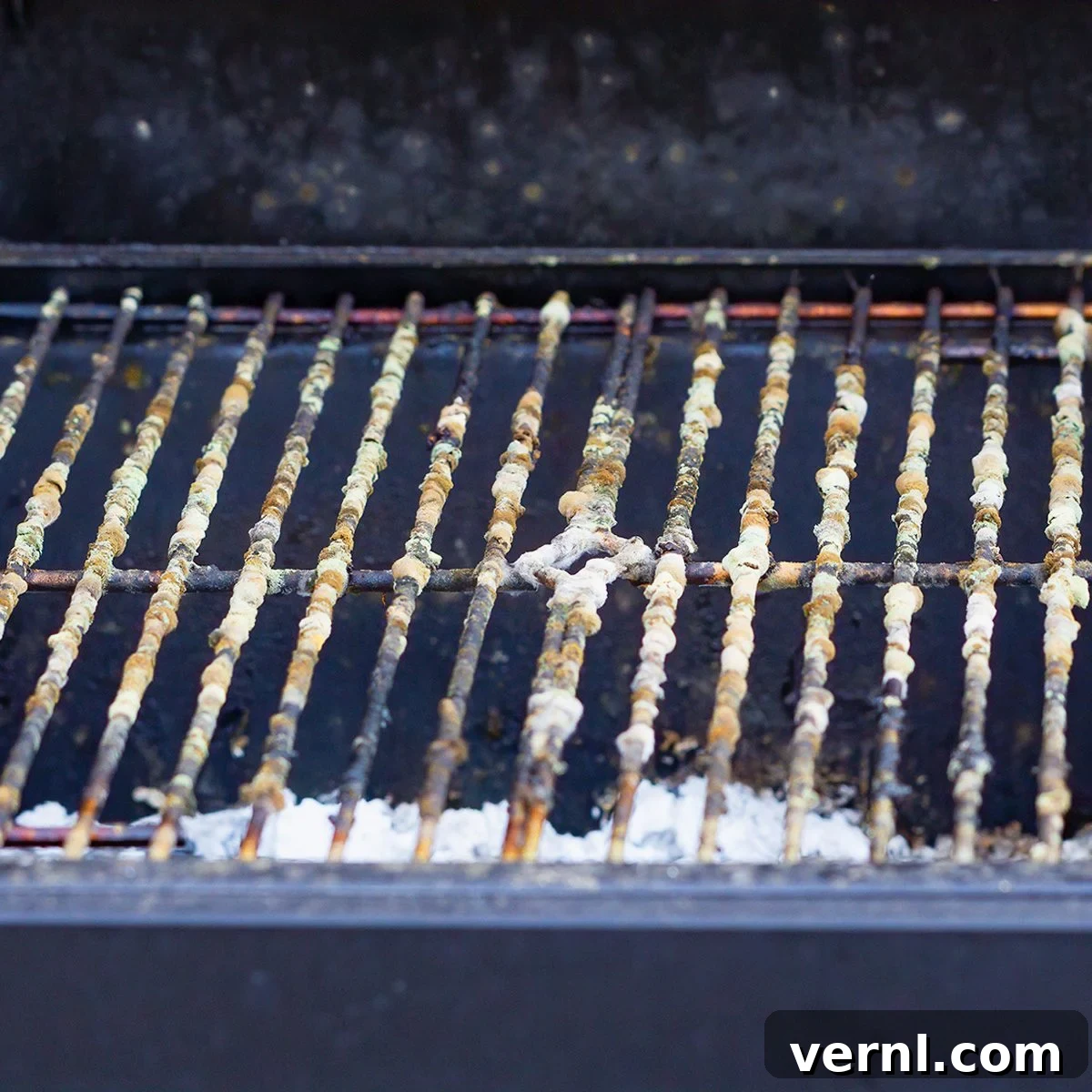
Mastering Grill Maintenance: Eliminating Green Stuff and Ensuring Safe Grilling
Discovering an unwelcome green substance on your grill can be alarming. While it might sometimes be a harmless metallic discoloration, often it’s a sign of grill mold, an issue that demands immediate attention before your next cookout. Ingesting mold can pose significant health risks, making proper grill hygiene paramount for any outdoor cooking enthusiast.
The prevalence of grill mold often depends on your local climate. Those in arid regions might rarely encounter such problems, but for grillers in humid environments, it’s a constant battle. This reality became clear to Jessica Randhawa, a renowned chef and popular recipe developer behind The Forked Spoon, during a recent experience.
“For most of my life as a chef, I have been accustomed to dry, hot summers where concerns about my grill grates turning green were nonexistent. However, this past summer, while living near the ocean in a high-humidity environment, I quickly learned invaluable lessons about the unique challenges of outdoor grilling in such conditions,” Randhawa shares.
To help you navigate these challenges, we’ve gathered essential insights from Randhawa and combined them with the expert advice of Ryan Schellhous, owner of Fire and Metal, a leading grill cleaning and repair service in the bustling San Francisco Bay Area. Together, they provide a comprehensive guide to understanding, preventing, and eliminating green growth on your grill, ensuring every meal is both delicious and safe.
Why Are My Grill Grates Turning Green? Identifying the Cause
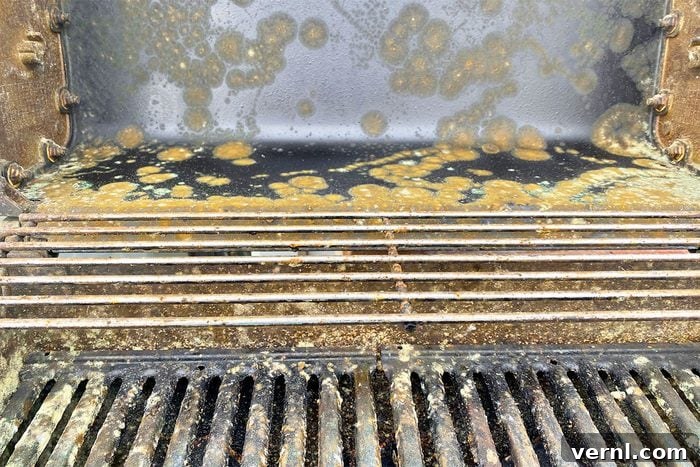
When you spot an unusual green hue on your grill, there are typically two main culprits, each with distinct implications for your grilling safety and equipment longevity: excessive heat or, paradoxically, a prolonged lack thereof. If you’re a frequent griller who consistently uses high heat, the discoloration might simply be a result of the metal oxidizing and changing color due to intense thermal exposure. This is often a harmless aesthetic issue.
However, if your grill sits unused for extended periods, perhaps for months between sessions, and never reaches optimal cooking temperatures, that green tinge is far more likely to be grill mold. This is a common scenario, especially when grills are stored without proper cleaning. Ryan Schellhous explains, “We frequently encounter mold issues when a grill has been dormant for a considerable time and wasn’t thoroughly cleaned before being put away. In such cases, the residual grease, leftover food particles, and melted cheese provide an ideal, sheltered food source for bacteria, various molds, and even pests like rodents.”
Understanding the difference between these two types of green discoloration is critical for maintaining a safe and functional grilling environment.
Grill Mold: A Closer Look at the Fungal Invader
Grill mold is a living organism that thrives on organic matter and moisture, capable of growing on various surfaces, including metal grates, ceramic components, and even high-grade stainless steel. Identifying mold is relatively straightforward, as Jessica Randhawa advises: “If the surface of your grill feels slimy or fuzzy to the touch, it’s a strong indicator of mold growth. This typically arises from a combination of leftover food particles, accumulated moisture, and insufficient airflow around and within the grill.”
Mold doesn’t appear overnight; it requires time to establish a colony. Daily grill users are less likely to encounter significant mold problems because the heat from cooking usually incinerates any nascent spores. However, if your grill remains unused for a week or longer, it provides ample opportunity for mold spores to germinate and flourish, particularly in conditions of high atmospheric humidity. Schellhous offers a serious warning: “If your grill hasn’t been heated above 400 degrees Fahrenheit in a long time, or hasn’t undergone professional cleaning, and you notice a strange or foul odor emanating from it, it should be considered unsafe for cooking until thoroughly addressed and sanitized.”
Metallic Discoloration: The Harmless Patina
In contrast to mold, metallic discoloration, often referred to as a patina, is a natural chemical reaction that occurs on certain metals. “If the green coloration on your grill grates or metal components is dry to the touch and appears more as a stain or a consistent patina, it’s likely due to the oxidation of metals such as copper, brass, or even some alloys found in stainless steel,” Randhawa clarifies. This process is similar to how a copper statue turns green over time.
To distinguish between mold and patina, Randhawa offers a simple yet effective test: “Wipe the affected area with a clean cloth. Mold will typically smear, leaving a residue and indicating its biological nature. A true metallic patina, on the other hand, will remain fixed on the metal surface, as it is a permanent alteration of the metal itself.” While a patina can alter the appearance of your grill, it generally doesn’t pose the same health risks as mold.
Is It Unsafe To Eat Food From a Green Grill? Understanding the Risks
The safety of cooking on a green grill hinges entirely on the underlying cause of the discoloration. This distinction is critical for your health and the quality of your food. “Under no circumstances should you cook food on a moldy grill,” emphatically warns Jessica Randhawa. “It is unequivocally unsafe, as mold spores are incredibly resilient and can easily survive the grilling process, subsequently contaminating your food and potentially making it harmful for consumption.”
Conversely, if the green on your grill is identified as a metallic patina, the situation is less severe. “While a patina on metal is not inherently harmful from a health perspective, it can noticeably affect the taste of the food being grilled,” Randhawa notes. The oxidized metal might impart a slightly metallic or bitter flavor profile, detracting from the intended taste of your meal.
Modern Research and Health Findings on Mold Ingestion and Inhalation
The detrimental health effects associated with mold exposure are well-documented by numerous health organizations. The U.S. Centers for Disease Control and Prevention (CDC) highlights that inhaling mold spores can trigger a range of respiratory and allergic reactions. These include a stuffy nose, persistent coughing, wheezing, burning sensations in the eyes, skin rashes, and can even exacerbate or induce asthma symptoms, particularly in individuals with pre-existing mold sensitivities or respiratory conditions.
While the dangers of inhaled mold are widely recognized, the consequences of ingesting mold are often less understood. The Cleveland Clinic explains that while people routinely consume certain types of mold in foods like blue cheese, this doesn’t mean all mold is benign. The danger lies in the vast diversity of mold strains. Some molds produce mycotoxins, which are toxic compounds that can cause a range of adverse health effects, from gastrointestinal distress to more severe systemic issues. “There are countless mold strains in the environment, and it is impossible to visually discern which ones are toxic and which are harmless on your grill,” cautions the Cleveland Clinic. “Therefore, the risk associated with ingesting unknown grill mold is far from negligible.” They further advise, “If you experience sudden symptoms such as shortness of breath, nausea, an elevated temperature, or severe diarrhea after consuming food from a potentially moldy grill, you should immediately seek professional medical attention.” Prioritizing grill cleanliness is therefore a direct measure to protect your health.
How Often Should I Clean My Grill? Establishing a Cleaning Schedule
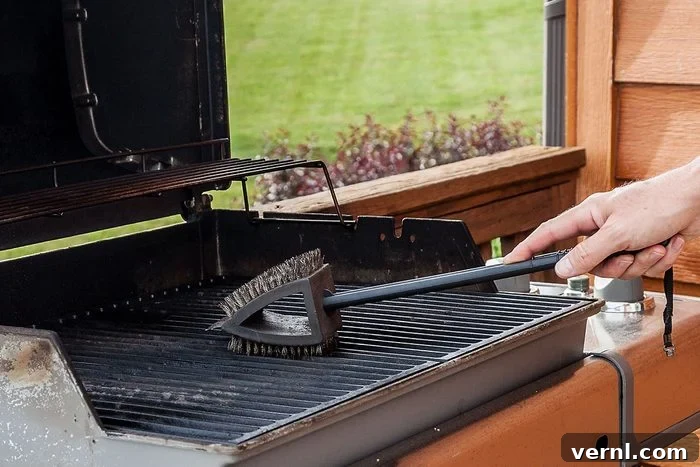
Establishing a consistent grill cleaning routine is fundamental not only for preventing unsightly green growth but also for ensuring food safety, optimal performance, and extending the lifespan of your equipment. The frequency of cleaning depends largely on how often you grill and the type of food you prepare.
Jessica Randhawa emphasizes the importance of regular maintenance: “To meticulously keep my family safe and ensure delicious results, I make it a practice to thoroughly clean my grill grates before each and every use. Furthermore, during the peak grilling season, when the grill sees frequent action, I commit to giving the entire grill a comprehensive deep cleaning every couple of weeks.” This dual approach addresses immediate food residue and prevents long-term buildup.
For those who rely on their grill for heavy, almost daily use, Ryan Schellhous recommends a more intensive approach. “For our clients who are heavy grill users, we strongly advise scheduling a professional steam cleaning of the internal components and firebox two to three times per year. This ensures the removal of stubborn grease and grime that daily cleaning might miss, ultimately guaranteeing you have a safe, clean, and fully functional grill for consistent high-performance cooking.” Regular maintenance, whether self-performed or professional, is an investment in your grilling pleasure and safety.
How To Clean Grill Components Effectively
A truly clean grill goes beyond just scraping the grates. Every component that comes into contact with food or heat requires attention to prevent grime buildup, mold, and operational issues. The process starts with the most frequently used part: the cooking grates.
“To properly clean my grill grates,” Jessica Randhawa explains, “I begin by scraping off any remaining food particles with a sturdy grill brush immediately after cooking while the grates are still warm. If there’s particularly stubborn residue or buildup, I then soak the grates in a basin of hot, soapy water for an extended period, allowing the grime to loosen. Finally, I rinse them thoroughly with clean water, dry them completely to prevent rust, and then lightly oil them before storage or the next use to maintain their condition and seasoning.”
However, successful grill cleaning doesn’t stop at the grates. When undertaking a deep cleaning of your grill, it’s imperative to extend your efforts to other critical areas. The burner tubes, heat diffusers (also known as flavorizer bars), and the interior of the firebox all accumulate grease and food debris. Neglecting these components can lead to serious performance problems. Ryan Schellhous frequently observes, “Many of the common complaints we service, such as ‘my fire isn’t hot enough’ or ‘my grill won’t light,’ are directly caused by improperly maintained and severely dirty burners. Blocked or corroded burner ports can severely impede gas flow and combustion efficiency, making your grill unreliable and potentially hazardous.” Using specialized grill cleaning tools, degreasers, and even a vacuum cleaner for ash and debris can ensure all parts are spotless and functioning as intended.
End of Season Grill Maintenance: Preparing for Winter Storage
As the grilling season winds down, particularly in regions like most of the U.S. where winter weather makes outdoor cooking impractical, proper end-of-season grill maintenance is essential. Storing your grill correctly not only protects it from the elements but also prevents the unwelcome growth of mold and bacteria, and deters rodents and insects from making your grill their winter home. A thorough cleaning and preparation can save you headaches and expenses come spring.
Ryan Schellhous provides a comprehensive checklist for putting your grill away for the season:
- Burn Off Residue: Initiate the process by letting your grill run on high heat for 15–20 minutes. This intense heat will incinerate and char as much residual food and grease as possible from the grates and interior surfaces, making subsequent cleaning much easier.
- Deep Clean All Components: After the burn-off and once the grill has cooled, perform a meticulous deep clean. This includes not just the cooking grates but also the burner tubes, heat shields, flavorizer bars, and the entire firebox interior. Remove any accumulated ash, grease, and debris.
- Disconnect Gas/Propane Supply: Safety is paramount. Disconnect the gas line from your natural gas supply or remove the propane tank. This eliminates the risk of accidental gas leaks during storage, which could lead to significant gas loss or, more critically, pose a fire hazard.
- Apply a High-Quality Grill Cover: Invest in a durable, properly-fitted grill cover. A good cover will protect your grill from moisture, dust, and environmental damage throughout the off-season.
Additionally, if your grill is portable or easily moved, it’s highly advisable to relocate it into a protected area such as a garage, shed, or covered patio. Even the best grill covers can sometimes leak or deteriorate over time, especially if they’ve been used for several seasons. Bringing it indoors provides an extra layer of protection against harsh winter conditions, preserving your grill for many more seasons of delicious barbecues.
Frequently Asked Questions About Grill Care
How can I prevent grill flare-ups?
Flare-ups are a common grilling nuisance that can char food and waste fuel. Jessica Randhawa shares, “It’s generally a wise practice to prevent flare-ups by trimming off any excess fat from meats before placing them on the grill. Although my husband and son often protest, as they enjoy the crispy fat, reducing it significantly minimizes drips onto the heat source.” Beyond trimming, consistent grill cleaning is crucial. Randhawa advises, “Regularly clean your grill to avoid greasy build-up on the grates or within the firebox below, as accumulated grease is the primary fuel for flare-ups.” Ryan Schellhous adds a mechanical tip: “Ensure that all the essential parts that came with your grill, such as heat shields, briquette trays, or flavorizer bars, are correctly installed and functioning properly. These components are designed to distribute heat evenly and vaporize drippings, preventing them from igniting.”
Is it safe to grill indoors or in a garage?
The safety of indoor grilling depends entirely on your grill type. “If you own a gas grill, it must never be used indoors or in an enclosed space like a garage,” states Schellhous unequivocally. “The combustion of propane or natural gas produces carbon monoxide, an odorless, colorless, and deadly gas, which can rapidly accumulate in unventilated areas, leading to carbon monoxide poisoning. Furthermore, the fire risk in enclosed spaces is exceptionally high.” Electric grills, however, are generally safe for indoor use. But even with electric grills, proper ventilation is key. “Without adequate airflow, all the smoke, grease, and cooking odors have nowhere to go,” Schellhous observes. “Not everyone desires that distinct ‘grill smoky flavor’ permeating their carpets, curtains, or furniture long after the meal is over.”
How far should my grill be from my house?
Both of our grilling experts concur on a critical safety guideline for grill placement. Your grill should be positioned at least 10 feet away from your house or any other combustible structures, including fences, sheds, and low-hanging tree branches. This recommended distance is vital for two primary reasons: to significantly minimize the risk of fire spreading to your property, especially during flare-ups, and to prevent smoke and cooking odors from wafting into your home through open windows or ventilation systems.
About the Experts
- Ryan Schellhous is the CEO of Fire and Metal, a premier retail outlet for high-quality grilling equipment in the Bay Area. Beyond sales, the company is highly regarded for its specialized grill cleaning and repair services, ensuring customers enjoy safe and efficient grilling experiences.
- Jessica Randhawa is the passionate head chef, innovative recipe creator, talented photographer, and compelling writer behind the immensely popular food blog, The Forked Spoon. She is dedicated to developing delicious, approachable, and family-friendly recipes that anyone can master, and her website proudly serves over one million users each month.
Sources
- Mold, U.S. Centers for Disease Control and Prevention, 2024.
- What Happens if You Accidentally Eat Moldy Food?, Cleveland Clinic, 2021.
Related Grilling and Home Articles
- The Real Reason Aluminum Foil Has a Shiny Side and a Dull Side
- Think Adirondack Chairs Are Uncomfortable? You’re Using Them Wrong
- Why You Shouldn’t Crush Aluminum Cans Before Recycling