
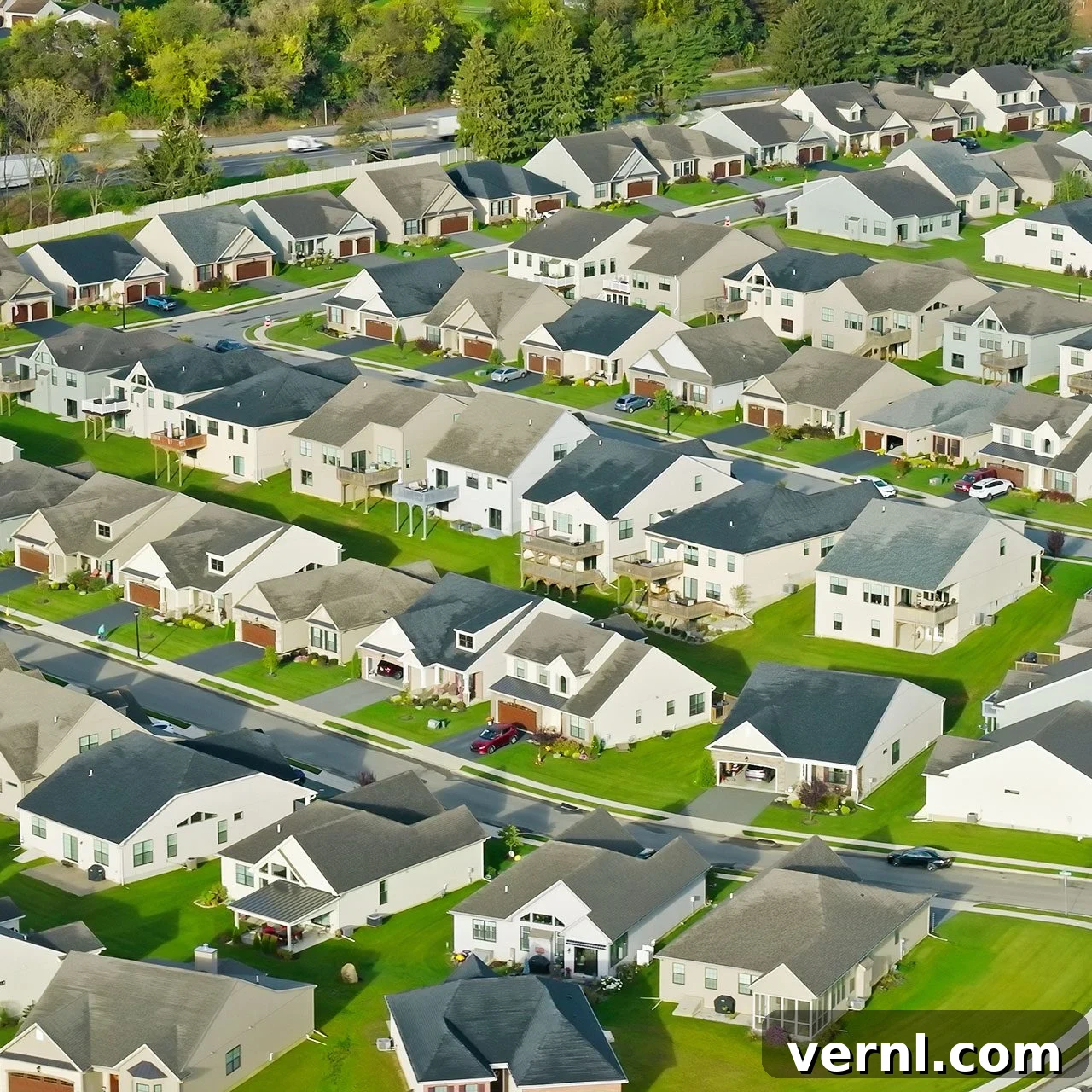
We’ve all noticed them: large, bright houses that seem to spring up overnight, replacing modest ranch homes and altering the rhythm of blocks that once felt balanced. Soon there’s another, and another, and before long a tidy street looks like a row of oversized versions of the same design. This trend of big new homes encroaching on established neighborhoods has become especially visible in cities like Dallas, where older bungalows and modest midcentury houses are often replaced by much larger builds.
For Sale: A $500,000 Teardown
Teardowns have long been part of Dallas’ growth pattern. Historic buildings and midcentury homes have been replaced over the years as land values rise and development pressure increases. On my bike rides through east Dallas — I clock around 75 miles a week — the pattern plays out repeatedly: a For Sale sign appears, a roll-off dumpster and a bulldozer show up, then the house disappears. In a matter of weeks the lot is cleared, utilities are installed, and a new foundation is poured.
Of course, Dallas is big and expanding. At over 9,000 square miles, the Dallas–Fort Worth metro area demands more housing options and higher density in desirable locations. Many buyers and families want modern amenities, larger rooms, and layouts that fit contemporary life. I grew up around custom home building, and I understand the appeal: a brand-new house built to current standards can be attractive and efficient for the people moving in.
It’s Going to Be One of Two Things
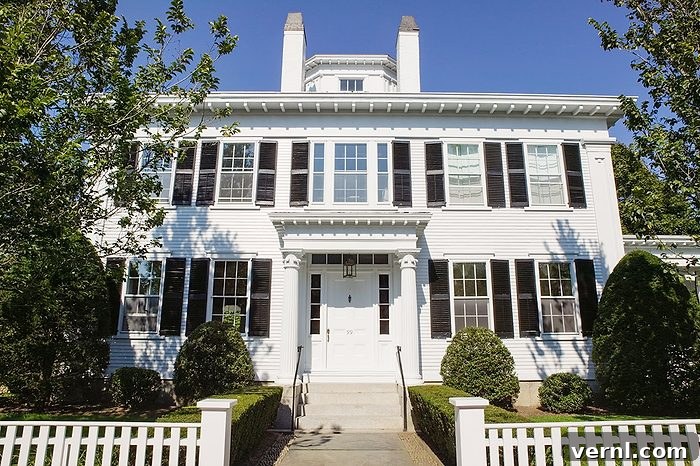
Once a lot is cleared, the new house usually heads in one of two stylistic directions: a boxy, minimal contemporary or a white, farmhouse-inspired design with dark roofing. The contempory builds can be striking, but when designers stack 4,000–5,000 square feet onto a modest lot, scale becomes the issue. The farmhouse look — popularized by television design personalities — aims to be broadly appealing and safe, but it often feels oversized next to a row of smaller, midcentury homes.
The changes affect neighbors in practical ways. Mature trees are removed, yards shrink, and shadows lengthen as taller structures rise. Streets that once had consistent sightlines and open backyard light now experience new privacy concerns and altered microclimates for gardens. All of that reshapes how residents live and interact with their environment.
Why Is This So Common Now?
Space and demand are major drivers. In established neighborhoods, there are only so many undeveloped lots left, and infill development or teardowns become the primary way to increase housing stock. Many older homes were built for a different era: smaller bedrooms, limited electrical capacity, and layouts that don’t suit modern families. Updating those houses to today’s standards can be expensive and time-consuming. For many buyers and builders, starting fresh is the more efficient option.
For homeowners, the lot — especially one located in a strong school district or near urban amenities — is often the most valuable part of the property. Buyers may not be purchasing the existing structure so much as the parcel of land and its location. From a builder’s perspective, zoning that allows larger floor area within setback and coverage rules incentivizes maximizing square footage to increase resale value.
Consumer preferences have also shifted. Newer homes are often larger than those built decades ago: median home sizes have grown substantially, reflecting changing expectations for space and amenities. Builders respond to market demand by producing designs that sell quickly and appeal to the broadest audience.
But Why Do They All Look the Same?
Uniformity comes down to risk management and marketability. Neutral colors, familiar styles, and repeatable floor plans reduce design risk and keep construction efficient. Builders can offer options and small personalizations while keeping the core product the same, which speeds up permits, construction schedules, and sales. The result is a large number of houses that look and feel similar because they target the largest pool of buyers.
Why Does It Matter?
Some readers may wonder why this should bother anyone. If new homeowners love their large farmhouse or airy modern home, that’s understandable. But the wider effect on neighborhood character and community dynamics is worth considering. When one house dramatically changes scale or sightlines, it can reduce neighbors’ satisfaction with their own homes and spark a chain reaction of renovations or teardowns as others feel pressure to keep up.
There are social and economic externalities to consider. A new, oversized home can block views, alter privacy, and force adjacent homeowners to change landscaping and routines. Over time, these changes shift the visual and social norms of a block, often favoring size and privatized amenities over the shared character that initially defined the neighborhood.
Still, neighborhoods evolve. As more homes are replaced, the old cottages or ranch houses that once stood out may come to seem dated among fresher designs. For those who prefer continuity, the transition is jarring; for others, it represents progress and investment. Both perspectives are valid, and the tension between them is part of how cities change.
Sources
- Census: Characteristics of New Housing (Historical and current reports)
- Dallas City planning and zoning materials
- National Association of Home Builders: data on teardowns and infill construction
- Academic studies on redevelopment, zoning, and the effects of large new homes on neighborhoods
- Builder and design trend surveys showing the popularity of farmhouse and contemporary styles