
Growing Petunias: A Comprehensive Guide to Planting and Care
Petunias have long been a beloved staple in gardens across the globe, captivating enthusiasts with their vibrant colors, prolific blooms, and remarkable versatility. From classic single-petal varieties to an astonishing array of modern hybrids, these beautiful flowering plants offer endless possibilities for adding charm and elegance to any outdoor space. I still vividly recall the buzz when the first Wave-type petunias burst onto the scene, revolutionizing container gardening and hanging baskets with their incredibly long, cascading stems. It felt like a gardening game-changer, allowing for breathtaking displays that draped over edges like floral waterfalls.
Today, the world of petunias is richer than ever, with plant breeders continuously introducing new varieties boasting an incredible spectrum of colors, intricate markings, and diverse growth habits. This exciting evolution means gardeners are spoiled for choice, making the decision of which petunias to cultivate both thrilling and delightfully challenging. Whether you’re aiming to fill a sprawling flower bed, adorn a sunny patio with vibrant containers, or create stunning hanging basket arrangements, there’s a petunia perfectly suited to your vision. This guide will walk you through everything you need to know about successfully planting, growing, and caring for these delightful annuals, ensuring your garden flourishes with their unparalleled beauty from spring until the first frost.
Are Petunias Perennials or Annuals? Understanding Their Life Cycle
While petunias are technically classified as tender perennials, they are overwhelmingly grown as annuals in most climates. This distinction is crucial for gardeners to understand when planning their planting strategies. A tender perennial is a plant that can live for more than two years but cannot tolerate cold temperatures, especially freezing conditions. Petunias, for instance, generally thrive in temperatures above 40 degrees Fahrenheit (approximately 4-5 degrees Celsius) and will not survive a hard frost.
For gardeners residing in warmer regions, specifically U.S. Department of Agriculture Plant Hardiness Zones 10 or 11, petunias can indeed behave as short-lived perennials, gracing your garden for a couple of years. In these frost-free environments, they may continue to grow and bloom through the winter months, albeit sometimes with reduced vigor. However, for the vast majority of us in temperate zones, the annual cycle is the reality. We plant them in spring, enjoy their spectacular display throughout the summer, and then bid them farewell as winter approaches, knowing we’ll welcome new plants the following season. Most of the captivating varieties available today, particularly the ones we find at garden centers, are modern hybrids specifically bred for vigorous growth and abundant flowering within a single growing season.
Exploring the Diverse Types of Petunias for Your Garden
The remarkable efforts of plant breeders have gifted us with an astonishing array of petunia types, each offering unique characteristics in terms of growth habit, flower size, and color palette. Understanding these classifications can help you select the perfect petunias to achieve your desired garden aesthetic and fulfill specific functional needs, whether it’s for cascading over a basket or filling a garden bed with upright blooms. When visiting your local garden center in spring, take the time to observe the plants in bloom and always check the plant tag for details on its specific type and growth habit.
Petunia Categories by Growth Habit and Flower Size:
- Grandiflora Petunias: These are the classic, large-flowered petunias, boasting blooms often 3-4 inches (7-10 cm) across. They tend to have an upright, mounding growth habit, making them excellent choices for garden beds and borders where a bold statement is desired. While stunning, their large petals can sometimes be susceptible to damage from heavy rain, which might lead to fewer blooms after a downpour.
- Multiflora Petunias: Characterized by an abundance of smaller, yet equally vibrant flowers (typically 1.5-2 inches or 4-5 cm), Multiflora petunias offer a dense, bushy display. They are generally more weather-tolerant and resilient than Grandifloras, making them a robust choice for general garden planting and areas prone to wind or rain. Their compact nature makes them ideal for mass plantings.
- Milliflora Petunias: As their name suggests, Millifloras feature tiny, dime-sized flowers (about 1 inch or 2.5 cm) in incredible profusion. These compact plants are perfect for intricate container arrangements, window boxes, or as edgings where delicate detail is appreciated. They maintain a neat, tidy appearance and require minimal deadheading.
- Spreading or Trailing Petunias (Wave Series & Supertunias): This revolutionary group transformed petunia popularity, known for their vigorous, long, trailing stems that can spread up to 4 feet (1.2 meters) or more. They are exceptionally well-suited for hanging baskets, window boxes, and as ground covers, creating breathtaking cascades of color. The Wave Series is perhaps the most famous, but other excellent spreading types like Supertunias offer enhanced heat tolerance, superior disease resistance, and continuous blooming with minimal fuss.
Outstanding Petunia Series to Consider:
Beyond these general categories, many specific series have been developed, each with its own unique appeal, all of which are typically grown as annuals and offer diverse visual characteristics:
- Frost Series: These petunias are celebrated for their distinctive, beautifully contrasting white edges, which dramatically highlight the rich colors of the petals, making each bloom truly pop in the garden. They create a striking visual effect that draws the eye.
- Wave Series: A pioneer in spreading petunias, this series is renowned for its incredibly long, vigorous stems, often reaching up to four feet. They create stunning cascades in hanging baskets, containers, and as ground covers, coming in a gorgeous array of pink, purple, red, and white shades, among others.
- Double Cascade Series: As the name implies, these petunias feature luxuriant double flowers, reminiscent of ruffled carnations or miniature roses. Their larger, fuller blooms add a touch of old-world charm, elegance, and opulence to any planting, making them superb for focal points.
- Dream Series: For those who appreciate the classic petunia aesthetic, the Dream Series offers single, generously sized flowers on more compact, manageable plants. They deliver reliable performance and vibrant color in traditional garden beds and containers, providing a solid foundation for any planting scheme.
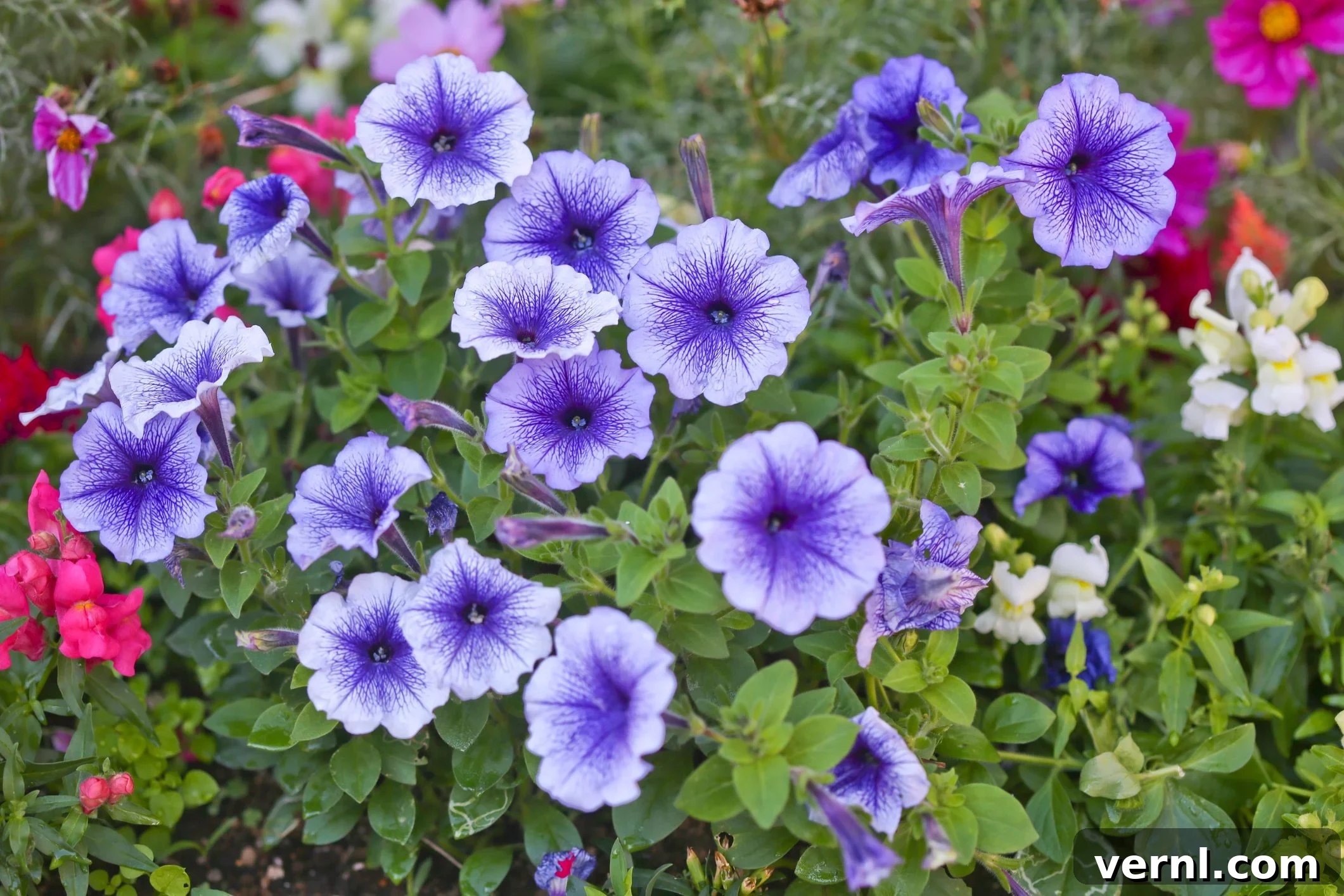
- Daddy Series: A visually striking choice, the Daddy Series petunias are distinguished by their prominent, darker veining that radiates from the center of each flower. This intricate patterning adds depth and a unique artistic flair to their colorful blooms, making them a conversation starter.
Optimal Timing: When to Plant Petunias for Best Results
Timing is a critical factor for successful petunia cultivation, especially given their sensitivity to cold. Knowing when to plant petunias, whether as annuals or in areas where they might perennialize, ensures they have the best start and can flourish throughout their growing season. Incorrect timing can lead to stunted growth, delayed blooming, or even plant loss.
Planting Petunias as Annuals:
If you’re treating petunias as annuals – which is the most common approach – the golden rule is to plant them in spring after all danger of frost has definitively passed in your region. This typically means waiting until your area’s average last frost date has come and gone, and nighttime temperatures consistently remain above 40°F (4°C). Planting too early risks damaging the tender young plants, as even a light frost can be detrimental. It’s also wise to check the soil temperature; ideally, it should be at least 60°F (15°C) for optimal root establishment and to avoid shocking the plants.
In regions experiencing particularly scorching summers, which some petunia varieties struggle with, you have the option of a second planting window. Introducing new petunia plants in late summer or early fall can provide a fresh burst of color, effectively extending your garden’s vibrant display. These later plantings will bloom beautifully, often thriving in the milder temperatures as summer heat subsides, and will continue their display until the first hard frost of winter signals their natural end. This strategy is excellent for continuous seasonal interest.
Planting Petunias as Perennials (Zones 10-11):
For those fortunate enough to live in frost-free USDA Zones 10 or 11, where petunias can act as perennials, both spring and fall are excellent times for planting. Spring allows plants to establish themselves before the peak heat of summer, giving them time to develop robust root systems. Fall planting, on the other hand, gives them ample time to root deeply during the cooler, more stable months before any potential dry spells or less favorable conditions. The goal is to avoid planting during periods of extreme heat or cold, giving the plants the best chance to settle in and develop a strong root system without undue stress. Ensuring established roots before challenging weather conditions is key to their longevity.
Cultivating Success: How to Plant Petunias
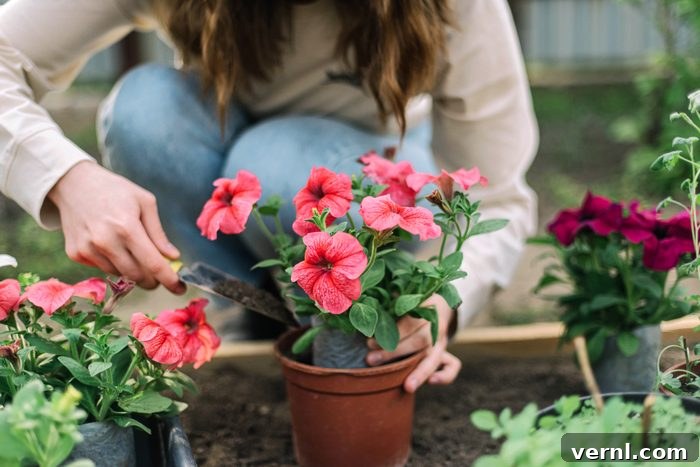
Whether you begin with nursery-bought plants or embark on the rewarding journey of growing petunias from seed, providing the right environmental conditions from the outset is paramount. All petunias share a few fundamental requirements for robust growth and abundant flowering: full sun exposure and consistently well-drained soil. Meeting these basic needs will set the stage for a spectacular display.
Site Selection and Soil Preparation:
- Full Sun: Petunias are sun-loving plants, requiring at least 6-8 hours of direct sunlight per day to produce their best blooms. In shadier conditions, they tend to become leggy, produce fewer flowers, and their colors may appear less vibrant. Choose a location that receives ample, unobstructed sunlight throughout the day for optimal performance.
- Well-Drained Soil: This is non-negotiable for petunias. They despise “wet feet,” meaning their roots should never sit in soggy soil, which can lead to root rot and other fungal issues. Ideally, the soil should be loose, fertile, and slightly acidic to neutral (pH 6.0-7.0). If your garden soil is heavy clay, amend it generously with organic matter like compost, well-rotted manure, or peat moss to improve drainage and aeration. For sandy soils, organic matter will help retain essential moisture and nutrients, preventing rapid leaching.
- Container vs. In-Ground: Petunias perform exceptionally well in both garden beds and containers, offering flexibility in design. For containers, always use a high-quality potting mix designed for annuals, which inherently offers excellent drainage and aeration, preventing compaction. Ensure all containers have adequate drainage holes to allow excess water to escape freely.
Planting Purchased Petunia Plants:
Purchasing young petunia plants from a nursery is the quickest way to achieve a vibrant display. Once the danger of frost has passed and soil temperatures are appropriate, follow these steps:
- Harden Off (if necessary): Even purchased plants, if they’ve been kept in a sheltered greenhouse, may benefit from a brief hardening-off period. Gradually expose them to outdoor conditions over a week (starting with a few hours and increasing duration daily) to acclimate them to direct sun, wind, and temperature fluctuations. This reduces transplant shock significantly.
- Prepare the Planting Site: Dig a hole twice as wide as the plant’s root ball and deep enough so the top of the root ball is level with the surrounding soil. For garden beds, incorporate any necessary soil amendments. Remove any weeds or debris from the planting area.
- Planting: Gently remove the petunia from its nursery pot, being careful not to disturb the roots too much. If the roots are tightly bound, gently loosen them at the bottom. Place the plant in the prepared hole. If planting multiple petunias, space them according to the plant tag’s recommendations, usually 8-12 inches (20-30 cm) apart for mounding varieties and more for vigorous spreading types to allow for optimal growth and air circulation.
- Backfill and Water: Fill the hole with soil, gently firming around the base of the plant to remove any air pockets. Water thoroughly immediately after planting to help settle the soil around the roots and further reduce transplant shock.
Starting Petunias from Seed:
Growing petunias from seed is a cost-effective and rewarding option, though it requires a bit more patience and attention to detail. Petunia seeds are incredibly tiny, almost dust-like, which is why they are often sold as “pelleted” seeds. This means each seed is coated with a water-soluble clay material, making them larger, easier to handle, and simpler to space accurately during sowing.
- Timing: Start seeds indoors about 10 to 12 weeks before your area’s predicted last frost date. This critical head start gives them ample time to grow into sturdy seedlings ready for transplanting outdoors once all risk of cold weather has passed.
- Sowing Seeds: Fill shallow seed-starting trays or containers with a sterile, fine-textured seed starting soil mix. Lightly moisten the mix before sowing. Scatter the tiny seeds (or pelleted seeds) thinly and evenly over the surface. Do not cover them with soil, as petunia seeds require light to germinate effectively. If using pelleted seeds, a very light dusting of fine vermiculite might be acceptable to help maintain moisture.
- Germination Environment: Gently mist the surface with water to settle the seeds. Cover the container with a clear plastic dome or plastic wrap to maintain high humidity and prevent the soil from drying out. Place the trays under fluorescent grow lights or on a very sunny windowsill. Maintain a consistent temperature of 70-75°F (21-24°C) for optimal germination, which usually occurs within 7-14 days.
- Care After Germination: Once seedlings emerge, remove the plastic cover to improve air circulation and prevent damping-off disease. Keep them under grow lights for 12-16 hours daily to promote strong, compact growth. Ensure the soil remains consistently moist but never waterlogged; use a bottom-watering method if possible.
- Transplanting Seedlings: When seedlings have developed two sets of true leaves (the second set of leaves that appear after the initial “seed leaves” or cotyledons, which are embryonic leaves), they are ready to be carefully transplanted into individual small pots or cell packs. Handle them gently by their leaves, not their delicate stems, to avoid damage. Continue to grow them under lights, providing more space as they grow.
- Hardening Off: Before planting outdoors, it is crucial to harden off seedlings over a period of 7-10 days. This involves gradually exposing them to outdoor conditions – starting with a few hours in a sheltered, shady spot and slowly increasing their exposure to direct sunlight, wind, and cooler nighttime temperatures. This process toughens them up and minimizes transplant shock, preparing them for the rigors of the garden.
Nurturing Your Blooms: Comprehensive Petunia Care
Petunias are rightfully celebrated as relatively low-maintenance flowers, but providing consistent care will ensure they deliver a spectacular, season-long performance. With just a few simple practices, you can keep your petunias blooming profusely from spring until autumn, maximizing their beauty and impact in your garden.
Watering Petunias:
Consistent moisture is key for petunias, especially those grown in containers and hanging baskets, which tend to dry out much faster than in-ground plantings due to increased air circulation and limited soil volume. As a general rule:
- Containers: Check daily, and in hot, dry weather, you may need to water once or even twice a day. The soil should feel moist when you insert a finger about an inch deep. Ensure water drains freely from the bottom of the pot; never let them sit in standing water.
- In-Ground: Water deeply once or twice a week, or more frequently during prolonged dry spells or periods of rapid growth. Aim to keep the soil consistently moist but never soggy; proper drainage is paramount.
- Technique: Always water at the base of the plant, directly onto the soil. Avoid wetting the foliage, as consistently damp leaves can create an ideal environment for several fungal diseases, such as powdery mildew or botrytis, especially in humid conditions. Drip irrigation or soaker hoses are excellent methods for petunias, delivering water directly to the root zone.
- Signs of Thirst: Wilting leaves are a clear sign that your petunias need water. However, prolonged wilting can severely stress the plant and reduce blooming, so aim to water before they reach this obvious point of distress.
Fertilizing Petunias:
To support their continuous blooming throughout the growing season, petunias are heavy feeders, particularly when grown in containers where nutrients are readily leached out with each watering. Regular fertilization is vital for vibrant color and robust growth:
- Containers: Use a balanced, water-soluble fertilizer, such as a 10-30-20 or similar bloom-boosting formula (higher in phosphorus to encourage flowering). Apply every 1-2 weeks according to the package directions during the active growing season. Alternatively, you can incorporate a slow-release granular fertilizer into the potting mix at the time of planting, which will feed the plants gradually over several months, reducing the need for frequent liquid applications.
- In-Ground: If your garden soil is rich in organic matter and has been well-prepared, petunias may not require as frequent fertilization. However, if you notice foliage becoming pale green, yellowing, or blooms diminishing in size and frequency, it’s a good indication that a nutritional boost is needed. Apply a balanced liquid fertilizer every 3-4 weeks to maintain vigor.
- Recommended Type: A water-soluble fertilizer formulated specifically for flowering plants will provide the essential macronutrients (nitrogen, phosphorus, potassium) and micronutrients needed for vigorous growth and abundant blooms. Always follow the manufacturer’s instructions carefully for mixing and application rates to prevent over-fertilization, which can burn roots and damage the plant.
Pruning and Deadheading Petunias:
While many modern petunia varieties are lauded as “self-cleaning” (meaning they naturally drop spent blooms and don’t strictly require deadheading to keep flowering), a little pruning can significantly enhance their vigor, appearance, and overall bloom production throughout the season:
- Deadheading (for non-self-cleaning varieties): If you have older petunia varieties or simply want to encourage maximum bloom production on any type, make it a habit to pinch or snip off spent flowers. This crucial step prevents the plant from expending precious energy on seed production and directs that energy back into creating more vibrant blooms, resulting in a fuller, more floriferous plant.
- Trimming Leggy Growth: By mid-summer, even self-cleaning petunias can start to look a bit “leggy” or stretched, with fewer flowers toward the tips of long stems and sparse foliage at the base. To re-energize your plants and promote a bushier habit with renewed blooming, give them a rejuvenating “haircut.” Trim back long, straggly stems by about one-half to two-thirds of their length. Don’t be afraid – this drastic-looking measure often results in a flush of new, compact growth and a spectacular second wave of flowers within a couple of weeks, revitalizing your display for late summer and fall.
- Pinching Young Plants: When petunia seedlings or young nursery plants are still small, pinching off the growing tips (the very top few leaves) can encourage them to branch out laterally, leading to a fuller, bushier plant from the start rather than a tall, spindly one.
Pest and Disease Management for Petunias:
Although generally robust, petunias can occasionally fall victim to common garden pests and diseases. Early detection and intervention are key to maintaining healthy, flourishing plants:
- Common Pests:
- Aphids: Small, soft-bodied insects that typically cluster on new growth, buds, and the undersides of leaves, sucking sap. Look for distorted leaves, stunted growth, or a sticky residue (honeydew). Treat with a strong spray of water, insecticidal soap, or neem oil.
- Thrips: Tiny, slender insects that feed on flower petals and leaves, causing silvery streaks, distorted growth, and sometimes browning. Biological controls or insecticidal soaps can be effective.
- Spider Mites: Microscopic pests that thrive in hot, dry conditions, causing stippling (tiny dots) on leaves, yellowing, and fine webbing, especially on the undersides of leaves. Increase humidity around plants and use insecticidal soap or miticides.
- Slugs and Snails: These mollusks can chew ragged holes in leaves and flowers, particularly in damp conditions. Hand-picking, beer traps, or organic slug baits can help control them.
- Common Diseases:
- Powdery Mildew: Appears as white, powdery spots on leaves and stems, especially in humid conditions with poor air circulation. Ensure good plant spacing and avoid overhead watering. Treat with fungicides specifically for powdery mildew.
- Botrytis Blight (Gray Mold): A fungal disease causing fuzzy gray mold on flowers and leaves, particularly prevalent in cool, wet conditions. Remove infected parts immediately and improve air circulation around plants.
- Root Rot: Caused by overly wet, poorly drained soil, leading to the roots suffocating and decaying. Symptoms include wilting and yellowing despite adequate watering. Prevent by ensuring excellent soil drainage and avoiding overwatering.
- Viral Diseases: These can cause stunted growth, distorted leaves, and unusual patterns or mottling on foliage and flowers. There is no cure for viral diseases; infected plants should be removed and destroyed to prevent spread.
- Prevention: Good air circulation, proper watering techniques (always at the base of the plant, avoiding wet foliage), healthy soil, and appropriate plant spacing contribute significantly to disease and pest prevention. Regularly inspect plants for any early signs of trouble, allowing for prompt intervention.
Overwintering Petunias:
As discussed, petunias are typically grown as annuals and are not hardy in freezing temperatures. However, if you reside in the balmy USDA Zones 10 or 11, your petunias might continue to grow and bloom through the winter, provided they are not exposed to freezing temperatures or prolonged cold snaps. In colder zones, attempting to overwinter mature petunia plants usually isn’t recommended due to their tender nature and the challenges of providing adequate light and humidity indoors.
If you have a particularly cherished petunia variety in a colder zone and wish to try to keep it, you could potentially bring containerized petunias indoors before the first hard frost. Place them in a sunny window (south-facing is ideal) or under grow lights, and significantly reduce watering as their growth naturally slows down during winter. Alternatively, a more successful method for propagating specific varieties is to take cuttings from healthy plants in late summer or early fall, root them in water or a sterile potting mix, and grow these young plants indoors over winter to replant in spring. This method is often more successful than trying to overwinter an entire mature plant, which often struggles in indoor conditions due to lower light, reduced humidity, and potential pest issues.
Maximizing Petunia Lifespan: How Long Can They Last?
When grown as annuals, petunias are designed to provide a spectacular, continuous display from the last spring frost right up until the first hard frost of autumn. Their lifespan within a single growing season can be remarkably long, often spanning 4-6 months or even more, depending on your specific climate and the attentive care they receive. The key to maximizing their bloom period and overall health lies in consistent, diligent horticultural practices.
By diligently keeping them well-watered, especially during hot, dry spells, providing them with regular nourishment through appropriate fertilization to fuel their continuous flowering, and periodically giving them a revitalizing “haircut” through pruning, you actively encourage continuous new growth and flower production. These proactive practices prevent the plants from becoming leggy and tired, ensuring a vibrant, floriferous show that lasts the entire growing season. Treat your petunias well, and they will generously reward you with an uninterrupted tapestry of color and beauty in your garden, transforming any space into a welcoming oasis until winter dormancy sets in.