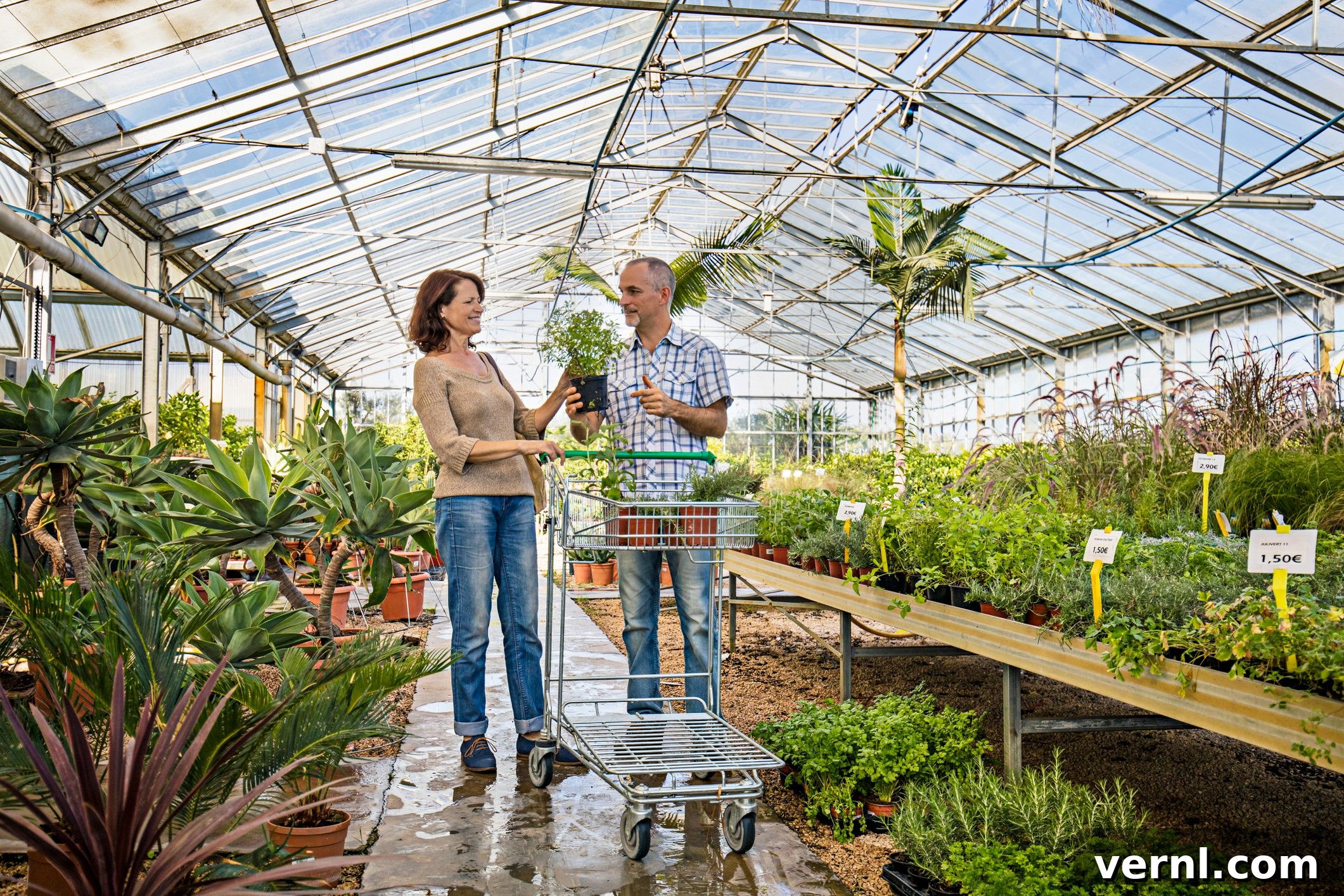
The arrival of spring brings an undeniable urge to immerse ourselves in the vibrant world of plants, often leading to impulsive purchases that exceed our available space. This common enthusiasm, while wonderful, can result in crowded gardens, stressed plants, and unnecessary returns. There’s no magic formula for determining the exact number of plants you need, and even the most seasoned gardeners, myself included, occasionally find themselves over-buying. As an avid container gardener who annually nurtures over 75 pots, my driveway temporarily transforms into a plant holding area as I gather selections from local garden centers. Navigating this excitement strategically can save you time, money, and help you cultivate a healthier, more beautiful garden. If you’re looking to be more intentional with your plant purchases and create a thriving outdoor oasis, I’ve compiled a wealth of helpful tips to guide you.
Cultivate Cohesion: Buy Within a Specific Color Palette
One of the most effective strategies for a harmonious garden design is to select a specific color palette. Begin by choosing three primary colors for your container plants, flower beds, or landscape design. This focused approach significantly increases the likelihood that every plant you bring home from the garden center will seamlessly integrate into your overall aesthetic. Imagine a garden bursting with a deliberate blend of cool blues, crisp whites, and vibrant purples, creating a serene and sophisticated atmosphere. Conversely, introducing a bright orange plant into this scheme without prior thought can disrupt the visual flow and make it stick out awkwardly. A well-defined color theme acts as a powerful guiding principle during your shopping trips, preventing impulsive purchases that might clash with your existing plants or desired look. Consider cool palettes featuring blues, purples, and silvers for a calming effect, or warm palettes with reds, oranges, and yellows for an energetic vibe. You might also explore monochromatic schemes, utilizing varying shades of a single color for an elegant and sophisticated display. By committing to a plan and adhering to your chosen color theme, you ensure every plant contributes positively to a unified and stunning garden.
Demystifying Plant Growth: Understand Spread Versus Spacing
The terms “spread” and “spacing” are frequently, yet incorrectly, used interchangeably in gardening, leading to considerable confusion and often, planting errors. A clear understanding of these two distinct concepts is fundamental for healthy plant growth and effective garden planning. Spread defines the maximum width a mature plant is expected to achieve under ideal growing conditions. This measurement is crucial for understanding how much horizontal space a single plant will occupy once it reaches its full size. For instance, a shrub with a spread of 4 feet will eventually grow to be 4 feet wide. Spacing, on the other hand, describes the recommended distance you should maintain between multiple plants of the same type when planting them in a group. This recommendation is typically provided on plant tags or seed packets. If you desire your plants to grow together and create a continuous, lush display—such as a dense groundcover or a solid hedge—you will need to purchase more plants than the minimum spacing requirements suggest. For example, if a plant has a 1-foot spread and a recommended spacing of 1 foot, planting them 1 foot apart will eventually lead to them touching and filling in. However, if you want an immediate, seamless look, you might plant them slightly closer, being mindful of potential overcrowding issues. Conversely, if you prefer individual plants with visible space between them, adhere strictly to the larger end of the spacing recommendation. Understanding this distinction allows you to anticipate your garden’s future appearance and prevent common problems like overcrowding, which can lead to poor air circulation, increased pest and disease issues, and stunted growth.
Patience or Instant Impact: Decide How Quickly You Desire the Finished Look
The desired speed at which your plants fill a space, whether in containers or in the landscape, significantly influences how many you should purchase. When planting patio pots in the spring, you generally have ample time to observe their growth and enjoy the gradual transformation throughout the season. There’s a particular joy in watching young plants mature and fill out their containers. However, if you’re embarking on a late-season project or planting fall containers, where the growing window is shorter, starting with more or larger plants is often the best approach to achieve that immediate, full, and impactful look. Landscape designer Mark Dwyer of Landscape Prescriptions by MD offers valuable insights: “Tight spacing does create challenges for access related to watering and weeding, but a tightly planted display of annuals also helps to shade the soil. That helps it retain moisture and minimizes weed competition.” This strategic benefit can be particularly useful in areas prone to drying out or where weed control is a persistent challenge. Conversely, when planting perennials and shrubs in the landscape, patience is paramount. These plants often take a few years to fully establish and fill their designated spaces. While you can accelerate the process by starting with larger, more mature specimens, expect to mulch generously between them and remain diligent with weeding in the interim. The initial sparse appearance of newly planted perennials will eventually give way to a lush, established landscape, rewarding your foresight and patience.
Economical & Healthy: Traditional-Style Flowerpots Use Fewer Plants
For annual plantings in containers, especially when following the popular thriller-filler-spiller method in the spring, you can achieve stunning results with fewer plants if you’re content with waiting for them to grow and fill in. This method encourages healthier plants by providing ample root space and promoting better air circulation throughout the container. Adequate air flow is crucial for reducing the incidence of common pests and diseases, as it prevents humidity buildup that can foster fungal issues. Containers potted in this thoughtful manner are far more likely to thrive and last all season, as the plants are not competing excessively for resources. This approach results in robust, long-lasting displays. For traditional 10- to 12-inch flower pots, a good guideline is to use three to four annuals of average vigor (such as geraniums, verbena, or calibrachoa), or two extra-vigorous plants (like Dragonwing begonia, Supertunia Vista petunias, or coleus), or alternatively, a single one-gallon potted perennial or shrub. Moving up to traditional 14- to 16-inch flower pots, you can comfortably accommodate four to six annuals of average vigor, three extra-vigorous plants, or a single one or two-gallon potted perennial or shrub. For larger traditional 16- to 20-inch flower pots, consider filling them with six to eight annuals of average vigor, four extra-vigorous plants, or a single two- or three-gallon potted perennial or shrub. These recommendations ensure your plants have the space they need to flourish, leading to a vibrant and enduring display.
Instant Splendor, Higher Maintenance: Florist-Style Flower Pots Use More Plants
If your primary goal is for your containers to exude an immediate sense of lushness and fullness right after planting—perhaps for a special event, an upcoming party, or a quick seasonal refresh—then opting for a “florist-style” planting with more plants is the way to go. This approach is particularly suitable when plants will have limited time to grow and fill in naturally, such as when creating arrangements in September for the autumn season. Many of the pre-planted combination containers available at garden centers are designed using this florist-style technique, offering instant gratification. However, while visually impactful, it’s important to be aware of the potential downsides that accompany this method, beyond the initial added expense. The increased density of plants in a florist-style container leads to greater root competition, meaning each plant is vying for a finite amount of space and resources. As a direct consequence, the soil will dry out significantly faster, necessitating more frequent watering sessions. You’ll need to water these containers much more frequently, sometimes even daily in hot weather, to prevent wilting and stress. Furthermore, as the season progresses and the plants grow, you’ll likely need to actively manage the density. This involves pruning out selective stems to maintain shape and air circulation, or even removing entire plants if certain vigorous varieties begin to dominate and crowd out their companions. A full container also demands more consistent fertilization. With more plants competing for available nutrients in the limited soil volume, a regular feeding schedule is essential to support their vigorous growth and keep them looking their best throughout the season.
Precision Planning: Use a Plant Calculator for Garden Beds
For gardeners looking to fill an empty space with a single type of plant, such as a mass planting of a specific ground cover, or several varieties that share a similar mature size and growth habit, plant spacing calculators are incredibly helpful tools. These digital aids streamline the planning process, taking the guesswork out of determining plant quantities. Garden Crossings’ plant calculator, for instance, offers an intuitive interface that simplifies this task. Many local garden center websites also provide similar resources, making them easily accessible. To utilize such a tool effectively, you’ll need two key measurements: the length and width of the garden space you intend to plant, and the mature spread of the plant you’ve chosen. With these inputs, the calculator automatically computes the approximate number of plants required to fill the specified area uniformly. While highly efficient for homogenous plantings, it’s important to acknowledge the limitations of this type of tool. It becomes less effective if your design incorporates a mix of plants with vastly different mature sizes and growth rates, as it cannot account for complex interplanting strategies. Similarly, if your garden bed features an irregular or unconventional shape, a standard rectangular or square calculator may not provide an accurate estimate. In such cases, a more manual approach involving sketching your design and estimating individual plant placements might be more appropriate.
Long-Term Vision: Estimate Number of Plants for Hedges
Calculating the number of plants needed to form a hedge can be remarkably straightforward, provided you embrace patience as a core tenet of your gardening philosophy. Hedges, by their nature, require time to mature and fill in, forming the desired screen or border. Many aspiring hedge growers are tempted by the desire for instant privacy and make the mistake of spacing their plants too closely together. This common error, while seemingly offering immediate density, creates significant long-term problems. Overcrowded hedges become highly susceptible to pests and diseases due due to poor air circulation, and the intense competition for light, water, and nutrients stresses the plants, leading to weakened growth and often, premature replacement far sooner than if they had been properly spaced from the outset. Horticulturist Kristina Howley of Spring Meadow Nursery strongly emphasizes the importance of carefully evaluating spacing when planting a hedge. Plant labels are your most valuable resource here; they typically provide a recommended spacing range, such as four to six feet. “Use the plant’s mature spread to help inform your spacing decisions,” she advises. “If you’d like a solid hedge with few gaps, go with the smaller end of the recommended spacing range. If you don’t want the plants to touch or want an airy look, use the larger end of the spacing range.” This nuanced approach ensures that your hedge will grow into a healthy, aesthetically pleasing feature rather than a struggle against nature. Furthermore, consider the maintenance implications of your spacing. Tightly packed hedges might require more frequent pruning to manage their density. Hedge plants can be a significant investment, and not all nurseries offer returns, especially on living material. Always check your store’s return policy thoroughly before making a purchase, ensuring you understand the terms should any issues arise.
Maximizing Yield: Fewer is Better When Spacing Vegetables
In the realm of vegetable gardening, the principle of “fewer is better” often holds true, particularly when it comes to spacing. It’s paramount not to overcrowd your vegetable beds, as this can severely impede growth and reduce harvest yields. You’ll likely find that you need far fewer plants than your spring enthusiasm might initially suggest. The same wisdom applies to seed packets; you may not need to sow every single seed. Instead, consider saving some for staggered sowings, which allows for a continuous harvest over an extended period. As Mark Dwyer wisely states, “Most vegetables like to have ample space to grow and good air circulation around the plants is a must.” This emphasis on air circulation is critical for preventing common vegetable diseases that thrive in damp, stagnant conditions. He further recommends, “Follow the thinning suggestions on the plant tag or seed packet especially for root vegetables like carrots and radishes.” If you overcrowd your carrots, for instance, they will compete intensely for resources and space, resulting in stunted, twisted, and underdeveloped roots rather than the long, straight specimens you desire. Similarly, crowded leafy greens may bolt prematurely, and fruiting vegetables like tomatoes or squash will produce smaller, less abundant harvests. Instead of dense planting, Dwyer recommends a strategic approach to maximizing your space and yield: “maximizing your space with successive sowings and rotating your plants around the garden from year to year for best success.” Successive sowings involve planting small batches of seeds every few weeks, ensuring a continuous supply of fresh produce. Crop rotation, on the other hand, helps to manage soil nutrients and prevent the buildup of soil-borne pests and diseases by changing the location of different vegetable families each year. By respecting the individual space requirements of each vegetable, you promote robust growth, enhance air circulation, minimize disease risk, and ultimately, enjoy a more bountiful and healthier harvest.
Mastering the art of plant shopping involves moving beyond impulse buys towards thoughtful, strategic planning. By considering factors like color palettes, understanding the nuances of plant spread and spacing, and aligning your purchases with your desired aesthetic and timeline, you can transform your garden into a flourishing masterpiece. Whether you’re crafting vibrant container displays, planting a sturdy hedge, or cultivating a productive vegetable patch, these guidelines will empower you to make informed decisions. Remember, a well-planned garden is not just about aesthetics; it’s about creating a healthy, sustainable environment where every plant has the opportunity to thrive. Embrace the journey of intentional gardening, and watch your outdoor spaces come alive with beauty and vitality.