The Ultimate Guide to Gas Fireplace Maintenance: Ensuring Safety, Efficiency, and Longevity
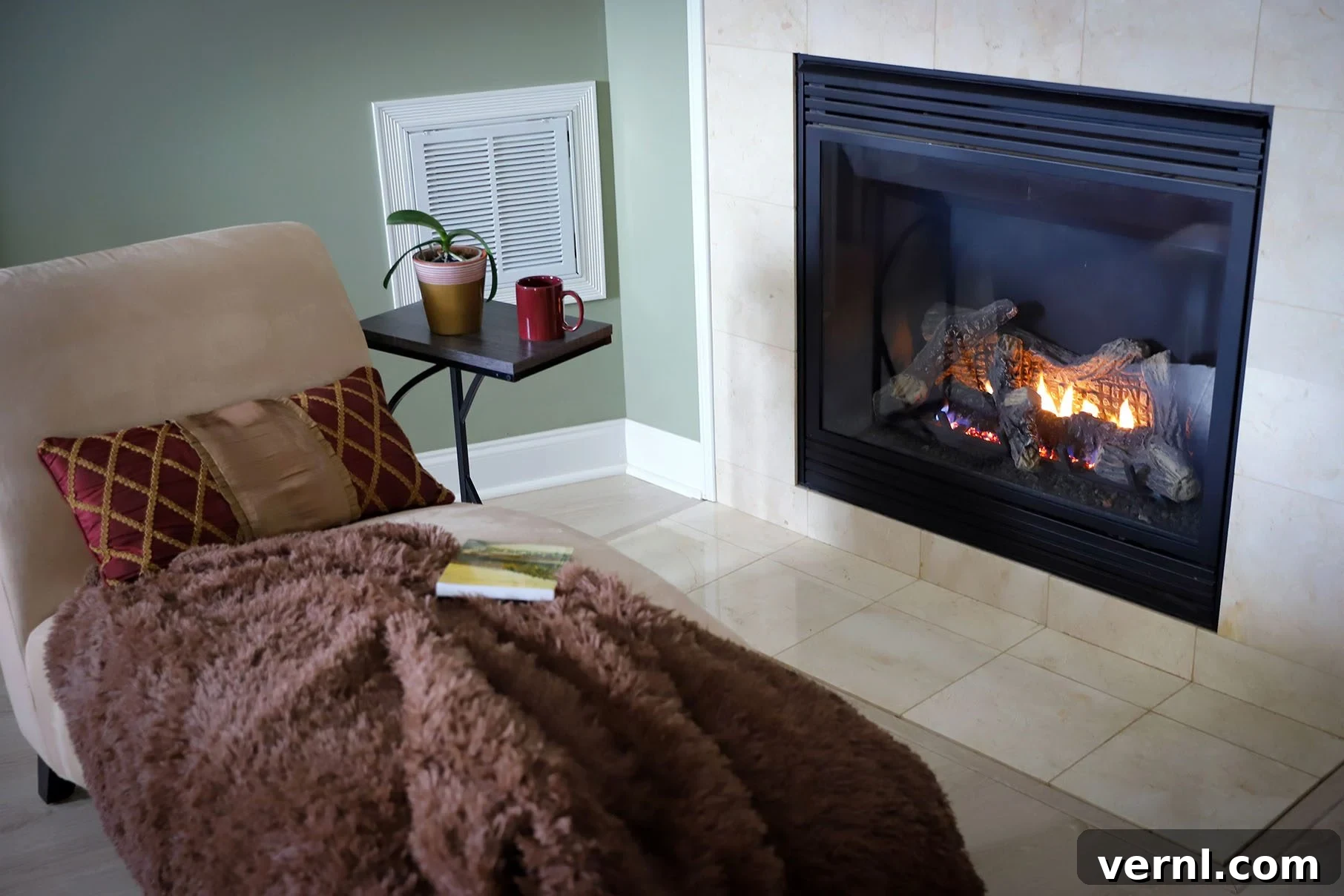
In modern homes, gas fireplaces have significantly surpassed traditional wood-burning units in popularity. According to industry magazine Hearth & Home, sales of gas fireplaces far outpace those of their wood-burning counterparts. This shift isn’t surprising, as U.S. homeowners increasingly prioritize convenience, cleaner operation, and environmental health. Gas fireplaces offer the cozy ambiance of a real fire without the mess, smoke, or extensive cleanup associated with burning wood.
While the initial investment for a gas fireplace, including materials and installation, can range from $2,000 to $4,500 and beyond, it’s an investment that significantly enhances your home’s comfort and value. To truly protect this valuable asset and ensure its safe, efficient operation for years to come, regular gas fireplace servicing is not just recommended—it’s essential.
Why Regular Gas Fireplace Maintenance is Crucial
Many homeowners assume that because gas fireplaces burn cleanly, leaving no smoke, cinders, or wood ash behind, and eliminating the need for sooty chimney sweeps, they are maintenance-free. This is a common misconception. Despite their clean-burning nature, gas fireplaces still require consistent fireplace maintenance and professional service. This proactive approach is vital for several key reasons:
- Enhanced Safety: The primary concern with any gas appliance is safety. Regular servicing helps identify and prevent potential hazards such as gas leaks, carbon monoxide emissions, or electrical malfunctions before they become serious threats to your home and family. Faulty components or blockages can lead to incomplete combustion, producing dangerous levels of carbon monoxide.
- Optimized Efficiency: A well-maintained gas fireplace operates at peak efficiency, meaning it converts more of its fuel into usable heat. Over time, dust, debris, and wear can reduce efficiency, leading to higher energy bills. Regular cleaning and calibration ensure your fireplace delivers maximum warmth with minimal fuel consumption.
- Extended Lifespan: Like any mechanical system, a gas fireplace benefits from routine care. Addressing minor issues promptly prevents them from escalating into major, costly repairs. This extends the overall lifespan of your unit, protecting your initial investment.
- Reliable Performance: Nobody wants their fireplace to fail on a cold winter night. Regular checks ensure that all components, from the igniter to the burner, are functioning correctly, providing reliable warmth and ambiance when you need it most.
- Preserved Aesthetics: Dirt, soot, and mineral deposits can accumulate on the glass and logs, diminishing the visual appeal of your fireplace. Maintenance includes cleaning these elements, keeping your fireplace looking pristine and inviting.
While some aspects of cleaning your gas fireplace can be a DIY task, particularly for those comfortable working around natural gas lines, it’s crucial to exercise caution. If you have any hesitation or lack experience with gas appliances, it is always advisable to call a qualified fireplace service professional. Their expertise ensures the job is done safely and thoroughly, safeguarding your home and peace of mind.
What Does a Comprehensive Gas Fireplace Service Entail?
Servicing a gas fireplace is generally less messy and less labor-intensive than cleaning out a traditional wood-burning fireplace. Whether you choose the DIY route for basic tasks or hire a professional, understanding the necessary steps is key to proper maintenance. If you opt for DIY, allocate approximately an hour to complete a thorough check.
- Exterior Inspection and Structural Integrity: The service begins with a visual check of the entire unit. Technicians will ensure the fireplace is properly mounted, plumb, and level, with no gaps or cracks in the surrounding framework that could compromise its integrity or draw in unwanted drafts. They will also check clearances from combustible materials.
- Glass Panel Examination and Cleaning: The glass panel is crucial for containing the flame and ensuring efficient operation. Inspect the glass for any chips, cracks, or damage that could affect safety or efficiency. Clean the interior and exterior of the glass using a non-ammonia cleaning product, such as vinegar in a spray bottle or a specialized fireplace glass cleaner. Ammonia-based cleaners can leave a film when exposed to heat. Pay close attention to the door trim and verify that all glass panes are secure. Critically, glass doors are equipped with gasket seals that must be airtight to prevent room air from being drawn into the combustion chamber and to ensure proper ventilation. If these seals are loose or compromised, they can often be reset with gasket cement or high-heat silicone caulk. If they cannot be repaired, replacement is necessary to maintain safety and efficiency.
- Ceramic Log Inspection and Arrangement: While not real wood, the ceramic or cement logs in your gas fireplace are designed to mimic a natural flame pattern. Over time, these logs can deteriorate, crack, or fade in color due to constant heat exposure. A thorough inspection will identify any damage that might affect the flame’s appearance or the fireplace’s efficiency. The good news is that these decorative logs can typically be swapped out without needing to replace the entire fireplace unit. Ensure they are correctly positioned according to the manufacturer’s specifications to allow for proper gas flow and realistic flame aesthetics.
- Gas Ignition and Burner Assembly Check: This is one of the most critical steps. Test-fire the interior gas ignition system, which typically includes a pilot light or electronic igniter, to ensure it lights correctly and consistently. Once satisfied, turn off the gas supply at the unit. Carefully clean all valves, ports, and the burner pan located under and amid the logs. Use a soft brush, a wad of fine steel wool, or fine-grit sandpaper to gently remove any accumulated dust, debris, or carbon deposits that could obstruct gas flow or affect flame quality. After cleaning, perform a gas leak check: brush a solution of water mixed with dish soap over all connections, lines, valves, and ports. The appearance of bubbles indicates a gas leak, which requires immediate professional attention. Never ignore a gas smell, and always prioritize safety. Learn more about how to light a gas fireplace safely.
- Interior Vacuuming and Debris Removal: Gas fireplaces can accumulate a surprising amount of dust, pet hair, dead insects, and other household debris over time. These accumulations can block air vents, impede the pilot light, or even become a fire hazard. Use a shop vac or a standard vacuum cleaner with appropriate attachments to thoroughly clean the interior of the firebox, paying special attention to the burner area and any accessible vents.
- Carbon Monoxide Detector Verification: A routine fireplace service is incomplete without ensuring the functionality of your carbon monoxide (CO) detectors. Carbon monoxide is an odorless, colorless, and highly toxic gas produced by incomplete combustion. Even with efficient gas fireplaces, a malfunction in the venting system or burner could release CO into your home. Confirm that all CO monitors installed near your fireplace and throughout your home are operational by pressing their test buttons. If you do not have a CO detector installed within the vicinity of your gas fireplace, adding one is a critical safety measure. Remember to replace your carbon monoxide detectors every five to seven years, as their sensors degrade over time.
- Chimney and Venting System Inspection: Unlike wood-burning fireplaces that require regular chimney sweeping, gas fireplaces typically don’t accumulate significant soot. However, their venting systems are still vital and need inspection. The biggest threat to a gas fireplace chimney or vent is condensation. Gas combustion produces water vapor, which can condense and become acidic, potentially damaging the flue liner and masonry over time. Inspect the exterior chimney structure for visible damage, cracks, or blockages. Inside, look for damp patches on walls or ceilings near the fireplace, water stains, or white powdery blotches on exterior masonry (known as efflorescence). These are all telltale signs of a compromised venting system or water intrusion, which can lead to serious structural damage and safety concerns. If any of these signs are present, it is imperative to call a professional chimney inspector or fireplace technician immediately.
When Should You Schedule Gas Fireplace Service?
The frequency of your gas fireplace service checks largely depends on how often you use the unit. Establishing a routine maintenance schedule is key to proactive care:
- Annual Service (High Usage): If you frequently use your gas fireplace, enjoying its warmth from autumn all the way through spring, an annual service check is strongly recommended. The ideal time to conduct or schedule this service is early in the summer or late spring. This ensures your fireplace is thoroughly inspected and prepared well in advance of the colder months, preventing any unexpected issues when you’re ready to use it.
- Biennial Service (Occasional Usage): For homeowners who use their gas fireplace only occasionally or for short periods during the colder season, a service check every two years may suffice. However, even with infrequent use, components can still degrade, and dust can accumulate, so regular checks remain important.
Pro Tip: Always consult your fireplace manufacturer’s guidelines for specific maintenance recommendations, as these can vary between models and brands. Adhering to these recommendations can also be crucial for maintaining warranty coverage.
Understanding the Cost of Gas Fireplace Servicing
The cost of professional gas fireplace servicing can vary based on several factors:
- Geographic Location: Labor rates for technicians differ significantly from one region to another. Urban areas typically have higher service costs than rural ones.
- Size and Condition of the Fireplace: Larger, more complex units or fireplaces that have been neglected for a long time may require more extensive cleaning and inspection, driving up the cost. If significant repairs or part replacements are needed, this will also add to the expense.
- Urgency of the Service Call: Emergency calls, especially during peak heating season, are often more expensive than pre-scheduled maintenance appointments.
On average, expect to spend between $100 and $250 for a standard gas fireplace service call. In some areas or for more complex services, costs may be higher. If you opt for DIY fireplace servicing, the cost is minimal, primarily involving cleaning supplies, and potentially the cost of minor parts if replacements are needed, such as gasket cement or new logs.
Remember that investing in routine maintenance is almost always more cost-effective than waiting for a major breakdown or safety hazard to occur. Proactive care can save you significant money and stress in the long run.
Beyond Maintenance: Everything You Need to Know About Gas Fireplaces
Understanding your gas fireplace completely involves more than just maintenance. Explore these essential resources to maximize your fireplace experience, from initial setup to troubleshooting:
- Indoor Gas Fireplace Safety for Beginners: Comprehensive guidelines for safe operation.
- 8 Types of Gas Fireplaces: Learn about the different styles and functionalities available.
- How to Install a Gas Fireplace: A guide to the installation process.
- How to Light a Gas Fireplace: Step-by-step instructions for safe ignition.
- How to Clean a Gas Fireplace: Detailed instructions for DIY cleaning.
- Guide to Gas Fireplace Inserts: Understand how inserts work and their benefits.
- Best Gas Fireplace Inserts for Homeowners: Top recommendations for upgrading your hearth.
- Noisy Gas Fireplace Blower? Here’s How to Replace It: Troubleshooting and repair for common issues.
Conclusion
A gas fireplace provides warmth, comfort, and an inviting focal point for any home. By committing to regular maintenance, whether through diligent DIY efforts or professional servicing, you ensure its safe and efficient operation. This proactive approach not only extends the life of your appliance but also safeguards your family from potential hazards, maximizes energy efficiency, and preserves the aesthetic appeal that makes your fireplace a cherished feature. Don’t wait for problems to arise; embrace routine care to enjoy your gas fireplace to its fullest, safely and reliably, for many years to come.