
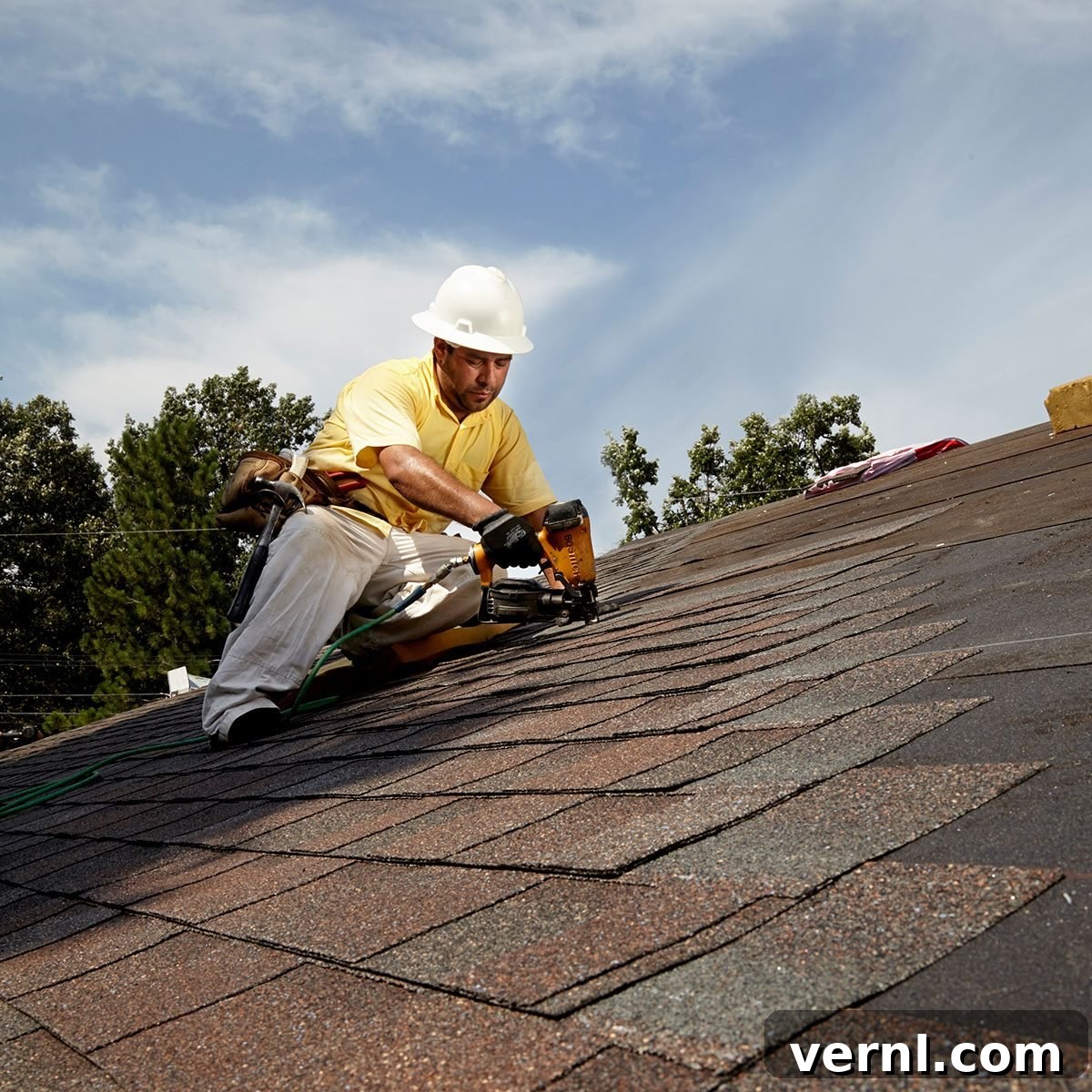
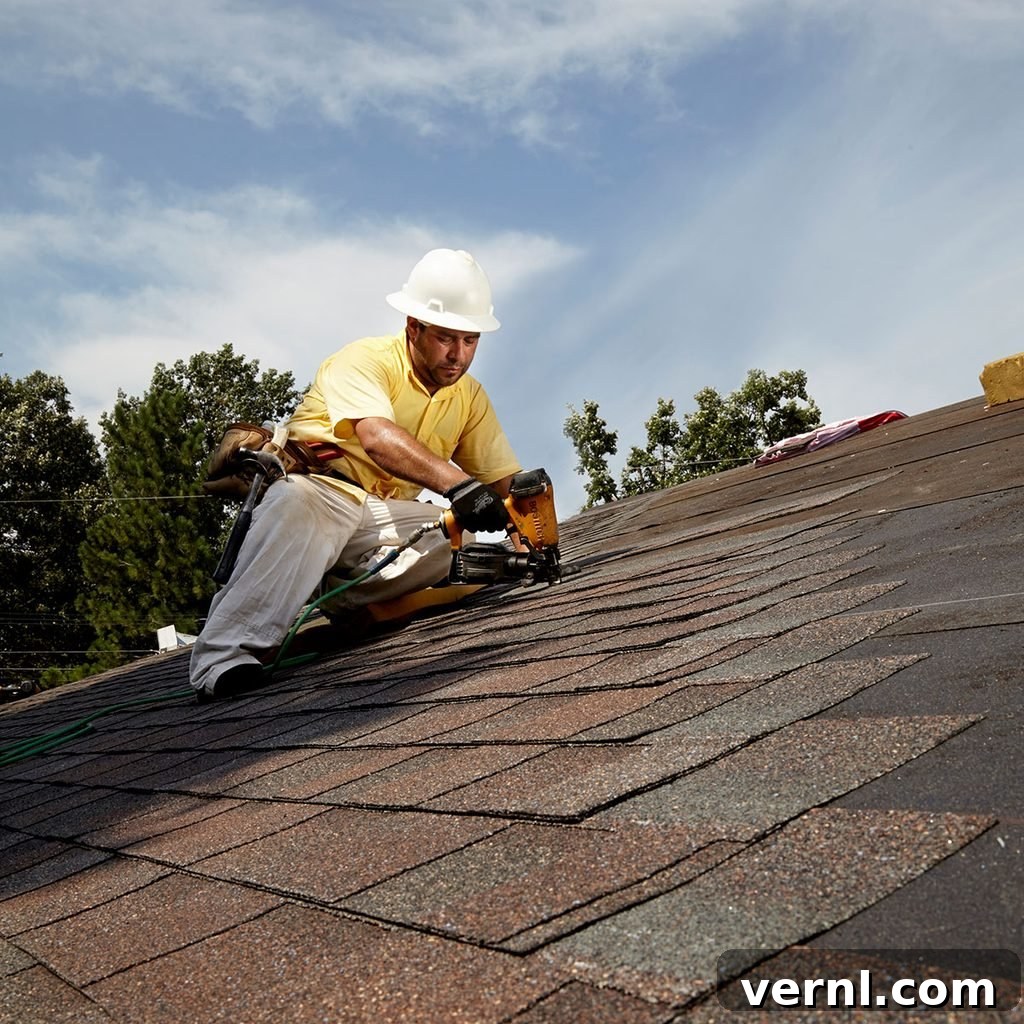
How to Select a Reliable Roofing Contractor: Your Guide to a Secure Home
Your home’s roof is much more than just a cover; it’s the primary line of defense against the elements, protecting your family, possessions, and the structural integrity of your entire property. Investing in a new roof or significant roof repair is a substantial financial undertaking, often representing one of the most critical home improvement projects you’ll ever undertake. The prospect of shopping for a new roof can feel daunting, with numerous contractors vying for your business and a complex array of materials and techniques to consider. However, entrusting the security and longevity of your roof to the right professionals is paramount. This comprehensive guide outlines the essential steps and crucial considerations you should follow to ensure you make an informed decision, leading to a high-quality roof installation and complete peace of mind.
Building Your Initial List of Prospective Roofing Contractors
Resist the temptation to choose the very first roofing contractor you find online or the one that offers an seemingly attractive quote without further investigation. A hasty decision in such a vital area can lead to significant problems down the road, from shoddy workmanship to unexpected costs. Instead, adopt a methodical approach by compiling an initial list of up to ten roofing contractors in your local area. This initial broad search allows you to gather a diverse pool of candidates. From this broader list, you can begin the crucial process of narrowing down your options based on objective and verifiable criteria, ensuring that only truly qualified and reputable professionals remain under consideration for your valuable roofing project.
Filtering Your Options: Essential Criteria for Qualification
Once you have your initial list, it’s time to apply a rigorous filtering process to separate the genuine professionals from less desirable options. Several non-negotiable criteria should be used to immediately cross off contractors from your list:
Verify Licensing and Insurance
This is arguably the most critical step. Any reputable roofing contractor must be fully licensed to operate in your state and locality. Licensing ensures they meet specific industry standards and are legally permitted to perform work. Equally important, they must carry comprehensive insurance policies. This includes general liability insurance, which protects your property from any damage caused by the contractor or their crew during the project, and workers’ compensation insurance, which covers their employees in case of injury on your property. Without proper insurance, you could be held financially responsible for accidents or damages, turning your roofing project into a costly nightmare. Always ask for proof of current licensing and insurance certificates and verify them directly with the issuing authorities.
Check Their Reputation with the Better Business Bureau (BBB)
The Better Business Bureau provides valuable insights into a company’s business practices and customer service history. Look for contractors with an A+ rating, indicating a strong commitment to resolving customer complaints and adhering to ethical business standards. While a few minor complaints are not uncommon over many years in business, a pattern of unresolved issues or a consistently low rating should be a significant red flag.
Scrutinize Online Customer Reviews
In today’s digital age, online reviews offer a window into other customers’ experiences. Explore platforms like Google Reviews, Yelp, Angi (formerly Angie’s List), and HomeAdvisor. Pay attention to both the quantity and quality of reviews. Look for consistent positive feedback regarding professionalism, communication, quality of work, adherence to deadlines, and cleanup. Be wary of contractors with an overwhelming number of negative reviews, especially those detailing poor workmanship, missed deadlines, or difficulty resolving issues. Also, be discerning; an unusual number of identical or overly positive, vague reviews might indicate manipulation.
Beware of “Phone Quotes” Without Inspection
A professional and ethical roofing contractor will never provide a definitive quote over the phone without first conducting a thorough, in-person inspection of your roof and property. There are simply too many variables that can only be assessed visually: the current condition of your shingles, the type and extent of any damage, underlying decking issues, flashing integrity, ventilation systems, and potential access challenges. A contractor willing to quote sight-unseen is likely to provide an inaccurate estimate, leading to hidden costs and disputes later on, or worse, may overlook critical issues that compromise the quality and longevity of the repair or replacement.
Selecting Your Top Three Roofing Candidates
After your initial screening, you should have a more refined list of qualified contractors. Now, it’s time to delve deeper and narrow it down to your top three contenders. This stage involves asking more pointed questions and evaluating their operational approach:
Inquire About Their Business Longevity and Experience
Ask how long the company has been in business under its current name. While a newer company isn’t necessarily bad, a contractor with a long-standing history (e.g., 5-10+ years) often indicates stability, experience in various roofing challenges, and a proven track record within the community. Established companies are more likely to honor warranties and be around for future service needs.
Demand a Dedicated Onsite Project Contact
For any significant roofing project, clear and consistent communication is vital. Ask if they will provide a dedicated onsite point of contact or project manager for your specific project. This ensures you have a single, knowledgeable person to address your questions, concerns, and any on-the-spot decisions throughout the entire duration of the work. Without this, communication can become fragmented, leading to misunderstandings and delays.
Request and Verify Professional References
A reputable contractor will be proud to provide a list of recent clients you can contact. When you receive these references, don’t just put them aside; actually call them. Ask specific questions about their experience with the contractor: Was the project completed on time and within budget? How was the quality of work? Were there any unexpected issues, and how were they handled? Was the cleanup thorough? Would they hire this contractor again? These first-hand accounts are invaluable in gauging a contractor’s reliability and quality of service.
Scheduling Onsite Estimate Appointments with Your Top Three
With your top three roofing candidates identified, the next crucial step is to invite each of them to your home to perform a detailed, in-person estimate for the roofing work that needs to be done. It is highly recommended that you accompany each contractor as they move about your home, both inside and out. This allows you to observe their inspection process, ask questions in real-time, and demonstrate your engagement with the project.
What a Thorough Roofing Inspection Entails
A truly professional roofer will conduct a comprehensive assessment that goes beyond just the surface of your existing roof. They should meticulously inspect the exterior components, including:
- Shingles/Roofing Material: Checking for cracks, missing pieces, curling, blistering, granules loss, or signs of wear.
- Flashing: Examining the metal strips around chimneys, vents, skylights, and valleys for proper installation and sealant integrity, as these are common areas for leaks.
- Gutters and Downspouts: Assessing their condition, proper alignment, and capacity to handle rainwater, as issues here can lead to fascia rot and foundation problems.
- Soffits and Fascia: Looking for any signs of water damage, rot, or pest intrusion.
- Vents: Ensuring proper attic ventilation, as inadequate airflow can lead to premature roof deterioration and higher energy bills.
Crucially, a good roofer will also ask for access to your attic if available. Inside, they will inspect:
- Roof Decking/Sheathing: Checking for water stains, rot, mold, or sagging, which could indicate leaks or structural issues.
- Insulation: Looking for signs of moisture or compression that might affect thermal performance.
- Attic Ventilation: Confirming that the ventilation system is functioning correctly to prevent heat and moisture buildup.
During this walkthrough, pay attention to the level of detail they provide and their willingness to answer your questions thoroughly. A contractor who takes their time, explains their findings clearly, and points out specific issues demonstrates professionalism and a genuine commitment to an accurate assessment. By the end of these three estimates, you’ll not only have a clearer understanding of the work required but also a much better idea of which roofer you feel most comfortable working with.
Insist on a Detailed Written Quote, Promptly Provided
After their onsite inspection, each of your prospective contractors should provide you with a comprehensive quote in writing. This is non-negotiable. Furthermore, they should do so promptly. If you find yourself waiting for longer than a week for a written quote, especially after promising one sooner, it can be a strong indicator that the contractor lacks efficiency, organization, or is simply not prepared to handle your business with the professionalism you deserve. Such delays can foreshadow problems during the project itself.
What a Comprehensive Written Quote Should Include:
A detailed, well-written quote is a testament to a contractor’s professionalism and clarity. It should clearly outline every aspect of the project, leaving no room for ambiguity or hidden costs. Look for the following components:
- Specific Scope of Work: A clear description of what will be done, including removal of old roofing, preparation of the deck, installation of new materials, and any ancillary work.
- Material Specifications: Exact details of all materials to be used, including brand names, product lines, colors, and specific warranties for shingles, underlayment, flashing, vents, and other components.
- Labor Costs: Itemized costs for labor involved in the project.
- Permit Fees: Confirmation that all necessary permits will be obtained and included in the cost.
- Project Timeline: An estimated start and completion date for the project.
- Payment Schedule: A clear breakdown of payment milestones (e.g., initial deposit, progress payments, final payment upon completion).
- Cleanup Plan: A detailed description of post-construction cleanup procedures (addressed further below).
- Warranty Information: Explicit details of both the manufacturer’s material warranty and the contractor’s workmanship warranty, including their duration and what they cover.
Contractors who hand you a meticulous, clearly articulated quote promptly are generally those who are organized, transparent, and ready to handle your business efficiently and professionally. This level of detail allows you to make an “apples-to-apples” comparison between different bids and ensures you understand exactly what you’re paying for.
Defining Post-Work Cleanup in Your Contract
The job isn’t truly finished until your property is returned to its pre-construction state, if not better. Your contractor should explicitly include a detailed plan for post-construction cleanup in their written contract. If it’s not listed, or if it’s vaguely worded, insist on getting it clearly itemized and specified before you sign on the dotted line. This detailed cleanup should encompass several critical elements:
- Material Removal: All old roofing materials, discarded packaging, and construction debris must be completely removed from your property and properly disposed of. This is especially crucial if the job entails a complete roof replacement, which generates a significant amount of waste.
- Nail Sweeping: The contractor should commit to thoroughly sweeping your yard, driveways, and surrounding areas with powerful magnetic rollers to collect all stray nails and metal fragments. This prevents punctures to tires, lawnmowers, and injuries to pets or people.
- Protection of Landscaping: Measures should be taken to protect shrubs, flowerbeds, and other landscaping elements from falling debris during the project.
- Final Inspection: A commitment to a final walkthrough with you to ensure all cleanup requirements have been met to your satisfaction.
By getting these cleanup details in writing, you’ll ensure that you’re not left with a giant, potentially hazardous mess once the roofing work is done. It holds the contractor accountable for the complete project, from installation to final tidiness.
Understanding Warranties: Your Long-Term Protection
Beyond the immediate completion of the project, warranties are crucial for protecting your investment in the long term. A reputable roofing contractor will offer two primary types of warranties:
- Manufacturer’s Material Warranty: This warranty covers the roofing materials themselves (e.g., shingles, underlayment) against defects. Durations can vary significantly, often ranging from 20 years to lifetime, depending on the product and manufacturer. Ensure you understand what specific defects are covered, the process for making a claim, and if the warranty is transferable to a new homeowner if you sell your property.
- Contractor’s Workmanship Warranty: This covers the quality of the installation and any issues arising from poor workmanship. A good contractor will stand behind their work for a substantial period, typically 5 to 10 years, though some may offer longer. This is critical because even the best materials can fail prematurely if not installed correctly.
Always get both warranties in writing, understand their terms and conditions, and confirm what actions might void them (e.g., unauthorized repairs). The absence of a strong workmanship warranty should be a major concern.
Crucial Red Flags to Watch Out For
While following the steps above will guide you toward reputable contractors, it’s equally important to be aware of warning signs that indicate you should steer clear:
- Unsolicited Door-to-Door Offers: Especially after a storm, be wary of contractors who show up uninvited, pressuring you for an immediate inspection or a deal that “won’t last.”
- High-Pressure Sales Tactics: Any contractor pushing for an immediate decision, offering steep discounts for signing today, or making you feel uncomfortable should be avoided.
- Demanding Full Payment Upfront: While a reasonable deposit is standard, never pay for the entire project before any work has begun. A common payment schedule involves a deposit, progress payments, and a final payment upon satisfactory completion.
- Cash-Only Deals: Insisting on cash payments can be a sign of a contractor trying to avoid taxes or operate outside legal boundaries, offering you no financial protection.
- No Written Contract or Vague Agreements: Never proceed without a detailed, signed contract. Verbal agreements are rarely enforceable and leave you vulnerable.
- Estimates Far Below Others: If one quote is significantly lower than all others, it might indicate shortcuts, substandard materials, lack of insurance, or hidden costs.
- Out-of-State License Plates/Temporary Setup: While not always a red flag, be extra cautious with storm chasers who set up temporary operations in an area after a natural disaster and disappear once the work is done, leaving no one to honor warranties.
The Importance of Clear Communication Throughout the Project
Even with the most reputable contractor, issues can arise. What distinguishes a great contractor is their ability to communicate effectively and address challenges proactively. Ensure your chosen contractor has a clear communication plan. How often will you receive updates? How will unexpected issues be handled? Who is your primary point of contact? Consistent, transparent communication will alleviate stress and ensure that any deviations from the original plan are discussed and agreed upon before work proceeds.
Final Walkthrough and Payment
Once the roofing work is officially “complete,” don’t release the final payment until you have conducted a thorough final walkthrough with your contractor. Inspect the roof (safely, or from a distance if necessary), check your landscaping for debris, and ensure all contract terms, including cleanup, have been met. If you notice any issues, point them out and have them rectified before issuing the final payment. This final check is your last opportunity to ensure complete satisfaction.
By diligently following the steps outlined above and taking any additional measures you deem necessary before the roofing work commences, you will significantly reduce the inherent risks associated with such a large home improvement project. Hiring a reliable, experienced contractor with a long-standing history of excellent service and outstanding references will provide you with the indispensable peace of mind you need. You’ll rest easy, knowing that quality work is being performed on your most important asset, ensuring your home remains safe, secure, and protected for many years to come.
Richard Frazier works with Arlington Roofing Contractors, located in Arlington, TX.