
There’s nothing quite like the great outdoors – the crisp scent of pine, the gentle rustle of leaves, or the invigorating spray of ocean waves. You spend the day exploring, building up a hearty appetite, only to return to your campsite to face a familiar disappointment: a dilapidated, rust-eaten fire ring and a grill rack that looks suspiciously like a relic from a tetanus factory. This common camping frustration often dampens the spirit of outdoor cooking and enjoyment, forcing adventurers to either settle for subpar meals or forego the comforting glow of a campfire altogether.
But what if you could sidestep this undesirable fate? Imagine arriving at your destination, whether a secluded forest spot or a bustling beachside reserve, and effortlessly setting up a reliable, clean, and efficient fire source. This vision is entirely achievable with the right equipment: a portable fire pit. These innovative devices transform your camping experience, providing not only a safe and controlled way to enjoy crackling flames but also a versatile platform for preparing delicious meals under the open sky. Paired with a few easy-to-use cooking accessories, a portable fire pit becomes an indispensable part of your outdoor adventures, ensuring warmth, ambiance, and gourmet campsite cuisine.
Discovering the World of Portable Fire Pits
While traditional camp stoves excel at quick meal preparation, they simply cannot replicate the immersive experience of a true campfire. A portable fire pit, however, offers the best of both worlds: a mesmerizing display of flames for ambiance and warmth, coupled with excellent cooking capabilities. These versatile units are designed for easy transport and setup, making them ideal for campers, RVers, tailgaters, and anyone who enjoys outdoor gatherings. Understanding the different types available is the first step to choosing the perfect companion for your adventures.
The primary distinguishing factor among portable fire pits is the type of fuel they utilize, each offering a unique set of advantages and considerations for your outdoor cooking and relaxation needs.
Wood-Burning Portable Fire Pits: The Timeless Tradition
For many outdoor enthusiasts, a true campfire means the nostalgic scent of burning wood and the natural crackle of logs. Wood-burning portable fire pits are by far the most popular and classic choice, embodying the quintessential camping experience. These highly versatile units can accommodate a range of natural fuels, from small twigs and kindling gathered on-site to pre-cut logs, depending on the pit’s size and design. They are an excellent option for campgrounds and wilderness areas that permit the responsible collection of “dead and down” firewood, allowing you to immerse yourself fully in the natural environment. However, it’s crucial to always check local fire regulations and fire danger levels before gathering or burning any wood. Smokeless designs, a popular innovation in this category, often feature double-wall construction and airflow systems that re-burn smoke particles, leading to a more efficient burn and significantly less smoke, enhancing comfort for everyone around the fire.
Pellet-Burning Portable Fire Pits: Efficiency and Convenience
Wood pellets represent a modern and highly efficient alternative to traditional firewood, offering a more controlled and often cleaner burn. These small, compressed wood cylinders burn longer and more consistently than traditional logs, making them an excellent choice for extended cooking sessions or for when you prefer a steady heat source. Pellets are also remarkably easy to transport, typically sold in durable bags that are less bulky and cleaner than bundled firewood. However, it’s important to note that most conventional wood-burning fire pits are not designed for pellets, as the smaller fuel can easily fall through standard vent holes and grates. Therefore, when considering this fuel type, look for dedicated pellet burners or wood burners specifically designed with pellet adapters. These specialized units feature finer grates or inserts that securely hold the pellets, ensuring an optimal burn. For those seeking a highly efficient, low-smoke, and easy-to-manage fire, pellet-burning options, like those enhanced by a Solo pellet adapter, provide an unparalleled experience.
Gas-Fueled Portable Fire Pits: Instant Ambiance and Control
For campers and backyard entertainers who prioritize convenience, instant gratification, and precise control, gas-fueled portable fire pits are an exceptional choice. These units, typically powered by propane tanks, are celebrated for their attractive, clean-burning flames and the ability to turn them on or off with the flick of a switch. Propane fire pits are particularly appealing for their ease of use: no gathering wood, no managing ash, and virtually no smoke. While you can certainly cook on a propane fire pit, it requires a bit more care and specialized accessories compared to wood-burning models. Devices like the Bond Signature are excellent examples, known for producing ample heat and beautiful flames, perfect for warmth and ambiance. However, they often lack integrated cooking accessories, and grease from cooking can be challenging to clean from decorative elements like pumice stones or lava rocks that surround the burner, potentially leading to stubborn residue. Despite this, their convenience and instant heat make them a favorite for quick setups and evenings where relaxation is the top priority.
Unleashing Your Inner Camp Chef: Cooking on a Portable Fire Pit
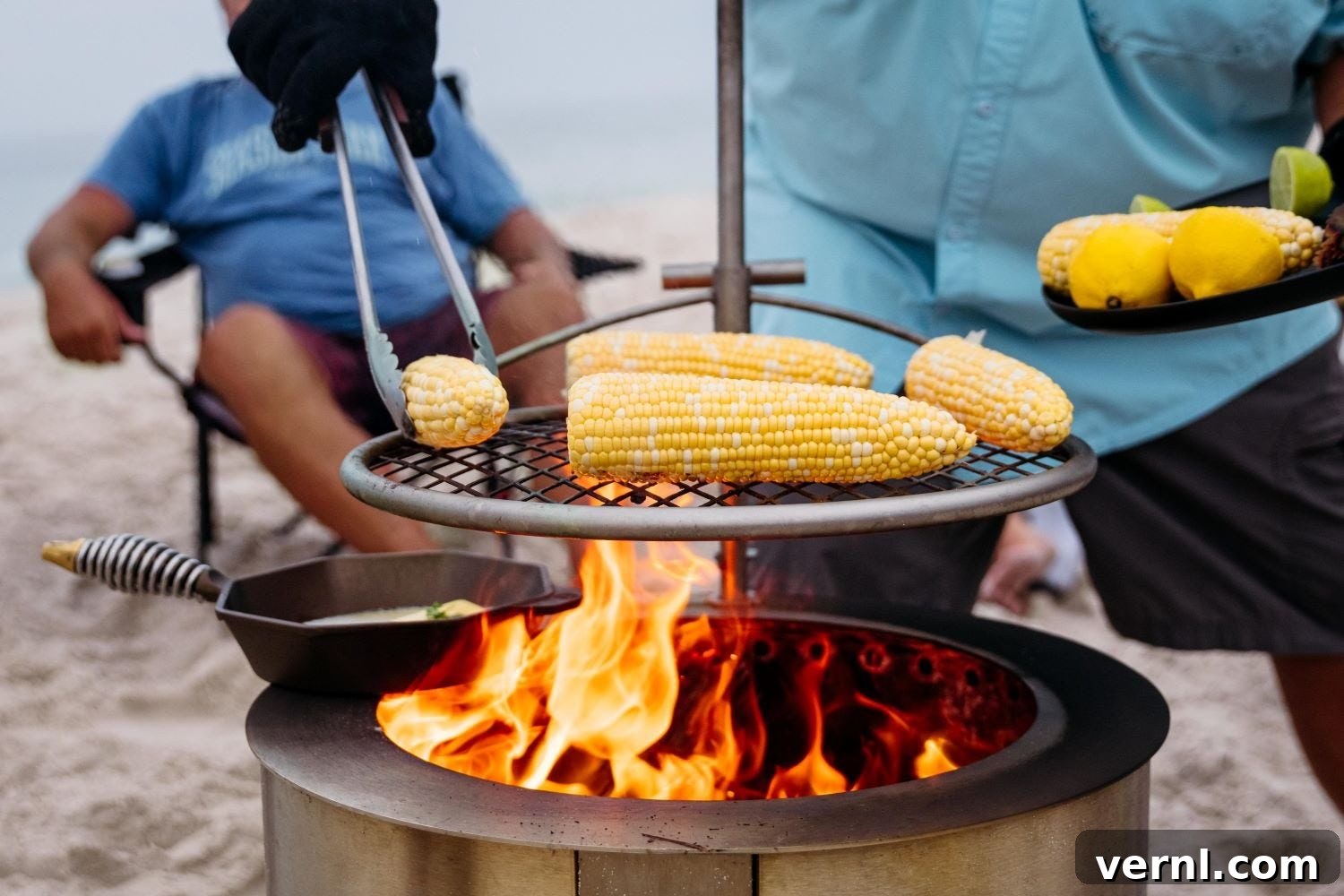
One of the most exciting aspects of owning a portable fire pit is its incredible potential as an outdoor cooking station. The answer to “Can you cook on a portable fire pit?” is an emphatic “Absolutely!” Almost any fire pit generates sufficient heat to perform a wide array of culinary techniques, from grilling savory burgers and searing juicy steaks to boiling water for coffee or stir-frying a vibrant vegetable medley. The primary factor influencing your cooking options is the size and design of the pit. Larger models naturally offer more surface area and greater versatility, allowing for everything from classic hot dogs roasted on sticks to elaborate, multi-course gourmet meals that will impress even the most discerning palates. Modern portable fire pits often come with, or have available, a range of attachments such as grates, griddles, and even rotisserie kits, transforming a simple campfire into a full-fledged outdoor kitchen.
Tabletop Fire Pits: Compact Powerhouses for Light Bites
For those seeking ultimate portability and a minimalist approach to camping, ultra-portable or tabletop fire pits are an ideal choice. These compact devices are perfect for warm summer evenings, intimate gatherings, and light cooking endeavors. Take, for instance, Solo Stove’s Mesa fire pit, a marvel of engineering at only five inches in diameter. Despite its diminutive size, this wood-burning unit offers impressive performance and can even be adapted for pellets with an optional adapter. Many tabletop models are designed with cooking in mind, featuring add-on toolkits that might include essential accessories like roasting sticks for marshmallows and hot dogs, stick rests for convenience, a pellet scoop, a lid for extinguishing, and a carrying case for easy transport. While their small size inherently limits heat output and the scope of cooking options – you won’t be roasting a whole chicken on these – they are perfectly suited for s’mores, small appetizers, and keeping drinks warm, making them a charming addition to any picnic or small campsite setup. Their sheer convenience ensures you’ll always have a little flame for those special moments.
Small Fire Pits: Stepping Up Your Campfire Cuisine
Moving up a notch in size and capability, small portable fire pits, typically around 10 inches in diameter, strike a fantastic balance between enhanced heat output and increased cooking flexibility. These units are designed for more substantial meals and can comfortably serve a small group of campers. Examples in this category include innovative designs like BioLite’s new EcoZoom Versa and Breeo’s wood/pellet hybrid Solo Mesa XL, which showcase the versatility available. The EcoZoom Versa, for example, is particularly impressive as it can burn both wood and charcoal, providing diverse fuel options for different cooking styles. Its robust cast-iron cap is specifically engineered to support a skillet or a pot, making it an excellent choice for whipping up a hearty campsite breakfast of eggs and bacon or simmering a stew. These small yet powerful fire pits significantly expand your culinary horizons, allowing you to move beyond basic roasting to actual stovetop-style cooking in the wilderness.
Portable Fire Pits: The Classic Choice for Gourmet Camping
When it comes to the quintessential portable campsite fire pit, units around 15 inches in diameter often represent the sweet spot. This size category masterfully balances robust heat output, sufficient for serious cooking, with excellent portability, making them manageable for most outdoor adventures. This popular class includes highly acclaimed models such as the BioLite FirePit+, the Solo Ranger 2.0, and the Y-Series from Breeo. What truly sets these portable fire pits apart is the extensive range of cooking accessories available, effectively transforming your humble campsite into a fully functional gourmet kitchen. The Solo and Breeo models, for instance, are renowned for their innovative sear plates and cooking tops, which can range from flat-top griddles for pancakes and grilled cheese to grill grates for charring meats and vegetables, and even specialized woks for stir-fries. The FirePit+ takes versatility a step further by easily converting between wood and charcoal fuel sources, and with its durable cast-iron grate and vented grill lid, it essentially transforms into a high-performance charcoal grill, offering unparalleled flexibility for any culinary whim in the wilderness.
Mastering the Art: Portable Fire Pit Cooking Tips
Cooking over an open flame is both an art and a science, a skill that every dedicated campfire chef hones over time. While the specific techniques may vary from person to person, a few fundamental principles can significantly elevate your outdoor culinary game. If you’re new to the world of fire pit cooking, keeping these two key tips in mind will provide a solid foundation for delicious and successful meals.
- Temperature Control is Paramount: Achieving consistent and appropriate heat is crucial for successful cooking, and this is where different fuel types present distinct advantages and challenges. Gas fire pits offer a significant advantage with their intuitive dial control, allowing you to precisely adjust flame height and heat intensity, much like a gas cooktop in your home kitchen. This precision makes searing and simmering much easier. Wood-burning fire pits, by contrast, are trickier because the heat output naturally changes as the wood burns down and coals develop. To gain greater control, invest in adjustable-height grill racks. These ingenious accessories can either be planted directly into the ground next to the pit or securely attach to the fire pit itself, allowing you to effortlessly raise or lower your cooking surface. This capability enables you to bring your grill closer to the intense heat of the flames for a quick sear, or move it farther away for slower cooking and gentle warming, creating effective heat zones for different foods. Mastering this technique is key to avoiding burnt exteriors and undercooked interiors.
- Strategic Preparation Saves Time and Effort: The golden rule of efficient campfire cooking is to do as much meal preparation in advance as possible. The campsite environment, with its limited space, varying light, and potential for insects, is not the ideal place for intricate chopping, dicing, or marinating. Instead, perform these tasks at home in the comfort and cleanliness of your kitchen. Dice your vegetables, pre-cut your meats, mix your marinades, and even pre-measure spices and sauces. Store these prepped ingredients in clearly labeled, airtight containers or freezer bags. When you arrive at your campsite, you’ll find that all you need to do is simply lay out your ingredients and begin the enjoyable process of cooking over the fire, significantly reducing stress, mess, and the overall time spent on meal prep. This foresight ensures a smoother, more relaxed cooking experience, allowing you more time to savor the outdoor ambiance.
Prioritizing Safety: Portable Fire Pit Cooking Guidelines
While the allure of a crackling fire and delicious food is strong, safety must always be your top priority when cooking at a campsite. Protecting yourself, your fellow campers, and the pristine natural environment you’re there to enjoy is paramount. Adhering to responsible fire practices ensures a memorable and incident-free experience.
- Fire Pits Generate Intense Heat: It’s crucial to remember that fire pits, regardless of fuel type, produce significant heat. Always maintain a safe distance between hands, clothing, and any flammable materials (such as tents, dry brush, or loose gear) and the fire pit. Establish a clear perimeter around the pit and emphasize this safety zone to everyone, especially if you are camping with curious children or playful pets. Their natural inquisitiveness can lead them dangerously close to the flames or hot surfaces, so constant vigilance is required. Also, be mindful of stray sparks, particularly with wood-burning pits, and have a bucket of water or a shovel nearby as a precaution.
- Ashes and Embers Retain Heat, Even When the Fire Appears Out: This is one of the most critical, yet often overlooked, aspects of fire safety. While gas fire pits offer the safest option in this regard as they produce no ashes or embers upon shutdown, wood or pellet burners will inevitably leave behind hot remnants. These embers and ashes can retain dangerous temperatures for many hours, sometimes even a full day after the flames have died down. Improper disposal of hot ashes is a leading cause of wildfires. Therefore, it is absolutely essential that all ashes and embers are disposed of responsibly. Never assume cold ashes are actually cold; always douse them thoroughly with water until they are completely saturated and no longer emit any steam or sizzling sounds. Stir the mixture with a stick to ensure all embers are extinguished, then feel the mixture with the back of your hand to confirm it is cool to the touch.
Post-Cooking Rituals: Cleaning and Maintaining Portable Fire Pits
Proper post-cooking cleanup is essential not only for maintaining the hygiene of your portable fire pit but also for extending its lifespan and ensuring it’s ready for your next adventure. Taking a few moments to clean up after your meal will prevent rust, stubborn stains, and unpleasant odors, ensuring your equipment remains in top condition.
Most fire pit manufacturers recommend scraping any grease or oil off cooking surfaces while they are still warm. The residual heat helps loosen food particles and makes the cleaning process much easier. Ideally, once the surface has cooled sufficiently to handle, it should be thoroughly wiped down with hot, soapy water. This not only cleans but also sanitizes, preventing bacteria growth.
However, when camping, access to hot, soapy water might be limited. In such cases, a practical alternative is to scrape off as much food residue as possible, then allow the cooking surface to cool completely. Once cool, wrap it securely in an old towel, newspaper, or even a dedicated cooking surface cover to contain any remaining grease or grime. This prevents stains and odors from transferring to the rest of your camping gear during transport. Many high-quality portable fire pits come with a custom-designed carrying bag, which is incredibly useful for keeping all components tidy, organized, and isolated from your other belongings.
Ash disposal is another critical step, particularly for wood and pellet burners. Many portable fire pits are designed with convenient clean-out features or removable ash pans, making the process significantly easier. If possible, it’s always best to wait until the morning after your fire to dispose of any ashes. This allows ample time for them to cool down naturally overnight, greatly reducing the risk of hidden embers. Before disposal, it is absolutely imperative to thoroughly douse the ashes with water. Stir the wet ashes with a stick to ensure that every last ember is fully extinguished and that the entire mixture is cool to the touch. Never leave any hot embers behind, as they can reignite and start a dangerous wildfire. Once completely cooled and saturated, dispose of the ashes according to local regulations – some areas may require you to pack them out, while others permit burying them in designated fire pits or leaving them in specific, approved locations. Always adhere to “Leave No Trace” principles to preserve the natural beauty of your camping spots.