
Are Zinnias Perennials? Unveiling the Truth About These Garden Favorites
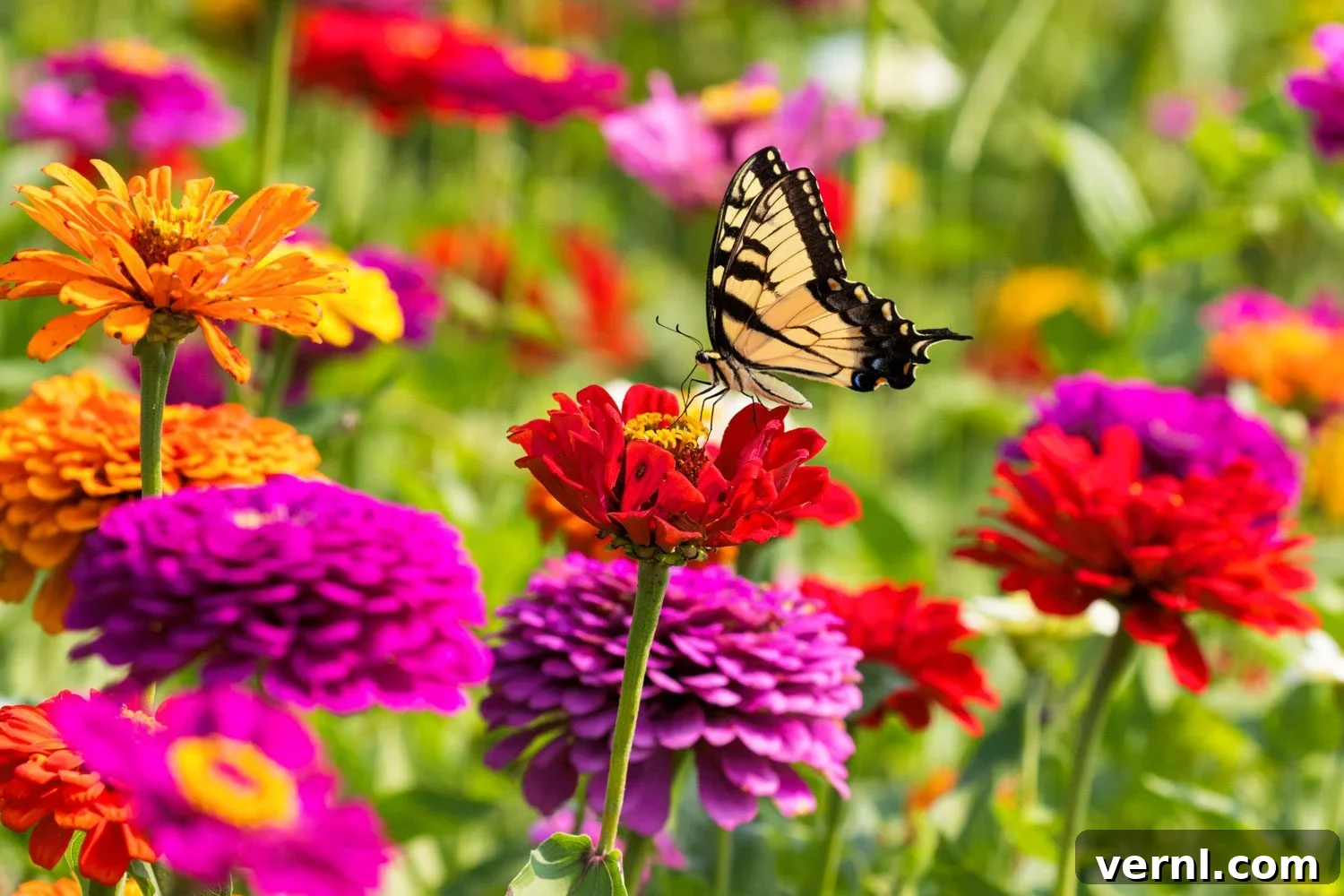
Zinnias are synonymous with summer gardens, painting landscapes with an explosion of color and attracting a bustling symphony of pollinators. From the petite varieties gracing mailboxes with bright yellow flowers to the towering giants commanding attention in vegetable patches, zinnias showcase incredible diversity.
These cherished blooms are adored for their straightforward cultivation, their captivating spectrum of pinks, reds, yellows, and oranges, and their remarkable ability to infuse any garden space with a cheerful and dynamic presence. Their extensive range in size makes them perfectly suited for various applications, whether adorning expansive garden beds, brightening up containers, or forming the heart of exquisite cut-flower bouquets.
However, amidst their widespread popularity and undeniable charm, one question frequently blossoms in the minds of gardeners: “Are zinnias perennials?” Do these spirited flowers possess the ability to return year after year, or are they a fleeting seasonal joy? This comprehensive guide delves deep into the fascinating lifecycle and growing habits of zinnias, providing clarity and practical advice for cultivating a spectacular zinnia display.
Understanding Zinnia’s Nature: Annual or Perennial?
The definitive answer for most garden varieties is that zinnias are annual flowers. This classification means they complete their entire life cycle – from seed germination to flowering and setting seed – within a single growing season. After producing their seeds, the original plant naturally withers and dies, typically succumbing to the first significant frost of autumn.
The vast majority of zinnias commonly cultivated in gardens today trace their lineage back to Zinnia elegans, a species native to the warm climates of Mexico. This origin story explains their love for sunshine and their stark intolerance to cold temperatures, especially frost. Unlike perennial plants, whose root systems survive dormant through winter to regrow each spring, annual zinnias offer a vibrant, yet singular, seasonal performance.
While the common garden zinnias are annuals, it’s worth noting that a few less common zinnia species do exist as true perennials. A prime example is the Desert Zinnia (Zinnia acerosa), which is indigenous to the arid southwestern United States. This resilient species has evolved to thrive in harsh, hot, and dry conditions, allowing its roots to persist through cooler periods and regrow for multiple seasons.
However, when gardeners discuss the popular, vividly colored varieties widely available for home gardens, they are almost exclusively referring to annual zinnias. Understanding the fundamental distinction between annuals and perennials is crucial for effective garden planning and managing your expectations for plant longevity and return each year.
Zinnia Growth Habits Across Diverse Hardiness Zones
Given their annual nature, common zinnias (Zinnia elegans) can be successfully grown across a broad spectrum of USDA hardiness zones, typically ranging from Zone 2 all the way to Zone 11. These plants flourish under warm, sun-drenched conditions, expressing a clear preference for temperatures hovering between 74°F and 84°F (23°C–29°C), though they will readily grow once temperatures consistently remain above 60°F (15°C).
A critical factor for successful zinnia cultivation is their extreme sensitivity to frost. This means they absolutely must be planted outdoors only after the last risk of frost has completely passed for your specific region. Ignoring this crucial timing can lead to swift demise of young plants.
In certain warmer climates, particularly in USDA Zones 9 and higher, zinnias can sometimes create the *illusion* of being perennial. This phenomenon often leads gardeners to mistakenly believe their zinnias have returned from the previous year. What actually occurs is a process known as “reseeding” or “self-seeding.” When the previous year’s zinnia plants are allowed to mature and drop their seeds onto the soil, these seeds can successfully overwinter and spontaneously germinate the following spring, leading to a fresh crop of zinnia seedlings.
It’s important to clarify that while new zinnia plants emerge, the original plant from the previous season still perished. The “returning” zinnias are entirely new individuals, albeit from the same genetic line. Therefore, the common question, ‘Are zinnias perennials?’ receives a nuanced response: ‘in terms of the original plant, no, but new plants can appear from dropped seeds, especially in mild climates.’
For true perennial zinnia care, one would typically be referring to species like the Desert Zinnia (Zinnia acerosa), which is genetically adapted to endure and regenerate in its native hot, dry environments, offering a genuinely multi-year presence in the landscape.
A Kaleidoscope of Zinnias: Exploring Popular Types and Varieties
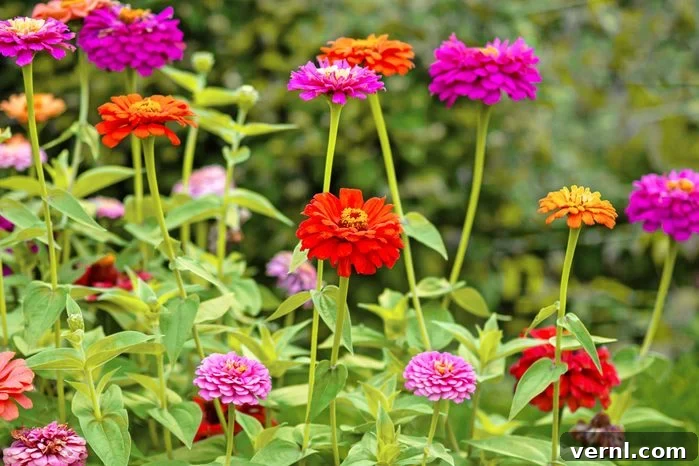
The world of zinnias is wonderfully diverse, offering a range of sizes, shapes, and colors to suit any garden design or aesthetic preference. While all types generally thrive in well-drained soil and abundant full sun, their individual characteristics make them unique.
Zinnia elegans: The Classic Garden Zinnia
This is arguably the most recognized and widely cultivated type of zinnia, forming the basis for countless popular varieties available as seeds or young plants. Zinnia elegans varieties are celebrated for their impressive height, often reaching two to three feet tall, and their large, showy blooms which can be single, semi-double, or fully double. They are perfect for dramatic garden backdrops and, especially, for cutting gardens. Some beloved varieties include:
- State Fair Mix: A classic for a reason, this mix produces robust plants that can soar up to three feet in height, boasting colossal flowers that can measure an impressive five inches across. A single packet of seeds delivers a vibrant medley of red, pink, yellow, and orange blooms.
- Queen Red Lime and Queen Lime Orange: These distinct varieties are renowned for their truly striking bi-color blooms, featuring unique color combinations that mature into captivating hues. They also achieve an impressive stature, typically growing at least three feet tall, making them excellent focal points.
- Candy Cane Mix: For those seeking a playful and whimsical touch, the Candy Cane Mix offers flowers adorned with delightful red stripes and flecks against various base colors, creating a cheerful, candy-like appearance.
- Dahlia Flowered Zinnias: These varieties feature large, dense, double blooms that closely resemble dahlias, offering a luxurious texture to the garden.
- Cactus Flowered Zinnias: Characterized by their long, quilled petals that twist and curl, giving them a spiky, vibrant appearance.
Zinnia angustifolia (Narrow-leaf Zinnia): The Compact Powerhouse
Often referred to as Narrow-leaf Zinnias, varieties of Zinnia angustifolia are a fantastic choice for gardeners seeking a more compact, low-growing option. These charming plants typically reach only about eight inches tall with a spread of approximately 12 inches. Despite their smaller stature, they are incredibly floriferous, becoming absolutely covered in delicate 1-inch blooms. Their blooming period is exceptionally long, persisting tirelessly from early summer right up until the first hard frost. The Crystal Series, available in cheerful yellow and crisp white, represents some of the most popular varieties within this type, ideal for borders, containers, or rock gardens.
Hybrid Zinnias: Innovation in Bloom
Hybrid zinnias represent the cutting edge of zinnia breeding, combining the best traits from different species to create plants with enhanced vigor, disease resistance, and prolific flowering. Two particularly popular series stand out:
- Profusion Zinnias: These award-winning hybrids are celebrated for their incredible disease resistance and continuous, abundant blooms. Growing to a manageable height of 12 to 18 inches, they are perfect for containers, mass plantings, and front borders. Profusion zinnias come in a wide array of vibrant flower colors and are virtually maintenance-free, blooming profusely throughout the entire summer.
- Zahara Series: Similar to Profusion, the Zahara series offers exceptional performance, renowned for its excellent tolerance to heat and drought, as well as superior disease resistance. Zahara zinnias are also compact and produce a dazzling display of colorful flowers, making them another top choice for reliable, season-long beauty.
Cultivating Success: How to Grow Zinnias from Seed
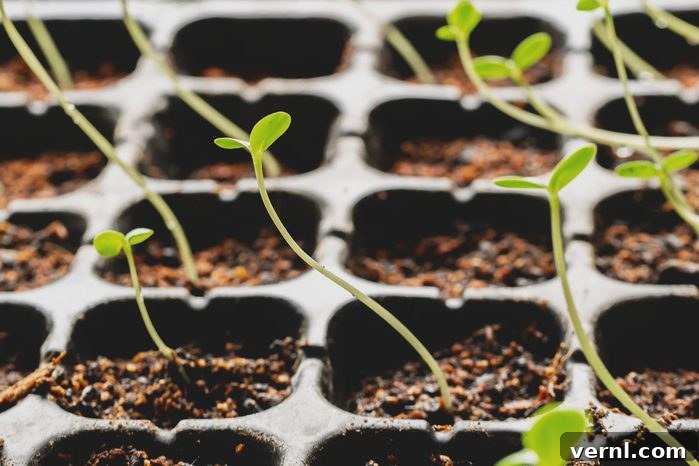
One of the most appealing aspects of zinnias is their remarkable ease of growth from seed, making them an ideal choice for both novice and experienced gardeners. Whether you prefer to sow directly outdoors or give them a head start indoors, success is highly achievable.
Sowing Outdoors: The Natural Approach
Many zinnia varieties, especially the robust Zinnia elegans, perform exceptionally well when direct-sown into the garden bed where they are intended to grow. They often resent transplanting, so this method is frequently preferred for its simplicity and effectiveness.
- Timing is Key: Wait until all danger of frost has definitively passed in your region in spring. It’s also beneficial to ensure the soil has thoroughly warmed up, ideally to at least 60°F (15°C). You can use a soil thermometer to confirm this.
- Site Selection and Soil Preparation: Choose a location that receives full sun – at least 6-8 hours of direct sunlight daily – and boasts well-draining soil. Before sowing, cultivate the soil to a depth of 6-8 inches, incorporating some compost or other organic matter to enrich it and improve drainage.
- Sowing the Seeds: Sow zinnia seeds about three to four inches apart, gently pressing them into the soil and covering them with approximately one-quarter inch of fine soil.
- Initial Watering: After sowing, lightly water the area using a gentle spray or mist to avoid disturbing the newly placed seeds. Keep the soil consistently moist until germination, which usually occurs within 5-10 days.
- Thinning for Health: Once the seedlings emerge and have developed their first set of true leaves, thin them out to stand eight to sixteen inches apart. Adequate spacing is crucial for promoting good air circulation around the plants, which significantly reduces the risk of fungal diseases like powdery mildew later in the season. Consider staggering your plantings every few weeks for a continuous bloom display throughout the summer.
Sowing Indoors: Getting a Head Start
For gardeners in cooler climates or those wishing to enjoy earlier blooms, particularly with smaller zinnia types like Zinnia angustifolia and hybrid varieties, starting seeds indoors can be a distinct advantage.
- When to Start: Begin sowing seeds indoors approximately six to eight weeks before your anticipated last frost date.
- Containers and Mix: Sow seeds in small, individual containers or cell packs filled with a high-quality, sterile seed-starting mix. This minimizes root disturbance later on.
- Germination Conditions: Lightly cover the seeds with about 1/4 inch of mix and keep the soil consistently moist. Providing gentle bottom heat (from a heating mat) can encourage faster and more uniform germination.
- Light Requirements: Once seedlings emerge, provide them with ample light. This usually means placing them under grow lights for 12-16 hours daily to prevent them from becoming leggy and weak.
- Hardening Off: Before transplanting your young zinnia plants outdoors, it’s essential to harden them off. This involves gradually acclimating them to outdoor conditions over a period of 7-10 days. Start by placing them outside in a sheltered, shaded location for a few hours, progressively increasing their exposure to sunlight and wind each day.
- Transplanting: Once hardened off and all danger of frost has passed, transplant the young zinnias into their final outdoor location, whether in containers or directly into the garden bed. Be careful not to disturb their roots too much.
Nurturing Your Zinnias: A Comprehensive Care Guide
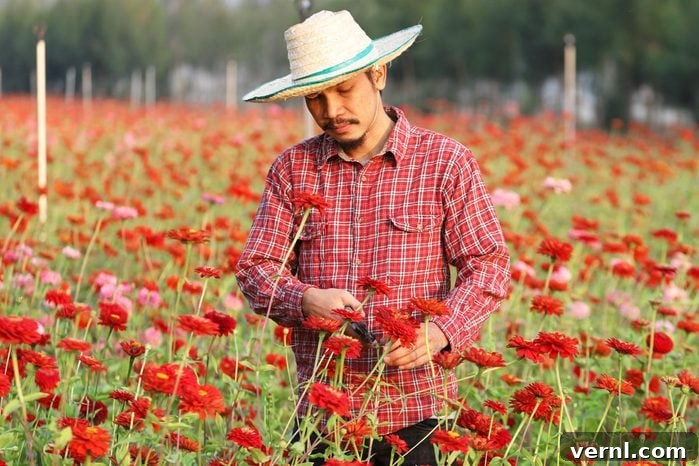
Regardless of your climate, successful zinnia cultivation hinges on consistent and thoughtful care practices tailored to their annual lifecycle. These vibrant blooms are relatively low-maintenance, but a little attention goes a long way in ensuring a spectacular display.
Watering: Finding the Right Balance
Once established, zinnias demonstrate a good tolerance for periods of dry weather, making them quite resilient. However, for optimal growth and abundant blooming, consistent moisture is beneficial. Aim to provide about one inch of water per week, either through rainfall or supplemental irrigation. During prolonged dry spells in early summer, especially if natural rainfall is scarce, you may need to provide additional watering. It’s best to water zinnias deeply and at their base to encourage strong root development and to avoid wetting the foliage, which can help prevent fungal diseases.
Fertilizing: Fueling the Bloom
Zinnias are not heavy feeders, especially if planted in soil enriched with organic matter. However, if your soil fertility is questionable, or if you are growing zinnias in containers where nutrients leach out more quickly, a balanced feeding can be beneficial. Use a general-purpose liquid fertilizer or one specifically formulated for flowering plants. Always follow the instructions on the product label carefully to avoid over-fertilization, which can lead to lush foliage at the expense of fewer flowers. A slow-release granular fertilizer can also be incorporated into the soil at planting time for sustained nutrient delivery.
Maximizing Zinnia Blooms: Tips for a Longer Season
To ensure your annual zinnias deliver a continuous explosion of color from summer through to the first frost, a few key techniques can significantly extend their blooming period and enhance their overall vigor.
Deadheading: The Secret to Endless Flowers
Deadheading is arguably the most critical practice for encouraging zinnias to produce more flowers. This simple act involves removing spent or fading blooms. When you remove a spent flower, the plant’s energy is redirected from seed production back into creating more flowers, leading to a prolonged and more abundant display.
- For Tall Zinnia elegans: As these magnificent flowers open, consider cutting them for indoor bouquets. This serves a dual purpose: you get to enjoy their beauty inside, and the act of cutting functions as deadheading, stimulating the plant to produce more blooms. When deadheading simply to encourage more flowers, cut the spent bloom just above a set of healthy leaves or a lateral branch.
- For Seed Saving: If your goal is to save zinnia seeds for the following year, allow some of the last flowers of the season to mature fully on the plant. They will dry out and form viable seeds that can be collected as the season winds down.
- For Zinnia angustifolia and Hybrid Zinnias: While these types are often described as “self-cleaning” and will continue to bloom without diligent deadheading, their production can slow down as the season progresses. Removing older blooms from these varieties will undoubtedly encourage a renewed flush of flowers, extending their vibrant display right up until the frost.
Pinching Young Plants: Building a Bushier Foundation
Beyond deadheading, an excellent technique to encourage bushier growth and a greater number of flower stems is pinching. When your young zinnia plants are about 8-12 inches tall and have developed several sets of leaves, simply pinch off the central growing tip just above a leaf node. This encourages the plant to branch out, resulting in a sturdier, bushier plant with a higher yield of flowers rather than a single tall stem.
Keeping Zinnias Healthy: Pest and Disease Management
While generally robust, zinnias can occasionally encounter a few common garden adversaries. Proactive measures and timely intervention can keep your plants thriving and blooming beautifully.
Controlling Pests: Protecting Pollinators
Among the most notorious insect pests that can target zinnias are Japanese beetles. These iridescent insects can quickly skeletonize leaves and damage flowers. Because zinnias are incredible magnets for beneficial insects like bees, butterflies, and even hummingbirds, it’s paramount to employ pest control methods that are safe for these vital pollinators.
- Hand-picking: For smaller infestations, hand-picking Japanese beetles and dropping them into a bucket of soapy water is an effective and environmentally friendly method. Do this in the early morning when the beetles are less active.
- Biological Controls: Consider using biological controls like milky spore disease for grub control in your lawn, which targets the larval stage of the Japanese beetle. Neem oil can also deter various pests without harming beneficial insects if applied correctly.
- Insecticidal Soaps: For aphids or spider mites, which can also occasionally bother zinnias, insecticidal soaps offer a low-toxicity solution.
Managing Diseases: The Powdery Mildew Challenge
A common fungal issue, particularly later in the summer as humidity rises, is powdery mildew. This appears as a white, powdery coating on the leaves and stems. While it rarely kills the plant outright, it can weaken it and diminish its aesthetic appeal. Your best defense against powdery mildew involves a combination of preventative strategies:
- Optimal Spacing: Ensure ample air circulation around your zinnia plants by providing adequate spacing between them. This is one of the most effective preventative measures.
- Watering Practices: Avoid spraying water directly onto the leaves when watering, especially in the evening. Water at the base of the plant, preferably in the morning, to allow any moisture on the foliage to dry quickly.
- Resistant Varieties: Whenever possible, choose zinnia varieties known for their resistance to powdery mildew, such as the Profusion and Zahara series.
- Sanitation: At the end of the season, promptly remove and dispose of any plants affected by powdery mildew. Do not add them to your compost pile, as the fungal spores can overwinter and reinfect new plants the following year.
- Fungicides: In severe cases, or for highly prized plants, organic fungicides (like neem oil or sulfur-based sprays) can be used, but prevention is always preferable.
Zinnias Beyond Beauty: Attracting Pollinators and Cutting for Bouquets
Zinnias are more than just pretty faces in the garden; they play a vital ecological role and offer endless possibilities for creative expression.
Pollinator Powerhouses
Zinnias are renowned as one of the best annuals for attracting a diverse range of pollinators. Their vibrant, often single or semi-double blooms, provide easy access to nectar and pollen, making them irresistible to:
- Bees: Honeybees, bumblebees, and various native bee species flock to zinnia flowers.
- Butterflies: Zinnias are butterfly magnets! Expect to see monarchs, swallowtails, painted ladies, and many other species fluttering among your blooms. Planting zinnias alongside other butterfly-friendly plants creates a true sanctuary.
- Hummingbirds: Taller, brightly colored zinnias, particularly red and orange varieties, can also entice hummingbirds to visit your garden.
By planting zinnias, you’re not only enhancing your garden’s beauty but also contributing significantly to local biodiversity and supporting essential pollinator populations.
The Perfect Cut Flower
For those who love bringing the garden indoors, zinnias are an absolute dream for cut-flower arrangements. Their sturdy stems, long vase life, and incredible array of colors and forms make them a florist’s favorite.
- When to Cut: Harvest zinnia blooms when they are fully open but still firm. The “wiggle test” is a good indicator: gently grasp the stem about 6-8 inches below the flower and gently wiggle it. If the stem is stiff and holds its position, it’s ready to cut. If it’s floppy, wait a day or two.
- How to Cut: Use sharp pruners or scissors to make clean cuts, ideally in the morning after dew has dried. Cut the stem as long as possible, just above a leaf node, which will encourage the plant to produce more side shoots and subsequent blooms.
- Vase Life: Remove any leaves that would fall below the waterline in your vase to prevent bacterial growth. Place freshly cut zinnias into water immediately. With fresh water changes every day or two, zinnia bouquets can last well over a week, brightening your home with garden-fresh cheer.
Winterizing Zinnias: An Annual Farewell
As true annuals, zinnias do not survive winter. Once the first hard frost arrives, the plants will blacken and die. There’s no need for winterization in the traditional sense, as you would with perennials. At the end of the season, after the plants have died back, you can pull them up and add them to your compost pile (unless they had severe disease issues like powdery mildew, in which case disposal is better).
If you wish for zinnias to return through self-seeding, simply leave the spent flower heads on the plants through the autumn. They will naturally drop their seeds, offering the possibility of volunteer plants in spring. For a more controlled approach, you can collect seeds yourself for next year’s planting. Allow the flower heads to fully dry and turn brown on the plant. Harvest the dried heads, rub them gently to release the seeds, clean them of any chaff, and store them in a cool, dry, dark place in an airtight container until spring.
Frequently Asked Questions About Zinnias
Do zinnias come back every year?
Generally, no. Most common garden zinnias, particularly varieties of Zinnia elegans, are annuals. This means they complete their entire life cycle in one growing season and die with the first significant frost. They do not regrow from the same root system year after year. So, for the vast majority of garden zinnias, the direct answer to “are zinnias perennials?” is no. However, in milder climates, they can often reseed themselves, leading to new zinnia plants appearing in the same spot the following spring, which can create the illusion of them returning.
Can zinnias reseed themselves?
Yes, zinnias are quite capable of reseeding themselves under favorable conditions. If you allow the flower heads to mature and dry on the plant at the end of the season, the seeds will naturally drop to the ground. In milder climates, or areas with relatively gentle winters, these dropped seeds can successfully overwinter and germinate the following spring, leading to a new crop of volunteer zinnia seedlings. This is a common way for zinnias to “return” to a garden, even though the original plant from the previous year has died.
Sources
- Gardenia.net: “Zinnia: Plant Care and Growing Guide”
- Plantura Magazine: “Zinnias: planting, cultivating and propagating”
- Purdue e-Pubs: “A History of Zinnias: Flower for the Ages”
- The Old Farmer’s Almanac: “Zinnias: How to Plant, Grow, and Care for Zinnia Flowers”
- University of Arkansas Cooperative Extension Service: “Zinnias”