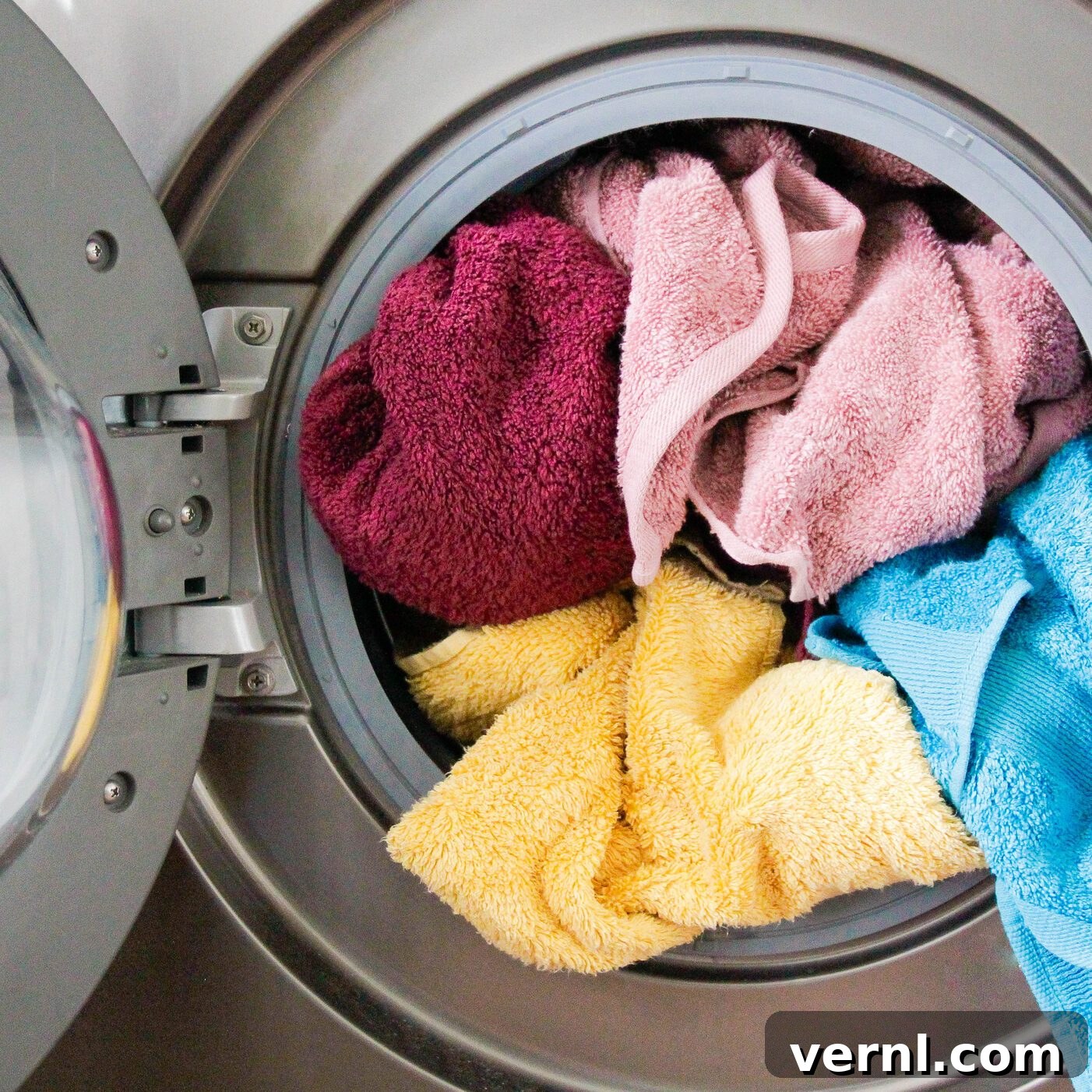
There’s a simple pleasure in stepping out of a refreshing shower and wrapping yourself in a plush, fresh towel. It’s an everyday luxury that contributes significantly to our comfort and overall sense of well-being. A meticulously organized linen cupboard or a convenient towel rack brimming with clean towels isn’t just a convenience; it often feels like an absolute necessity for a well-maintained home. But the true secret to consistently enjoying this delightful experience lies not just in having a good stock, but in mastering the art of keeping those towels impeccably clean and fresh. So, the crucial question arises: how frequently should you wash your towels to ensure optimal home hygiene and a consistently fresh supply?
The Lifespan of Freshness: How Often Should You Wash Your Towels?
If you’ve ever reached for a towel only to be greeted by a musty, unpleasant odor, you’ve undoubtedly waited too long to wash it. That distinctive smell is a clear indicator that bacteria and mildew have begun to proliferate, making your towel less effective and less hygienic. For many households, including “washing towels” on the weekly reset checklist is a commendable practice, and it’s a good benchmark. A week is generally considered the absolute maximum time you should allow between washes for standard bath towels.
However, to truly maintain peak hygiene and extend the life of your towels, expert recommendations suggest a more frequent approach. According to guidelines from the American Cleaning Institute, the ideal washing frequency is after 3-5 uses. This might seem more often than you’re used to, but consider what your towels come into contact with: dead skin cells, body oils, residual soap, and moisture. This creates a perfect breeding ground for germs and mildew. Frequent washing not only keeps them smelling fresh but also ensures they are truly sanitary, preventing the buildup of bacteria that can contribute to skin issues or unpleasant odors.
Several factors can influence this recommended frequency. If you live in a particularly humid environment, towels might develop mildew faster, necessitating more frequent washing. Similarly, if someone in your household is ill, or if you use a towel after an intense workout (gym towels are notorious for harboring bacteria), washing after every single use is highly advisable for maximum cleanliness and to prevent the spread of germs. Prioritizing regular washing is a small habit that makes a big difference in the overall hygiene and comfort of your home.
Decoding Water Temperatures: Cold vs. Hot for Towels
When it comes to selecting the right water temperature for your towel laundry, the golden rule is always to “defer to the fabric care tag.” This small label, often overlooked, contains vital information specific to your towel’s material and construction. The symbols on the tag will clearly indicate the recommended water temperature for washing and the appropriate dryer temperature for drying, ensuring you clean your towels effectively while simultaneously prolonging their life and preserving their softness and absorbency.
Generally, hot water is highly effective for sanitization. If you’re washing white towels, or if the towels have been used by someone who is sick, or if you simply want to ensure maximum germ removal, washing with hot water is often the best choice. High temperatures help to kill bacteria and viruses, making them an excellent option when deep cleaning is the priority. This is especially true if you’re using bleach, as hotter water often enhances its disinfectant properties. However, hot water can sometimes be harsher on delicate fibers and may cause colors to fade over time.
Conversely, cold water is a more energy-efficient option and is gentler on fabrics. It’s excellent for preventing color fading, making it ideal for colored towels or those with intricate patterns. While cold water may not offer the same level of sanitization as hot water, it’s perfectly adequate for lightly soiled towels and for maintaining their quality over time, especially when combined with a good quality detergent. If your goal is everyday cleaning and preserving towel vibrancy, cold or warm water often suffices. Always balance the need for sanitization with the preservation of your towel’s fabric and color, guided by that essential care tag.
The Great Debate: Should You Wash Towels with Vinegar or Bleach?
Both vinegar and bleach are powerful cleaning agents, but they serve different purposes and should not be used interchangeably or mixed. Understanding their distinct functions is key to effective towel care.
Vinegar: The Natural Softener and Deodorizer
Vinegar, particularly distilled white vinegar, is a fantastic natural cleaner. It’s excellent for removing detergent residue, which can build up on towels over time, making them stiff and less absorbent. Adding about half a cup of white vinegar to the rinse cycle can act as a natural fabric softener, restoring fluffiness and absorbency without the use of harsh chemicals. It’s also a superb deodorizer, effectively neutralizing musty smells by breaking down the bacteria that cause them. For towels that smell a little off even after washing, a vinegar rinse can work wonders. However, while vinegar has some antibacterial properties, it is not a powerful disinfectant like bleach.
Bleach: The Powerful Disinfectant and Whitener
Bleach, on the other hand, is a potent disinfectant and whitening agent. Towels come into direct contact with your bare skin, making them potential carriers of bacteria and other microorganisms. Therefore, it’s often a good idea to clean them with a strong disinfectant, especially if you or someone in your household has been sick, or if you’re dealing with issues like fungal infections (e.g., athlete’s foot). Bleach effectively kills a wide range of germs and can restore the pristine whiteness to soiled or dingy white towels.
When to Use Each (and When to Avoid)
- Use Bleach for: White towels that need sanitizing or brightening. Follow product instructions carefully and ensure good ventilation. Never use bleach on colored towels, as it will strip the color and ruin them.
- Use Vinegar for: Removing odors, softening towels, and removing residue from all towel types (white and colored). It can be used regularly to maintain freshness and absorbency. Add it to the fabric softener dispenser or directly to the rinse cycle.
- Never Mix: Crucially, never mix bleach and vinegar together, as this combination creates highly toxic chlorine gas, which is extremely dangerous.
For colored towels requiring disinfection, consider color-safe bleach alternatives or laundry sanitizers specifically designed for colored fabrics. Always prioritize safety and read product labels.
Laundry Load Logistics: Can You Wash Towels with Clothes?
The short answer is: it depends. Ideally, for optimal cleanliness and fabric care, it’s best to separate your towels from your regular clothes. Here’s why:
- Detergent Needs: You typically want to wash your clothes with a gentle detergent to protect their fabric and colors, especially for delicate items. Towels, conversely, often benefit from a detergent focused on disinfection, especially if they are heavily soiled or used frequently for hygiene purposes.
- Lint Transfer: Towels, particularly new ones, are notorious for shedding lint. Washing them with clothes can transfer this lint onto your garments, especially darker fabrics, leaving them covered in fuzz.
- Fabric Differences: Towels are usually made of thick, absorbent cotton, designed to withstand more vigorous washing cycles and higher temperatures. Clothes, on the other hand, vary widely in fabric type (synthetics, delicates, blends) and often require gentler treatment to prevent shrinkage, stretching, or damage.
- Agitation and Load Size: Towels absorb a lot of water and can become very heavy, increasing the load on your washing machine. This heavy load can impact the effectiveness of the wash cycle for lighter garments and may even strain your machine over time.
If you’re in a pinch, or if you have a small load of light-colored, durable clothes (like cotton t-shirts or socks) that can tolerate a similar washing temperature and cycle as your towels, you *can* wash them together. However, to achieve the cleanest possible results for all your items and to follow the specific care instructions on their tags, separating your towels from your clothes is the recommended practice. This ensures each item receives the appropriate level of care, maximizing cleanliness and extending its lifespan.
Sharing the Machine: Can I Wash Towels with Sheets?
Similar to the question of washing towels with clothes, the answer here is also “it depends,” though the reasons are slightly different. While it might seem convenient to toss your bedding and towels into the same load, there are important considerations for doing so.
- Divergent Care Instructions: Your sheets, whether cotton, linen, or synthetic blends, may very well be labeled with different care instructions than your bath towels. For instance, some delicate sheets might require a colder wash or a gentler cycle, which wouldn’t be ideal for heavily soiled towels that benefit from a more robust wash. Mixing them could compromise the integrity or cleanliness of one item or the other.
- Maximizing Item Lifespan: To truly focus on extending the life of all your items, separating them allows you to tailor the washing cycle (temperature, spin speed, detergent type) to their specific needs. This prevents premature wear and tear on both your sheets and towels.
- Load Size and Machine Capacity: This is often the biggest practical hurdle. Bedding, especially larger sheets, duvet covers, and blankets, can be incredibly bulky. Adding a full load of towels to this can easily overload your washing machine. An overloaded machine won’t clean items effectively – water and detergent can’t circulate properly, leading to poorly washed laundry. It can also put undue strain on your machine, potentially leading to breakdowns.
- Absorbency and Drying Times: Towels are designed to be highly absorbent, and they retain a lot of water after washing, often requiring a longer drying time than sheets. Mixing them means either your sheets might over-dry and become brittle, or your towels might remain damp, leading to mildew.
Therefore, if you’re able, it’s generally best to keep your towels and sheets in separate laundry loads. This ensures each item receives the optimal wash and dry cycle, leading to cleaner results, preserving fabric quality, and ultimately extending the life of your valuable linens.
Beyond the Wash Cycle: Essential Tips for Optimal Towel Care
Washing your towels correctly is just one piece of the puzzle. A comprehensive care routine ensures they remain soft, absorbent, and fresh for as long as possible. Here are some essential tips:
- Shake Them Out Before Washing: Before tossing towels into the washing machine, give them a good shake. This helps to open up the fibers, allowing detergent and water to penetrate more effectively, leading to a deeper clean. It also helps to dislodge any loose dirt or debris.
- Avoid Overloading the Machine: While tempting to cram everything into one load, an overloaded washing machine prevents proper water circulation and rinsing. This can leave towels feeling stiff, poorly cleaned, and with detergent residue. Give your towels enough space to tumble freely.
- Use the Right Amount of Detergent: More detergent doesn’t necessarily mean cleaner towels. In fact, too much detergent can lead to buildup, making towels stiff, less absorbent, and sometimes even contributing to a musty smell because the detergent isn’t fully rinsed out. Follow the manufacturer’s recommendations for your specific detergent and water hardness.
- Dry Promptly and Properly: As soon as the wash cycle is complete, transfer your towels to the dryer. Leaving damp towels in the washing machine creates a prime environment for mildew and unpleasant odors to develop quickly.
- Don’t Over-Dry: Over-drying towels can damage their fibers, making them scratchy and reducing their lifespan. Dry them on a medium or low heat setting until they are just dry to the touch, then remove them promptly.
- Utilize Dryer Balls: Adding wool or rubber dryer balls to your dryer can significantly reduce drying time, fluff up towels, and reduce static cling. They help separate the towels, allowing hot air to circulate more efficiently.
- Proper Storage: Once dry, fold or roll your towels neatly and store them in a dry, well-ventilated area. Avoid storing them in damp bathrooms where humidity can encourage mildew growth.
- First Wash for New Towels: Always wash new towels before their first use. This helps to remove any manufacturing residues, sets the colors, and enhances their absorbency right from the start. Use cold water for colored towels to help prevent bleeding.
By incorporating these simple yet effective practices into your routine, you can ensure your towels not only look and feel great but also provide the clean, hygienic experience you expect.
Knowing When to Say Goodbye: How Often Should You Replace Towels?
While it might be tempting to refresh your bathroom aesthetic with colorful towels for each season or an assortment of neutral ones to match every decor update, frequent replacement isn’t actually necessary from a practical standpoint. High-quality towels, with proper care, can last for many years. However, like all textiles, towels do have a lifespan. Knowing when to replace them is crucial for maintaining hygiene and absorbency.
The time to replace your towels isn’t dictated by a calendar date, but rather by clear signs of wear and tear. Here are the key indicators:
- Significant Signs of Wear: Look for fraying edges, loose threads, thinning patches, or holes. These are clear indications that the fabric structure is breaking down and the towel’s effectiveness is diminishing.
- Loss of Absorbency: If your towels no longer seem to dry you off thoroughly, or if they just push water around your skin rather than absorbing it, their fibers have likely lost their capacity to soak up moisture effectively. This can be due to excessive detergent buildup over time or simply the degradation of the cotton fibers.
- Permanent Musty Odor: Despite regular washing and proper drying, if your towels consistently retain a faint, musty smell, it’s a sign that mildew and bacteria have deeply embedded themselves in the fibers and are nearly impossible to completely eradicate. This compromises their hygiene.
- Scratchiness and Loss of Softness: While some stiffness can be temporary due to hard water or detergent residue, if your towels remain consistently scratchy and rough even after conditioning and proper washing, they’ve likely seen better days.
- Fading and Discoloration: While aesthetic, significant fading, especially if uneven, can sometimes accompany a loss of fiber integrity.
On average, good quality bath towels can last anywhere from 2 to 5 years with proper care. Hand towels and washcloths, due to more frequent washing, might need replacing sooner. As long as your towels are still soft, absorbent, and you’re cleaning them properly, they are perfectly good to remain in rotation. When they reach the end of their useful life for personal hygiene, consider repurposing them as cleaning rags for household chores or donating them to animal shelters, giving them a second life before they hit the landfill.
Source
Laundry Basics, American Cleaning Institute