
Achieve Seamless Style: The Ultimate Guide to Trimless Windows with Drywall Returns
In the evolving landscape of modern interior design, simplicity and minimalism have taken center stage. Homeowners and designers alike are increasingly seeking ways to create clean, uncluttered spaces that exude sophistication. One of the most impactful trends contributing to this aesthetic is the integration of trimless windows, achieved primarily through a technique known as drywall returns. This innovative approach eliminates traditional window casings, offering a seamless transition between the wall and the window opening, resulting in a sleek, contemporary look that is both visually striking and remarkably understated.
For a visual guide on achieving trimless window looks, many resources, including video tutorials, can offer practical demonstrations of the techniques discussed below.
What Are Trimless Windows?
Trimless windows, also known as flush-mounted or frameless windows, are exactly what their name suggests: windows installed without any visible trim, casing, or molding around their perimeter. Unlike conventional windows where decorative wood or composite trim frames the opening, trimless windows integrate directly into the wall plane. This design choice creates an uninterrupted visual flow, making the wall appear to wrap continuously into the window opening. The result is an ethereal, almost invisible frame that accentuates the view outside and allows natural light to flood the interior without visual obstructions.
The Art of Drywall Returns: Creating the Seamless Edge
The secret behind the trimless window aesthetic lies in the meticulous application of drywall returns. Instead of installing separate wood or MDF jamb extensions and then covering them with trim, the drywall itself extends inward to form the interior sides (jambs) and bottom (sill) of the window opening. This process requires precision and skill, transforming the raw window frame into a beautifully finished, integrated part of the wall structure.
The technique typically involves cutting drywall pieces to precisely fit the depth of the window frame, extending from the wall surface right up to the window sash. These drywall pieces are then carefully installed, taped, mudded, sanded, and painted, creating sharp, clean corners and a perfectly smooth surface that matches the surrounding wall. The finished product is a window opening that appears to be carved directly out of the wall, emphasizing clean lines and an uncluttered environment.
Aesthetics and Design Philosophy
The appeal of trimless windows extends beyond mere functionality; it embodies a distinct design philosophy. This minimalist approach aligns perfectly with modern, contemporary, and Scandinavian interior styles, where less is often more. By removing visual clutter, trimless windows allow other design elements, such as furniture, artwork, or even the natural view outside, to become the focal point. They enhance the perception of space, making rooms feel larger, airier, and more open, which is particularly beneficial in smaller living areas. The clean lines contribute to a sense of calm and order, promoting a tranquil atmosphere.
Comparing with Traditional Trim
Traditional window trim, while offering its own charm and character, inherently adds visual weight and detail to a room. Intricate profiles, rosettes, and plinth blocks can contribute to a classic or ornate aesthetic. However, in a quest for sleek simplicity, these elements can be perceived as distracting. Trimless windows, by contrast, strip away these decorative layers, allowing the architectural form itself to speak. They represent a shift from decorative embellishment to structural purity, offering a fresh perspective on interior architecture.
Step-by-Step Guide to Achieving Trimless Windows with Drywall Returns
While the process requires meticulous attention to detail, a skilled DIY enthusiast or a professional can achieve stunning results. Here’s a general overview of the steps involved:
-
Preparation is Key
Begin by ensuring your window openings are perfectly square, plumb, and level. Any imperfections here will be magnified in the final trimless finish. Inspect the framing and make any necessary adjustments. Ensure the window itself is properly installed and sealed, providing a stable foundation for the drywall work.
-
Framing the Return
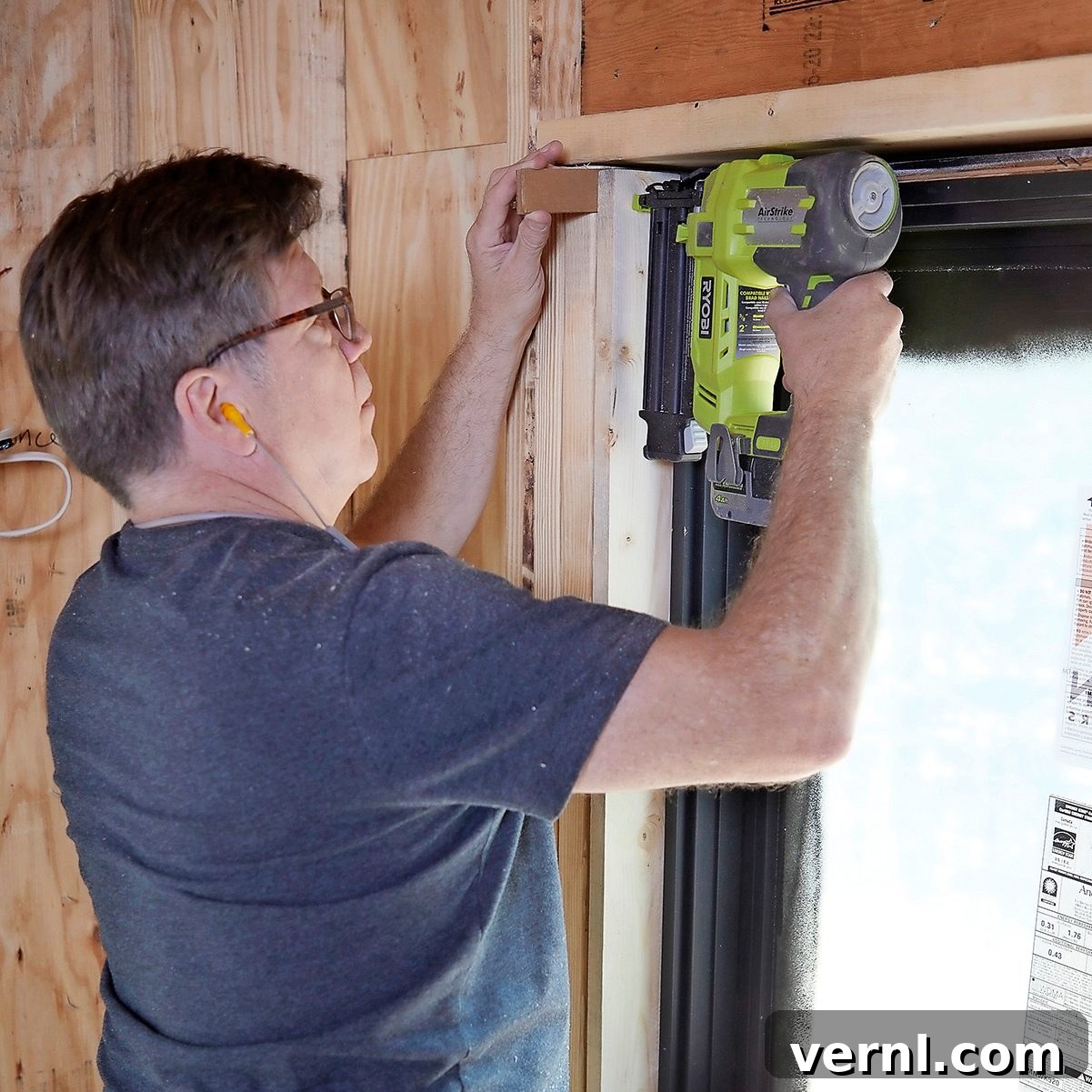
After the window is set, create a stable sub-frame within the window opening. This usually involves installing wood strips or metal framing directly against the window frame, creating a flush surface for the drywall to attach to. These strips define the exact depth of the drywall return, ensuring a crisp, uniform edge.
-
Drywall Installation
Carefully cut pieces of drywall to fit the top, bottom, and side jambs of the window opening. These pieces should extend from the wall surface all the way to the window frame. Secure the drywall pieces to the sub-frame using drywall screws. Precision cuts are critical here to minimize gaps.
-
Applying Corner Beads
To create sharp, durable outside corners where the drywall return meets the main wall, install corner bead. Metal or paper-faced corner bead is applied along these edges and secured with joint compound or screws. This protects the delicate drywall edges from damage and ensures a perfectly straight line.
-
Finishing with Joint Compound (Mudding)
This is where the magic happens. Apply several thin coats of joint compound (drywall mud) over all seams, screw heads, and especially over the corner beads. Each coat needs to dry thoroughly before the next is applied. Feather the edges of the mud seamlessly into the surrounding wall surface, ensuring there are no visible ridges or bumps.
-
Sanding for Perfection
Once the joint compound is completely dry and cured, sand the entire surface smooth. Start with a medium-grit sandpaper and progressively move to a finer grit. Use a sanding pole for large areas and a sanding sponge for intricate corners. The goal is a perfectly flat, glass-smooth surface without any imperfections. Good lighting is crucial during this stage to spot any remaining flaws.
-
Priming and Painting
After sanding, thoroughly clean the area to remove all dust. Apply a high-quality primer, which helps seal the drywall and provides a uniform base for the paint. Finally, paint the drywall returns to match the surrounding wall color, or choose a subtle contrasting shade for a nuanced effect. A consistent paint finish is essential for the trimless illusion.
Essential Tools and Materials You’ll Need
Undertaking a trimless window project requires a specific set of tools and materials to ensure a high-quality finish:
- Drywall Sheets: Appropriate thickness for your wall.
- Utility Knife & T-Square: For precise drywall cuts.
- Drywall Screws: To secure drywall to framing.
- Joint Compound (Drywall Mud): All-purpose and topping compound for finishing.
- Drywall Tape: Paper or fiberglass mesh tape for seams.
- Corner Bead: Metal or paper-faced, for crisp, durable outside corners.
- Mud Pan & Trowels: Various sizes (e.g., 6-inch, 10-inch) for applying joint compound.
- Sanding Tools: Sanding sponges, pole sander, various grit sandpaper.
- Safety Gear: Dust mask, safety glasses.
- Primer & Paint: High-quality options for a durable, aesthetic finish.
- Level, Plumb Bob, Tape Measure: For ensuring accuracy.
- Straight Edge: Indispensable for creating straight lines and smooth finishes.
Benefits of Embracing Trimless Windows
- Modern & Minimalist Aesthetic: Delivers a clean, uncluttered look that is highly sought after in contemporary design.
- Enhanced Sense of Space: By eliminating visual breaks, rooms feel larger and more expansive.
- Maximized Light: Unobstructed window openings allow more natural light to penetrate the space.
- Architectural Focus: Emphasizes the purity of the architecture and the views outside.
- Design Versatility: Blends seamlessly with virtually any interior décor, from stark modern to understated traditional.
- Easier Cleaning: Fewer nooks and crannies mean less dust accumulation compared to intricate trim.
Challenges and Considerations
While the benefits are numerous, it’s important to be aware of the potential challenges:
- Precision is Paramount: Any imperfection in framing, drywall installation, or finishing will be highly visible.
- Time-Consuming Process: Multiple coats of mud and extensive sanding require significant time and patience.
- Durability Concerns: Drywall edges, even with corner bead, can be more susceptible to dings and dents than solid wood trim, especially in high-traffic areas.
- Moisture Sensitivity: Drywall is less resistant to moisture than wood or composite trim, requiring careful sealing and maintenance in humid environments.
- DIY Difficulty: This is not a beginner-friendly DIY project. Expertise in drywall installation and finishing is highly recommended, or hiring a skilled professional.
- Cost: While it eliminates the cost of trim materials, the labor involved in achieving a flawless drywall return can be more expensive than traditional trim installation if done by a professional.
Expert Tips for a Flawless Finish
- Invest in Good Tools: Quality tools make a significant difference in the ease and quality of the finish.
- Work in Good Lighting: Natural and supplemental lighting will help you spot imperfections during mudding and sanding.
- Apply Thin Coats: Always apply multiple thin coats of joint compound rather than one thick coat. This reduces cracking and makes sanding easier.
- Take Your Time: Rushing the drying or sanding process will compromise the final look. Patience is key.
- Practice: If you’re new to drywall finishing, practice on a scrap piece before tackling your window openings.
- Consider a Professional: For the best results, especially on complex windows or if you lack experience, hiring a professional drywall finisher is a worthwhile investment.
Maintenance and Longevity
Once installed, trimless windows with drywall returns are relatively low maintenance. Routine cleaning involves simply wiping down the painted surfaces as you would the rest of your walls. For minor scuffs or dings, a small amount of spackle and touch-up paint can easily restore the finish. For more significant damage, partial re-mudding and sanding may be necessary. Given their seamless nature, they integrate so well that they blend into the overall wall maintenance routine.
Conclusion
Trimless windows with drywall returns offer a sophisticated and modern solution for homeowners looking to elevate their interior design. By embracing this technique, you can transform ordinary window openings into striking architectural features that enhance light, space, and a sense of calm elegance. While the process demands precision and patience, the enduring appeal of a seamlessly integrated window is a reward that truly redefines contemporary living. If you’re seeking to imbue your home with a clean, minimalist aesthetic, exploring the world of trimless windows is a journey well worth taking.
For more detailed information and visual guides on how to achieve this sought-after trimless window look, you can find valuable resources and step-by-step tutorials online.
Get more info here: Trimless Windows: How to Achieve the Look