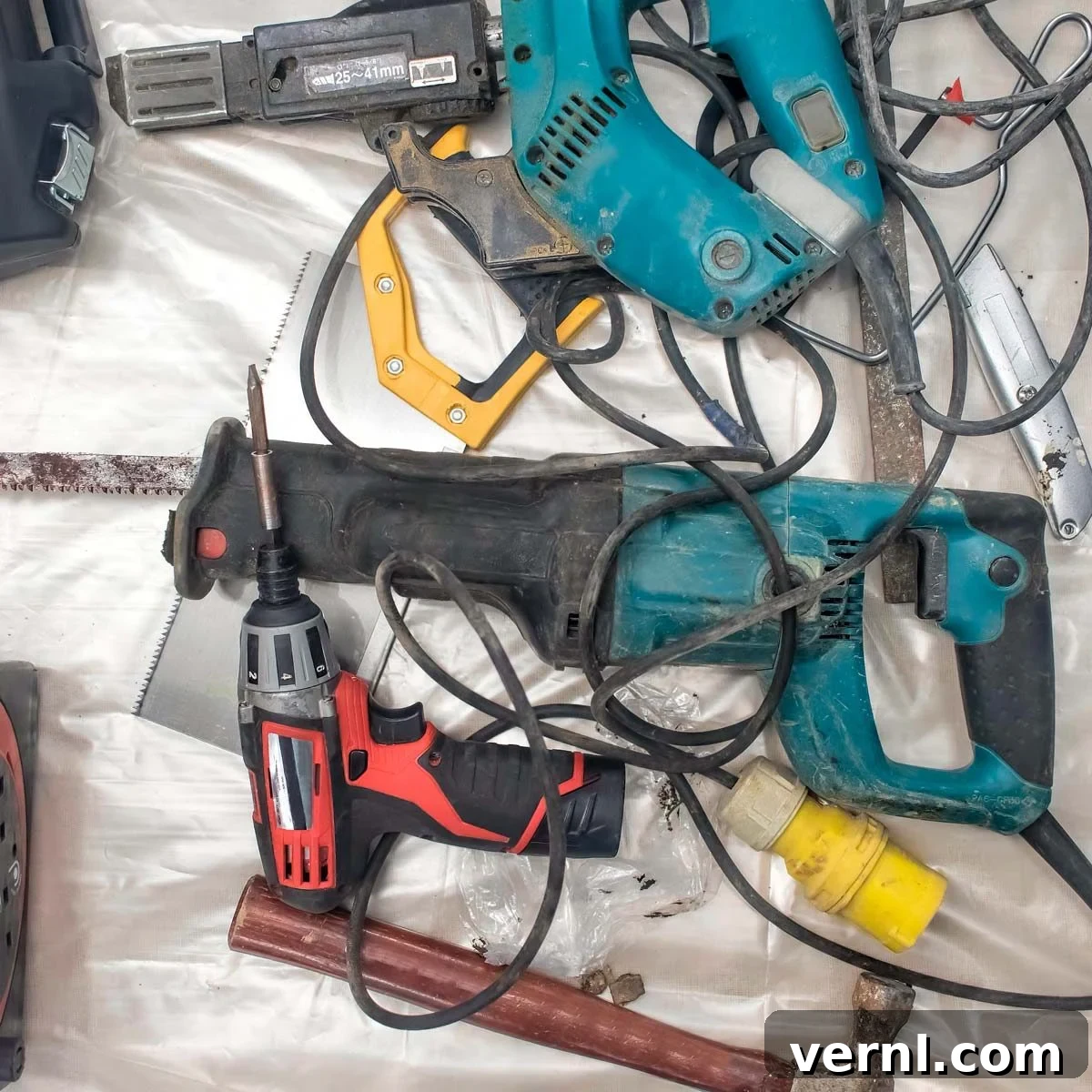
Comprehensive Guide to Recycling and Disposing of Old Tools Responsibly
Every homeowner, DIY enthusiast, or professional tradesperson eventually faces the same dilemma: what to do with old tools. Whether they’re rusty, broken beyond repair, or simply no longer needed, these items can accumulate quickly in garages, workshops, and sheds. While the easiest option might seem to be tossing them in the trash, this approach is far from ideal for our environment. Many tools contain valuable materials like metals and plastics, and some even house hazardous components such as rechargeable batteries. Disposing of them improperly contributes to landfill waste and depletes natural resources.
This comprehensive guide will walk you through various eco-friendly and responsible methods for dealing with your unwanted tools. From specialized recycling programs and scrap metal options to creative repurposing ideas and donation opportunities, we’ll ensure your old tools find a new purpose or are disposed of in the most environmentally sound way possible. Let’s transform your cluttered space into an organized, sustainable haven.
Why Responsible Tool Disposal Matters
Before diving into the “how-to,” it’s crucial to understand the “why.” Improperly discarding tools has several negative implications:
- Environmental Impact: Tools often contain metals (steel, aluminum, copper), plastics, rubber, and sometimes even hazardous chemicals or heavy metals in batteries. Landfilling these materials can lead to soil and water contamination as they degrade.
- Resource Depletion: Recycling metal and plastic components reduces the need to extract and process new raw materials, saving energy and conserving natural resources.
- Energy Savings: Manufacturing new products from recycled materials typically uses significantly less energy than producing them from virgin raw materials.
- Space in Landfills: By diverting tools from landfills, we extend the life of these essential waste management facilities.
- Safety: Sharp, rusty, or heavy tools can pose a safety risk to waste management workers if not disposed of correctly. Batteries, in particular, can be fire hazards.
Method 1: Leveraging Manufacturer Take-Back and Recycling Programs
Many tool manufacturers are committed to sustainability and offer programs to help customers recycle their old power tools and other equipment. These initiatives are a great way to ensure specialized components are handled correctly.
How to Recycle Old Tools: Contact the Dealer or Manufacturer
Leading companies like Bosch have established systems where customers can drop off their old power tools at authorized dealers or service centers. These programs are designed to facilitate the proper disassembly and recycling of tools, often breaking them down into their constituent materials for reprocessing. This ensures that valuable metals, plastics, and electronic components are recovered and hazardous parts are disposed of safely.
Steps to Utilize Manufacturer Programs:
- Check the Manufacturer’s Website: Visit the official website of your tool’s manufacturer. Look for sections like “Sustainability,” “Recycling,” “After-Sales Service,” or “Environmental Policy.”
- Search for Take-Back Programs: Many sites will clearly outline if they participate in a tool recycling program, often providing a locator for participating dealers or service centers.
- Contact Customer Service: If information isn’t readily available online, don’t hesitate to contact the manufacturer’s customer service directly. They can guide you on their specific recycling policies and nearest drop-off points.
- Prepare Your Tool: While most programs handle disassembly, it’s always a good idea to remove any easily detachable batteries (as discussed below) if the manufacturer’s guidelines suggest it.
These programs are particularly effective for complex power tools that contain a mix of materials, including electronics. They ensure that specialized components are recycled according to industry best practices, often preventing harmful substances from entering the environment.
It’s important to remember that not everything is recyclable through every channel. For instance, these 11 common items might not be recyclable through your standard curbside program, reinforcing the need for specialized disposal methods for certain materials, including some tool components.
Method 2: Selling for Scrap Metal
For tools that are predominantly made of metal, selling them for scrap can be an excellent option. This not only keeps them out of landfills but can also put a little cash back in your pocket.
How to Recycle Old Tools: Separate and Sell for Scrap
If your broken tool is primarily metal – think old wrenches, hammers, saw blades (without handles), or even the metal casings of power tools – you can often separate the metal components from other materials like plastic handles or rubber grips. Scrap metal is a valuable commodity, and many recycling centers and scrap yards pay for it by weight.
“Metal is one of the few items that you can regularly recycle for money, although you’ll usually get paid by the pound,” notes earth911, a leading resource for recycling information. They offer comprehensive insights into how to recycle various types of scrap metal, along with a convenient locator to help you find metal recycling facilities in your area.
Tips for Scrap Metal Recycling:
- Identify Metal Types: Tools can contain various metals:
- Ferrous Metals: These are magnetic and include steel (e.g., wrench, hammerheads, saw blades) and cast iron.
- Non-Ferrous Metals: These are non-magnetic and often more valuable, including aluminum (e.g., some tool housings), copper (e.g., wiring in power tools), and brass.
Separating metals by type can sometimes yield a higher payout.
- Disassemble for Purity: Remove non-metal components like plastic handles, rubber grips, or electrical cords from power tools. The cleaner the metal, the more valuable it is to the scrap yard.
- Locate a Scrap Yard: Use online search engines, local directories, or Earth911’s locator tool to find reputable scrap metal buyers near you. It’s wise to call ahead to inquire about their accepted materials and current prices.
- Transport Safely: Ensure heavy or sharp metal pieces are safely secured during transport to the scrap yard.
By opting for scrap metal recycling, you contribute to a circular economy, allowing these raw materials to be melted down and reformed into new products. This not only reduces waste but also supports local businesses involved in the recycling industry.
While recycling for scrap is a great option for truly broken tools, consider that donating your unwanted tools that are still in working condition can provide immense value to others. Furthermore, if your DIY home improvement projects often generate junk, knowing how to get rid of it responsibly is essential for maintaining an organized and sustainable home.
Method 3: Battery Recycling – A Critical Step for Power Tools
For any old power tools that operate on rechargeable batteries, this step is non-negotiable and arguably the most crucial for environmental safety.
How to Recycle Old Tools: Always Remove the Battery
Rechargeable batteries, common in cordless drills, impact drivers, and other power tools, contain chemicals and heavy metals (such as lithium-ion, nickel-cadmium, or nickel-metal hydride) that are harmful to the environment if landfilled. These batteries also pose a fire risk if damaged or exposed to heat in waste streams.
According to Call2Recycle, a leading battery stewardship program, rechargeable batteries undergo a different recycling process than single-use batteries. They require specialized handling to safely extract valuable materials and prevent toxic substances from leaching into the soil or water.
Steps for Battery Removal and Recycling:
- Identify Battery Type: Most power tools use removable rechargeable battery packs. Consult your tool’s manual if unsure how to detach it.
- Remove the Battery: Carefully remove the battery pack from the tool.
- Protect Terminals: To prevent short circuits, it’s a good practice to tape the terminals of the removed battery pack with non-conductive tape (like electrical tape).
- Find a Recycling Drop-Off:
- Retailers: Many large retail chains (e.g., Home Depot, Lowe’s, Best Buy, Staples) offer in-store drop-off points for rechargeable batteries.
- Call2Recycle: Use their website’s locator tool to find the nearest public collection site.
- Municipal Waste Facilities: Some local recycling centers or household hazardous waste (HHW) events accept rechargeable batteries.
- Do NOT put in regular trash: Never throw rechargeable batteries in your household trash or curbside recycling bin.
By prioritizing battery recycling, you play a vital role in preventing environmental contamination and recovering valuable resources. Once the battery is removed, the remaining tool body can be addressed using other methods discussed in this guide, such as scrap metal recycling or manufacturer programs.
Method 4: Repurposing and Upcycling Old Tools – Get Creative!
Sometimes, a tool might be “beyond repair” for its original function, but that doesn’t mean it’s useless. With a bit of imagination, old, broken tools can find new life through creative repurposing or upcycling projects.
How to Recycle Old Tools: Unlock Their Hidden Potential
Even a tool that no longer works as intended can possess components or an aesthetic that makes it suitable for a new purpose. This method is the ultimate form of recycling, giving an item extended life and reducing waste to zero.
Creative Repurposing Ideas:
- Reciprocating Saw Blade as a Marking Knife: If you have a reciprocating saw whose motor has died, the blades themselves are often still perfectly functional and sharp. A sturdy blade can be cleaned, sharpened, and fitted with a comfortable handle (or just wrapped for grip) to create an excellent marking knife for woodworking or other crafts.
- Wrenches into Hooks or Art: Old, non-functional wrenches can be bent, welded, or simply mounted to a board to create unique coat hooks, towel racks, or decorative wall art.
- Screwdrivers into Picks or Awls: The shafts of broken screwdrivers can be ground down to create specialized picks for detail work, awls for piercing materials, or even small chisels.
- Hammer Heads as Doorstops or Paperweights: A broken hammer handle means the head is useless for hammering, but its weight makes it perfect for a rugged doorstop or a unique paperweight.
- Old Saws as Garden Markers or Decorative Pieces: The metal blades of hand saws can be cut and painted to create charming garden markers, or simply cleaned and hung as rustic wall decor.
- Drill Bits into Small Punch Sets: Dull or broken drill bits, especially smaller ones, can be reground and repurposed as fine punches for leatherwork or other delicate tasks.
Beyond creative projects, consider if a tool is merely *broken* and not truly *beyond repair*. For example, a chainsaw that needs repair or a rebuild might be a project you can tackle yourself. Here’s how to do it yourself! Repairing tools extends their lifespan and is another excellent form of sustainable practice.
Repurposing not only keeps items out of landfills but also encourages creativity and results in unique, conversation-starting pieces for your home or workshop. It’s a testament to the idea that “one man’s trash is another man’s treasure,” or in this case, “one man’s broken tool is another man’s art.”
Method 5: Local Recycling Centers and Municipal Programs
When manufacturer programs aren’t an option, and the tools aren’t suitable for scrap metal or repurposing, your local waste management services are the next point of contact.
Engaging with Local Waste Management for Tool Disposal
Cities and counties often have specific guidelines and facilities for disposing of various types of waste, including tools. These can range from specialized drop-off centers to household hazardous waste (HHW) collection events.
Steps to Utilize Local Programs:
- Check Your Municipal Website: Visit your city or county’s waste management or public works department website. Look for sections on “Recycling,” “Hazardous Waste,” or “Bulk Item Disposal.”
- Identify Accepted Items: These sites typically list what items are accepted and under what conditions. Power tools with electronic components might be considered e-waste, while hand tools might be accepted as scrap metal or general waste at specific facilities.
- Locate Drop-Off Centers: Find information on local recycling centers, transfer stations, or household hazardous waste collection sites that accept tools.
- Attend HHW Events: Many municipalities host special Household Hazardous Waste collection days, which are ideal for tools containing batteries, oil, or other potentially hazardous components.
- Understand Curbside vs. Drop-off: Clarify if any part of your tool can be placed in curbside recycling (unlikely for whole tools, but possible for separated metal components if allowed) or if it requires a special drop-off.
Still unsure about how to dispose of a specific item? Check with earth911 for answers on all types of recycling, including detailed information on where to recycle old tools in your area. Their comprehensive database can often pinpoint local options that might not be immediately obvious.
Method 6: Donation and Resale – Giving Tools a Second Life
While the focus of this guide is on tools “beyond repair,” it’s worth considering if a tool is truly irreparable or simply unwanted. Many tools, even those with minor issues, can be repaired by someone else or used for parts.
Donating Functioning (or Easily Repairable) Tools
If your tools are still in working condition or require only minor fixes, donating them is a fantastic way to extend their lifespan and help others. Organizations that accept tool donations include:
- Habitat for Humanity ReStore: These stores accept donations of new and gently used tools, which are then sold to the public at discounted prices. Proceeds help fund Habitat for Humanity’s mission.
- Local Vocational Schools or High School Shop Classes: These institutions often appreciate donations of tools for training purposes.
- Community Tool Libraries: Some communities have libraries where members can borrow tools. Donating here can help expand their inventory.
- Charitable Organizations: Local charities, homeless shelters, or refugee assistance programs may have programs that equip individuals with tools for work or home repairs.
Resale for Parts or Collectors
Even truly broken tools might have valuable components or be of interest to collectors or hobbyists for restoration. Consider listing them on:
- Online Marketplaces: Websites like eBay or Craigslist can be good places to sell tools for parts or to individuals looking for vintage items.
- Local Flea Markets or Garage Sales: You might find a buyer who sees potential in your “junk.”
Always be transparent about the condition of the tool when donating or selling. What might seem like trash to you could be a treasure, or at least a valuable resource, to someone else.
General Tips for Sustainable Tool Ownership
Beyond proper disposal, adopting sustainable practices throughout the life of your tools can significantly reduce your environmental footprint:
- Maintain Your Tools: Regular cleaning, lubrication, and proper storage can dramatically extend the life of your tools, delaying the need for disposal.
- Buy Quality: Investing in durable, well-made tools means they’ll last longer and perform better, reducing the frequency of replacement.
- Repair Before Replacing: Before deciding a tool is “beyond repair,” explore repair options. Many common tool issues can be fixed with replacement parts or a bit of know-how.
- Borrow or Rent: For tools you’ll only use occasionally, consider borrowing from a friend or renting from a hardware store instead of buying, reducing overall consumption.
Conclusion: A Greener Future for Your Tools
Disposing of old tools doesn’t have to mean contributing to landfill waste. By understanding the various recycling and repurposing avenues available, you can make responsible choices that benefit both your wallet and the planet. From manufacturer take-back programs and valuable scrap metal options to safe battery recycling and creative upcycling projects, there’s a sustainable solution for almost every old tool.
Take the initiative to sort through your garage or workshop today. For every tool you responsibly dispose of, you’re not just decluttering; you’re actively participating in a more sustainable future, conserving resources, and reducing environmental harm. Make informed choices and help pave the way for a greener, more organized tomorrow.
Further Resources for Responsible Recycling
Educating yourself on broader recycling practices can empower you to make sustainable choices in all aspects of your life.
-
You should know these 10 things about recycling electronics.
-
Learn how to decipher plastic recycling numbers.
-
Consider enhancing your home recycling setup: Learn how to build a storage tower for your recycling bins.