Silence the Squeal: Your Ultimate Guide to Quiet Windshield Wipers in All Seasons
There’s little that disrupts a peaceful drive quite like the incessant screeching of windshield wiper blades. Whether it’s a light drizzle on a summer day or the persistent slush of a winter storm, the grating noise can quickly turn a calm commute into an irritating ordeal. This common annoyance isn’t just a minor discomfort; it can be a significant distraction, potentially impacting driving safety, especially when visibility is already compromised. For those living in regions that experience harsh winter months, this problem is amplified as cold temperatures, ice, and road salt create a challenging environment for your vehicle’s components, particularly the humble windshield wipers.
When your wipers are working hard to clear water, snow, or the grimy splash-back from other vehicles, they often lack sufficient lubrication. This friction between the rubber blade and the glass is the primary culprit behind that ear-piercing squeal. Fortunately, banishing this noisy issue is often simpler and more cost-effective than you might imagine. This comprehensive guide will walk you through the essential steps to ensure your windshield wiper blades run smoothly and silently, enhancing both your driving comfort and safety.
Understanding the Squeal: Why Windshield Wipers Get Noisy
Before we dive into the solutions, it’s helpful to understand exactly why your windshield wipers might be making such a racket. The root causes are typically multi-faceted, combining environmental factors, wear and tear, and a lack of proper maintenance:
- Lack of Lubrication: This is the most common reason. When there isn’t enough water or washer fluid on the windshield, the rubber blade drags across the dry glass, creating friction and noise. This is particularly prevalent when there’s just a light mist or spray from the road, rather than a heavy downpour.
- Dirty Blades or Windshield: Grime, road salt, bugs, sap, and other debris can accumulate on both your wiper blades and the windshield itself. These contaminants increase friction and prevent the blade from gliding smoothly. Instead, it can skip, chatter, or screech.
- Worn or Damaged Blades: Over time, exposure to UV rays, extreme temperatures, and general use can cause the rubber on your wiper blades to harden, crack, or tear. A damaged blade won’t conform properly to the curve of the windshield, leading to uneven pressure and noise.
- Incorrect Blade Angle: Wiper blades are designed to pivot slightly as they move across the windshield, wiping effectively in both directions. If the arm or blade is bent, or the installation is incorrect, the blade might not maintain the proper angle, causing it to drag and squeal.
- Extreme Temperatures: Cold weather can stiffen rubber blades, making them less flexible and more prone to skipping and noise. Conversely, intense heat can dry out and degrade the rubber over time.
Identifying the precise cause is the first step toward a lasting solution. While some issues may require blade replacement, many can be resolved with simple, proactive maintenance.
The Simple Solution: A Two-Step Process for Quiet Wipers
You don’t need to be a seasoned mechanic to tackle this common car problem. The most effective remedy for noisy wiper blades involves a straightforward, two-step process: thorough cleaning and strategic lubrication. This routine is especially beneficial as part of your vehicle’s winterization routine.
Step 1: Deep Clean Your Windshield Wiper Blades and Windshield
A surprising number of wiper issues stem from simple dirt and debris. Cleaning your blades is not only easy but also an essential first line of defense against noise and premature wear. Here’s how to do it effectively:
- Lift the Wiper Arms: Carefully lift each wiper arm away from the windshield until it locks into its upright position. This provides easy access to the blades.
- Prepare Your Cleaning Solution: Mix a small amount of mild dish soap with warm water in a bucket or spray bottle. You can also use rubbing alcohol or a specialized automotive glass cleaner for tougher grime.
- Clean the Wiper Blades: Dampen a clean cloth or paper towel with your cleaning solution. Firmly grip the wiper blade and run the cloth along its entire length, paying close attention to the rubber edge. You’ll likely see black residue on the cloth – this is dirt and road grime. Continue wiping until no more residue comes off. For stubborn spots, use a soft-bristled brush gently.
- Clean the Windshield: While the wiper arms are up, take the opportunity to thoroughly clean your windshield. Use a high-quality glass cleaner and a microfiber cloth to remove all streaks, spots, and contaminants. A truly clean windshield provides the best surface for your wipers to glide across. Ensure there’s no leftover wax or water repellent from car washes, as these can sometimes contribute to squealing if not evenly applied.
- Rinse and Dry: Lightly rinse the blades and windshield with clean water to remove any soap residue. Then, allow both to air dry completely or use a separate clean, dry cloth.
Regular cleaning, even once a month, can significantly extend the life of your wiper blades and prevent many common noise issues.
Step 2: Apply a Silicone Lubricant for Smooth, Silent Operation
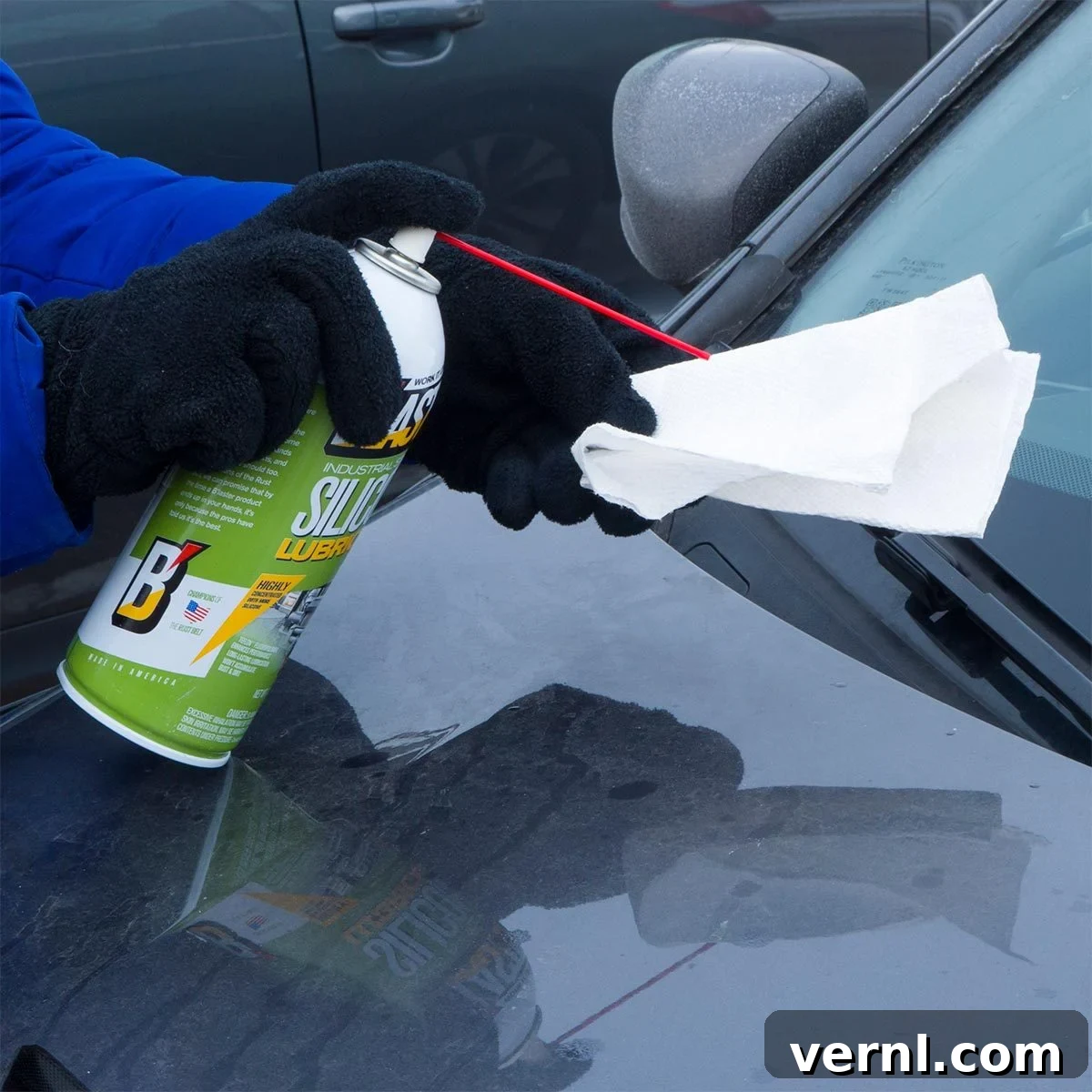
Once your blades and windshield are sparkling clean, the next crucial step is to introduce a protective and lubricating layer to the wiper blades. This is where spray silicone lubricant comes into play. Unlike petroleum-based lubricants that can degrade rubber, silicone is safe for rubber and plastic components, creating a slick, non-sticky surface that reduces friction.
Here’s how to apply it:
- Choose the Right Product: Opt for an industrial-strength silicone lubricant spray. Ensure it is 100% silicone and specifically states it’s safe for rubber. Products designed for automotive or general-purpose lubrication are usually suitable.
- Prepare for Application: With your wiper blades still in the upright position and thoroughly dry, shake the silicone spray can well. It’s a good idea to protect surrounding areas of your car with a cloth or newspaper to avoid overspray, although silicone typically wipes away easily from painted surfaces.
- Apply the Lubricant: Lightly coat the moving parts of the wiper blade – specifically the rubber edge that contacts the windshield and the hinges/pivot points of the blade assembly. A thin, even layer is all that’s needed. You can spray it directly onto the blade, or for more controlled application, spray it onto a clean cloth and then wipe it onto the blade.
- Wipe Off Excess: After application, use a clean, dry cloth to gently wipe off any excess silicone from the blade. You want a thin, protective film, not a greasy residue that could smear your windshield.
- Repeat for Both Blades: Ensure both driver and passenger side blades receive the same treatment.
- Test the Wipers: Once the silicone has had a few minutes to set, carefully lower the wiper arms. Turn on your wipers with the windshield washer fluid to test their operation. You should immediately notice a dramatic reduction in noise and a smoother glide.
The silicone will keep the wiper blades running smoothly and quietly, especially beneficial during challenging conditions like the winter months when moisture and grime are prevalent. You may need to reapply the silicone spray periodically, perhaps every few weeks or once a month, depending on usage and weather conditions. Adding this simple step to your winterizing routine will ensure you enjoy quiet, effective wipers all season long.
Beyond Cleaning and Lubricating: Comprehensive Wiper Care
While cleaning and lubricating are highly effective for silencing squeaky wipers, maintaining optimal performance and extending their lifespan involves a holistic approach to wiper care.
When to Consider Windshield Wiper Replacement
Even with diligent cleaning and lubrication, wiper blades eventually wear out. Knowing when to replace them is crucial for both performance and safety. Look for these signs:
- Streaking: If your wipers leave streaks or unwiped areas on the windshield even after cleaning, the rubber is likely hardened or damaged.
- Skipping or Chattering: When the blade doesn’t make continuous contact with the glass, it can skip across the surface, especially at higher speeds.
- Smearing: If water isn’t being cleared cleanly but rather spread across the windshield, the blade is likely worn down.
- Visible Damage: Inspect the rubber for cracks, tears, or separation from the metal frame.
- Age: Wiper blades typically need replacement every 6 to 12 months, regardless of visible damage, as the rubber degrades over time.
When replacing, ensure you choose the correct size and type of blade for your vehicle. High-quality beam blades often offer better performance and durability compared to traditional frame blades.
Maintaining a Clean Windshield is Key
Your wipers can only be as effective as the surface they’re cleaning. A perpetually dirty or improperly treated windshield can negate the benefits of clean, lubricated blades. Regularly wash your car, paying special attention to the windshield. Avoid using harsh abrasives that could scratch the glass or leave residues. If you apply a ceramic coating or water repellent, ensure it’s applied evenly and correctly, as uneven application can sometimes cause wipers to chatter.
The Right Windshield Washer Fluid Matters
Don’t underestimate the role of your windshield washer fluid. Especially in winter, using an all-season or winter-specific fluid with antifreeze properties is vital. This prevents the fluid from freezing in the reservoir and ensures it can effectively melt ice and clear frost from the windshield. A good quality fluid also contains detergents that help lift grime, providing the necessary lubrication for your wipers to glide smoothly.
Your Winter Car Care Checklist: Proactive Maintenance
Addressing noisy windshield wipers is just one component of comprehensive car care, particularly as seasons change. Proactive maintenance can save you headaches and money down the road. Beyond your wipers, consider:
- Tire Pressure and Tread: Crucial for traction on slippery roads.
- Battery Check: Cold weather puts extra strain on your battery.
- Antifreeze Levels: Ensure your cooling system is protected.
- Headlights and Taillights: Check for proper function and cleanliness for optimal visibility.
- Emergency Kit: Stock your car with essentials like blankets, a flashlight, jumper cables, and a first-aid kit.
For a more extensive guide on preparing your vehicle for colder temperatures and challenging driving conditions, make sure to discover more ways to winterize your car. A little preparation goes a long way in ensuring your safety and comfort on the road.
Visual Guide and Key Takeaways for Quiet Wipers
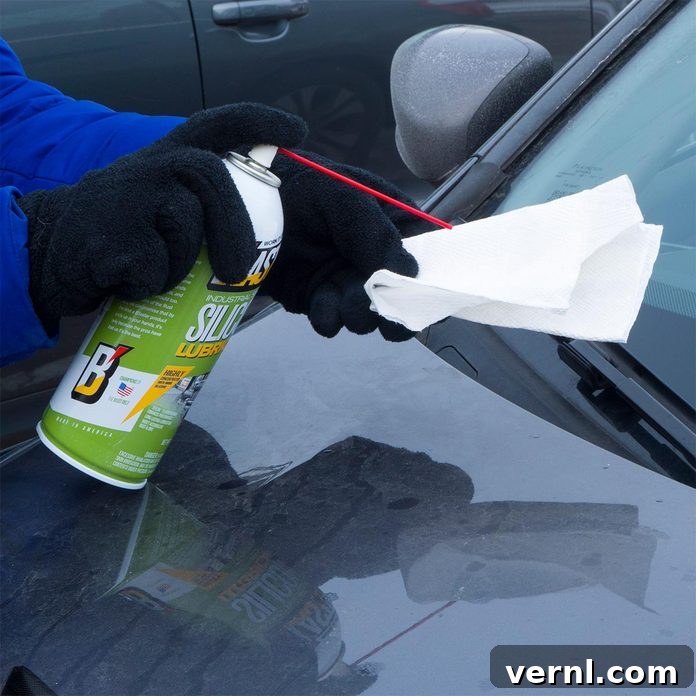
In summary, frustratingly screeching windshield wipers are a common, yet easily fixable, problem. By implementing a regular cleaning regimen and applying a quality silicone lubricant, you can dramatically improve your driving experience. These simple maintenance steps not only silence annoying noises but also contribute to clearer visibility and the extended life of your wiper blades. Don’t let a noisy commute distract you; take proactive steps today for a quieter, safer journey.
Every product is independently selected by our editors. If you buy something through our links, we may earn an affiliate commission.