For dedicated homeowners who strive to maintain a meticulously pristine lawn, the sudden appearance of ground-based molds and fungus in the soil can be a source of significant frustration. Your carefully cultivated green space, a testament to your hard work, can quickly be marred by unsightly growths. The perfect storm for these unwelcome visitors involves a combination of warmth and sustained moisture, creating an ideal environment for fungus and mold spores to germinate. This often leads to annoying and ugly growths that detract from your otherwise attractive yard space.
While some people may not be bothered by a few charming mushrooms sprouting on their grass – perhaps even finding them an interesting addition to the natural landscape – certain growths demand immediate attention. Slime mold, in particular, often falls into this category, and one variety stands out for its particularly revolting appearance: dog vomit fungus. Despite its unappealing moniker, understanding this common garden inhabitant is the first step toward managing its presence in your yard.
What Is Dog Vomit Fungus? A Deep Dive into Fuligo Septica
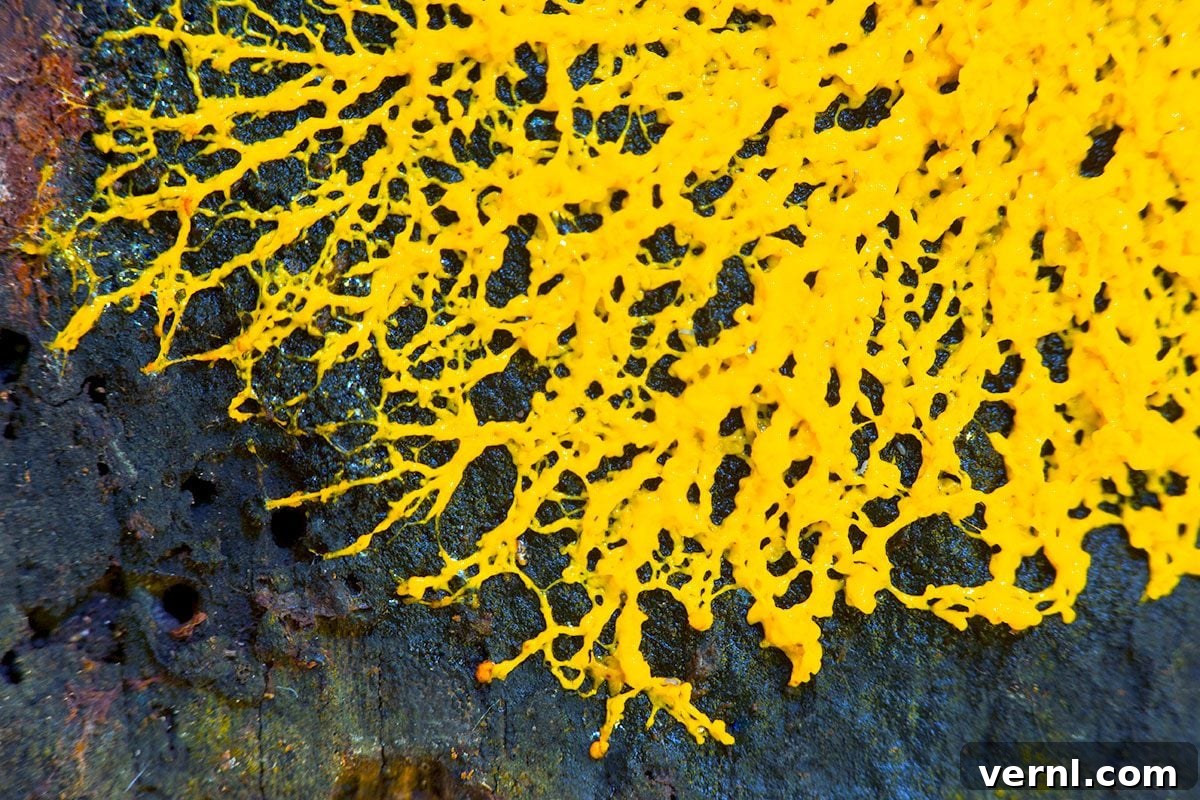
Officially known as Fuligo septica, dog vomit fungus is a distinctive type of slime mold that, as its rather graphic name suggests, bears a striking resemblance to the freshly regurgitated contents of a dog’s stomach. While the name might make you cringe, it’s important to understand that despite being commonly referred to as a “fungus” or “mold,” Fuligo septica is neither. Scientifically, it belongs to a fascinating group of organisms called protists, specifically within the class Myxomycetes, often unofficially grouped with over 700 similar organisms known as “slime molds.”
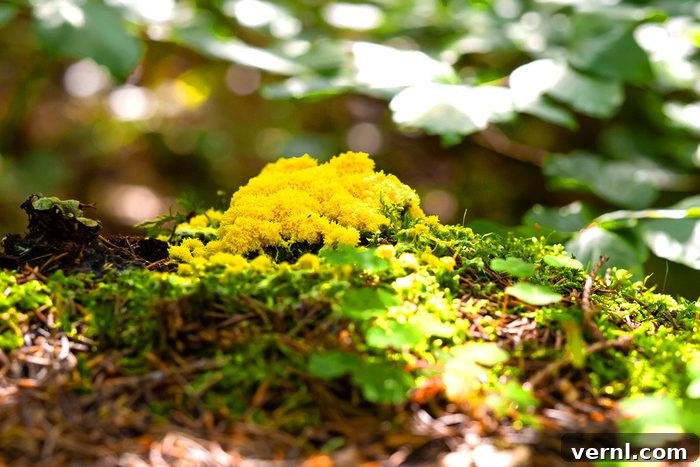
Unlike true fungi, which have cell walls made of chitin, or molds, which are multicellular filamentous organisms, Fuligo septica is a simple, single-celled organism during much of its life cycle. It exists as a large, amoeboid mass called a plasmodium, which can move and engulf food particles. This plasmodium thrives in areas rich in moisture and decomposing organic matter. It’s also affectionately (or perhaps not so affectionately) known as “scrambled egg slime” due to its initial appearance. The plasmodium typically manifests in shades of white, vibrant yellow, or bright orange, but it can also present as grayish or even pinkish hues, often changing color as it matures. You’ll most commonly spot it on tree bark, wood mulch beds, decaying leaves, or even at the base of old stumps, especially after periods of heavy rain or prolonged humidity.
One of the most crucial facts to remember about dog vomit fungus is its benign nature. Despite its grotesque appearance, Fuligo septica is not toxic to people, pets, or plants. It does not feed on living plant tissue; instead, it consumes bacteria, spores, and other microorganisms found in decaying organic material. While it can temporarily smother small patches of grass or seedlings if it grows over them, it does not actively harm them. Its presence is primarily an aesthetic concern for gardeners who prefer a consistently manicured look.
Why Does Dog Vomit Fungus Appear in Your Yard? Understanding the Conditions
The sudden emergence of Fuligo septica isn’t random; it’s a clear indicator that specific environmental conditions are present in your yard. Understanding these factors is key to both removing current outbreaks and preventing future ones. Dog vomit fungus, like most slime molds, flourishes in environments that provide three essential elements:
- Abundant Moisture: This is arguably the most critical factor. Prolonged periods of dampness, whether from heavy rainfall, excessive irrigation, poor drainage, or high humidity, create the perfect hydrated habitat for the plasmodium to grow and spread. Overwatering your lawn, especially in shaded areas that dry slowly, significantly increases the risk.
- Warm Temperatures: While slime molds can appear in various conditions, they are particularly active and prolific during warmer seasons, typically late spring through early autumn. The combination of warmth and moisture accelerates their growth and reproduction cycles.
- Rich Organic Matter: Fuligo septica feeds on bacteria and other microorganisms that thrive on decaying organic material. Therefore, an ample supply of decomposing wood chips, bark mulch, leaf litter, old logs, or even dead grass clippings provides a continuous food source for the slime mold. Mulch beds are especially prone to outbreaks because they consistently offer both moisture retention and a steady supply of organic decomposition.
- Shaded or Low-Light Areas: Slime molds generally prefer shaded environments. Direct sunlight can cause the plasmodium to dry out quickly, hindering its growth and development. Areas beneath dense trees, shrubs, or in perpetually damp corners of your yard are prime locations for this organism to flourish, as the shade helps maintain consistent moisture levels.
By recognizing these contributing factors, homeowners can better understand why dog vomit fungus has chosen their yard as its temporary home and, more importantly, how to modify these conditions to discourage its return.
Is Dog Vomit Fungus Harmful to Your Lawn or Garden? Addressing Common Concerns
When an unfamiliar, brightly colored, and rather repulsive growth appears in your carefully tended garden, it’s natural to worry about its impact on your plants, pets, and even your own health. Fortunately, with Fuligo septica, these concerns can largely be put to rest.
As mentioned, dog vomit fungus is fundamentally harmless. It poses no threat to the health of your lawn grass, ornamental plants, vegetables, or trees. Unlike pathogenic fungi that cause plant diseases by feeding on living tissue, Fuligo septica is a saprophytic organism, meaning it derives its nutrients from dead or decaying organic matter. It actively consumes bacteria, yeasts, and other microscopic organisms that thrive in decomposing material, essentially acting as a minor part of your garden’s decomposition crew.
You also don’t need to worry about your curious pets ingesting it. While it’s always wise to discourage pets from eating anything unfamiliar in the yard, dog vomit fungus is non-toxic. Its primary “harm” is purely aesthetic; its presence can be quite an eyesore, diminishing the beauty of your landscape. In rare cases, a very large, dense patch might temporarily smother small, delicate seedlings or blades of grass by blocking sunlight, but this is usually superficial and the underlying plants typically recover once the slime mold dissipates or is removed. Therefore, while you may certainly want to get rid of it for cosmetic reasons, there’s no urgent need driven by plant or pet health concerns.
How to Get Rid of Dog Vomit Fungus: Effective Removal and Control Strategies
Although dog vomit fungus isn’t dangerous, its unappealing appearance makes most homeowners eager to see it gone. The good news is that removing it is relatively straightforward, and with a few proactive measures, you can significantly reduce its chances of returning. Here’s how to rid your yard of this unsightly organism when it appears:
1. Mechanical Removal: Rake, Scoop, or Hose It Away
The simplest and most immediate solution is physical removal. A good old steel-tined rake is often my tool of choice. Gently rake the slime mold to break up the plasmodium and spread it out. You can also use a shovel, trowel, or even sturdy gloves to scoop it up. For more stubborn or widespread patches, a strong stream of water from your garden hose can effectively dislodge and disperse it. The key here is not just to remove the visible mass but also to disturb its structure and expose it to air and sunlight, which helps dry it out.
When removing it, you don’t necessarily need to be overly cautious about “spreading” it, as its spores are already ubiquitous in the environment. However, collecting the removed material in a bag for disposal in household waste or a hot compost pile (where temperatures are high enough to break it down) is a good practice if you prefer a clean slate. Simply raking it into the soil or a less conspicuous area of the garden is also often sufficient, as drying out typically renders it inactive.
2. Adjust Watering Practices: Dry Out Your Yard
As a moisture-loving organism, depriving dog vomit fungus of its essential water source is an effective long-term strategy. Do you run a sprinkler system regularly to keep your lawn green? Consider turning it on less frequently. Slime mold needs a lot of sustained moisture to survive and thrive. Your grass, in most cases, will do just fine, if not better, with less frequent but deeper watering, especially during cooler periods or after rainfall. Aim to water deeply but infrequently, allowing the topsoil to dry out between waterings. Watering in the early morning allows the sun and wind to dry the foliage quickly, reducing surface moisture throughout the day and making your lawn less hospitable to slime molds and other fungal issues.
3. Enhance Sunlight and Air Circulation: Make It Less Shady
Like many decomposers and moisture-dependent organisms, dog vomit fungus doesn’t like abundant direct sunlight. Making your yard less shady can significantly deter its growth. Trim any overhanging tree branches or dense bushes that are casting persistent shade over areas where the slime mold appears. This not only increases sunlight exposure but also improves air circulation, both of which help to dry out moist surfaces more quickly. A well-ventilated and sun-drenched garden is far less appealing to Fuligo septica, reducing the chances of future outbreaks.
4. Reduce Organic Matter: Remove Its Food Source
Dog vomit fungus is much less likely to grow where there isn’t a readily available supply of decomposing wood or other organic debris. If your lawn features a thick bed of wood mulch, especially in areas prone to slime mold, consider reducing the depth of the mulch layer or removing some or all of it where the slime mold sprouts. A thin layer (1-2 inches) is generally sufficient for moisture retention and weed suppression without creating an overly damp environment. Regularly rake or turn your mulch to aerate it and help it dry out. You might also consider inorganic mulch alternatives like gravel or stone in persistently problematic areas. Beyond mulch, consistent garden hygiene is crucial: promptly rake up fallen leaves, remove dead plant material, and clear away any rotting wood debris that could serve as a food source for the slime mold.
5. Improve Soil Drainage (Prevention Tactic)
While not a direct removal method, improving overall soil drainage can significantly reduce the moisture levels that dog vomit fungus craves. If your lawn has areas with standing water or consistently soggy soil, consider aeration to alleviate compaction and allow water to penetrate deeper into the ground rather than pooling on the surface. Incorporating organic amendments like compost into compacted clay soils can also improve soil structure and drainage over time, though this is a longer-term strategy for overall lawn health.
Prevention: Keeping Dog Vomit Fungus Away for Good
Once you’ve successfully tackled an outbreak, the goal is to prevent its return. Long-term prevention hinges on maintaining environmental conditions that are unfavorable to Fuligo septica:
- Consistent Garden Cleanup: Regularly remove leaf litter, fallen branches, and other organic debris. A tidy garden reduces the available food sources for slime molds.
- Mindful Watering: Practice responsible irrigation. Water deeply but infrequently, and always in the early morning to allow surfaces to dry before evening. Avoid overwatering, especially during humid periods.
- Proper Light Exposure: Keep trees and shrubs pruned to ensure adequate sunlight penetration and air circulation throughout your yard, particularly in areas prone to dampness.
- Mulch Management: Use mulch judiciously. Maintain a thin, even layer, and turn or fluff it regularly to promote drying. Consider alternatives in problem areas.
- Address Drainage Issues: If you have consistently wet spots, investigate and resolve underlying drainage problems. This might involve aerating, amending soil, or even regrading in severe cases.
Conclusion: A Beautiful, Fungus-Free Lawn Awaits
While the sudden appearance of dog vomit fungus (Fuligo septica) can be alarming and certainly unsightly, it’s important to remember that this fascinating organism is harmless. It’s a natural, albeit sometimes unwelcome, part of your garden’s ecosystem, playing a minor role in decomposition. By understanding its preferences for moisture and decaying organic matter, you can effectively manage its presence.
Implementing simple strategies like mechanical removal, adjusting your watering habits, improving light exposure, and managing organic debris will not only help you get rid of existing outbreaks but also significantly reduce the likelihood of future occurrences. With a little consistent effort and proactive lawn care, you can ensure your yard remains a beautiful, pristine space, free from the visual disturbance of “scrambled egg slime.” Enjoy your healthy, vibrant garden!