
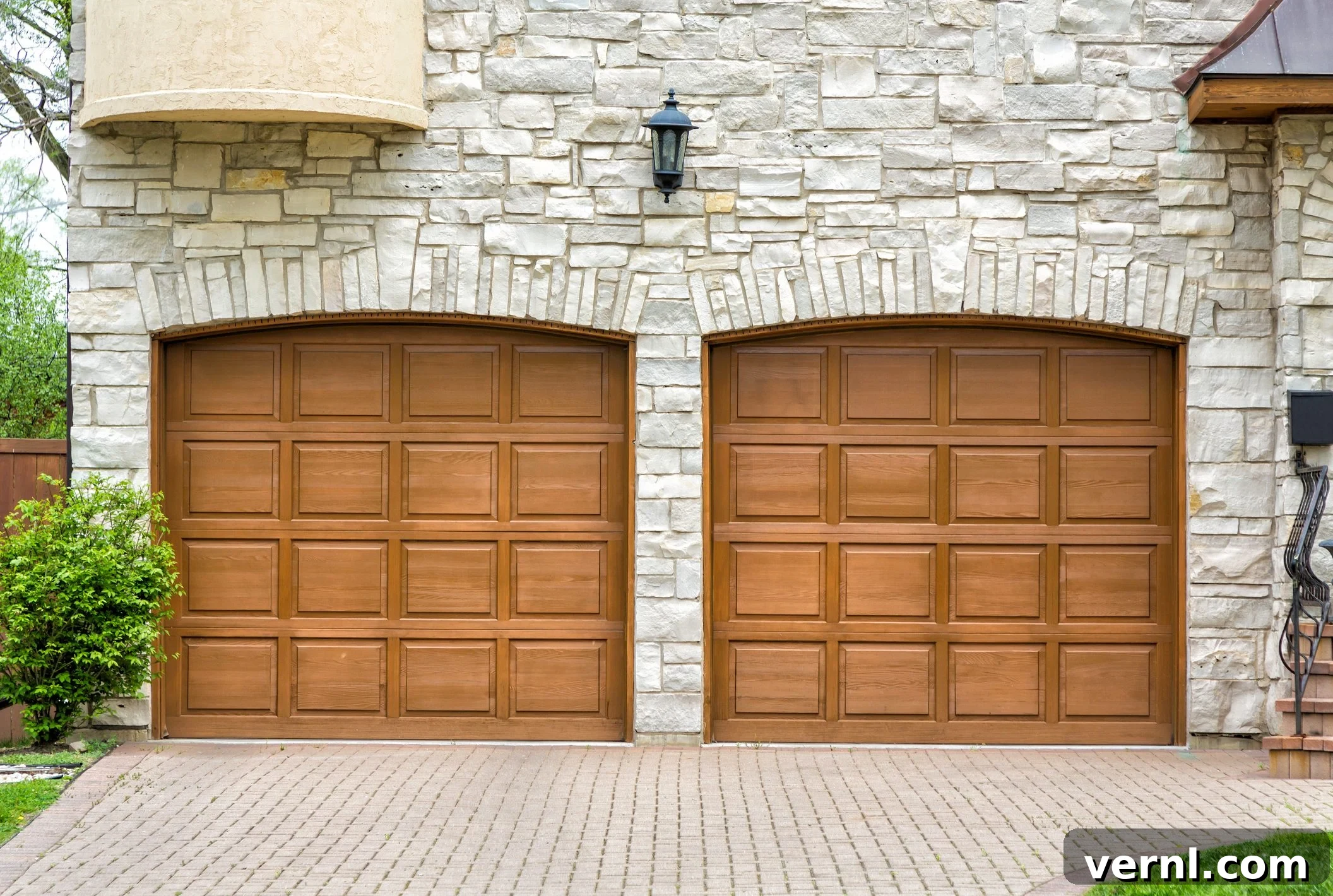
Many homeowners believe that replacing their front door is the ultimate way to boost curb appeal and increase market value. While a beautiful entry door certainly makes an impact, it often pales in comparison to the transformative power of a stunning garage door. Given its significant size and prominent position, the garage door is arguably the most dominant feature on a home’s facade, creating an undeniable first impression. And when it comes to making a truly memorable statement, few things rival the timeless elegance and sophisticated charm of a meticulously maintained wooden garage door.
Yet, what if you could achieve that same breathtaking aesthetic without the inherent challenges and upkeep associated with natural wood? This is precisely where the innovation of faux wood garage doors enters the scene. Imagine a door so convincingly crafted to resemble real wood that distinguishing between the two becomes a genuine challenge. This is the promise of faux wood—a material engineered to replicate nature’s beauty with remarkable precision. Far from being a mere imitation, the “fauxness” in this context represents a leap forward in design and functionality, offering compelling advantages for the discerning homeowner.
The term “faux wood” can, however, be interpreted differently across various garage door manufacturers and dealers. For some, it might refer to basic embossed vinyl or aluminum sheeting layered over a steel frame. While these options offer a wood-like texture from a distance, their true synthetic nature often becomes apparent upon closer inspection, failing to capture the rich depth and authenticity of genuine timber. Conversely, leading manufacturers, such as those featured at Artisan Custom Doorworks, craft top-tier faux wood doors from advanced plastic resins or fiberglass. These premium materials achieve an astonishing level of realism, making them virtually indistinguishable from their natural counterparts, even up close.
What Exactly is a Faux Wood Garage Door?
A faux wood garage door is expertly manufactured from a synthetic material specifically engineered to replicate the aesthetic appeal of natural wood. These advanced synthetics primarily include robust epoxy resin, durable urethane resin, and versatile fiberglass. Often, fiberglass doors consist of epoxy or urethane resin reinforced with fiberglass strands, providing superior strength and flexibility. To achieve their authentic appearance, these doors are typically infused with deep, wood-tone colorants that permeate the entire material, ensuring long-lasting color integrity.
While vinyl and aluminum can also be molded with a wood-like texture, they generally offer a less convincing imitation. Their inherent thinness and bendability necessitate a metal frame for structural stability, often resulting in a less realistic and somewhat flimsy appearance compared to their resin or fiberglass counterparts. Some manufacturers also produce doors by mounting composite wood onto a steel frame. However, since composites incorporate actual wood fibers, they fall into a distinct category, bridging the gap between purely synthetic and natural materials. It’s the sophisticated resin and fiberglass options that truly capture the intricate details, rich textures, and varied hues of genuine wood, making them the gold standard in faux wood garage doors.
The evolution of the garage door itself tells a story of innovation. The first garage door was patented in 1921, and throughout the first half of the 20th century, wood dominated the market as the material of choice. However, as the demand for more durable and low-maintenance alternatives grew, manufacturers began exploring alternative materials in the 1970s. This experimentation started with galvanized steel, followed by aluminum, vinyl, and fiberglass. To keep pace with increasingly sophisticated architectural designs and homeowner preferences for diverse aesthetics, these materials were meticulously molded and colored to mimic the look of wood. Among these innovations, plastic resins and fiberglass emerged as the frontrunners in achieving the most realistic and high-quality faux wood finishes, a tradition that continues to improve with modern manufacturing techniques.
Key Advantages: Why Choose a Faux Wood Garage Door?
For a faux wood garage door to truly embody the charm of real timber, it must feature a meticulously textured wood grain and be colored with a permanent, rich wood tone. Doors possessing these qualities offer a multitude of compelling benefits that make them a superior choice over traditional real wood doors in many scenarios. From effortless maintenance to unparalleled durability, faux wood delivers an exceptional blend of aesthetic appeal and practical functionality that enhances any home.
- Remarkably Lightweight: Most synthetic materials used in faux wood garage doors are significantly lighter than their natural wood counterparts. This reduced weight offers several advantages. It places less strain on your automatic garage door opener, extending its lifespan and reducing the likelihood of costly repairs. Furthermore, a lighter door is easier and safer to operate manually, providing peace of mind during power outages. This inherent lightness also simplifies the installation process, potentially reducing labor costs.
- Unrivaled Weather Resistance: Unlike natural wood, which is susceptible to rotting, warping, cracking, and insect infestation, synthetic materials like resins and fiberglass are inherently weather-resistant. They will not absorb moisture, swell, or shrink due to humidity fluctuations, nor will they become a meal for termites or other pests. While some metal-based faux wood doors can rust, this is easily prevented with proper finishes and paints. This resilience makes faux wood an ideal choice for homes in harsh climates, ensuring your garage door maintains its pristine appearance for years, regardless of rain, snow, sun, or extreme temperatures.
- Effortless Low Maintenance: One of the most significant advantages of faux wood garage doors is their minimal maintenance requirements. Say goodbye to the endless cycle of sanding, staining, sealing, and repainting that real wood demands. Faux wood doors are remarkably easy to keep clean, typically requiring just a simple wash with soap and water. They are also highly resistant to mold and mildew growth, making them a hygienic choice. Crucially, many materials, including high-quality plastic resins, fiberglass, and vinyl, boast colors that extend all the way through the material. This innovative design means that minor scratches are often invisible, or at least far less noticeable than on a painted wood surface, further reducing the need for touch-ups and extensive upkeep.
- Exceptional Longevity and Durability: Faux wood garage doors are engineered for endurance, often outlasting real wood doors by a significant margin. While a traditional wood door might come with a 20-year warranty, premium plastic resin, fiberglass, and vinyl doors are frequently backed by impressive lifetime guarantees. This speaks volumes about their inherent durability and resistance to wear and tear. Their ability to withstand environmental stressors, impacts, and daily use without deteriorating makes them a wise long-term investment, offering homeowners peace of mind and reducing the need for premature replacement.
- Outstanding Cost-Effectiveness: While the initial price of a faux wood garage door can vary, virtually all options are more affordable than bespoke or premium real wood doors. However, the true cost-effectiveness becomes apparent over the door’s lifespan. By eliminating the ongoing expenses associated with wood maintenance—such as regular painting, staining, sealing, and potential repairs due to rot or insects—faux wood doors offer substantial long-term savings. Depending on factors like the door’s design, insulation level, and specific materials, the price difference might not be immediately dramatic, but the cumulative savings from reduced upkeep make faux wood a truly economical choice without compromising on aesthetic appeal.
- Versatile Design and Aesthetic Options: Modern faux wood technology allows for an incredible range of design possibilities. Manufacturers can meticulously mimic various wood species, from the rustic charm of cedar to the deep elegance of mahogany or the classic appeal of oak. These doors come in a vast array of grain patterns, panel styles, and finishes, including distressed, smooth, or natural textures. This extensive customization means homeowners can perfectly match their garage door to their home’s architectural style and personal taste, achieving a high-end look that might be prohibitively expensive or difficult to source with real wood.
Considerations and Potential Drawbacks of Faux Wood Garage Doors
While faux wood garage doors offer an impressive array of benefits, it’s essential to consider their potential drawbacks to make an informed decision. These doors typically fall into a mid-range price bracket, often more affordable than custom real wood but generally more expensive than basic, non-embossed steel, fiberglass, or vinyl options. They provide an excellent substitute for wood but do come with specific limitations that homeowners should be aware of before making a purchase.
- Subtle Artificiality: Despite significant advancements in manufacturing, a faux wood door is, by its very nature, not real wood. While top-quality doors can be incredibly convincing and difficult to distinguish, especially from a distance, some discerning observers might still perceive a subtle synthetic quality upon very close inspection. The depth and organic imperfections of natural wood can be challenging to perfectly replicate, and this might be a factor for purists who value absolute authenticity above all else.
- Variable Insulation Properties: While wood inherently offers decent insulation, some faux wood materials, particularly metals and certain plastics, may lack the same insulating value on their own. For homes in cold climates or for garages that are heated or converted into living spaces, faux wood doors often require an integrated core of foam insulation to maintain comfortable temperatures and energy efficiency. It’s crucial to check the R-value of a faux wood door, as this will indicate its thermal performance and ensure it meets your specific insulation needs.
- Vulnerability to Specific Damages: While faux wood materials are durable, they can be vulnerable to certain types of damage. Metal components like steel, aluminum, and vinyl can dent upon impact, affecting the door’s aesthetic. Furthermore, some materials such as vinyl, certain plastic resins, and fiberglass can potentially become brittle and crack in extremely cold weather conditions, particularly if subjected to impact. Repairing these types of damage can sometimes be more complex or costly than repairing a comparable section of a real wood door.
- Limited Customization Post-Installation: Manufacturers typically offer a broad range of personalized options during the initial purchase of a faux wood door, including styles, finishes, and colors. However, once installed, modifying a faux wood door can be considerably more difficult than altering a real wood door. For example, painting or staining a faux wood door might not be recommended or might require specific primers and paints, potentially voiding warranties. This lack of post-installation flexibility means that homeowners should be confident in their initial design choices.
Is a Faux Wood Garage Door the Right Choice for Your Home?
A faux wood garage door represents an excellent investment for a specific set of homeowner needs and preferences. If you desire a significant upgrade in style beyond what a standard metal or vinyl door can offer, but your budget doesn’t quite stretch to a custom-built solid wooden door, faux wood provides a compelling middle ground. It delivers high-end aesthetics without the premium price tag of true bespoke timber.
Moreover, faux wood is an outstanding option for those who admire the classic beauty of wood but reside in challenging environmental conditions that are notoriously harsh on natural materials. Areas experiencing intense, prolonged sun exposure can cause real wood to fade, warp, and crack, while high humidity can lead to swelling, rot, and mildew. In such climates, a faux wood garage door offers the best of both worlds: the enduring charm of wood with the resilience and low-maintenance benefits that natural wood simply cannot provide. It’s the ideal solution for achieving a stunning, durable, and cost-effective facade enhancement that stands the test of time and weather.
Choosing the Perfect Faux Wood Garage Door
Selecting the right faux wood garage door involves more than just picking a pretty finish; it requires careful consideration of materials, design, and functional needs to ensure it perfectly complements your home and lifestyle. With the market offering a wide array of options, understanding these factors will help you make a confident decision.
Understanding Material Choices
The core material dictates much about the door’s durability, appearance, and maintenance. Fiberglass doors are known for their exceptional realism, able to replicate intricate wood grains and colors with remarkable fidelity. They are highly resistant to dents, rot, and insects, making them ideal for humid or harsh climates. Resin-based doors, often made from epoxy or urethane, offer similar benefits, providing a sturdy, rot-proof, and low-maintenance surface that holds its color beautifully. While vinyl and aluminum clad options exist, they generally offer a less convincing wood aesthetic and might be more prone to dents or a ‘flatter’ appearance. Researching the specific material composition is key to understanding its long-term performance.
Design and Style Integration
The goal of a faux wood door is to enhance your home’s aesthetic, so matching its design to your architectural style is paramount. Consider mimicking specific wood species like rustic cedar for a craftsman home, elegant mahogany for a traditional estate, or rich oak for a classic look. Beyond the wood type, explore different panel configurations, such as carriage house styles, traditional raised panels, or contemporary flush designs. Pay attention to the texture—some doors offer a deeply embossed grain for a realistic feel, while others might be smoother. The finish, whether a natural wood stain look or a painted option, should harmonize with your home’s exterior color palette and overall design theme.
Assessing Insulation Needs
The R-value of your garage door is a crucial consideration, especially if your garage is attached to your home, heated, or used as a workshop or living space. While natural wood offers some inherent insulation, many faux wood materials benefit greatly from integrated foam cores. A higher R-value indicates better thermal performance, which can lead to significant energy savings by preventing heat loss in winter and heat gain in summer. Evaluate your climate and how you intend to use your garage to determine the appropriate level of insulation needed to maximize comfort and efficiency.
Hardware and Custom Details
The smaller details can make a huge difference in achieving an authentic wood appearance. Choose high-quality decorative hardware such as handles, hinges, and pull straps that complement the chosen wood style. Wrought iron or rustic bronze accents can significantly enhance the carriage house look, while sleek, modern hardware suits contemporary designs. Also, consider window inserts—opt for designs that mimic historical glass panes or offer an updated look. These custom details help to elevate the overall design, ensuring your faux wood door looks bespoke rather than mass-produced.
Professional Installation is Key
Even the most exquisite faux wood garage door will not perform optimally without expert installation. A professional installer ensures that the door is perfectly balanced, the tracks are aligned, the opener functions smoothly, and all safety mechanisms are correctly installed. Proper installation is critical for the door’s longevity, smooth operation, and adherence to warranty terms. An experienced installer can also advise on maintenance tips specific to your chosen door, helping you preserve its beauty and functionality for decades.
Elevating Your Home with Faux Wood
In conclusion, faux wood garage doors offer an exceptional fusion of aesthetic charm, practical durability, and intelligent value. They skillfully address the desire for the timeless beauty of natural wood while effectively sidestepping its inherent maintenance challenges and vulnerabilities. By choosing a high-quality faux wood option, homeowners can significantly enhance their property’s curb appeal, boost its market value, and enjoy a stunning, long-lasting facade feature with minimal upkeep.
Whether you’re contending with harsh climates, seeking a cost-effective alternative to premium timber, or simply prioritizing a hassle-free yet elegant exterior, faux wood garage doors present a compelling solution. Explore the diverse range of materials, designs, and finishes available, and consider consulting with garage door specialists to find the perfect faux wood masterpiece that will transform your home’s exterior for years to come. It’s an investment that pays dividends in both beauty and peace of mind, proving that sometimes, the best wood isn’t wood at all.