Often overlooked due to their microscopic size, mites are a ubiquitous group of tiny arachnids, closely related to spiders and ticks. These incredibly diverse creatures can be found in virtually every environment, from the deep sea to the highest mountains, and even within our own homes and on our bodies. While many mite species are harmless scavengers, others are parasitic, attaching themselves to a living host—which can include plants, insects, pets, and even humans. Their feeding habits vary widely, with some feasting on sloughing skin cells, others on animal dander, and some even on blood.
Exposure to mites doesn’t always result in a direct “bite” in the traditional sense. Many adverse reactions are actually allergic responses to mite allergens, such as their body fragments or feces. These reactions can manifest as rashes, itching, and general skin irritation. The Mayo Clinic describes severe allergic skin irritation resulting from contact as contact dermatitis. While not typically life-threatening to humans, mites are well-known triggers for allergic conditions like hay fever, and can exacerbate symptoms in individuals suffering from asthma or eczema, leading to significant discomfort and health issues.
Do All Mites Bite People? Understanding Mite Interactions with Humans
The question of whether mites bite people is a common concern, and the answer is nuanced: some do, and some don’t. The vast world of mites encompasses hundreds of thousands of species, but only a small fraction of these will actually interact with humans in a way that involves “biting” or burrowing into the skin. Most mites are harmless to humans, often going unnoticed as they play their roles in ecosystems, breaking down organic matter, or preying on other tiny invertebrates.
For those species that do bite, their minuscule size means that the act of biting itself is often imperceptible. You might not feel anything at the moment of contact. Instead, the first indication of a bite is usually the subsequent reaction on the skin, such as a localized rash, an itchy bump, or inflammation. This delayed reaction makes it challenging to pinpoint the exact moment of a bite and identify the culprit without careful observation or medical diagnosis. It’s important to differentiate between the direct physical effects of a bite and the allergic reactions caused by exposure to mite allergens, which can often present similar symptoms.
Identifying the Culprits: Types of Mites That Bite Humans
While most mites are innocuous, a select group of species has evolved to interact with humans more directly, leading to what we commonly refer to as “mite bites.” Understanding these specific types is crucial for proper identification, treatment, and prevention.
- Scabies Mites (Sarcoptes scabiei): These highly specialized parasitic mites are notorious for causing scabies, a contagious skin infestation. Female scabies mites burrow into the top layer of human skin to lay their eggs and deposit fecal matter, triggering an intense allergic reaction characterized by severe itching, particularly at night, and a distinctive rash of small red bumps or blisters. Common infestation sites include the webbing between fingers, wrists, elbows, armpits, waist, buttocks, and genitals. In animals, a related species can cause mange.
- Straw Itch Mites (Pyemotes tritici): Also known as hay itch mites, these mites are typically parasites of insects that infest grains, hay, straw, and other plant materials. Humans are usually bitten when they come into direct contact with infested materials like straw, hay, grasses, leaves, or seeds. Their bites often manifest as itchy, red welts, commonly appearing on the shoulders, neck, and torso, as these are exposed areas that typically contact infested items. The itching can be quite intense and persist for several days.
- Demodex Mites (Demodex folliculorum and Demodex brevis): These microscopic mites are common inhabitants of human skin, particularly around hair follicles and sebaceous glands of the face. While most people host Demodex mites without any issues, an overpopulation can lead to a condition known as demodicosis. Symptoms can include dry, red patches, itching, burning sensations, and skin sensitivity, often resembling rosacea or eczema. They are not typically considered “biting” mites in the same way as scabies or chiggers, but their presence in large numbers can cause significant skin irritation.
- Rodent and Bird Mites (e.g., Northern Fowl Mite, Tropical Rat Mite): These mites are primary parasites of specific animal hosts. When their natural hosts, such as rodents or birds, die, abandon a nest, or are removed from a home, these mites will seek alternative food sources, often turning to humans. Bites from rodent and bird mites can occur anywhere on the body, creating itchy, red, and swollen rashes. They are often particularly bothersome at night and can be a strong indicator of an active or recently vacated rodent or bird infestation within a home.
- Chiggers (Larval Trombiculidae): The larval stage of chiggers is arguably the most common biting mite encountered by humans. These tiny, reddish-orange larvae live in grassy, bushy, and wooded areas. Unlike ticks, chiggers do not burrow into the skin or suck blood. Instead, they attach to the skin, typically around ankles, waist, or behind the knees, and inject skin-digesting saliva. This saliva creates a feeding tube (stylostome) through which they ingest liquefied skin cells. The body’s immune response to this saliva causes intensely itchy, red welts, often with a distinct red dot in the center, which appear several hours to a day after exposure.
Beyond these biting species, many other mites exist that do not bite but can still cause adverse reactions. Among the most common are dust mites and clover mites. Dust mites are a primary source of indoor allergens, triggering symptoms such as nasal congestion, sneezing, asthma attacks, and eczema due to exposure to their droppings and decaying bodies, not from biting. Clover mites are plant feeders that occasionally invade homes in large numbers, primarily as a nuisance, and do not bite humans or pets, although they can leave reddish stains if crushed.
What Do Mite Bites Look Like? Visualizing the Reactions
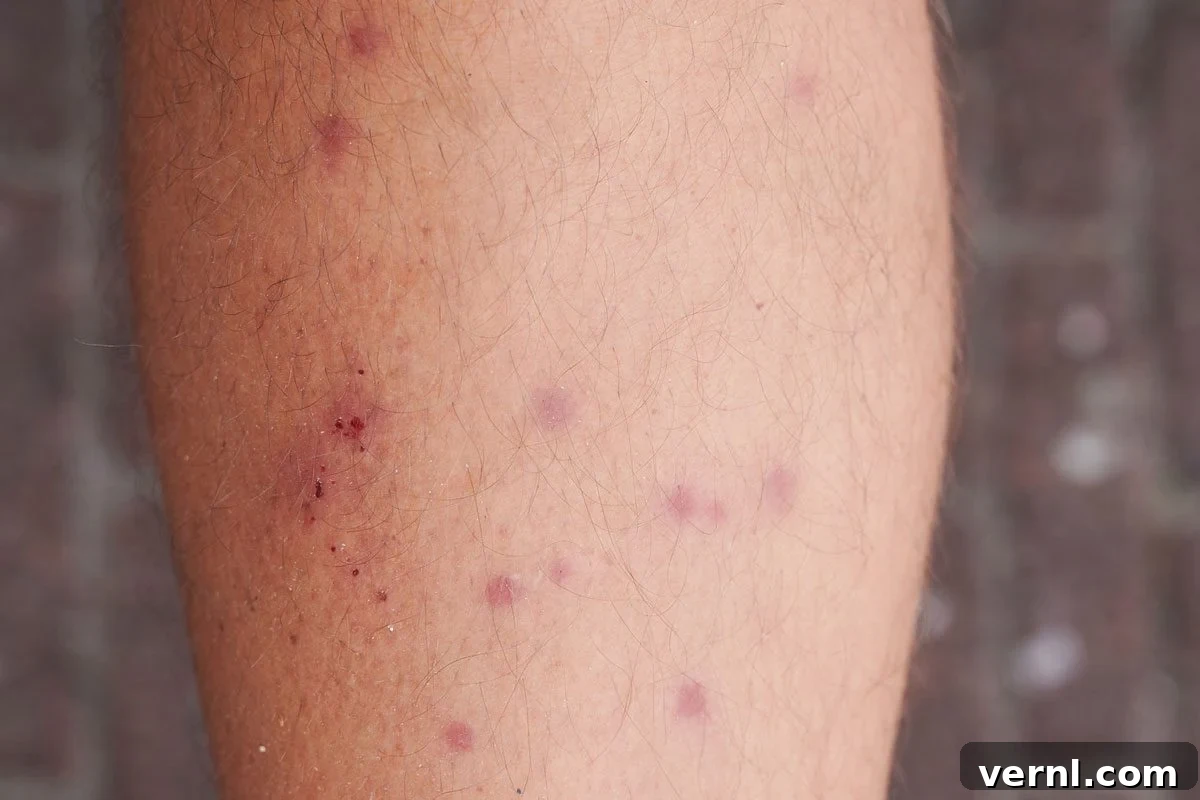
Identifying mite bites can be challenging because their appearance can vary significantly depending on the mite species, the individual’s immune response, and the duration of exposure. However, there are some general characteristics and specific indicators for common mite bites.
Generally, mite bites manifest as itchy, hard bumps, or raised red patches of skin, which can sometimes be accompanied by blistering. The intense itching is a hallmark symptom for most mite-related skin reactions. Here’s a closer look at what specific mite bites might resemble:
- Scabies Bites: These are highly distinctive. The primary lesions are small, red papules (pink pimples), vesicles (small blisters), and burrows—tiny, grayish or skin-colored lines, often only a few millimeters long, which are created by the female mite tunneling under the skin. Scabies rashes typically appear in warm, moist areas like the webbing between fingers, wrists, elbows, armpits, genitals, and buttocks. The itching is notoriously severe, especially at night.
- Straw Itch Mite Bites: These usually appear as multiple, small, red, intensely itchy papules or welts, often concentrated on areas of the body that came into contact with infested materials, such as the neck, shoulders, and arms. The bites may resemble insect bites, but their sudden onset and numerous appearance after contact with hay or straw can be a distinguishing factor.
- Demodex Mite Irritation: While not “bites,” an overpopulation of Demodex mites can cause a range of skin issues, including dry, red, inflamed patches, particularly on the face. Symptoms can also include persistent redness, scaling, burning sensations, and sometimes pustules, often mimicking or exacerbating conditions like rosacea, acne, or folliculitis.
- Rodent and Bird Mite Bites: Bites from these mites commonly present as intensely itchy, red, swollen rashes that can appear anywhere on the body. They often occur in clusters or lines, especially in areas where clothing fits tightly or at night when the mites are most active. The presence of an active or recent rodent or bird nest nearby is a strong diagnostic clue. It’s also worth noting that mold mites, while not biting, can sometimes be associated with damp environments and may cause skin irritation in sensitive individuals.
- Chigger Bites: These are characterized by tiny, intensely itchy, red welts or papules, often appearing in clusters around the waist, ankles, behind the knees, or in other areas where clothing is tight. The itching is typically delayed by several hours and can become excruciating, lasting for several days. A characteristic red dot (the chigger larva itself, or the stylostome) might sometimes be visible in the center of the welt, though the larvae often detach after feeding.
If you suspect a scabies infestation, it’s crucial to seek medical attention right away. Scabies is highly contagious, and the mites can live and reproduce under the skin for several months if left untreated, leading to more widespread infestation and severe discomfort.
Effective Strategies: How to Treat Mite Bites and Infestations
The approach to treating mite bites and infestations depends heavily on the type of mite and the severity of the reaction. Some mite bites are localized and self-limiting, while others, like scabies, require specific medical intervention and environmental decontamination due to their highly contagious nature.
General Treatment for Itchy Mite Bites:
For most non-scabies mite bites that cause itching and irritation, symptomatic relief is the primary goal. It’s crucial to avoid scratching, as this can break the skin, leading to secondary bacterial infections or scarring.
- Over-the-Counter Remedies: Visit your local pharmacy for oral antihistamines (like diphenhydramine or loratadine) to reduce itching and inflammation. Topical creams containing hydrocortisone (1% strength), calamine lotion, or anti-itch balms with menthol or camphor can also provide localized relief.
- Cool Compresses: Applying a cool, damp cloth or ice pack to the affected area can help soothe itching and reduce swelling.
- Oatmeal Baths: Colloidal oatmeal baths can be very effective in relieving widespread itching and calming irritated skin, particularly for multiple bites or extensive rashes.
Specific Treatment for Scabies Infestation:
If a scabies infection is suspected or diagnosed, prompt and comprehensive treatment is essential. The Centers for Disease Control and Prevention (CDC) provides clear guidelines for managing scabies:
- Prescription Scabicides: The primary treatment involves applying a doctor-prescribed scabicide lotion or cream (such as permethrin cream) over the entire body, from the neck down, usually at night, and then washing it off after a specified duration. It’s vital to follow the doctor’s instructions precisely regarding application and duration.
- Treating Household Members and Contacts: Because scabies is highly contagious, all household members and close contacts of the infected person should be examined and treated at the same time, even if they don’t show symptoms. This prevents re-infestation.
- Environmental Decontamination: All bedding, clothing, towels, and other fabrics used by the infected person and household members should be washed in hot water (at least 130°F or 54°C) and dried on a hot cycle.
- Sealing Non-Washable Items: Items that cannot be washed, such as stuffed animals or decorative pillows, should be sealed in plastic bags for at least 72 hours (or longer, up to a week) to starve the mites.
- Addressing Secondary Infections: If scratching has led to open sores that appear infected (redness, pus, increased pain), a doctor may prescribe antibiotics to treat the bacterial infection.
Proactive Measures: How to Prevent Mite Bites and Infestations
Preventing mite bites and infestations is often more effective than treating their aftermath. The key lies in eliminating the mite’s host (if applicable) and reducing conditions that favor mite proliferation. While pesticides can offer temporary solutions, they are often not recommended, especially in homes with children and pets, due to potential health risks. Focusing on integrated pest management and environmental control provides a safer and more sustainable approach.
Indoor Mite Prevention Strategies:
Many common mites thrive in indoor environments, especially dust mites. Implementing rigorous hygiene and environmental control can significantly reduce their presence and impact:
- Regular and Thorough Vacuuming: Vacuum carpets, rugs, and upholstery frequently, at least once or twice a week. Using a vacuum cleaner with a HEPA filter is highly recommended, as it traps tiny mite allergens that standard vacuums might re-circulate into the air.
- Hot Water Washing of Linens: Wash all bedding, blankets, pillowcases, curtains, and clothing in hot water (ideally 130 to 140°F or 54 to 60°C) at least once a week. This temperature effectively kills mites and washes away allergens.
- Use Allergen-Proof Covers: Encase mattresses, pillows, and cushions with special zippered allergen-proof covers. These tightly woven covers create a barrier that prevents mites from colonizing bedding and prevents existing allergens from escaping.
- Control Humidity Levels: Mites, especially dust mites, thrive in moist environments. Use home dehumidifiers to keep indoor humidity levels below 50% (ideally between 30-50%). Air conditioning can also help reduce humidity.
- Maintain Cleanliness and Organization: Regularly dust surfaces with a damp cloth, declutter to reduce areas where dust and mites can accumulate, and ensure good ventilation throughout your home.
- Seal Food Containers Tightly: For mites that feed on stored food products (though less common for biting mites), keeping pantry items in airtight containers can prevent infestations.
- Address Pet and Rodent Issues: If rodent or bird mites are a concern, eliminating the primary host is paramount. This means sealing entry points for rodents, removing bird nests from eaves, and treating pets for mites as advised by a veterinarian.
Outdoor Mite Prevention Strategies:
For mites like chiggers and straw itch mites that are encountered outdoors, specific precautions can minimize exposure:
- Avoid Tall Grasses and Overgrown Areas: Chiggers and other field mites commonly inhabit tall grass, dense brush, and wooded areas. When walking or hiking, try to stay on cleared paths.
- Wear Protective Clothing: When venturing into mite-prone areas, wear long-sleeved shirts, long pants tucked into socks or boots, and closed-toe shoes. This creates a physical barrier against mites.
- Apply Insect Repellent: Use insect repellents containing DEET, picaridin, or oil of lemon eucalyptus on exposed skin and clothing. Always follow product instructions carefully.
- Prompt Post-Exposure Hygiene: After spending time in an infested area, take a hot shower or bath as soon as possible. Vigorously scrub your skin with soap and water to dislodge any mites that may have attached.
- Wash Clothing Immediately: Launder all clothing worn outdoors in hot water immediately after returning home to kill any clinging mites.
- Maintain Your Yard: Regularly mow your lawn, trim bushes, and clear away leaf litter and overgrown vegetation to create a less hospitable environment for mites around your home.
If you do get a mite bite, the most crucial advice is: don’t scratch it! While the urge can be intense, scratching can break the skin, leading to secondary bacterial infections, prolonged healing, and potential scarring. Instead, focus on soothing the itch with the over-the-counter remedies mentioned above. If symptoms worsen, the rash spreads, or you suspect a more serious infestation like scabies, always consult a healthcare professional for accurate diagnosis and appropriate treatment.