Unlocking Superior Performance: The Comprehensive Guide to Closed-Cell Spray Foam Insulation
In the evolving world of construction and home improvement, insulation plays a pivotal role in determining a building’s energy efficiency, comfort, and structural integrity. Among the myriad of options available, closed-cell polyurethane spray foam stands out as a premium solution, renowned for its exceptional properties. This advanced insulation material boasts a high R-value, formidable resistance to water, mold, and insects, and the unique ability to expand into and seal the most challenging nooks and crannies. Furthermore, it offers an often-overlooked benefit: significantly enhancing the structural support of walls and roofs.
While its advanced performance comes with a higher price tag compared to traditional insulation methods, the long-term benefits often outweigh the initial investment. This comprehensive guide will delve deep into the characteristics, advantages, applications, and considerations of closed-cell spray foam, helping you determine if it’s the ideal choice for your next project or for optimizing your home’s insulation.
What is Closed-Cell Spray Foam Insulation?
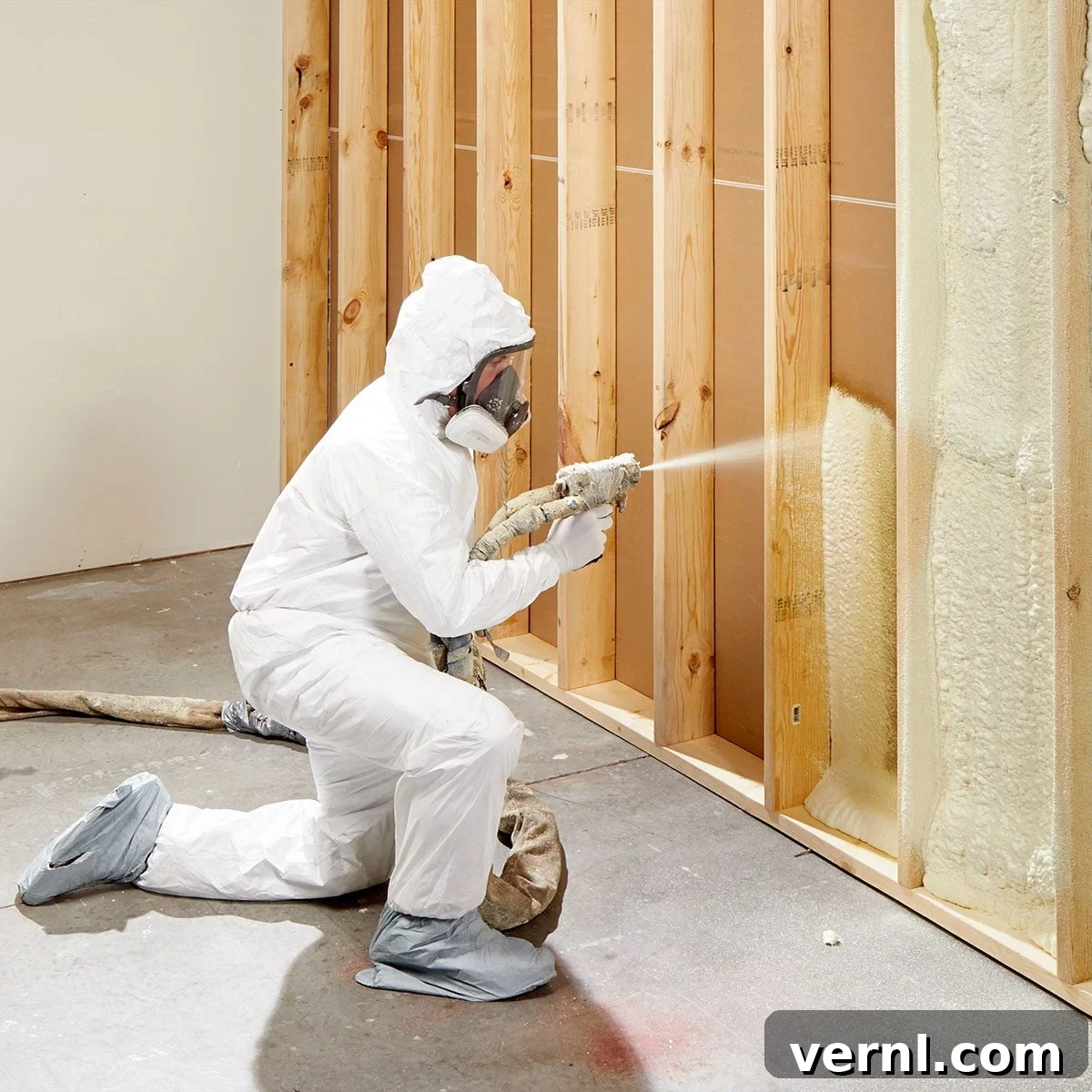
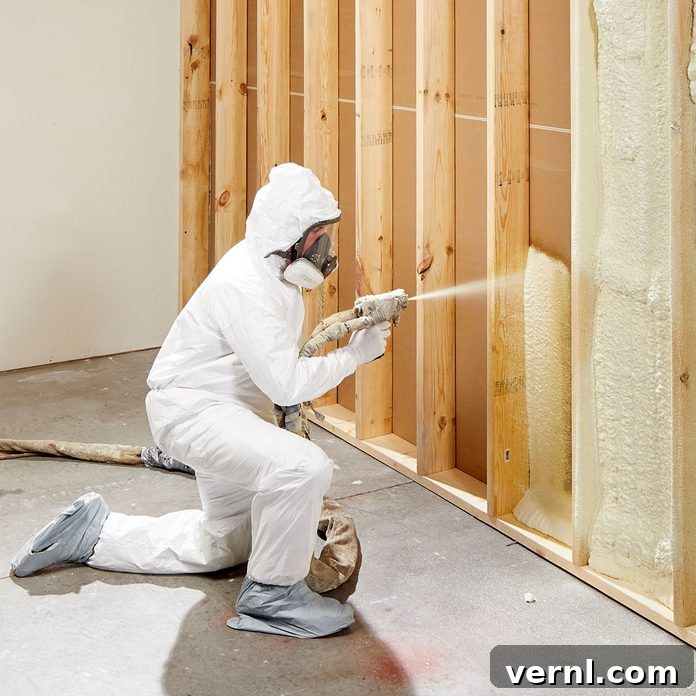
Closed-cell spray foam insulation is a sophisticated product created through the precise mixing of two liquid chemicals – typically an isocyanate and a polyol resin – at the point of application. These two components are transported through separate hoses to a specialized spray gun. Within the gun, they are heated to approximately 130 degrees Fahrenheit and mixed under high pressure, usually between 1100-1200 psi. This exact temperature and pressure are crucial for initiating the exothermic chemical reaction that causes the liquid mixture to expand rapidly and solidify.
Upon exiting the spray gun and contacting the substrate, the foam undergoes an impressive transformation, expanding anywhere from 30 to 60 times its initial liquid volume. As it cures, it forms a rigid, dense matrix of tiny, sealed cells. These individual cells trap gas (often a low-conductivity blowing agent), preventing air movement and making it an incredibly effective thermal barrier. Unlike open-cell foam, which has open, interconnected cells, the closed-cell structure is inherently more resistant to water absorption and provides superior insulation properties per inch. This unique composition makes it a versatile and powerful tool for modern construction.
For those considering a DIY approach to insulation, it’s important to understand the complexities involved. While small repair kits exist, large-scale applications of spray foam require specialized equipment, extensive training, and adherence to strict safety protocols due to the chemicals involved and the precision required for proper curing. You can learn more about the challenges of DIY spray foam insulation here.
Understanding Foam Density
The performance characteristics of closed-cell spray foam are closely tied to its density, which is measured by weight per cubic foot. A common way to visualize this is imagining a 12-inch cubic box: if filled with 2-lb. density foam (fully expanded), it would weigh two pounds. Similarly, a 12-inch cubic box filled with 3-lb. density foam would weigh three pounds.
The industry primarily utilizes specific densities for different applications:
- 2-lb. Density Foam: This is the most common density for both residential and light commercial projects. It offers an excellent balance of thermal performance, structural rigidity, and cost-effectiveness. It’s ideal for walls, attics, crawl spaces, and rim joists.
- 3-lb. Density Foam: Offering even greater compressive strength and water resistance, 3-lb. density foam is primarily used for commercial rooftops and applications where enhanced durability and protection against heavy loads or extreme weather conditions are paramount. Its increased density makes it incredibly resilient against foot traffic and prolonged exposure to the elements.
The choice of density depends entirely on the specific requirements of the project, including desired R-value, structural needs, and exposure to moisture or physical stress.
Unmatched R-Value Performance
When it comes to thermal performance, closed-cell spray foam insulation consistently outperforms traditional insulation materials such as fiberglass batts, rock wool, and cellulose. The R-value, a measure of thermal resistance, indicates how effectively an insulating material resists heat flow. The denser the foam, the higher its R-value per inch, meaning you need less material to achieve superior insulation.
On average, one inch of properly cured 2-lb. closed-cell foam delivers an impressive R-value of R-6.8. To put this into perspective, a standard 2×6 wall cavity, which typically provides about 5.5 inches of space, can be filled with closed-cell foam to achieve an R-value approaching R-34. This is nearly double the thermal resistance you could achieve with conventional fiberglass insulation in the same space, which typically offers an R-value of R-3.0 to R-3.5 per inch, yielding only R-18 to R-19 in a 2×6 cavity. This significant difference translates directly into superior energy efficiency, reduced heating and cooling costs, and a more comfortable indoor environment throughout the year.
The high R-value of closed-cell spray foam also helps in minimizing “thermal bridging,” a common issue where heat can escape or enter a building through structural elements like studs and joists. By creating a continuous, monolithic layer of insulation, closed-cell foam minimizes these thermal bypasses, leading to a much more effective thermal envelope.
The Integrated Vapor Barrier
One of the standout features of closed-cell spray foam, which sets it apart from many other insulation systems, is its ability to create an effective vapor barrier when applied at a specific thickness. A vapor barrier is critical for preventing moisture migration through building assemblies, which can lead to condensation within walls, structural damage, and the growth of mold and mildew.
Historically, approximately 2.5 inches of 2-lb. foam was required to qualify as a vapor barrier. However, with advancements in chemical formulations and application techniques, many modern closed-cell spray foam products can achieve vapor barrier status with as little as one inch of application. It’s important to note that the exact thickness required can vary slightly depending on the chemical manufacturer and specific product formulation, so always consult product data sheets and local building codes.
By acting as both an air barrier and a vapor barrier, closed-cell spray foam offers a dual layer of protection, dramatically reducing unwanted air infiltration and controlling moisture, which are two of the biggest contributors to energy loss and indoor air quality issues in buildings.
Enhanced Structural Integrity
Beyond its thermal and moisture control capabilities, closed-cell spray foam insulation contributes a remarkable degree of structural rigidity to building assemblies. Its dense, adhesive nature allows it to bond firmly to substrates, effectively “gluing” components together and stiffening the overall structure.
Numerous tests have demonstrated this impressive quality. For instance, in one documented scenario, three inches of spray foam were applied to the underside of roof decking that was merely resting on roof trusses without any fasteners. After the foam had fully cured, attempts to remove the decking proved impossible without causing significant damage to the trusses themselves. This illustrates the incredible adhesion and bracing effect that closed-cell foam provides.
This added structural support is particularly beneficial in regions prone to high winds, seismic activity, or where greater building resilience is desired. It can help prevent racking in walls, reinforce roof decking against uplift, and generally make a building envelope more robust and resistant to external forces.
Versatility in Application
The unique properties of closed-cell spray foam make it incredibly versatile, suitable for a wide array of applications across both residential and commercial projects. Its ability to create a continuous, seamless seal in almost any shape or cavity makes it ideal for challenging environments where traditional insulation might fall short.
Common applications include:
- Exterior and Interior Walls: Providing an airtight, high R-value envelope for superior thermal performance.
- Attics and Cathedral Ceilings: Creating a “hot roof” system that insulates directly at the roof deck, moving the thermal boundary to the roofline and often eliminating the need for attic ventilation.
- In Floor Assemblies: Insulating between floors to reduce sound transmission and improve thermal comfort in multi-story buildings, or insulating floor joists above unconditioned spaces like crawl spaces.
- Under Slabs for Radiant Heat: Offering a thermal break that prevents heat loss into the ground, directing radiant heat upwards into the living space more efficiently.
- Footings and Foundation Walls (Exterior & Interior): Protecting against thermal transfer from the ground, controlling moisture, and preventing condensation on concrete surfaces, especially important for finished basements.
- Rim Joists: A notorious area for air leakage, closed-cell foam seals and insulates rim joists effectively, preventing drafts and energy loss.
- Specialty Structures: Its resistance to moisture and ability to provide a durable, thermal envelope makes it perfect for demanding environments such as ice houses, insulated trailers, and refrigerated units.
Pros and Cons of Closed-Cell Spray Foam Insulation
While closed-cell spray foam offers a host of benefits, it’s essential to consider both its advantages and disadvantages to make an informed decision for your project.
Key Advantages (Pros):
- Highest R-value Per Inch: Delivers superior thermal performance in thinner applications compared to other insulation types, maximizing usable space.
- Exceptional Air Barrier: Creates an airtight seal, virtually eliminating air leaks and drafts, which are major sources of energy loss.
- Integrated Vapor Barrier: Prevents moisture migration and condensation, protecting against mold growth and structural damage.
- Adds Structural Support: Bonds to building components, enhancing the rigidity and resilience of walls and roofs.
- Moisture Resistance: Its closed-cell structure makes it highly resistant to water absorption, ideal for below-grade applications and humid environments.
- Pest Deterrent: Its dense, rigid nature makes it difficult for rodents and insects to burrow through, providing an effective barrier.
- Customizable Application: Expands to fill irregular cavities, ensuring a seamless, continuous insulation layer that conforms to any shape or size.
- Long-Term Performance: Does not settle, sag, or degrade over time, maintaining its R-value and effectiveness for the lifespan of the building.
- Enhanced Indoor Comfort: Contributes to stable indoor temperatures, reduces drafts, and can improve indoor air quality by preventing allergen and pollutant infiltration.
- Longevity: Once installed and cured, it’s a durable, permanent insulation solution.
Important Considerations (Cons):
- Higher Upfront Cost: Generally more expensive to install than traditional insulation materials, although long-term energy savings can provide a significant return on investment.
- Requires Professional Installation: The application process involves specialized equipment, precise chemical mixing, and safety precautions, making it unsuitable for most DIY enthusiasts on large projects.
- Overspray and Mess: The expansive nature of the foam requires meticulous preparation, including masking off windows, doors, and surrounding areas to protect against overspray.
- Risk of Improper Installation: If not applied correctly (e.g., too thick in one pass, incorrect temperature), it can expand excessively, leading to bowing of partition walls, sheathing, or backing materials.
- Potential for Off-Gassing: If not properly mixed or allowed to cure sufficiently, or if applied too thick in a single pass, chemicals can off-gas harmful fumes. Proper ventilation during and immediately after installation is crucial.
- Needs Thermal/Ignition Barrier: Unless specified as an exception (e.g., rim joists), spray foam typically requires a thermal barrier (like drywall) or an approved ignition barrier to meet fire safety codes.
- Less Effective for Sound Absorption: While it creates an excellent air barrier for sound *blocking*, its dense, rigid nature means it doesn’t absorb sound as effectively as fibrous materials like open-cell foam, fiberglass, or mineral wool.
- Chemical Exposure During Installation: Installers must wear extensive personal protective equipment (PPE) due to the chemical components, and occupants usually need to vacate the premises for 24-72 hours after application.
Understanding the Cost of Closed-Cell Insulation
The investment in closed-cell spray foam insulation is a primary consideration for many homeowners and builders. While the price has become more competitive over the last decade, it remains a premium option compared to conventional insulation materials.
To illustrate the cost difference, consider a basic metric: the cost per R-value per square foot. Fiberglass insulation might cost approximately $.05 for every one R-value per square foot. In contrast, closed-cell spray foam typically ranges around $.15 per R-value per square foot. This means that for the same R-value, closed-cell foam is roughly three times more expensive on a material-only basis.
However, the comparison isn’t always straightforward. Due to its superior R-value per inch, closed-cell foam allows you to achieve higher insulation levels in thinner cavities. If insulating an entire house with fiberglass costs approximately $4,000, achieving equivalent or superior performance with closed-cell foam could cost upwards of $12,000, or potentially even more, especially when factoring in the specialized labor and equipment involved. This higher upfront cost reflects the material’s advanced properties, the precision required for installation, and the long-term benefits it delivers.
Factors Influencing Cost:
- Project Size and Scope: Larger areas naturally incur higher material and labor costs.
- Location: Regional labor rates and material availability can cause significant price variations.
- Thickness and Density: The desired R-value will dictate the thickness, and higher density foams generally cost more per cubic foot.
- Accessibility: Difficult-to-reach areas (e.g., tight crawl spaces, complex rooflines) require more time and specialized techniques, increasing labor costs.
- Prep Work: The extent of masking and surface preparation needed can also factor into the overall price.
Despite the higher initial outlay, it’s crucial to view closed-cell spray foam as a long-term investment. The substantial energy savings it provides year after year can lead to a quicker payback period than many realize. Homeowners often report significant reductions in their heating and cooling bills, which can offset the higher initial cost over time. Furthermore, the enhanced comfort, reduced maintenance, and improved structural integrity it provides add intangible value to the property.
When considering closed-cell spray foam, it’s advisable to obtain multiple quotes from reputable, certified installers. These professionals can provide a detailed assessment of your project, recommend the appropriate density and thickness, and offer a transparent breakdown of costs. While the price tag may be higher, the unparalleled benefits in terms of energy efficiency, building durability, and occupant comfort often make closed-cell spray foam a worthwhile and intelligent choice for discerning property owners.