
How to Wash a Weighted Blanket: Your Comprehensive Guide to Easy Care
Weighted blankets have become a beloved item in many households, celebrated for their remarkable ability to provide comfort, reduce anxiety, and promote restful sleep. Mimicking the soothing sensation of deep pressure therapy, these therapeutic blankets offer a gentle, calming “hug” that can significantly improve overall well-being. From helping to ease the symptoms of stress and anxiety to simply offering a cozier night’s sleep, the benefits are undeniable. However, the idea of washing such a substantial item often brings a wave of questions and concerns. Is it a complicated process that requires special equipment? Will it involve a dreaded trip to a specialized laundromat? Many prospective owners, and even current ones, hesitate at the thought of keeping their beloved blanket clean and hygienic.
The good news is that caring for your weighted blanket doesn’t have to be a daunting task. With the right knowledge and a few simple steps, maintaining its freshness and therapeutic qualities is entirely manageable, often right from the comfort of your home. I’ve consulted with leading experts in laundry and home care to bring you the most accurate and actionable advice. Our experts include Rick Rome, CEO and founder of WashClub, an on-demand laundry and dry cleaning service, and Alicia Sokolowski, president and co-CEO of AspenClean natural laundry detergent. Their insights reveal that weighted blanket care is often much simpler than you might expect, especially if you understand your blanket’s specific needs and composition. This comprehensive guide will walk you through everything you need to know to get your weighted blanket back to its most soothing, comfy, and hygienic self, ensuring it continues to be a cherished and beneficial part of your daily routine for years to come.
Can You Wash a Weighted Blanket at Home? Understanding Your Options
The initial concern for many is whether their weighted blanket can even fit in a standard home washing machine. The encouraging answer is: in most cases, yes! This reassurance comes directly from Rick Rome of WashClub, who confirms that the majority of weighted blankets are designed to be home-washable. However, there are crucial considerations based on the blanket’s weight, size, and internal construction. Understanding these factors is key to choosing the right washing method and preventing any potential damage to your blanket or your washing machine.
Weight and Machine Capacity: When to Seek Professional Assistance
While many weighted blankets are suitable for home washing, their overall weight when wet is a primary determinant. “For those weighing 15 pounds or more, it’s advised to utilize a larger machine at a laundromat,” Rome explains. Standard home washing machines, particularly older top-loaders with central agitators, may struggle immensely with the combined bulk and excessive weight of heavier blankets when fully saturated with water. Overloading your machine can lead to inefficient cleaning, significant strain on the motor, an unbalanced drum, and potentially costly damage to the appliance itself. Furthermore, it might not rinse the blanket effectively, leaving detergent residue.
If your blanket falls into this heavier category, opting for a commercial-grade washer at a self-service laundromat or professional laundry service provides the necessary capacity and power for a thorough and safe wash. These machines are built to handle heavy loads with ease. Alternatively, handwashing in your bathtub is a viable and remarkably gentle option for heavier blankets, as Rome suggests. This method completely bypasses machine strain and gives you full control over the washing process, ensuring the blanket’s integrity.
The Unbeatable Advantage of Removable Covers: Simplifying Your Routine
A significant feature that dramatically simplifies weighted blanket maintenance is a removable duvet cover. “Duvet covers help keep your blanket clean and in great shape,” Rome emphasizes. These covers act as a crucial protective layer, shielding the inner weighted insert from direct contact with body oils, sweat, dirt, dust mites, and accidental spills. By simply washing the cover regularly—much like you would regular bedding—you drastically reduce the frequency with which the actual weighted insert needs cleaning. This not only saves effort but also helps preserve the integrity and longevity of the weighted components within the blanket.
If your blanket didn’t come with one, investing in a high-quality, washable duvet cover made from breathable fabric is highly recommended. Not only does it protect the blanket, but it also allows for easy changes in aesthetic. In between full washes of the weighted insert, spot cleaning any minor spills or marks on the cover or blanket itself can maintain freshness and extend the time between deeper cleanings.
Always Check the Care Label: Your Blanket’s Instruction Manual
Before attempting any washing method, always, without exception, consult the care label or detailed instructions provided by the manufacturer. This is perhaps the most critical step in ensuring proper care. Alicia Sokolowski of AspenClean highlights the importance of understanding your blanket’s unique composition: “Some weighted blankets have small pockets filled with materials like glass beads or plastic pellets.” These specific fillers, while essential for providing the therapeutic weight, can behave differently under various washing conditions. For instance, some types of plastic pellets might melt or warp under high heat, while glass beads, though durable, might shift unevenly or even break if subjected to extreme agitation, potentially leaking out and causing a mess or even damage to your machine. The last thing you want is a washing machine full of tiny beads or damaged fabric.
The care label will explicitly specify recommended water temperatures, cycle settings, and whether the blanket is machine-washable, hand-washable, or even dry-clean only. Some delicate fillers, specialized fabrics, or construction methods may strictly recommend spot cleaning or professional dry cleaning to preserve their integrity, therapeutic properties, and overall longevity. Adhering to these manufacturer guidelines is paramount to ensuring your weighted blanket remains effective, safe, and lasts for years to come.
How Often Should You Wash Your Weighted Blanket? Finding the Right Rhythm
The ideal washing frequency for a weighted blanket isn’t a one-size-fits-all answer; it largely depends on how often it’s used, who uses it, and individual hygiene preferences. Like any bedding, weighted blankets accumulate skin cells, dust, body oils, sweat, and potential allergens over time. Balancing cleanliness with preserving the blanket’s integrity is key to its long-term performance and your personal hygiene.
Key Factors Influencing Washing Frequency:
- Frequency of Use: As Sokolowski accurately points out, “How often you should wash your weighted blanket depends on how frequently you use it, and your personal preference.” A blanket that serves as your primary bedding and is used nightly will naturally require more frequent cleaning than one used only occasionally for relaxation. Rick Rome suggests, “If your weighted blanket is used daily, it should be washed every few weeks.” This proactive approach helps prevent the significant buildup of grime and keeps the blanket consistently fresh and inviting. For blankets used more sparingly, for instance, only a few times a week, “washing it a few times a year will suffice,” he adds, implying a less rigorous schedule.
- Personal Habits and Body Chemistry: Individual factors play a significant role. If the blanket is used by someone who tends to sweat a lot during sleep or relaxation, or if it’s used during periods of illness, more frequent washing is advisable to eliminate bacteria and odors. “If the blanket gets visibly soiled,” Sokolowski notes, “you may need to wash it more often.” This includes accidental food or drink spills, pet accidents, or other noticeable marks that compromise its cleanliness and appearance.
- Presence of Pets or Allergies: For households with pets, or for individuals prone to allergies, regular washing is even more crucial. Pet dander, loose hair, and allergens can easily cling to the blanket’s fabric, making a weighted blanket a potential trigger for allergic reactions if not cleaned frequently. In such cases, washing every 2-4 weeks, even for blankets used regularly, might be beneficial to maintain a healthier sleeping environment. Consider pet-friendly covers that are easy to remove and wash separately.
- Use of a Duvet Cover: As previously emphasized, a duvet cover significantly extends the time between washes for the weighted insert itself. If your blanket has a cover, you can simply wash the cover weekly or bi-weekly, depending on usage, much like standard bed linens. This means the heavy, inner weighted insert only needs to be cleaned every few months, or as visibly soiled. This practice not only saves you effort but also helps protect the blanket’s internal filler and fabric from excessive wear and tear that can result from very frequent washing.
In summary, while a general guideline of washing every month or two for moderate use is often acceptable, always adjust your schedule based on visual cues (is it looking dull?), olfactory signals (does it smell stale?), personal comfort, and specific environmental circumstances. Prioritizing consistent hygiene ensures your weighted blanket remains a clean, comforting, and beneficial part of your routine without unnecessary stress.
How To Wash a Weighted Blanket in the Washer: A Step-by-Step Guide
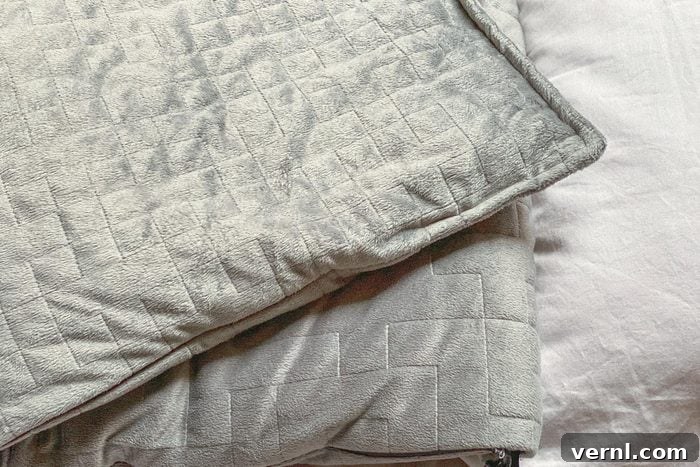
For weighted blankets weighing 15 pounds or less, your home washing machine is typically the most convenient and effective option for a thorough cleaning. Following these expert-backed steps will ensure your blanket gets a gentle yet effective wash, whether you’re using your own machine or a larger commercial one at a laundromat. Adhering to these guidelines will help preserve the blanket’s fabric, filler, and overall therapeutic qualities.
Step 1: Gather Your Essential Supplies
Preparation is key to a successful wash. Having all your necessary items ready beforehand streamlines the process and ensures you don’t miss any crucial steps, preventing mid-wash scrambling. Here’s a detailed list of what you’ll need and why:
- Natural Laundry Detergent: Opt for a gentle, natural, and ideally unscented detergent. Harsh chemicals, synthetic dyes, and artificial fragrances found in conventional detergents can sometimes irritate sensitive skin (especially for those seeking comfort from anxiety), degrade fabric fibers over time, or leave sticky residues that diminish the blanket’s softness and therapeutic qualities. A product like AspenClean’s natural laundry detergent is a great example of a gentle yet effective choice that’s kind to both your blanket and the environment.
- Oxygen Bleach (Optional): If your blanket has become dull, developed light discoloration, or needs an extra boost of freshness, oxygen-based bleach is a safer alternative to harsh chlorine bleach. It works by releasing oxygen when mixed with water, which helps to lift stains and brighten fabrics without damaging delicate materials, colors, or weighted fillers. It’s a gentler option for whitening and stain removal. For instance, OxiClean Versatile Stain Remover Powder is a commonly available and effective option.
- Stain Stick or DIY Solution: For targeted pre-treatment of stubborn stains, a commercial stain stick can be very effective and convenient. Alternatively, you can easily create a simple yet powerful DIY stain solution: mix equal parts liquid dish soap (like Dawn Original Scent Ultra Dishwashing Liquid) and hydrogen peroxide. This homemade concoction works wonders on various common stains, breaking them down effectively without requiring harsh scrubbing.
- Soft Toothbrush or Microfiber Cloth: These tools are essential for gently working stain removers into the fabric without causing abrasion, pilling, or damage. A soft toothbrush can effectively get into tight weaves and textured fabrics, while a clean microfiber cloth is ideal for blotting and light scrubbing on larger, smoother areas, ensuring the stain is lifted without spreading.
Step 2: Pre-Treat Any Visible Stains for Optimal Results
Addressing stains before a full wash significantly increases the likelihood of their complete removal, preventing them from setting permanently during the wash cycle. Whether you’re washing the duvet cover, the weighted insert, or both, this pre-treatment step is vital for maintaining a pristine blanket.
Rick Rome recommends either a commercial stain stick for convenience or his preferred DIY solution of equal parts liquid dish soap and hydrogen peroxide. To apply, dab the chosen stain remover directly onto the affected area. Avoid rubbing harshly, as this can push the stain deeper into the fibers. Using a soft brush (like a dedicated laundry toothbrush) or a clean microfiber cloth, gently work the solution into the stain with small, circular motions, moving from the outside of the stain inwards. The key here is gentle agitation, not aggressive scrubbing, which could damage the blanket’s fabric or filler. Allow the solution to sit on the stain for a few minutes (check product instructions, typically 5-15 minutes) to allow it to effectively break down the soiled particles. If you are specifically hand-washing the item (more on that later), rinse the treated area thoroughly before proceeding. Otherwise, if machine washing, you can simply place the pre-treated blanket or cover directly into the washing machine when done, allowing the main wash cycle to complete the rinsing process.
Step 3: Load the Washer and Add Detergent Correctly
Proper loading and careful detergent selection are crucial for an effective and safe machine wash, especially with a heavy item like a weighted blanket. Given the inherent bulk and weight of these items, it’s almost always best to wash them alone to prevent issues.
“It’s best to wash the weighted blanket on its own, given that it is bulky and heavy,” Rome advises. This practice prevents the washing machine from becoming unbalanced during the spin cycle, which can cause loud banging, excessive vibration, and potential damage to the appliance. Washing it alone also ensures the blanket has ample space to move freely within the drum, allowing for thorough saturation with water and detergent, and thus a more effective cleaning and rinsing. Overloading can lead to incomplete rinsing, leaving behind detergent residue, and ultimately, a less clean blanket. Add the recommended amount of gentle, natural detergent to the dispenser or directly into the drum, depending on your washing machine’s specific design (front-loaders typically use less detergent than top-loaders). As Alicia Sokolowski cautions, “Use a natural detergent and avoid using fabric softeners or bleach.” Fabric softeners can leave a waxy residue that clogs the fibers, reducing breathability and potentially trapping dirt, which is counterproductive to cleanliness. Chlorine bleach, on the other hand, can significantly weaken fabrics and, more critically, may damage delicate weighted fillers. However, she notes, “you can use a natural oxygen bleach” for brightening or stubborn stains if desired, which is a much safer option for most blanket materials.
Step 4: Select the Right Wash Settings for Protection and Cleanliness
Choosing the correct water temperature and wash cycle is paramount to protecting your weighted blanket’s integrity, preventing damage, and ensuring its longevity. Incorrect settings can lead to shrinking, fading, or damage to the internal components.
First, set your washing machine to a cold or warm water temperature. “Avoid using hot water, as it can damage the fabric or the weighted filler material,” Sokolowski warns emphatically. Hot water can cause certain synthetic or natural fabrics to shrink or stretch, fade colors prematurely, and, most critically, may compromise the integrity of specific weighted fillers like plastic pellets, leading to warping, melting, or breakage. Even glass beads can be affected by extreme thermal shock. Next, select a gentle or delicate cycle. This setting minimizes the mechanical agitation of the washing machine, mimicking a softer, hand-wash action and significantly reducing the stress on the blanket’s seams, stitching, and internal filler distribution. “The gentle cycle minimizes agitation and reduces the risk of damaging the blanket’s fabric or weighted filler material,” Sokolowski explains. A vigorous or heavy-duty spin cycle can also be excessively harsh on the blanket’s construction and put undue stress on your machine, so a lower spin speed setting is highly preferable if your machine allows for custom adjustments. Once these specific settings are configured, you can confidently start the wash cycle, knowing you’re treating your blanket with the care it deserves.
How To Wash a Weighted Blanket By Hand: A Gentle, Controlled Approach
For heavier weighted blankets (typically over 15 pounds) or those with delicate fillers that might not withstand the agitation of a washing machine, handwashing in a bathtub or a very large utility sink is an excellent and safe alternative. This method offers unparalleled control and is particularly recommended for blankets containing fragile internal materials like fine glass beads or specific plastic pellets that could be compromised, damaged, or leak out in an aggressive machine wash. As Sokolowski points out, “These can make the blanket heavy, but may not hold up well in a washing machine,” making handwashing the safest bet for their preservation.
Step 1: Prepare Your Washing Space and Water
Begin by ensuring your bathtub or large utility sink is thoroughly clean. Any residues from previous baths, cleaning products, or grime could easily transfer to your weighted blanket. Rinse the tub well and wipe it down with a clean cloth if necessary. Once your washing space is spotless, fill the tub with enough cold, cool, or warm water to fully submerge your weighted blanket. As with machine washing, avoid hot water for the reasons mentioned above (potential damage to fabric and fillers). Add a small amount of gentle, natural laundry detergent to the water. Swish the water around vigorously with your hand to help dissolve the detergent completely and distribute it evenly throughout the water, creating a mild, soapy bath that’s ready for your blanket.
Step 2: Submerge and Gently Clean the Blanket
Before placing the blanket in the tub, if there are any visible stains, pre-treat them using the method described in Step 2 of the machine washing guide. This ensures stubborn spots are addressed directly. Once stains are dealt with, carefully place your weighted blanket into the soapy water. The blanket will absorb a significant amount of water, becoming considerably heavier. Gently squish and squeeze the blanket with your hands, pressing down to ensure it becomes completely wet and thoroughly saturated with the soapy solution. This action helps to loosen embedded dirt, body oils, and grime from the fabric and filler. The key here is gentle agitation – avoid harsh twisting, wringing, or aggressive scrubbing, which could stress the blanket’s seams, shift the filler unevenly, or even damage its internal structure. Allow the weighted blanket to soak in the soapy water for a period ranging from 15 minutes to an hour, depending on how soiled it appears. This soaking time allows the detergent to effectively penetrate the fibers and lift away grime.
Step 3: Rinse Thoroughly for a Residue-Free Clean
This is arguably the most important and often the most time-consuming step in handwashing a weighted blanket. Once the soaking and gentle agitation are complete, pull the plug on the tub and allow all the soapy water to completely drain away. Once drained, begin the rinsing process. If you have a detachable shower sprayer, use it to rinse the blanket while simultaneously squeezing and pressing it firmly to force out as much soapy water as possible. If you don’t have a sprayer, stopper the tub again and refill it with clean, cold water. Submerge the blanket once more, squeezing and pressing it repeatedly to release any remaining detergent. Drain the tub, and repeat this refilling and squeezing process as many times as necessary – often three to four times, or even more for very large blankets – until the water running off the blanket is completely clear and free of any visible suds or cloudiness. Residual detergent can not only irritate sensitive skin but also attract new dirt and dust more quickly, and can even cause the blanket to feel stiff or sticky. Thorough rinsing is essential for a truly clean, fresh, and comfortable weighted blanket.
Can You Dry a Weighted Blanket at Home? Air Drying vs. Machine Drying
Once your weighted blanket is meticulously cleaned, the drying process requires even more careful attention, primarily due to its significant increase in weight when wet. Incorrect drying methods can lead to unpleasant mildew, damage to the blanket’s fabric or filler, or even excessive strain on your home appliances. Generally, home drying is possible, but the optimal approach depends heavily on your blanket’s specific care instructions, its weight, and your available resources and space.
Air Drying: The Safest and Most Recommended Method
Air drying is almost universally considered the safest and most recommended method for weighted blankets, especially for heavier models. The primary reason is the immense weight of the blanket when saturated with water; attempting to hang a very wet weighted blanket can put unbearable strain on its seams, potentially causing tearing, stretching, or permanent damage to the internal structure and filler distribution. Rick Rome strongly advises, “When drying, you can lay your blanket flat to air dry.”
- Lay Flat: Spread your weighted blanket entirely flat on a clean, dry surface. This could be a large, sturdy drying rack, a clean floor covered with several absorbent towels, or even an outdoor patio or deck on a warm, sunny, and breezy day. Laying it flat ensures that the weight is distributed evenly, preventing any localized stress, stretching, or distortion of the blanket’s shape.
- Be Patient: Be prepared for air drying to take a significant amount of time – often a couple of days, and sometimes longer – particularly for heavier blankets, in humid environments, or during cooler seasons. The dense nature of weighted blankets means that moisture is trapped within the numerous filler compartments, making evaporation a considerably slower process than with regular blankets.
- Promote Airflow: To speed up the drying process and crucially prevent the growth of mildew or musty odors, make an effort to fluff and turn the blanket every few hours. This exposes different sections to air and helps moisture escape more efficiently. If drying indoors, ensure good ventilation in the room, perhaps by opening windows, using a dehumidifier, or placing a fan nearby to circulate air over and under the blanket.
- Outdoor Drying: If weather permits, laying your blanket flat outside in direct sunlight and fresh air can significantly accelerate drying and provide natural sanitization from UV rays. Just ensure it’s placed on a perfectly clean surface, protected from dirt, and brought indoors before evening dew, unexpected rain, or excessive pollen exposure.
Machine Drying: Use Caution and Specific Settings
While air drying is generally preferred, machine drying can be a viable option for some smaller, lighter weighted blankets (under 10-12 pounds) or if you’re severely limited on space or time. However, extreme caution and strict adherence to specific settings are absolutely necessary to avoid damage.
- Low Heat Setting is Non-Negotiable: If you choose to machine dry, “you can use the dryer as long as you select the low-heat setting,” Rome clarifies. High heat can catastrophically damage the blanket: it can melt plastic pellets, compromise the integrity of glass beads, shrink certain fabrics, or make them rough and uncomfortable. Prolonged exposure to high heat can also weaken synthetic fibers over time.
- Check Periodically and Redistribute: Weighted blankets, especially heavier ones, have a tendency to bunch up and form a heavy, wet ball in the dryer. This not only leads to extremely uneven drying (some parts remain wet while others over-dry) but can also strain the dryer’s motor. Stop the dryer every 20-30 minutes to manually redistribute the blanket, fluff it, and check its dryness. This also helps prevent excessive stress on the dryer motor and drum bearings.
- Add Dryer Balls or Clean Tennis Balls: To help fluff the blanket, promote better airflow, and significantly speed up drying time, toss a few clean wool dryer balls or even clean tennis balls into the dryer along with the blanket. The constant tumbling and bouncing of these items help to separate the fabric layers and weighted filler, allowing warm air to circulate more effectively throughout the blanket, reducing drying time and minimizing bunching.
- Monitor Your Dryer for Strain: Be mindful of your dryer’s capacity and listen for any signs of strain. A very heavy wet blanket can put considerable stress on the dryer’s motor and drum bearings, potentially leading to overheating or mechanical failure. If your dryer struggles, makes unusual noises, or seems to be working excessively hard, it’s best to immediately remove the blanket and opt for air drying instead to protect your appliance.
Regardless of your chosen method, ensuring your weighted blanket is *completely* dry before storing or reusing it is absolutely vital. Any lingering moisture, even seemingly minor dampness, can quickly lead to unpleasant musty odors, the growth of mold or mildew within the dense layers, and eventual damage to the blanket, effectively undoing all your careful cleaning efforts. Patience in drying is a virtue that will preserve your blanket’s freshness and longevity.
General Care and Maintenance Tips for Your Weighted Blanket
Beyond the occasional deep wash, a few simple, routine practices can significantly extend the life, effectiveness, and hygiene of your beloved weighted blanket:
- Regular Spot Cleaning: For small spills, food crumbs, or minor marks, quickly treating them with a damp cloth and a small amount of mild, natural soap can prevent them from setting into permanent stains. Address spills immediately, gently blotting rather than rubbing, to contain the mess and reduce the need for a full wash.
- Always Use a Duvet Cover: As repeatedly emphasized, this is by far the easiest and most effective way to protect your weighted blanket. It acts as a barrier against daily wear, body oils, and minor accidents. Washing the removable cover frequently (weekly or bi-weekly) and the inner weighted blanket less often (every few months or as needed) will significantly prolong the life of the weighted insert and simplify your laundry routine.
- Avoid Harsh Chemicals: Stick exclusively to gentle, natural detergents. Avoid harsh chemical-laden bleaches, strong solvent-based stain removers, or fabric softeners. These can not only degrade the fabric fibers and fade colors but also potentially damage the internal weighted fillers, reducing the blanket’s therapeutic effectiveness and overall lifespan.
- Store Properly: When not in active use, store your weighted blanket in a clean, dry place, ideally folded neatly or laid flat. Avoid compressing it tightly into a small space for extended periods, as this could lead to uneven distribution or shifting of the weighted filler, making it less effective. Ensure it is completely dry before storing to prevent mildew.
- Handle with Care: Due to their inherent weight, always lift and move your weighted blanket carefully, supporting its weight evenly. Avoid pulling or dragging it by a single corner or edge, which can place undue stress on seams and stitching, potentially causing tears or damage to the internal structure over time.
- Rotate and Fluff Regularly: Periodically rotating and gently fluffing your blanket can help redistribute the weighted filler, ensuring an even pressure distribution and preventing the beads or pellets from settling too much in one area.
Embrace the Comfort: Washing Your Weighted Blanket is Easier Than You Think
The initial thought of washing a weighted blanket might understandably seem overwhelming, conjuring images of heavy, unwieldy laundry tasks. However, as our experts Rick Rome and Alicia Sokolowski have so clearly demonstrated, it’s a perfectly manageable and straightforward task when approached with the right knowledge and tools. By understanding your blanket’s specific care instructions—found on its essential care label—and choosing the appropriate method, whether it’s a gentle machine wash for lighter blankets or a careful handwash for heavier, more delicate ones, you can confidently maintain your therapeutic blanket’s freshness, cleanliness, and comforting properties.
Don’t let any lingering washing worries deter you from enjoying the profound and widely recognized benefits a weighted blanket can offer for relaxation, anxiety reduction, and improved sleep quality. With proper care and adherence to these simple guidelines, your weighted blanket will continue to be a consistent source of calm, warmth, and unparalleled comfort for many years to come. So, go ahead, wrap yourself in that peaceful embrace, knowing that keeping your weighted companion pristine is far easier and less complicated than you ever imagined!