
Embrace Modern Cleanliness: The Unrivaled Power of Microfiber Cloths for Your Home
In an age where smart technology simplifies every aspect of our lives, from communication to home automation, it’s astonishing that many of us still rely on outdated, inefficient, and often unhygienic cleaning methods. We’ve embraced innovation in almost every corner of our homes, yet the traditional arsenal of flimsy paper towels, germ-laden sponges, and a cabinet full of chemical sprays persists. It’s time to ask ourselves: why are we still cleaning with dirty sponges when a superior solution is readily available?
Imagine a single cleaning tool that could revolutionize your entire cleaning routine. One that not only delivers unparalleled cleanliness but also saves you money, reduces waste, and contributes to a healthier environment. This isn’t a futuristic gadget; it’s a simple, yet incredibly advanced, item you might already have lying around: the microfiber cloth. Perhaps you use one to buff your car to a showroom shine or delicately clean your eyeglasses, but the true potential of these remarkable cloths extends far beyond these niche applications.
Allow us to introduce you to the ultimate cleaning companion: high-quality microfiber cleaning cloths. These durable and incredibly versatile cloths are engineered to outperform traditional cleaning tools across a vast array of surfaces, making them the ideal, eco-conscious replacement for your grimy old sponge, mountains of paper towels, and an endless parade of chemical cleaners. But what exactly makes them so special, and what can you truly clean with them? Let’s delve into the microfiber revolution and discover the countless ways these cloths can transform your home cleaning regimen.
The Microfiber Marvel: Understanding Its Superiority
What makes microfiber cloths so incredibly effective? It all comes down to their unique construction. Unlike traditional cotton fibers, which are relatively thick and smooth, microfiber cloths are made from synthetic fibers (typically a blend of polyester and polyamide) that are split into microscopic strands, often 1/100th the diameter of a human hair. These incredibly fine, wedge-shaped fibers create an enormous surface area with millions of tiny “hooks” that effectively pick up and hold dust, dirt, grime, and even microscopic bacteria.
This intricate structure works on multiple levels:
- Mechanical Action: The split fibers physically scrape and lift dirt and grime from surfaces, trapping it within the cloth’s structure rather than just pushing it around.
- Capillary Action: When slightly damp, microfiber cloths draw in liquids and particles through capillary action, acting like tiny sponges that absorb up to eight times their weight in water.
- Electrostatic Charge: When used dry, the fibers generate a static charge that acts like a magnet, attracting and holding dust and pet hair with remarkable efficiency.
The most remarkable advantage? Their ability to clean without harsh chemicals. Microfiber cloths, when used with just water, have been scientifically proven to remove up to 99% of bacteria from surfaces. This makes them an indispensable tool for maintaining a hygienic home, especially important for families with children, pets, or individuals sensitive to chemical irritants. Say goodbye to the lingering scent of bleach and hello to a truly clean and fresh environment.
Unlock Versatility: 7+ Best Uses for Microfiber Cloths
The sheer adaptability of microfiber cloths is what truly sets them apart. From the grimiest corners of your kitchen to the most delicate electronic screens, these cloths deliver consistent, sparkling results. Here are some of the best ways to integrate them into your cleaning routine:
1. Pristine Kitchen Countertops and Surfaces
Kitchen spills, food residues, and daily grime meet their match with microfiber cloths. They work just as effectively, if not more so, than paper towels for wiping away any countertop messes, but with the added benefit of being entirely reusable. Simply dampen the cloth, wipe the surface clean, and watch as crumbs, sticky residues, and liquid spills vanish. Since you only need water, you eliminate the risk of chemical contamination on food prep surfaces. After cleaning, a quick rinse under the faucet and a hang to dry is all it takes to have your cloth ready for its next task. This practice is not only beneficial for the planet but also a significant win for your wallet, reducing your reliance on disposable products.
2. Sparkling Reflective Surfaces: Windows, Mirrors, and Metal
One of the most celebrated features of microfiber cloths is their ability to leave a streak-free finish. This makes them absolutely genius for use on any reflective surface where smudges and streaks are typically a nuisance. Next time you’re tackling windows, mirrors, glass tables, or stainless steel appliances, ditch the spray bottles and paper towels. A lightly dampened microfiber cloth for cleaning, followed by a dry one for polishing, will effortlessly remove fingerprints, water spots, and even tough grease from your stovetop, leaving behind an impeccable, gleaming surface. You’ll be amazed at the clarity and shine achieved with minimal effort.
(Psst…if the thought of stubborn kitchen grease makes you cringe, you might want to read this for expert tips.)
3. Dust-Free Baseboards, Blinds, and Hard-to-Reach Areas
“Wait… you have to clean those?” If you desire a truly squeaky-clean house, the answer is a resounding yes! The idea of getting on your hands and knees to dust the baseboards in every room might sound like a nightmare, but with microfiber cloths, it becomes surprisingly quick and easy. The microscopic split fibers in the cloths are specifically designed to grab and hold dust and dirt particles with only one swipe, thanks to their electrostatic properties. Use them dry to dust baseboards, window blinds, ceiling fan blades, and even intricate decorative items. They collect dust rather than just scattering it into the air, leading to a much more effective and longer-lasting clean.
4. Comprehensive Bathroom Sanitation
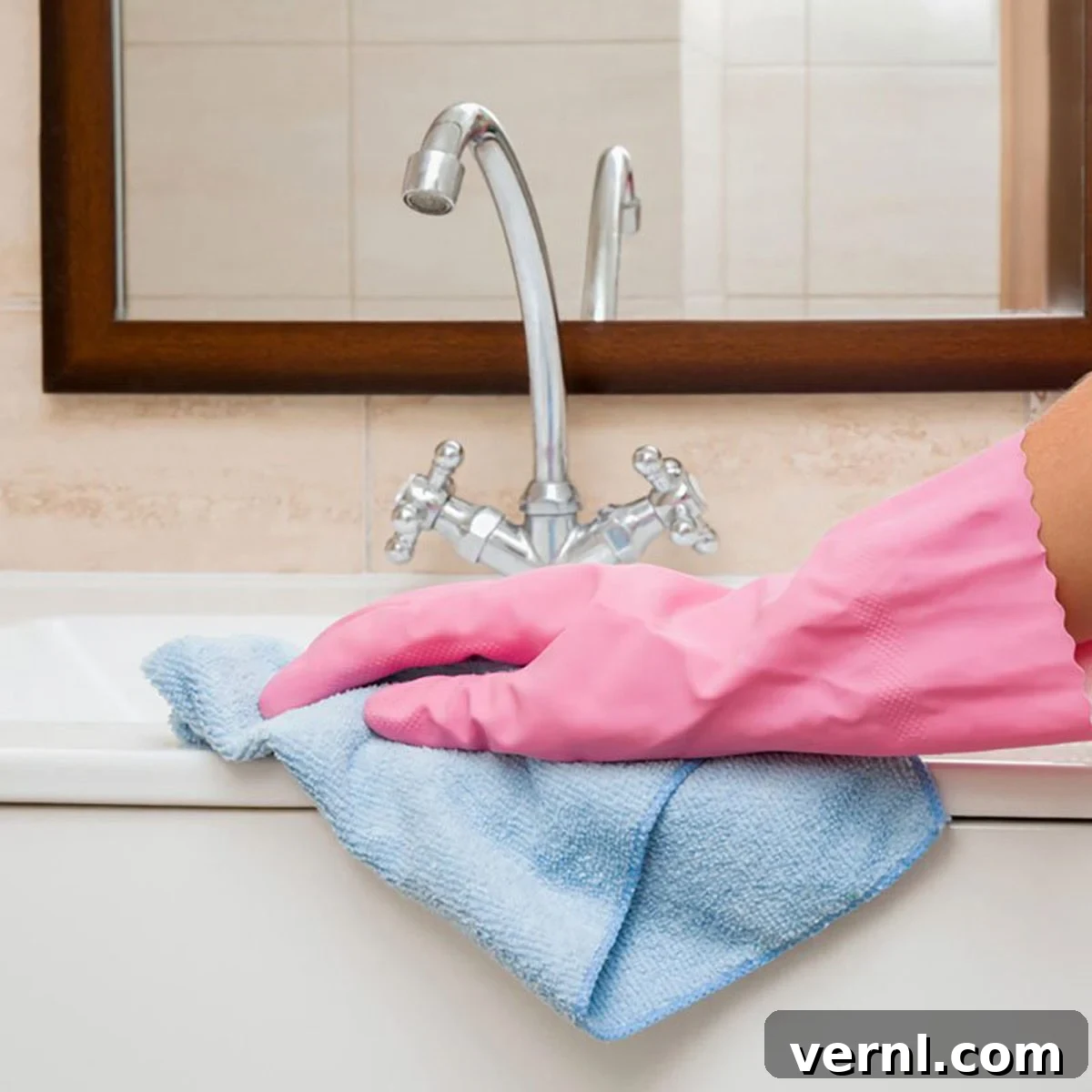
Bathroom surfaces—faucets, showerheads, sinks, counters, and tiles—can accumulate grime, soap scum, and bacteria rapidly. Having a powerful, versatile tool on hand to wipe them down quickly and effectively is crucial. We highly recommend keeping a separate, color-coded set of microfiber cloths specifically for heavy-duty bathroom cleaning to maintain hygiene. Because you typically only need water to clean with microfiber, you can even keep a small cloth in the shower to give fixtures a quick wipe-down while your conditioner works its magic, preventing unsightly water spots and soap scum buildup.
After use, be sure to wring out the cloth thoroughly. Microfiber can hold up to eight times its weight in water, and if left completely soaked, it will take longer to dry and can become a breeding ground for mildew and unpleasant odors. Proper drying ensures longevity and freshness.
5. Gentle Care for Electronics
Laptops, cell phones, tablets, and TV screens are constantly handled, quickly accumulating fingerprints, smudges, and dust. Traditional paper towels or rough cloths can scratch delicate screens or leave behind lint. Microfiber cloths are specifically designed to be gentle enough for fragile screens and sensitive electronic surfaces. Their lint-free nature ensures a crystal-clear finish without any residue. Use a dry cloth for dusting or a very lightly dampened one (never spray liquid directly onto electronics) for removing smudges and grime, giving your devices a sparkling, damage-free wipe-down.
6. Vehicle Interior and Exterior Detailing
For car enthusiasts and everyday drivers alike, microfiber cloths are indispensable for vehicle care. Inside, they excel at dusting dashboards, cleaning consoles, and wiping down windows without leaving lint or streaks. For the exterior, their high absorbency makes them perfect for drying after a wash, preventing water spots, and their soft texture ensures a scratch-free finish. They are also ideal for applying and buffing waxes, polishes, and sealants, making your car shine like new with minimal effort.
7. Furniture Polishing and General Dusting
Whether your furniture is made of wood, glass, leather, or upholstered fabric, microfiber cloths offer a superior cleaning solution. Used dry, they effectively trap dust and allergens, leaving surfaces clean and polished. For deeper cleaning, a lightly damp cloth can refresh and remove smudges from various furniture types, often without the need for additional chemical sprays that can leave residues or damage certain finishes. Their gentle yet effective cleaning action preserves your furniture’s beauty for years to come.
8. Pretty Much Everything Else!
It’s genuinely challenging to find a surface or task that microfiber cloths can’t handle! From cleaning shoes to managing pet messes, scrubbing floor tiles (when used with a compatible mop head), or even wiping down outdoor furniture, their versatility is boundless. While it might seem counterintuitive to use them on very dirty surfaces like a toilet or greasy stovetop, the key lies in their reusability. Simply throw the used cloths into the washing machine after tackling these extra-grimy places. Proper washing will effectively remove bacteria and dirt, ensuring they are sanitized and ready to be used again and again. Imagine the immense savings you’ll achieve by no longer needing to purchase endless supplies of counter sprays, disposable sponges, and paper towels. Beyond the financial benefits, consider the positive impact on our planet by significantly reducing landfill waste and minimizing the release of harsh chemicals into our ecosystems.
Maximizing Your Investment: Care and Maintenance of Microfiber Cloths
To ensure your microfiber cloths maintain their peak performance and last for hundreds of washes, proper care is essential. Following these simple guidelines will extend their lifespan and effectiveness:
- Wash Separately: Always wash microfiber cloths separately from lint-producing items like cotton towels. Lint can get trapped in the microfiber’s delicate fibers, reducing their effectiveness.
- Cold or Warm Water: Use cold or warm water for washing. Hot water can damage the synthetic fibers over time.
- Avoid Fabric Softeners: Never use fabric softener! Fabric softeners clog the microscopic fibers, rendering the cloths much less absorbent and effective.
- Use Less Detergent: Microfiber releases dirt easily, so you often need less detergent than usual. Choose a mild detergent.
- Air Dry or Low Heat: Air drying is ideal. If using a dryer, tumble dry on low heat only. High heat can melt or damage the fibers, causing them to lose their cleaning power.
- When to Replace: While highly durable, eventually even microfiber cloths will show signs of wear, such as decreased absorbency or noticeable thinning of fibers. This is usually after hundreds of uses and washes, far outlasting any traditional sponge or paper towel roll.
Embrace a Sustainable Future with Microfiber
The choice to switch to microfiber cloths is more than just a cleaning upgrade; it’s a step towards a more sustainable and economically sensible lifestyle. By making this simple change, you actively contribute to reducing landfill waste generated by disposable cleaning products. You also minimize your household’s exposure to harsh chemicals, fostering a healthier indoor environment for everyone. The long-term savings from no longer purchasing endless rolls of paper towels, countless sponges, and a multitude of chemical sprays will be significant, proving that going green can also mean saving green.
Looking for more insights into sustainable cleaning? Find out why you should use microfiber towels for a range of cleaning tasks, expanding your green cleaning arsenal even further.
Note: Every product is independently selected by our editors. If you buy something through our links, we may earn an affiliate commission.