
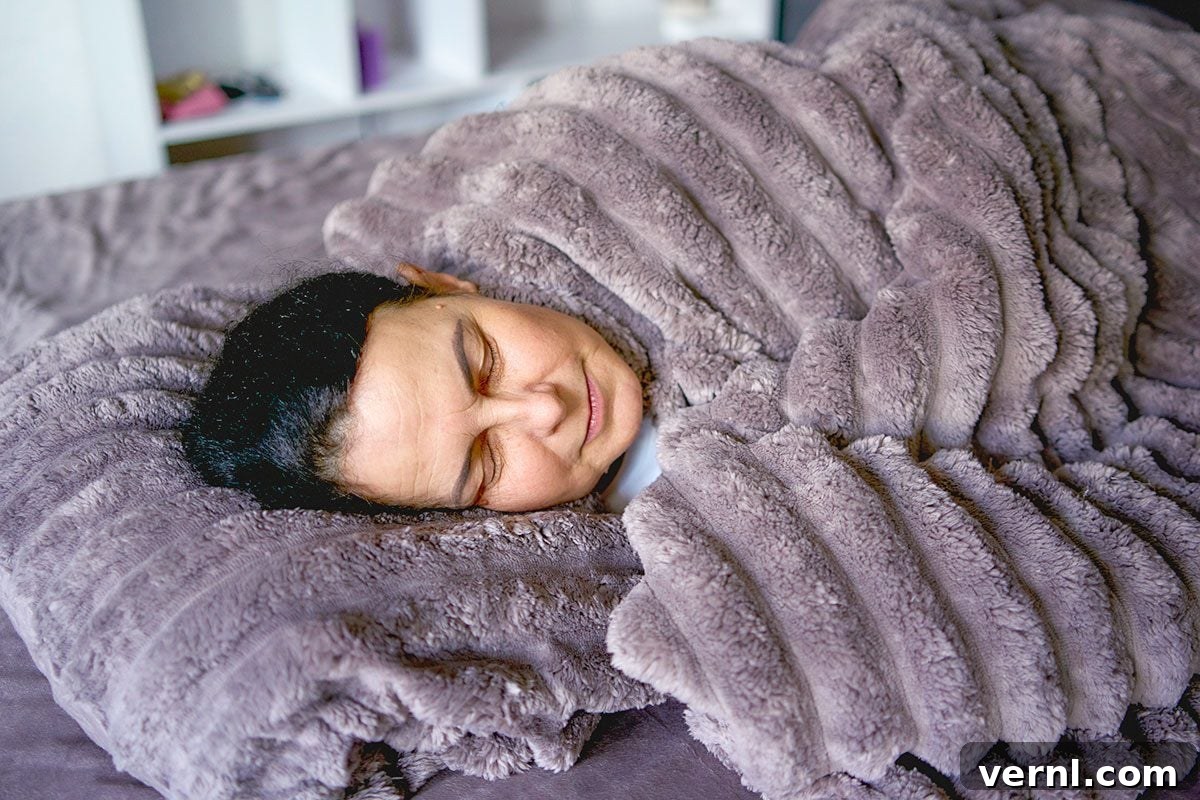
Do Weighted Blankets Really Help You Sleep? Uncovering the Science
Struggling to get a good night’s sleep? You’re not alone. Many people are constantly searching for effective sleep aids, from white noise machines to various relaxation techniques. But have you considered your bedding? Specifically, weighted blankets have gained immense popularity, with many individuals claiming they are the secret to a restful night. I, myself, am a believer in their calming effects. But beyond personal experiences, is there solid scientific evidence to support these claims?
Weighted Blankets and Anxiety: What Does the Research Say?
The research on weighted blankets and their impact on sleep is still evolving. While many studies acknowledge the need for more extensive research with larger participant groups to draw definitive conclusions, existing studies offer valuable insights. A significant study published in the American Journal of Occupational Therapy (AJOT) in 2020 investigated the effects of weighted blankets on individuals experiencing anxiety and insomnia.
This comprehensive literature review analyzed eight different studies, concluding that “weighted blankets may be an appropriate therapeutic tool in reducing anxiety.” However, the review also emphasized that “there is not enough evidence to suggest they are helpful with insomnia” based on the available data at that time. This highlights the importance of differentiating between the potential benefits of weighted blankets for anxiety versus sleep disorders.
Weighted Blankets and Insomnia: A Deeper Dive
Building on the existing research, a more recent study published in BCM Psychiatry in 2024 specifically examined the impact of weighted blankets on insomnia. This study delved into whether these blankets could provide a tangible benefit for individuals struggling with persistent sleep difficulties.
The researchers’ findings revealed that weighted blankets had a positive influence on sleep quality and “a range of sleep-related negative emotions and daytime symptoms.” This suggests that weighted blankets may not only improve sleep itself but also alleviate the associated psychological and emotional challenges that often accompany insomnia. Participants reported feeling less anxious and more rested throughout the day.
The researchers acknowledged the need for further investigation, including longer-term and larger-scale studies. However, their own study provided promising evidence, suggesting that weighted blankets are “an easy-to-use non-pharmacotherapy option for adults with insomnia.” This is particularly significant for individuals seeking alternatives to medication for managing their sleep difficulties.
Interpreting the Findings: What This Means for You
It’s crucial to remember that individual responses to sleep interventions vary. What proves effective for one person may not necessarily work for another. This is true for everything from sleep hygiene practices to medical treatments. The beauty of weighted blankets is that the existing research hasn’t demonstrated any adverse effects on sleep quality. Therefore, if you struggle with anxiety or insomnia and find physical pressure comforting, experimenting with a weighted blanket is likely worth considering.
The sensation of being gently hugged or swaddled can be incredibly soothing, promoting relaxation and reducing feelings of restlessness. This, in turn, can contribute to a more peaceful and restorative sleep experience. For many, the gentle pressure of a weighted blanket provides a sense of security and calm, allowing them to drift off to sleep more easily and stay asleep longer.
Choosing the Right Weighted Blanket: A Guide
Selecting the right weighted blanket is essential for maximizing its potential benefits. A common recommendation is to start with a blanket that weighs approximately 10% of your body weight. This provides a comfortable level of pressure without feeling overwhelming or restrictive. From there, you can adjust the weight up or down to find your optimal comfort zone.
It’s important to consider your personal preferences and any underlying health conditions when choosing a weighted blanket. If you have respiratory issues or circulatory problems, it’s advisable to consult with your doctor before using a weighted blanket. Similarly, if you have any concerns about feeling claustrophobic or restricted, you may want to start with a lighter weight and gradually increase it as you become more comfortable.
Beyond weight, consider the material and construction of the blanket. Opt for a breathable fabric, such as cotton or bamboo, to prevent overheating during the night. Look for blankets with evenly distributed weight to avoid any uncomfortable pressure points. The filling material can also affect the overall feel of the blanket. Glass beads are a popular choice as they are generally quieter and more evenly distributed than plastic pellets.
Beyond Weighted Blankets: Creating a Sleep-Conducive Environment
While a weighted blanket can be a valuable tool in improving sleep quality, it’s just one piece of the puzzle. Creating a sleep-conducive environment is equally important for promoting restful sleep. This involves optimizing various factors in your bedroom and daily routine to support your body’s natural sleep-wake cycle.
Maintain a consistent sleep schedule by going to bed and waking up around the same time each day, even on weekends. This helps regulate your body’s internal clock and makes it easier to fall asleep and wake up feeling refreshed. Create a relaxing bedtime routine to wind down before sleep. This could include taking a warm bath, reading a book, or practicing gentle stretching or meditation.
Ensure that your bedroom is dark, quiet, and cool. Use blackout curtains or an eye mask to block out light, earplugs or a white noise machine to minimize noise, and adjust the thermostat to a comfortable temperature. Avoid screen time for at least an hour before bed, as the blue light emitted from electronic devices can interfere with sleep.
Pay attention to your diet and exercise habits. Avoid caffeine and alcohol close to bedtime, as these substances can disrupt sleep. Regular exercise can improve sleep quality, but avoid intense workouts in the evening. Aim for at least 30 minutes of moderate-intensity exercise most days of the week.
The Final Verdict: Is a Weighted Blanket Right for You?
Ultimately, the decision of whether or not to try a weighted blanket is a personal one. The existing research suggests that they can be beneficial for reducing anxiety and improving sleep quality, particularly for individuals with insomnia. However, it’s important to consider your individual needs and preferences, as well as any underlying health conditions.
If you’re curious about weighted blankets, consider giving one a try. Start with a blanket that weighs approximately 10% of your body weight and adjust as needed. If you don’t find it helpful, you can always donate it to someone who might benefit from it. The potential benefits of improved sleep and reduced anxiety are certainly worth exploring.
Remember that weighted blankets are just one tool in a comprehensive approach to sleep health. Creating a sleep-conducive environment, maintaining a consistent sleep schedule, and practicing healthy lifestyle habits are all essential for achieving restful and restorative sleep. By combining these strategies, you can significantly improve your sleep quality and overall well-being.
Sources
Weighted Blanket Use: A Systematic Review, American Journal of Occupational Therapy, 2020.
Effect of weighted blankets on sleep quality among adults with insomnia: a pilot randomized controlled trial, BCM Psychiatry, 2024.
RELATED:
- 7 Signs You’re Over-Decorating
- 18 Cheap Decor Ideas That Look Expensive
- 14 Traditional-Style Home Decor Ideas That are Still Cool