
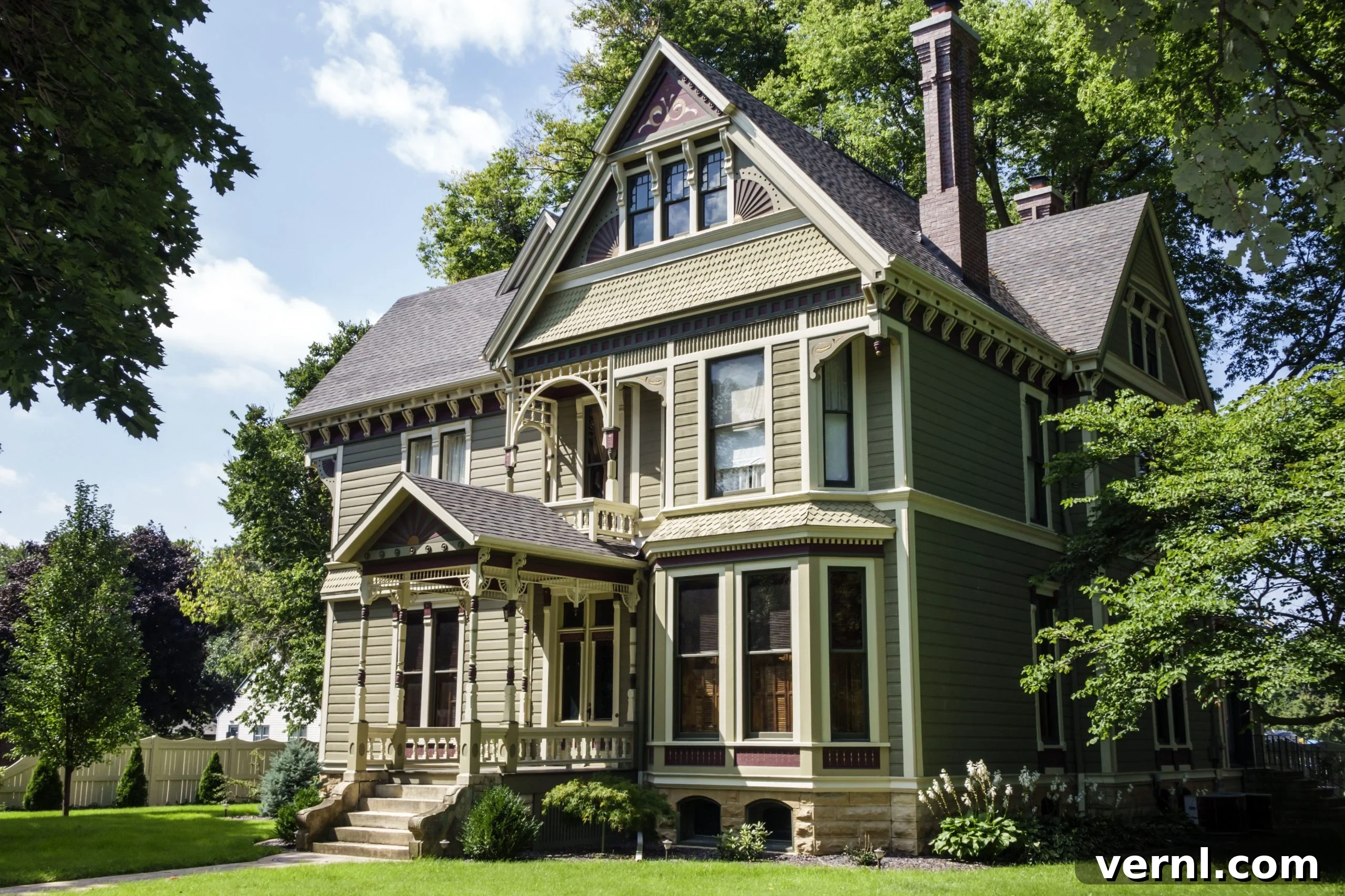
Unlocking the Charm: A Comprehensive Guide to Historic Home Renovation Costs
Embarking on the journey of renovating a historic home is often a dream for many, promising a blend of timeless charm and modern comfort. However, it’s a project frequently associated with a common quip: “How much money does it take to renovate a historic home compared to building a new one?” The humorous, yet often startling, answer from industry experts like Neil Stevenson, a Charleston, South Carolina-based architect and consultant for the acclaimed celebrity home renovation series Rucker’s Reno, is often, “Every penny you have is what it’s going to cost.”
While this might sound daunting, the reality is more nuanced. With smart planning, meticulous research, and a realistic budget, renovating an old house doesn’t have to lead to bankruptcy. Yet, it’s universally acknowledged that such a project will undoubtedly incur higher costs than simply sprucing up a contemporary residence. Stevenson often notes that historic renovations can parallel the investment required for constructing a new, high-end custom home, frequently averaging around $475 per square foot, though this is merely a starting point.
The final price tag is a “moving target,” heavily dependent on the extent of your ambition and your commitment to historical accuracy. As Stevenson explains, “How much of the historical fabric do you want to preserve? Do you want to just make it useful for now, or scrape off 20 layers of paint to find the original color and custom mix mortar that matches exactly?” These choices significantly impact both the project’s timeline and budget.
Regardless of the project’s scope, one fundamental truth persists: it will almost certainly cost more than your initial estimates. From uncovering hidden structural damage and antiquated electrical systems to dealing with unexpected pest infestations or years of neglected wear and tear, historic homes are notorious for their surprises. Our panel of experts unanimously advises integrating a substantial contingency fund – often 15-20% or even higher – into your project budget to mitigate the impact of these unforeseen expenses. A well-padded contingency is not merely a suggestion; it’s a critical component of a financially sound historic renovation plan. Below, we delve into key cost considerations when undertaking the restoration of older and historic properties.
Navigating Specialty Permits and Historic Zoning Regulations
One of the first and most significant cost factors unique to historic properties involves navigating the intricate web of specialty permits and historic zoning regulations. If your prospective home is situated within a designated historic district, prepare for additional permitting fees and a complex approval process. This often necessitates engaging a qualified architect or architectural historian, not just for design, but crucially, to help decipher local regulations and craft a restoration plan that adheres to strict preservation guidelines. These professionals are invaluable in ensuring your project respects the building’s historical integrity while meeting modern standards.
Kristopher King, an architectural historian with Carriage Properties in Charleston, S.C., and another consultant on Rucker’s Reno, offers a salient example regarding materials. “If you have a slate roof, the city is going to require that you put a slate roof back,” King explains. The cost differential here can be staggering: “I can put an asphalt shingle roof on a house for $15,000, but that slate roof is probably going to cost me $150,000, so it’s a massive difference.” While the initial outlay for authentic materials is higher, King points out the long-term value: “An asphalt shingle roof will last you 15 years and a slate one 150, so typically when you resell, this market appreciates that kind of work.” This illustrates the principle of investing in historically appropriate materials, which often offer superior durability and enhance resale value in specific markets, despite their higher upfront cost.
Modern Building Codes, Infrastructure, and Systems Upgrades
A significant portion of a historic home renovation budget is typically allocated to bringing the property’s core infrastructure and systems up to contemporary safety and comfort standards. Bryan Slowick, president of BDS Design Build Remodel in Libertyville, Ill., notes that any home constructed prior to the 1960s is highly likely to possess outdated wiring, plumbing, structural framing, and windows that fall short of today’s stringent building codes. This isn’t just about modern amenities; it’s fundamentally about safety, energy efficiency, and livability.
Once you commence work on these older systems, local building codes often mandate that you bring the entire system into compliance with current regulations. This can trigger a cascade of required upgrades. Furthermore, many truly ancient homes were originally constructed without modern conveniences such as dedicated kitchens, multiple bathrooms, robust HVAC systems, or ample closet space. Integrating or extensively updating these essential components necessitates opening up and subsequently repairing existing plaster walls and ceilings to gain access for new pipes, wiring conduits, and ductwork. The labor and material costs associated with carefully opening, installing, and meticulously restoring plaster are considerably higher than working with modern drywall, making this a substantial line item in the budget. As Neil Stevenson facetiously remarks, “I know it sounds like a lot of fun, and it is,” highlighting the often-arduous and unexpectedly complex nature of these fundamental upgrades.
Overcoming HVAC Challenges in Historic Homes
According to our team of experts, implementing a modern heating, ventilation, and air conditioning (HVAC) system frequently presents one of the most significant challenges and substantial costs in an old house renovation. Historic homes, particularly those designed before central air was commonplace, often relied on systems like radiators, fireplaces, or simply passive ventilation. Transforming this into a modern, ducted system that meets today’s comfort expectations can be exceptionally problematic due to the inherent structural limitations of older buildings.
As Slowick explains, “Some old homes don’t necessarily have a wide enough wall cavity to run traditional HVAC.” This lack of space often means that standard ductwork, designed for modern construction, simply won’t fit without compromising the home’s historic fabric or requiring extensive, costly structural modifications. In such scenarios, owners might be compelled to opt for a high-velocity air-conditioning system. While these systems utilize smaller, more flexible ducts, allowing for installation in tighter spaces, they come at a premium, potentially costing twice as much as a conventional HVAC unit. The specialized components and installation expertise contribute to this higher price point.
The complexities of HVAC installation were vividly demonstrated on Rucker’s Reno. Stevenson recounts, “It was truly a nightmare. It was almost impossible what we had to do.” He elaborates on a specific structural hurdle: “The floor joists were only 11 inches deep and 3-1/2-inches wide, and there are just massive chunks of lumber, so we really had to put our thinking caps on to figure out how to run ductwork.” In a large, intricate historic property, these unforeseen challenges can dramatically inflate costs, with Stevenson noting that a comprehensive HVAC system for such a house “could run upwards of a half million dollars.” This underscores the need for thorough pre-purchase inspections by HVAC specialists experienced with historic properties.
The Investment in Specialty Materials and Architectural Details
A core tenet of historic home renovation is the preservation or faithful replication of original materials and architectural details. This commitment often translates into significantly higher material costs. Procuring period-appropriate materials, or commissioning new ones that precisely match existing historical elements, can be a costly and time-consuming endeavor. Old moldings, door casings, window sills, and other trim often feature unique profiles and dimensions that are vastly different from standard modern lumberyard offerings. Consequently, these elements frequently need to be custom milled by skilled craftspeople.
Slowick provides a tangible comparison: “Traditional FJP (finger-jointed pine) trim might cost $2 a linear foot versus $1.50 for a newer house.” While this difference might seem negligible for a single doorway, he emphasizes, “But if you’re talking about a whole house, you’re talking thousands of dollars.” The cumulative effect of these seemingly small price disparities can quickly add up to a substantial sum.
Beyond basic trim, other specialized materials can present considerable expenses. This includes everything from specific historic floor paints and period-accurate clay-fired hearth tiles to the delicate and precise work required for stained-glass window repairs. Stevenson recounts a project where he needed to replace some rotting iron gates; the lowest bid he received for fabricating historically accurate replicas was a staggering $55,000. Such examples highlight how the pursuit of authenticity and structural integrity in historic homes necessitates a budget prepared for unique and often expensive material procurement and fabrication.
Windows and Doors: Balancing Authenticity with Energy Efficiency
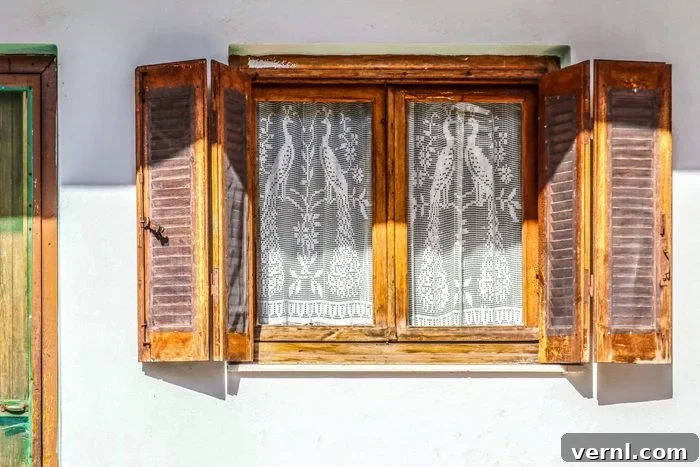
Windows and doors in historic homes often pose a dual challenge: their non-standard sizes and construction rarely align with modern products, and they typically possess outdated energy specifications and poor weather resistance. While the immediate inclination might be to replace them with modern, energy-efficient units, preservation guidelines often discourage or outright prohibit this, especially in historic districts. The goal shifts to restoring or replicating them with historical accuracy.
Stevenson notes the artistry involved: “You can rebuild windows with that historical, cool, wavy glass.” However, he cautions, “But it’s just that much more work. And you’ll need to order them from Eastern Europe, because we don’t make them here anymore.” This illustrates the scarcity of materials and specialized craftsmanship required, contributing to higher costs. The good news is that, when meticulously restored and properly installed with weatherstripping, old-style windows can be surprisingly energy-efficient, often outperforming poorly installed modern replacements. The bad news, however, is the cost disparity: while a standard modern vinyl window might cost a few hundred dollars, a historically accurate, custom-built or painstakingly restored window can easily exceed $1,000.
Similar challenges apply to doors. Finding replacements for non-standard size doors can be difficult, often requiring custom fabrication. Furthermore, sourcing matching period-appropriate hardware for doors and windows can also be a quest. Stevenson succinctly captures the essence of this reality: “It’s a never-ending discovery of how unique your building is when you have to pay for all of the uniqueness.” This ‘uniqueness’ is precisely what makes historic homes special but also contributes significantly to renovation expenses.
The Indispensable Role of Specialty Contractors and Craftspeople
The intricate nature of historic home restoration inevitably leads to situations where tasks are best outsourced to highly skilled craftspeople. Unlike new construction, which often relies on standardized methods and readily available materials, historic renovation frequently demands specialized knowledge and techniques passed down through generations. You might find yourself needing experts for delicate plaster repair, custom milling of architectural elements, intricate decorative painting, or historically accurate masonry work. The challenge lies not only in finding these skilled individuals but also in accepting their higher hourly wages.
Craftspeople experienced in older technologies and traditional building methods are increasingly rare. Their expertise is honed over years, often decades, of working with specific materials and construction techniques that are no longer common practice. For instance, a mason who specializes in historic brickwork knows how to formulate period-appropriate mortar and execute techniques that preserve the integrity of the original structure, rather than causing damage with modern, harder mortars. This specialized skill set commands a premium, making them a significant, yet vital, investment in any serious historic renovation project. Their work ensures authenticity, longevity, and often, compliance with preservation standards.
The Nuance and Cost of Plaster Walls
Plaster walls are a hallmark of historic homes, offering superior sound insulation, fire resistance, and a distinct aesthetic quality compared to modern drywall. Even if your home’s plaster is largely intact, any significant infrastructural upgrades – such as running new electrical wiring, plumbing lines, or HVAC ducts – will necessitate carefully cutting into and subsequently repairing these walls. This process is inherently more complex and costly than simply cutting and patching drywall.
Plaster repair requires a specific skill set to seamlessly blend new patches with existing surfaces, matching texture and finish. King provides an interesting hybrid solution for situations where plaster is beyond salvage: “We’ve seen houses where the plaster was beyond salvage, but where the contractor actually put in [drywall] and then ran a skim coat of plaster mud over the top.” This technique allows for the structural benefits of drywall while recreating the distinctive “thud,” durability, and texture of traditional plaster, providing a cost-effective compromise without sacrificing too much of the historic feel. However, even this method requires specialized labor and materials, making it more expensive than a straightforward drywall installation.
Authentic Historic Flooring Restoration
Restoring or replicating traditional wood floors is another area where historic home renovations diverge significantly in cost and complexity from modern builds. If your goal is to match traditional pine wood floors, for instance, King highlights that both the procurement of the raw materials and their installation will be more expensive. This is primarily because traditional tongue-and-groove flooring systems, particularly those found in older homes, are typically blind-nailed. This method involves nailing through the tongue of the board at an angle, concealing the nail heads and requiring precise placement and skill.
After installation, these raw wood floors then “need to be sanded and finished, instead of just buying a modern flooring system that’s already finished looking and can be laid down in a day,” King elaborates. Modern pre-finished flooring systems offer a quick, often DIY-friendly installation, saving significantly on labor and finishing costs. Historic flooring, conversely, demands a multi-step process involving skilled installation, professional sanding, and the application of multiple coats of finish. This ensures durability, a beautiful aesthetic, and historical accuracy, but it inherently prolongs the project timeline and increases labor expenses, adding another layer to the overall renovation budget.
Preserving Intricate Mantels and Cornices
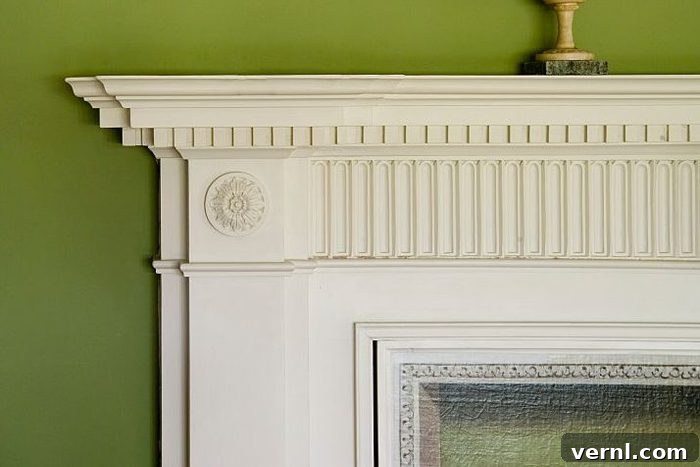
The elaborate mantels, intricate moldings, and decorative cornices found in many historic homes are often exquisite examples of period craftsmanship, but their restoration is incredibly labor-intensive and costly. As King explains, any such decorative element will likely need meticulous cleaning and detailing, often requiring specialized tools like dental picks to remove layers of accumulated grime and paint without damaging the delicate features.
“What people don’t recognize is when you have a 200-year-old house, there could be anywhere from 15 to 50 coats of paint,” King states. “Removing all of that to restore the detail back is incredibly labor-intensive. There are a lot of things that require craft, and craft is what is expensive today.” The sheer time involved in carefully stripping paint from every crevice, followed by meticulous repair and refinishing, can quickly escalate labor costs. This isn’t a job for the inexperienced; it demands the patience and precision of a true artisan.
A memorable instance from Rucker’s Reno illustrates this perfectly. Stevenson discovered that a particular mantel could not be stripped without damage. Instead of settling for a modern replacement, he embarked on a remarkable journey: he tracked down the original manufacturing plant in Scotland. Astonishingly, the plant was still operational and, even more incredibly, still possessed the original mold. This allowed him to order a precise replica, ensuring historical fidelity but at a significant, albeit justified, cost. Such dedication to authenticity is a hallmark of high-end historic restoration and a major budget consideration.
The Indispensable Value of Historic Architects and Inspectors
Even if you possess a strong DIY spirit and plan to undertake a significant portion of the renovation work yourself, all our experts emphatically stress the value of professional consultation, particularly from an architect or contractor with deep experience in historic homes, ideally before you even purchase the property. “Sometimes having someone who knows what they’re looking at on site for an hour is going to save you thousands in the long run,” advises King. A walk-through with a seasoned professional can uncover hidden issues, structural weaknesses, or regulatory hurdles that an untrained eye would miss, potentially saving you from a disastrous investment.
A typical initial consultation or walk-through can range from $200 to $500, a small price to pay for insights that could prevent major financial pitfalls. If the consultants become more deeply involved, guiding the project from its inception through completion, the compensation structure might evolve from an hourly rate to a percentage of the total project budget. Their expertise is not just about design; it’s about navigating the unique challenges of historic properties, ensuring compliance with local preservation boards, and connecting you with the specialized craftspeople required for authentic restoration.
Navigating Historic Home Insurance Complexities
Insurance for historic homes often presents unique challenges and additional costs, depending heavily on the property’s location and specific characteristics. In coastal regions, for example, the hurdles can be particularly pronounced. King, speaking from his experience in Charleston, explains, “In Charleston, we’re on the coast and we’re in a hurricane zone.” This geographical reality imposes specific building requirements and, consequently, insurance complexities. “You can’t just go put impact-rated windows in a historic house in Charleston,” he notes, underscoring the need for a local insurance carrier well-versed in historic property regulations and the available compliant coverage options.
Another crucial consideration is finding an insurance policy that provides “historic replacement value” coverage. Unlike standard policies that might only cover the cost of replacing damaged elements with modern, less expensive equivalents, historic replacement value insurance accounts for the higher cost of sourcing period-appropriate materials and employing specialized craftspeople for repairs. This type of policy will naturally be more expensive because it covers the true cost of restoring plaster walls, antique wooden floors, custom millwork, and other specialty materials specific to your historic home. “You don’t have to do it, but it’s certainly advisable to,” King recommends, highlighting its importance for safeguarding your significant investment.
The Enduring Value of Historic Home Renovation
While it’s clear that “all of these things can certainly add up when it comes to restoring a historic home,” King thoughtfully concludes that “it doesn’t mean it has to take forever and cost a fortune.” The key lies in making informed decisions at every stage of the renovation process. From understanding the nuances of historic zoning and the necessity of modern code compliance to budgeting for specialized materials, skilled labor, and comprehensive insurance, a successful historic home renovation demands meticulous planning and a realistic financial outlook.
Beyond the monetary investment, renovating a historic home offers immeasurable rewards. It’s an opportunity to connect with the past, preserve architectural heritage, and create a truly unique living space imbued with character and history. With careful consideration, expert guidance, and a commitment to quality, your historic home renovation project can be a deeply satisfying endeavor, resulting in a timeless property that stands proudly for generations to come.
[cf]skyword_tracking_tag[/cf]