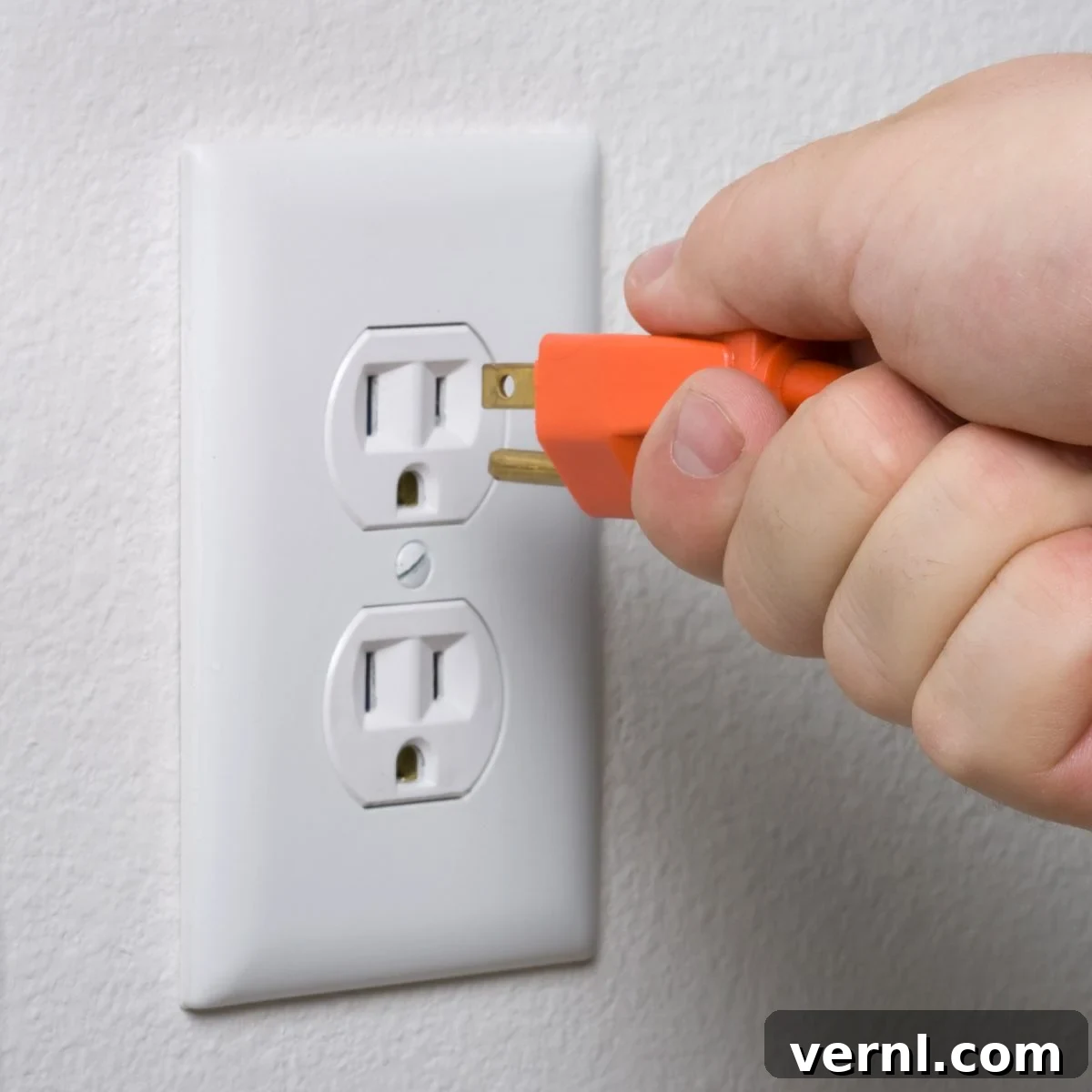
Ensuring Electrical Safety: The Indispensable Role of Tamper Resistant Receptacles
My journey into the world of electricity began long before I earned my license as a master electrician. As a child, I was undeniably captivated by it. My father, a master electrician himself, granted me early access to his workbench—a realm of wondrous tools and equipment, provided I meticulously returned everything to its place by day’s end. His workbench was a marvel, akin to a spaceship console from a science fiction epic, adorned with an array of receptacles, switches, electrical testers, and specialized tools.
Beyond the familiar, he also possessed exotic radio and electronic gear that, even with my boundless curiosity, I knew was strictly off-limits. It was truly astonishing to me that by simply plugging my small hobby soldering iron into those unassuming receptacles, it would miraculously heat up. At that tender age, the true source of this power remained a mystery, and I harbored little respect for the inherent dangers lurking just behind the plastic faceplate of an electrical outlet. Like many children, the concept of a hidden threat was far from my mind.
This early fascination, coupled with a growing understanding of electrical principles, later evolved into a profound appreciation for safety. The statistics are stark: the Consumer Product Safety Commission (CPSC) reports that thousands of children suffer injuries annually from inserting foreign objects—anything other than an approved attachment cord and plug—into electrical receptacles. Due to their smaller stature and physiological makeup, children are significantly more vulnerable to the severe consequences of electrical shock than adults. This alarming reality underscores the critical need for advanced safety measures in our homes and public spaces, leading us directly to the innovation of tamper resistant receptacles.
What Exactly is a Tamper Resistant Receptacle?
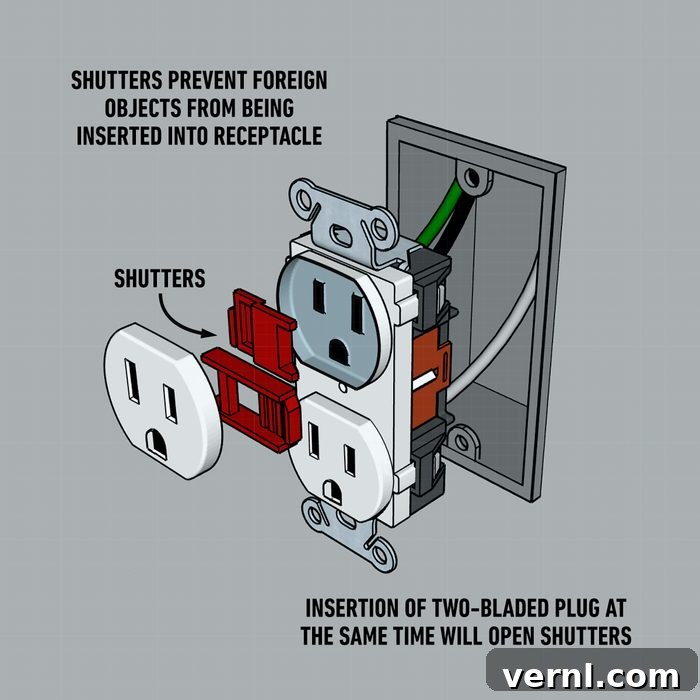
Tamper resistant receptacles (TRRs) are an ingenious and increasingly indispensable safety device designed to protect against electrical shock hazards. At first glance, they appear identical to standard electrical outlets, blending seamlessly with any decor. However, their true value lies in their built-in, permanent, and automatic safety mechanism engineered specifically to prevent serious burn or shock injuries, particularly among young children. Identifying these crucial devices is simple; they are typically marked with the words “Tamper Resistant” or the letters “TR” on their face.
The Ingenious Mechanism of TRRs
The core of a tamper resistant receptacle’s safety feature is its integrated shutter system. These internal safety shutters are designed to automatically remain closed, forming an impenetrable barrier against the insertion of single foreign objects. Imagine a curious child attempting to insert a hairpin, a paper clip, a small toy, a fork, or even their finger into one of the vertical slots of a receptacle. With a TRR, the shutters will remain firmly closed, effectively blocking access to the energized contacts behind the faceplate.
The shutters only open under very specific conditions: when a proper two-prong or three-prong attachment cord-and-plug is inserted simultaneously into both vertical slots. This requires an equal and synchronized pressure on both shutters at the same time. When this simultaneous pressure is applied, the shutters retract, allowing the plug’s prongs to make contact with the receptacle’s internal electrical connections. As soon as the plug is removed, the spring-loaded shutters automatically snap back into their closed and locked position, reinstating the protective barrier.
First-Time Use and Benefits Over Temporary Solutions
When you plug a cord into a brand-new tamper resistant receptacle for the first time, you might notice a slight resistance or a distinctive feel as the internal shutters engage. This is perfectly normal and indicative of the safety mechanism at work. Like any new mechanical component, there may be a brief “break-in” period during which the shutters might require a tiny bit more force to open. However, if you ever encounter excessive force being necessary to insert a plug, it’s crucial to stop and inspect the plug itself for any damage or bent prongs. Manufacturers have diligently worked to ensure that TRRs are user-friendly, reliable, and maintain the aesthetic appeal of traditional outlets.
It’s important to differentiate TRRs from temporary safety measures. While plastic receptacle protectors or plastic tamper resistant faceplates might seem like viable alternatives, they fall short in several critical aspects. These temporary solutions can often be removed by determined children, or even worse, they can become a source of fascination, attracting even more attention from curious youngsters. Moreover, they do not offer a permanent, code-compliant solution. Tamper resistant receptacles, on the other hand, provide continuous, automatic protection that meets and exceeds the stringent requirements of the National Electrical Code (NEC), offering unparalleled peace of mind.
Where Are Tamper Resistant Receptacles Required in a Home?
The National Electrical Code (NEC) mandates the installation of tamper resistant receptacles in a wide array of environments, recognizing that electrical accidents involving children can occur anywhere and in an instant. This includes not only “less structured” settings like private residences where children might play unsupervised but also “closely supervised environments” such as childcare facilities with attentive staff. The rationale is clear: much like swimming pool accidents, electrical incidents can happen in the blink of an eye, regardless of the level of supervision.
The NEC specifically requires all 15- and 20-ampere, 120- and 240-volt receptacles in the following residential and accessory locations to be tamper resistant:
Dwelling Units
This category encompasses every single-family home, each individual unit within a two-family dwelling, and every unit in multi-family residences such as apartment buildings or condominiums. This vital requirement extends beyond the main living spaces to include attached and detached garages and any accessory buildings like tool sheds or workshops. Furthermore, it also applies to common areas found in two-family or multi-family dwellings, such as hallways, lobbies, game rooms, fitness centers, and similar shared locations where children may be present.
In essence, this means that tamper resistant receptacles are now a fundamental requirement virtually everywhere inside and outside a residential property, including all associated structures. This comprehensive coverage ensures a robust safety net for children throughout their home environment.
Mobile Homes and Manufactured Homes
All receptacles within mobile homes and manufactured homes, along with any attached or detached garages and accessory buildings associated with them, must also be tamper resistant. This ensures consistent safety standards across different types of housing.
Boathouses
Boathouses, often located near water and potentially exposing occupants to unique electrical hazards, are also subject to TRR requirements. This includes all indoor and outdoor receptacles associated with the boathouse structure, recognizing the inherent risks of electricity in damp or wet environments.
Are Tamper Resistant Receptacles Required When Replacing Existing Receptacles?
Yes, absolutely. The National Electrical Code is unequivocal on this point. If you are replacing an existing receptacle in a location that, under the current NEC guidelines, would require tamper resistant receptacles, then the replacement receptacle must be tamper resistant. This provision ensures that as homes are updated or repaired, they are brought up to the latest safety standards, progressively enhancing electrical safety across the existing housing stock.
How Much Do Tamper Resistant Receptacles Cost?
When considering electrical upgrades, cost is often a factor, but with tamper resistant receptacles, the investment is remarkably small compared to the invaluable safety benefits they provide. Prices for receptacles can vary significantly based on style, color, specific configurations, and brand. However, a basic 15-ampere tamper resistant duplex receptacle typically costs only about 50 cents more than its standard, non-TR counterpart. For example, a common 15-ampere tamper resistant receptacle can be purchased at most home improvement centers for approximately $1.50. This minimal price difference makes them an incredibly cost-effective solution for preventing serious injuries and enhancing the safety of your home.
Are Tamper Resistant Receptacles Required in Public Spaces?
Beyond residential settings, the NEC extends the requirement for tamper resistant receptacles to numerous public and commercial locations, especially those where children are likely to be present. This reflects a broader commitment to public safety and recognizes the diverse environments where accidental electrical contact can occur. The NEC mandates TRRs in several public locations, ensuring a consistent level of protection:
- Guest Rooms and Suites in Hotels, Motels, and Their Common Areas: Children often accompany families on trips, making these spaces temporary homes where safety cannot be compromised.
- Child Care Facilities: These environments are specifically designed for children, making TRRs an absolute necessity to safeguard against curious exploration.
- Preschool and Education Facilities: Similar to childcare centers, these institutions cater to young, impressionable minds who may not understand electrical hazards.
- Clinics, Medical and Dental Offices, and Outpatient Facilities: Children frequently visit these facilities, particularly in public spaces such as waiting rooms, lobbies, and business offices.
- Public Spaces in Facilities Where People Await Transportation: This includes bus terminals, train stations, and airports, as well as high-traffic recreational areas like gymnasiums, skating rinks, fitness centers, and auditoriums where children might be present.
- Dormitory Units: While primarily housing older students, these settings can still pose risks, and the universal application of TRRs simplifies safety protocols.
- Residential Care and Assisted Care Facilities, Limited-Care Facilities, Group Homes, and Similar Spaces: These facilities often house vulnerable individuals, including those with cognitive impairments or young visitors, necessitating enhanced safety.
- Foster Care Facilities, Nursing Homes, and Psychiatric Hospitals: Protecting residents and visitors in these specialized care environments is paramount, making TRRs a crucial safety feature.
The Evolution of Electrical Safety Standards
The widespread adoption and mandatory installation of tamper resistant receptacles are a testament to the continuous evolution of electrical safety standards. Electrical codes are not static; they are living documents that are regularly updated and refined based on new research, accident data, and technological advancements. The inclusion of TRRs in the NEC reflects a proactive approach to mitigating one of the most common and preventable electrical hazards for children. This constant drive to improve safety ensures that our electrical infrastructure becomes increasingly secure over time, protecting future generations.
Beyond TRRs: A Holistic Approach to Electrical Safety
While tamper resistant receptacles are a critical component of modern electrical safety, they are part of a larger, holistic approach. Other essential safety devices, such as Ground Fault Circuit Interrupters (GFCIs) in wet or damp locations (kitchens, bathrooms, outdoors) and Arc Fault Circuit Interrupters (AFCIs) for protecting against electrical fires, work in conjunction with TRRs to create a comprehensive safety system. Proper wiring, regular electrical inspections, and educating family members about electrical hazards are equally vital. It’s about creating an environment where electricity serves its purpose safely, without posing undue risk.
Ensuring Compliance and Professional Installation
For homeowners and facility managers, understanding and complying with the NEC requirements for tamper resistant receptacles is crucial. While replacing a single receptacle can be a DIY project for those with electrical experience, it is always recommended to consult with or hire a licensed electrician for larger projects or if you are unsure about the safety procedures. A professional electrician can ensure that all installations meet current code standards, providing maximum safety and compliance. Investing in professional installation is an investment in peace of mind.
The Peace of Mind Factor
Ultimately, the greatest benefit of tamper resistant receptacles goes beyond mere compliance; it’s the invaluable peace of mind they offer. Knowing that your electrical outlets are equipped with an automatic, permanent safety feature frees you from constant worry, allowing children to explore their environment more safely. This small, often overlooked detail plays a monumental role in protecting the most vulnerable among us from preventable electrical accidents, solidifying its status as an indispensable safety innovation for every modern home and public space.