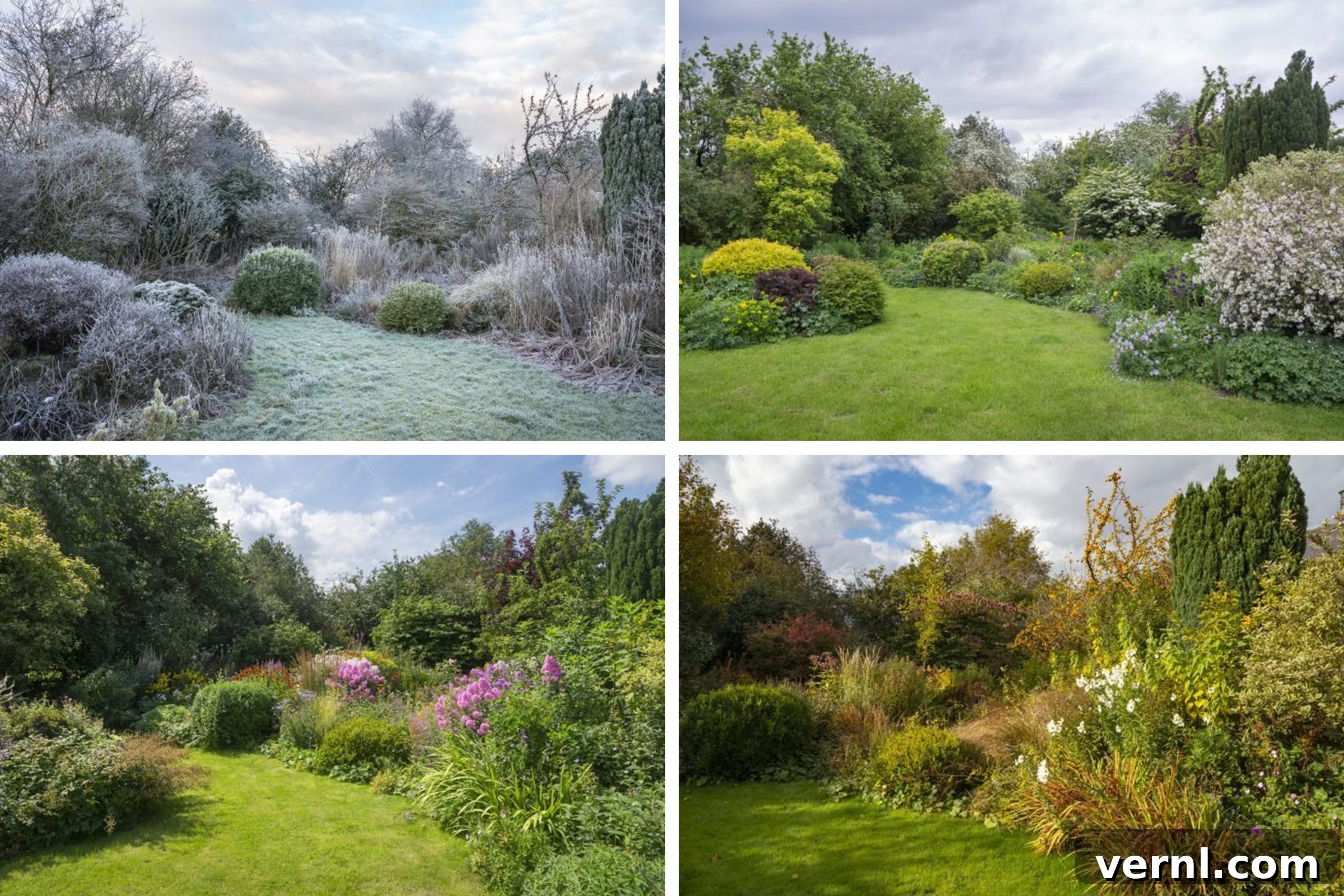
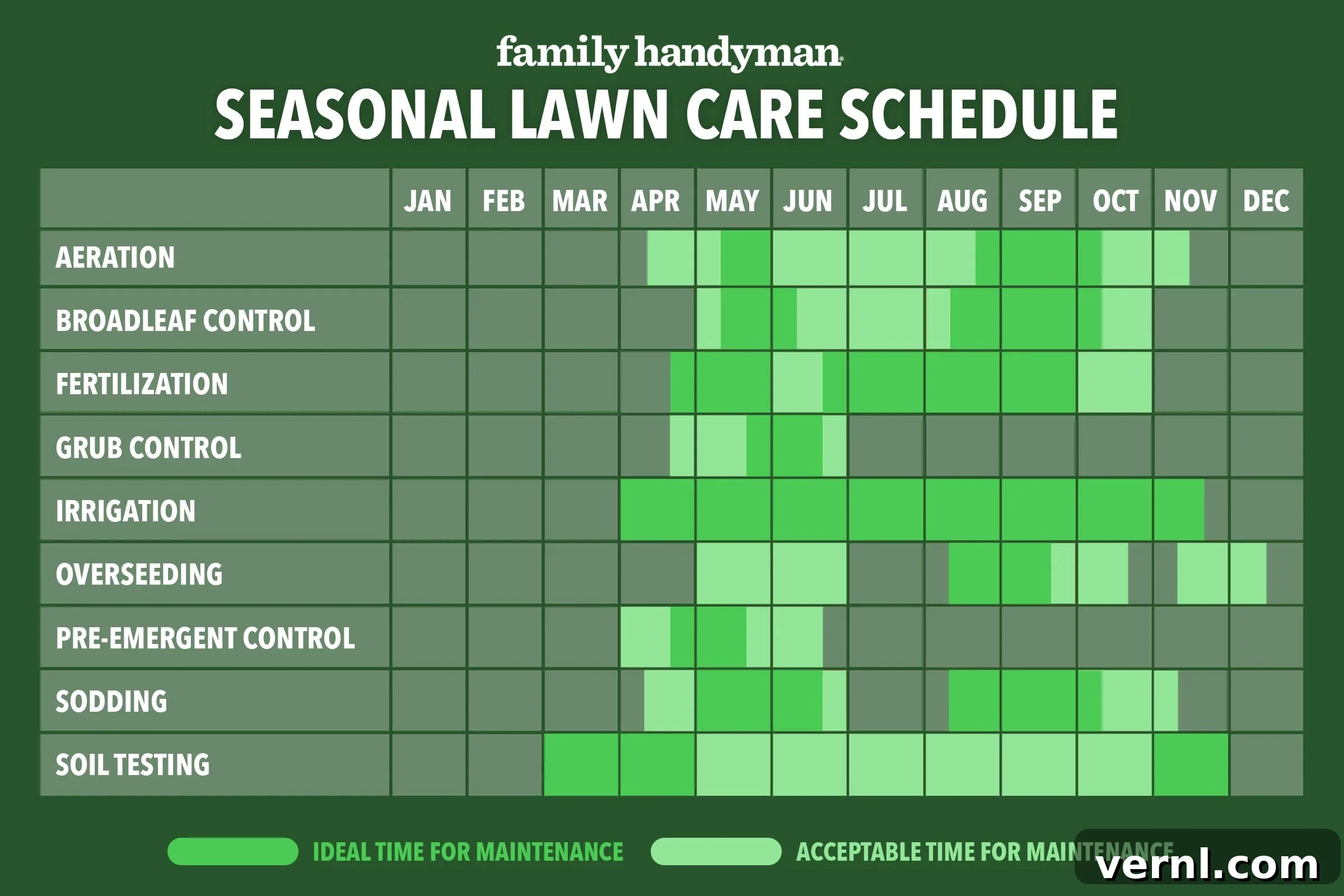
For many, the shift to remote work has unveiled an unexpected passion: cultivating a vibrant, healthy lawn and garden. If you identify as a dedicated do-it-yourselfer and a true lawn enthusiast, the pursuit of a flawless turf often occupies your thoughts, regardless of the season. To transform this aspiration into reality, a structured approach is key. Embracing a DIY lawn care maintenance schedule can be your most valuable tool, guiding your efforts throughout the year to achieve that enviable green expanse.
Important Note: This comprehensive guide outlines recommended lawn care practices specifically tailored for Northern lawns. These typically encompass regions north of Interstate 70 and feature cool-season grasses such as Kentucky bluegrass, fine fescue, and perennial ryegrass. While we provide seasonal guidelines, the exact timing for these tasks may fluctuate by several days or even weeks. This variation largely depends on the early or late arrival of spring weather and other localized environmental factors, so always observe your lawn’s specific needs and local climate.
Why a Seasonal Lawn Care Schedule is Essential for a Thriving Yard

A well-devised seasonal lawn care schedule is far more than just a checklist; it’s the strategic blueprint that guarantees your yard receives precisely the right attention at the opportune moment each year. Your lawn, much like any living ecosystem, cycles through distinct phases, from the vigorous growth of spring to the critical recovery of fall. Missing the mark on timing can have detrimental effects, compromising its overall health and appearance for months to come.
By adhering to a consistent seasonal plan for your garden lawn care, you proactively prevent common issues like stubborn weeds, foster the development of deep, resilient root systems, and fortify your grass to endure extreme temperatures, whether it’s the scorching heat of summer or the biting cold of winter. This systematic approach empowers you to cultivate a stunning, verdant lawn without the continuous expense or reliance on professional services. Moreover, consistent year-round yard maintenance streamlines each task, making them more efficient and impactful. This not only saves you precious time and effort but also significantly reduces costs associated with reactive treatments or costly repairs down the line. It transforms lawn care from a sporadic chore into a rewarding, strategic endeavor.
Spring Lawn Care Tips for DIY Enthusiasts: Awakening Your Green Oasis
As the last vestiges of winter fade, this marks the exciting beginning of your year-round yard upkeep journey. Spring is a season of renewal, but patience is paramount. While there are several crucial tasks to tackle in early spring, resist the urge to jump the gun. Premature intervention can often do more harm than good, setting back your lawn’s recovery and growth.
Before you begin any significant work, ensure the ground is no longer frozen solid and the surface feels firm underfoot. Most importantly, wait until you observe your grass visibly greening up and actively beginning its growth cycle. Any efforts expended before your lawn truly “wakes up” from its winter dormancy will largely be fruitless and, in some cases, can even inflict damage upon tender new growth or compacted soil.
- Combatting Winter Salt Damage with Gypsum: One of the most frequently overlooked seasonal lawn maintenance tips for spring involves addressing areas affected by road and sidewalk salt. These areas, typically adjacent to curbs, driveways, and pathways, are susceptible to the corrosive effects of road salt and ice melters. A generous application of granular gypsum as soon as the ground thaws, followed by a thorough dousing with water, is highly effective. Gypsum works by improving soil structure, helping to flush harmful salts deeper through the soil profile, creating less toxic growing conditions for both existing turf and any new seedlings you might introduce.
- Irrigation System Check-up: If your property is equipped with an irrigation system, early spring is the ideal time to ensure its optimal function. Methodically inspect for any leaks, confirm proper sprinkler head operation, and verify adequate coverage across your lawn. An inefficient system is not only a silent drain on your wallet but can also waste thousands of gallons of water annually. Since most irrigation systems are programmed for overnight or early morning operation, malfunctions often go unnoticed until a surprisingly high water bill arrives. Proactive checks prevent water waste and ensure your lawn gets the hydration it needs precisely where it’s needed.
- The Power of Professional Soil Testing: Incorporating soil testing into your DIY lawn care schedule every three years or so is an indispensable step. A comprehensive soil test provides a detailed snapshot of your soil’s health, pinpointing nutrient deficiencies (like nitrogen, phosphorus, and potassium), identifying pH irregularities, and revealing other critical issues that impact grass vitality. Resist the temptation of inexpensive DIY kits found at hardware stores or garden centers, as their results are often unreliable. Instead, partner with your local extension service or a university lab. They possess the advanced testing equipment and expertise to provide meaningful, accurate results, often accompanied by tailored recommendations to correct any identified deficiencies.
- Strategic Pre-Emergent Herbicide Application: Apply pre-emergent herbicides only if you have a recurring problem with crabgrass in your lawn. If crabgrass isn’t an issue for you, this step can be safely skipped. The optimal window for applying a crabgrass preventer is when soil temperatures consistently reach between 50 to 55 degrees Fahrenheit. This timing is crucial because it intercepts crabgrass seeds before they germinate. When applied at the recommended rate, most pre-emergent herbicides will establish a protective barrier, offering three to four months of effective control against this pervasive weed.
- First Mowing and Cleanup: Once your grass truly starts growing, perform your first mow of the season. Ensure your mower blades are sharp for a clean cut. Also, rake up any lingering winter debris like leaves, twigs, and matted grass to allow for better air circulation and sunlight penetration.
Summer Lawn Maintenance to Beat the Heat: Smart Care for Stress-Free Growth
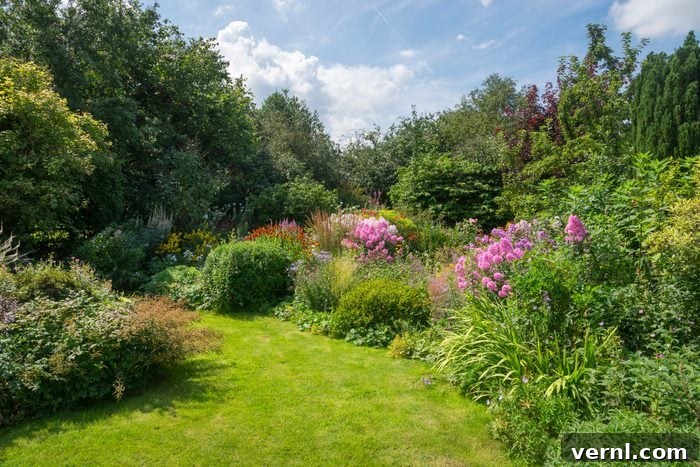
During the scorching, often humid summer months, the guiding principle for your do-it-yourself lawn care schedule should be restraint. Overdoing it can stress your grass, leading to browning and vulnerability to disease. The key to healthy summer turf is to minimize intensive work, focusing instead on consistent, essential tasks like mowing and watering only as needed, and applying fertilizer judiciously, ideally just once during this period.
- Targeted Broadleaf Weed Control: Early summer presents an excellent opportunity to eliminate broadleaf weeds such as persistent dandelions, invasive clover, and tenacious creeping charlie. Spot spraying with liquid herbicides is generally more effective and environmentally responsible than using granular products. This allows you to apply treatment only to the specific areas infested with weeds, minimizing chemical use across your entire lawn. While “weed-and-feed” applications (granular fertilizer infused with a broadleaf herbicide) are common, they are typically less effective than targeted spraying and can inadvertently over-fertilize healthy areas.
- Optimal Mowing Practices: Grass growth accelerates dramatically in late spring and early summer. You might find yourself needing to mow your lawn every four or five days instead of a weekly routine. Adhering to the “one-third rule”—never removing more than one-third of the grass blade’s height at a time—is crucial. This prevents shocking the grass and allows clippings to be mulched back into the lawn, returning valuable nutrients to the soil. Taller grass in summer (e.g., 3-4 inches) also helps shade the soil, reducing water evaporation and suppressing weed germination.
- Summer Fertilization with Organic Choices: If you choose to apply fertilizer during the early to mid-summer months, prioritize organic-based fertilizers. Look for products containing meal byproducts such as bone meal, feather meal, or blood meal. These natural options release nutrients slowly and are much safer to use during hot weather. Many synthetic fertilizers have a high salt content that can “burn” your lawn under intense summer sun, causing unsightly damage.
- Proactive Grub Control: Larvae from destructive Japanese beetles and other large beetle species can inflict severe damage on lawns in late summer or early fall by feeding on grass roots. To prevent this, apply a preventative grub control product in early summer, ideally before beetle eggs hatch into the destructive grub larvae. It is absolutely imperative to thoroughly water these grub control insecticides into the soil immediately after application to ensure they reach the root zone where grubs reside.
- Smart and Efficient Watering: Proper watering is undeniably key to successful year-round yard upkeep. Some weeks, Mother Nature might grace your lawn with an inch of rain, in which case, you can thankfully skip irrigation. However, during hot, windy, and dry periods, you might need to water two or three times a week. Focus on deep, infrequent watering to encourage deep root growth, rather than shallow daily sprinkles. Shallow watering promotes weak, surface roots, making your lawn more susceptible to drought and disease. Avoid strictly adhering to municipal odd/even watering rules if they don’t align with your lawn’s actual needs. Such rigid schedules can lead to water waste and potentially harm your lawn by not providing water when it’s truly thirsty, or overwatering when it’s not. The best time to water is early morning to minimize evaporation and allow grass blades to dry before nightfall, reducing fungal disease risk.
Also, explore how coffee grounds can naturally supercharge your plants, offering a sustainable boost to your garden’s vitality.
Fall Lawn Prep for Healthier Grass Next Year: The Foundation for Future Beauty
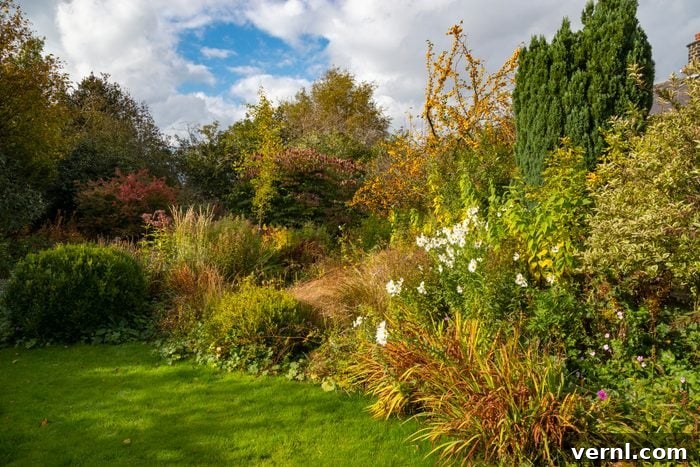
Late summer and early fall are arguably the most crucial periods for almost any significant lawn care work. The cooler temperatures, coupled with still-warm soil, create an ideal environment for grass to recover from summer stress and prepare for winter, setting the stage for a lush spring.
- The Benefits of Core Aeration: Core aerating your lawn is a fundamental practice that significantly improves its health. This process reduces soil compaction, which often builds up from foot traffic and heavy rainfall, and helps manage thatch accumulation. By creating small holes in the soil, aeration provides a direct conduit for essential elements like fertilizer, water, and grass seed to penetrate deeper into the root zone – exactly where they need to be for maximum benefit. While fall is optimal, you can also core aerate in spring or early summer, but always avoid those hot, dry summer days when the grass is under stress. When it comes to proper seasonal lawn maintenance, you truly can’t aerate too much; regular aeration keeps your soil healthy and breathable.
- Optimal Time for Reseeding and Overseeding: This is also by far the best time of year to reseed any thin areas, bare patches, or turf damage that occurred during the summer. Soil temperatures remain warm enough to trigger immediate seed germination, while cooler ambient air temperatures reduce stress on young seedlings, promoting rapid and robust establishment. There’s also less competition from summer annual weeds in the fall. It’s generally best to complete your seeding work before October 1st for cool-season grasses, allowing sufficient time for the seedlings to develop strong root systems before the first hard freeze. If you need to lay sod, you have a more flexible window and can typically install it almost any time of the year, even into early November, as sod already has an established root system.
- The Critical Final Fertilizer Application: Early fall is also the prime time to apply your last fertilizer application of the year. Often referred to as a “winterizer,” this feeding is incredibly important. It replenishes the grass plant’s nutrient reserves, essentially filling its “gas tank” just before it enters winter dormancy. This vital boost helps your lawn approach the cold winter months in a robust, healthy state, significantly improving its resilience. The stored energy allows it to rebound with vigor in the spring, poised for another year of backyard enjoyment and vibrant growth.
- Proactive Gypsum for Winter Salt Damage: Finally, just before the ground definitively freezes, apply another round of gypsum to those areas you anticipate will suffer from salt and ice-melter damage during the winter. This preventative measure gives you a crucial head start on salt damage remediation, as the gypsum will begin to work its magic over the winter, helping to mitigate harmful effects even before the snow melts next spring.
- Leaf Management: While beautiful, a thick layer of fallen leaves can smother your lawn, preventing light and air from reaching the grass blades. Rake or mulch leaves regularly throughout the fall to keep your lawn healthy and reduce the risk of fungal diseases.
Winter Care and Planning Ahead for Next Season: Rest and Preparation
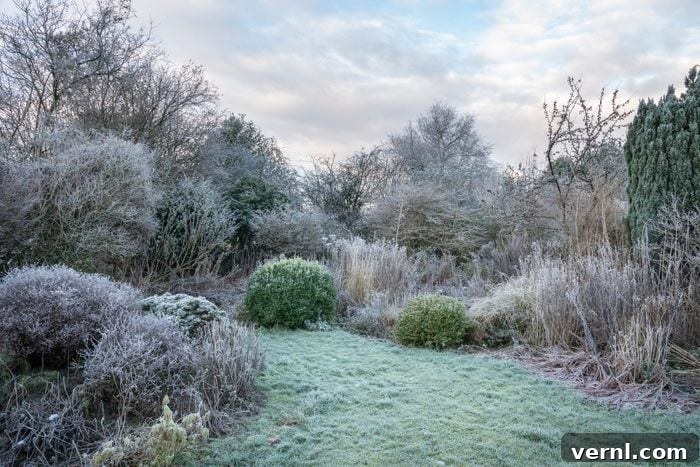
During the quiet winter months, there’s considerably less hands-on work required for your lawn. The ground is most likely frozen solid, and your grass is typically hibernating comfortably under a heavy, insulating blanket of snow. This period of dormancy, however, is an excellent opportunity for preparation and planning, ensuring you’re fully ready for the day the last snow disappears and your lawn begins to green up once more.
- Lawn Mower Tune-Up: Winter is the perfect off-season for a comprehensive tune-up of your lawn mower, preparing it for another year of hard work. Getting this done now, well before the spring rush at repair shops, will guarantee your gas-powered lawn mower starts reliably on the first pull when spring arrives. A thorough tune-up typically includes changing the oil, replacing the air filter, cleaning or replacing the spark plug, and checking the fuel system.
- Blade Sharpening: Your lawn mower blade took a significant beating throughout the last season, becoming dull from countless cuts and potential impacts. A sharp blade is paramount for a clean, healthy cut, which puts less stress on your grass plants and helps keep your lawn looking its absolute best with a crisp, even trim. Dull blades tear the grass, making it more susceptible to disease.
- Equipment Readiness: Extend your winter maintenance to the rest of your essential lawn equipment. Ensure trimmers, edgers, and leaf blowers are also ready to go. This involves checking and charging rechargeable batteries, changing spark plugs on gas-powered tools, and replacing fuel and oil filters as necessary. Proper winter storage for fuel (with stabilizers) is also crucial.
- Education and Planning: Take advantage of the downtime to do some reading and research. There are many excellent resources available on adopting a more environmentally sustainable and efficient approach to lawn care. A fantastic starting point is your local lawn and garden extension service; they can provide accurate, unbiased information specifically tailored to your regional climate and soil conditions. Some communities and local colleges may also offer informative lawn care classes or workshops during the winter months, providing valuable insights and practical tips for the upcoming growing season.
FAQ: Your Seasonal Lawn Care Questions Answered
Can I achieve and maintain a beautiful lawn without professional help?
Absolutely! With a well-structured DIY lawn care schedule, you possess all the tools and knowledge needed to manage your lawn like a seasoned pro. Many homeowners successfully implement such tips and often cultivate lawns that are even more vibrant and healthier than those maintained by external services. The secret lies in consistency, equipping yourself with a handful of essential tools, and developing a keen understanding of year-round yard maintenance. From precise fertilization techniques to effective dethatching, virtually any lawn job is achievable with a bit of elbow grease, thoughtful planning, and a commitment to your green space.
Sources:
- K-State Research and Extension Johnson Country: “Lawn Care Seasonal Guide”
- The Lawn Forum: “Cool Season Lawn Guide”
- PennState Extension: “Lawn Management through the Seasons”