
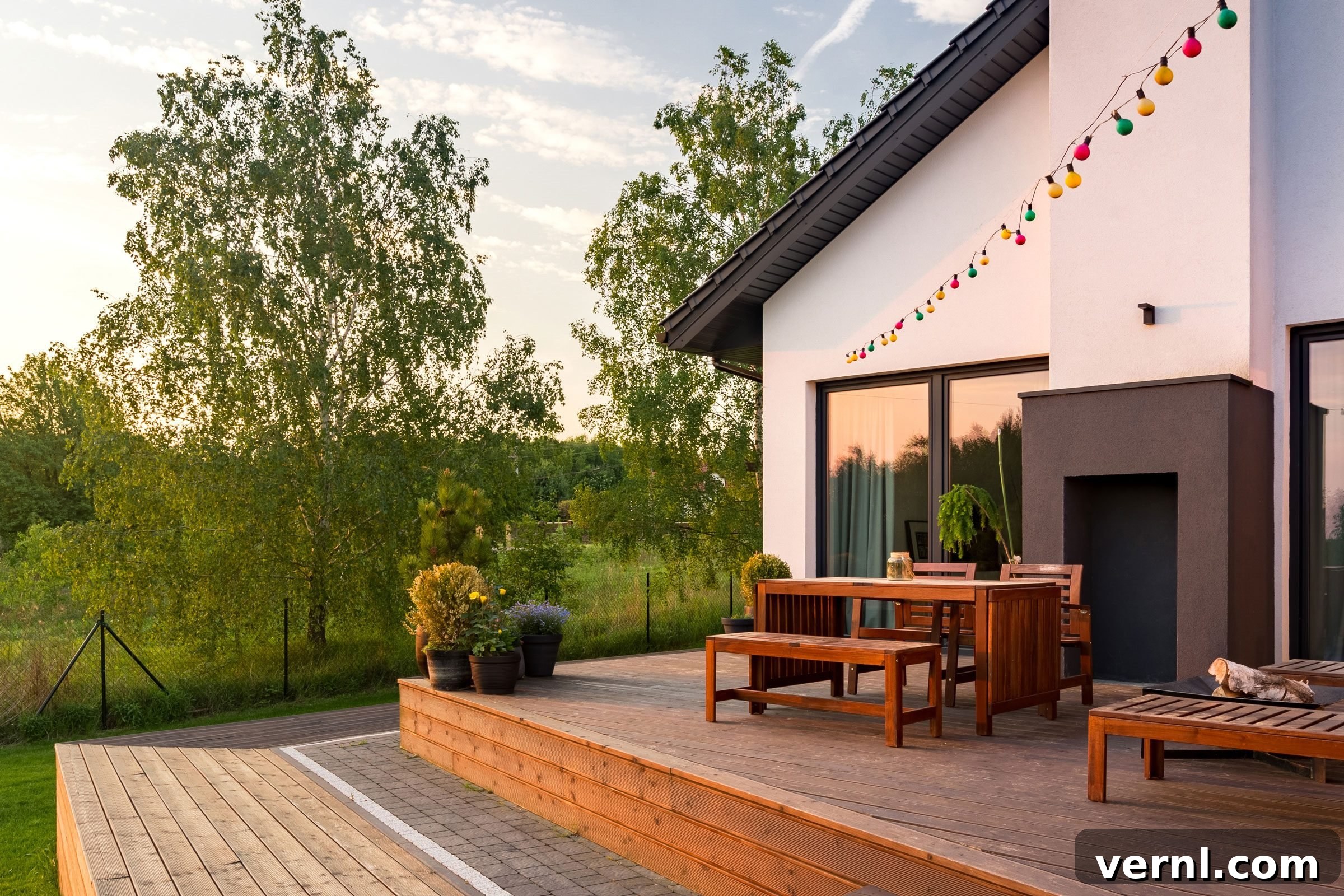
Decks have long been a cherished feature, particularly in regions that embrace outdoor living, such as the Golden State. My own journey into the world of residential construction began shortly after I arrived in California in 1985. One of my very first experiences involved assisting a professional builder friend in constructing an expansive wrap-around deck for his newly renovated home, nestled amidst the towering redwoods. It was an ambitious project, but the results were spectacular.
Back in those days, lumber was considerably more affordable, allowing us to utilize top-grade redwood boards for the decking surface and robust pressure-treated fir for the structural framework. The finished deck was not merely a functional addition; it was a truly beautiful structure, destined to become the heart of countless memorable social gatherings. Remarkably, it even steadfastly supported a large hot tub for over two decades, a testament to its initial quality and construction.
Today, reflecting on that project, it’s clear that nothing truly lasts forever – not even the most durable pressure-treated lumber. A necessary overhaul to that same deck, decades later, ended up costing more than its original construction. This anecdote serves as a potent reminder for homeowners: proactive maintenance is paramount. Addressing minor issues as they arise, rather than allowing small problems to escalate into costly structural repairs, is the key to ensuring your wrap-around deck, and the invaluable extra living space it provides, remains a source of joy and utility for many years to come.
Embracing Outdoor Living: What Defines a Wrap-Around Deck?
Distinct from conventional front or back decks that typically hug a single side of a house, a wrap-around deck is an architectural feature designed to significantly expand your outdoor living area by extending along more than one side of the home. This creates a fluid transition between your indoor and outdoor spaces, often transforming the entire exterior aesthetic.
Typically, these extensive structures are securely supported by ledger boards, which are robust pieces of lumber firmly attached directly to the house’s framing. This integration means the deck doesn’t just sit adjacent to your home; it becomes an integral, load-bearing extension of the overall structure itself. Its design often allows for accessibility from multiple entry doors, enhancing convenience and flow, particularly during social events or when navigating different zones of the deck.
Depending on the specific terrain of your property and the desired height of the deck, it might incorporate elaborate stairways leading to the garden, elegant railings for safety and style, or perhaps seamlessly merge with the existing landscape at ground level. While sharing structural similarities with traditional wrap-around porches – a common and charming characteristic of stately pre-war homes – a key distinction of a wrap-around deck is its lack of a permanent roof. While a roof certainly provides welcome shade and protection from inclement weather, omitting it simplifies the construction process, reduces overall costs, and allows for an uninterrupted connection with the open sky.
A wrap-around deck truly shines on properties with ample outdoor space, especially in climates that encourage and invite outdoor activities throughout much of the year. When thoughtfully designed and meticulously constructed, such a deck can serve a myriad of functions. It can become the ideal location for a fully equipped outdoor kitchen, complete with a built-in grill, dining area, and even a cozy fire pit for evening gatherings. Alternatively, it can be designated as a vibrant play area for children, a tranquil sanctuary for quiet contemplation and enjoying scenic views, or a dynamic entertainment zone perfect for hosting friends and family. Its expansive nature allows for the creation of distinct “zones” catering to different activities simultaneously, maximizing its utility and appeal.
The Allure and Challenges: Pros and Cons of Wrap-Around Decks
Beyond the undeniable benefit of significantly extended usable living space, a wrap-around deck offers a host of compelling advantages that contribute to a higher quality of life and enhanced property value.
Key Benefits of a Wrap-Around Deck:
- Unparalleled Versatility and Movement: The sheer size and multi-sided nature of a wrap-around deck mean you are never confined to a single spot. You can effortlessly follow the sun, find a perfect shady nook for relaxation, or position yourself in the ideal location for entertaining guests, regardless of the time of day or prevailing weather conditions. This flexibility is a game-changer for outdoor enjoyment.
- Enhanced Functional Flexibility: A wrap-around deck is inherently large enough to accommodate the diverse needs and preferences of multiple family members or guests simultaneously. Children can engage in spirited play on one side of the house while adults enjoy a serene cocktail hour or quiet conversation on another, all without encroaching on each other’s space. This ability to create distinct zones is a significant advantage.
- Significant Aesthetic Enhancement: Architecturally, a thoughtfully designed wrap-around deck undeniably boosts curb appeal. It adds a layer of sophistication, grandeur, and welcoming charm to your home’s exterior, making a powerful first impression. It can transform a mundane facade into a dynamic, inviting residence.
- A Strategic Home Investment: In the current real estate market, outdoor living spaces are highly coveted. By dramatically increasing your home’s usable square footage, a wrap-around deck typically enhances its resale value. The return on investment (ROI) for a well-constructed deck can often exceed the initial cost of installation. (Interestingly, a hot tub can also positively impact home value, especially when integrated into a well-designed deck).
However, like any significant home addition, wrap-around decks also present certain considerations and potential drawbacks that homeowners should be aware of before committing to such a project.
Potential Drawbacks of a Wrap-Around Deck:
- Maintenance Requirements: One of the most significant considerations for any deck, and especially for an expansive wrap-around version, is ongoing maintenance. This involves regular cleaning, sealing or staining to protect against the elements, and periodic inspections for wear, rot, or pest damage. Neglecting maintenance can lead to costly repairs down the line, diminishing the deck’s longevity and appeal.
- Impact on Interior Lighting: Depending on its orientation and proximity to your home’s windows, a wrap-around deck, particularly if it incorporates a roof or extensive overhead structures, can potentially reduce the amount of natural light entering interior rooms. Strategic planning and design, such as incorporating skylights or open sections, can mitigate this issue.
- Reduction of Garden and Landscape Space: Installing a large deck inevitably consumes a portion of your existing garden or lawn area. While the space beneath the deck cannot support plant growth, it can be creatively utilized for hidden storage, utility access, or as a dry, sheltered area.
- Requires Ample Property and Privacy: The expansive nature of a wrap-around deck means it typically thrives on larger properties where privacy from neighboring homes is readily available. If adjacent houses are too close, the open design of a wrap-around deck might compromise your sense of seclusion, necessitating additional landscaping or screening solutions.
- Initial Cost and Complexity: While a great investment, the upfront cost of designing and building a wrap-around deck can be substantial due to its size, complexity, and material requirements. It’s a significant financial commitment that requires careful budgeting.
Planning and Building Your Dream Wrap-Around Deck: Essential Considerations
Due to its direct attachment to your house and its potential impact on egress points, planning and constructing a wrap-around deck is a significant undertaking that requires careful thought and adherence to local regulations. In most jurisdictions, you will need to draw up detailed plans and apply for a building permit, even for decks less than 30 inches high, to ensure structural integrity and compliance with safety codes. Here are the main points to meticulously consider:
Strategic Placement and Orientation
Most wrap-around decks cleverly extend from two or three sides of the home. When determining the optimal layout, consider how different sections of your property are affected by the elements. Some sides may receive abundant morning sun, perfect for breakfast, while others might be ideal for afternoon lounging or offer protection from prevailing winds. Building on the sides that offer the most favorable conditions – whether for sun exposure, shade, or shelter – will guarantee you maximize the utility and enjoyment of your outdoor space throughout the day and year.
Navigating Terrain and Ensuring Proper Drainage
The topography of your land significantly influences deck construction. It is generally easier and less costly to build a deck on relatively level ground. If your property features a steep slope away from the house, it may necessitate specialized engineering, extensive foundation work, and expensive footings to adequately support the deck, potentially increasing project costs and complexity.
Crucially, pay meticulous attention to how the new deck structure will impact drainage around your home’s foundation and manage runoff from the roof. You absolutely do not want your deck inadvertently contributing to an erosion problem or allowing rainwater to pool around the foundation, which can lead to serious structural issues over time. Furthermore, design the deck to prevent water from dripping directly from the roof onto usable sections of the deck, which can create uncomfortable wet spots or even accelerate material degradation.
Integrating with the Surrounding Landscape
A large structure like a wrap-around deck inherently becomes a prominent landscape feature. Therefore, it’s vital to consider how it will seamlessly integrate with your existing trees, gardens, and bushes. The choice of materials, the deck’s contours (straight, curved, or multi-level), and its overall size should all contribute to a harmonious outdoor environment. If you possess desirable landscape elements, such as a cherished shade tree, a vibrant flower bed, or a prize rose bush, consider designing the deck to gracefully wrap around or build up against them, making these natural features part of the deck’s charm and design rather than sacrificing them.
Thoughtful Design and Architectural Cohesion
Wrap-around deck designs are incredibly versatile. They can feature crisp, straight edges for a modern look, or elegant curved contours for a softer, more organic feel. Some designs incorporate multiple tiers to navigate varying ground levels or create distinct zones, while others feature elaborate staircases. The chosen design must not only complement the architectural aesthetics of your house but also effectively serve its intended purpose, whether that’s facilitating outdoor dining, providing a spacious lounging area, or hosting large gatherings. For safety and compliance, if any part of the deck is higher than 30 inches from the ground, it will require a sturdy and aesthetically pleasing railing system.
Choosing the Right Materials for Longevity and Style
When it comes to decking surfaces, there are three primary materials: natural wood, composites, and PVC. While initial pricing differences might not be vast, each material offers distinct advantages and disadvantages. PVC and composite decking typically boast superior longevity and require significantly less maintenance compared to natural wood, making them attractive for those seeking a low-upkeep solution. However, they may not replicate the natural beauty and warmth of real wood and can become uncomfortably hot to the touch in direct, intense sunlight. For the critical framework and underpinnings of any deck, the most reliable and realistic choices remain pressure-treated fir or pine, known for their strength and resistance to rot and insects.
Budgeting and Professional Expertise
Establish a comprehensive budget that accounts for materials, labor, permits, and any unforeseen expenses. Given the complexity and scale of a wrap-around deck, consulting with or hiring a professional deck builder or architect is highly recommended. Their expertise ensures structural integrity, compliance with local codes, and a design that maximizes both functionality and aesthetics.
Incorporating Lighting and Utilities
Think beyond just the deck structure. Plan for integrated lighting solutions to enhance safety and ambiance during evening hours. Consider installing outdoor electrical outlets for convenience and potential gas lines if you envision a built-in outdoor kitchen or fire pit. These additions, planned early, vastly improve the deck’s functionality and enjoyment.
A wrap-around deck represents a significant investment in your home and lifestyle. By meticulously considering these planning and building aspects, you can create a stunning and enduring outdoor oasis that perfectly complements your home and meets your family’s needs for decades to come.
Get inspired by these multi-level decks with sweeping views and multiple seating areas, offering further ideas for your own extensive outdoor retreat.