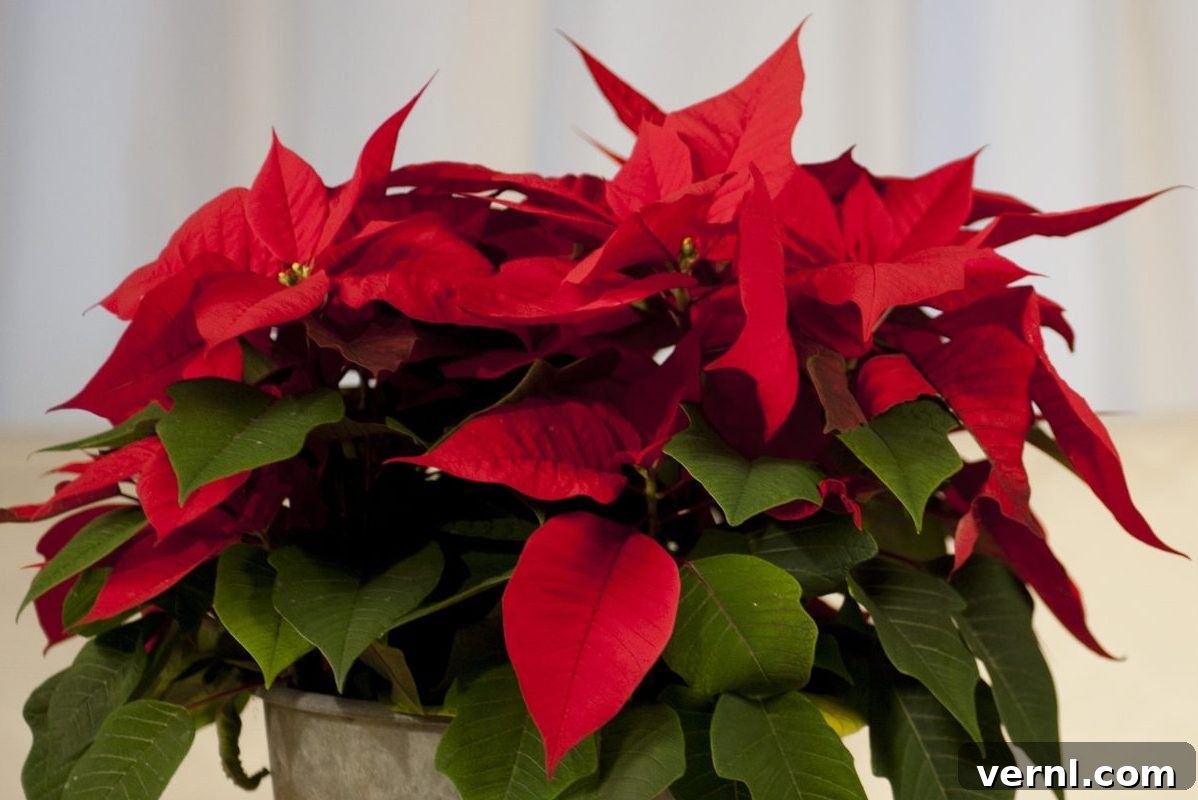
Poinsettias: Unveiling the Secrets of the World’s Most Popular Potted Plant
When you think of the holiday season, certain images immediately come to mind: twinkling lights, festive decorations, and undoubtedly, the vibrant poinsettia. Often considered the quintessential Christmas plant, its popularity is astounding. According to Lisa Eldred Steinkopf, a renowned author of gardening books including Bloom: The Secrets of Growing Flowering Houseplants Year-Round, the poinsettia holds the title of the top-selling plant globally. This festive botanical marvel isn’t just a seasonal favorite; it’s a horticultural phenomenon, with nearly 70 million poinsettias sold each year, predominantly between mid-November and Christmas.
The poinsettia, scientifically known as Euphorbia pulcherrima, is so deeply woven into the fabric of holiday traditions that it even has its own special day. National Poinsettia Day, celebrated annually on December 12th since its establishment in 2002, commemorates the death of Joel Roberts Poinsett, the American botanist and statesman who introduced the plant to the United States from Mexico in the early 19th century. Its original Aztec name, *Cuetlaxochitl*, meaning “flower that wilts,” speaks to its delicate nature, yet its resilience and stunning beauty have captivated plant lovers worldwide.
A Glimpse into Poinsettia History and Varieties
Before diving into care, it’s worth appreciating the rich history of this iconic plant. Native to tropical deciduous forests along the Pacific coast of Mexico and Central America, poinsettias were highly valued by the Aztecs, who used their brilliant red bracts for dye and the plant’s milky sap for medicinal purposes. Poinsett’s introduction of the plant to America sparked a horticultural fascination that blossomed into its current status as a Christmas symbol. Initially known by its botanical name or “Mexican flame leaf,” it was later named “poinsettia” in Poinsett’s honor.
While the classic vibrant red poinsettia remains the most popular, modern cultivation has yielded an astonishing array of varieties. Today, you can find poinsettias in shades of white, cream, pink, yellow, salmon, and even marbled or speckled combinations. Each variety brings its unique charm, offering endless possibilities for festive decor or year-round enjoyment. These diverse colors are not the plant’s true flowers, but rather modified leaves called bracts, which surround the actual tiny, inconspicuous yellow flowers (cyathia) found at the center.
Comprehensive Poinsettia Care: Before and Beyond Christmas
Despite their exotic origins, poinsettias are surprisingly easy and undemanding houseplants to care for. Hailing from Mexico, they thrive in warm conditions and can tolerate occasional dryness. While they are undeniably a much-loved holiday decoration, with the right care, your poinsettia can transition from a seasonal centerpiece to a beautiful houseplant that provides enjoyment for many years.
Optimal Poinsettia Care Before Christmas
To maximize your poinsettia’s vibrant display through the holiday season, thoughtful selection and immediate care are crucial:
- Smart Selection: When choosing a poinsettia, look for plants with dense, healthy foliage and firm, green leaves extending down to the soil line. The vibrant colored bracts should be fully developed. Pay close attention to the true flowers – the tiny, yellow centers. Ideally, they should be relatively closed or just beginning to open, indicating the plant is fresh and will last longer. Avoid plants with droopy, yellowing, or damaged leaves, or those with missing bracts, as these are signs of stress or poor care.
- Protect from Cold Shock: Poinsettias are extremely sensitive to cold temperatures. They thrive best above 65 degrees Fahrenheit (18 degrees Celsius) and can suffer irreversible damage below 50 degrees Fahrenheit (10 degrees Celsius). When purchasing, choose a warmer day if possible, and always ensure your poinsettia is adequately wrapped for the journey home. A simple paper sleeve or plastic bag can offer vital protection during the mad dash from the store to your vehicle, safeguarding it from chilling drafts.
- Mindful Watering Practices: While the decorative foil pot cover is charming, it can inadvertently lead to root rot by trapping excess water. Always remove the foil cover or punch holes in the bottom before watering. Water your poinsettia thoroughly when the top inch or two of soil feels dry to the touch. Allow the water to drain completely from the pot before placing it back into its decorative cover. Never let your poinsettia sit in standing water, as this suffocates the roots and can quickly lead to plant decline.
- Ideal Placement: Position your poinsettia in a spot where it receives bright, indirect light for at least six hours a day. Avoid direct sunlight, which can scorch the delicate bracts. Crucially, keep your plant away from cold drafts emanating from windows or doors, as well as heat sources like fireplaces, radiators, or heating vents. These fluctuations in temperature can stress the plant and cause premature leaf drop. Consistent, moderate temperatures are key to maintaining its health and prolonging its bloom.
Transforming Your Poinsettia: Care After Christmas
The temptation to discard a poinsettia after its holiday glory fades is common, but with a little effort, you can keep it thriving as a beautiful green houseplant and even encourage it to rebloom in subsequent years. This transition requires a slight adjustment in its care routine:
- Relocate for Year-Round Growth: Once the holidays are over, move your poinsettia to a location where it will receive ample natural light, ideally a south or east-facing window, but still remain protected from sudden drafts or extreme heat/cold.
- Consistent Hydration: Continue to water when the soil feels dry to the touch, ensuring proper drainage. Overwatering is a common killer of poinsettias, so err on the side of slightly dry rather than overly wet soil.
- Boost Humidity: Indoor environments, especially during winter, can be very dry. Poinsettias, being tropical plants, appreciate higher humidity. Mist your plant occasionally, place it near a humidifier, or set its pot on a pebble tray filled with water (making sure the pot isn’t sitting in the water) to increase the ambient moisture.
- Vigilance Against Pests: Keep a close watch for spider mites, which can flourish in dry indoor conditions. Early signs include tiny webs on the undersides of leaves or a dusty appearance. If detected, wash the plant thoroughly with a gentle stream of water, paying attention to leaf undersides, and promptly increase the humidity around the plant. Insecticidal soap can also be used for more severe infestations.
- Post-Bloom Pruning: Once the colorful bracts begin to fade and drop, typically around late March to April, it’s time for pruning. Cut the plant back to about eight inches in height, leaving one to two leaves on each stem. While it may look stubby initially, this encourages the plant to produce new growth, resulting in a fuller, bushier plant.
- Spring Repotting and Fertilization: In spring, after pruning and once new growth appears, consider repotting your poinsettia. Choose a container one to two inches wider than its original pot and use a fresh, well-draining potting mix. This is also the time to begin a regular fertilization schedule. Feed your poinsettia every two to four weeks with a balanced liquid houseplant fertilizer, diluted to half strength, until early fall.
Utilizing Poinsettias as Vibrant Outdoor Filler Plants
Many gardeners are surprised to learn that poinsettias can thrive outdoors during warmer months. Once the colorful bracts have faded, your poinsettia transforms into an attractive, lush green plant perfect for adding a touch of the tropics to your summer garden. It might look unconventional to some, but its verdant foliage is quite appealing.
You can move your poinsettia outdoors once nighttime temperatures consistently remain above 60 degrees Fahrenheit (15 degrees Celsius). For best results, keep it in its container. This offers flexibility for moving it back indoors and can actually aid in future reblooming efforts. Alternatively, you can incorporate it into larger container arrangements, using it as a leafy “filler” plant alongside other flowering annuals, adding texture and greenery to your patio or deck. Ensure it receives bright, indirect sunlight outdoors, protecting it from intense midday sun that can scorch its leaves.
Remember to bring your poinsettia back inside well before nighttime temperatures begin to drop in late summer or early fall, typically when temperatures consistently fall below 55-60 degrees Fahrenheit (13-15 degrees Celsius). For those living in warmer climates, specifically U.S. Department of Agriculture Plant Hardiness Zones 11 through 13, poinsettias can be planted directly in the ground, where they can grow into impressive shrubs and thrive year-round, becoming permanent fixtures in the landscape.
The Art of Reblooming: How to Get Your Poinsettia to Bloom Again
One of the most rewarding challenges for any poinsettia enthusiast is getting the plant to rebloom. Poinsettias are “short-day” plants, meaning they set flower buds in response to shorter daylight hours and extended periods of darkness, a phenomenon known as photoperiodism. To induce new blooms, they require consistent, complete darkness for 14 hours each day, over a period of 10 to 12 weeks.
This reblooming process typically begins in mid-September or early October. Each evening, you must provide your poinsettia with total darkness. This can be achieved by placing a large box over the plant, moving it into a dark closet, or into a room that receives no light whatsoever. The key is to ensure absolutely no light penetrates during this 14-hour period. Then, 14 hours later, return the poinsettia to a location where it will receive abundant natural light throughout the day. Consistency is paramount; missing even one or two nights of complete darkness can disrupt the process and prevent your poinsettia from blooming.
Maintain this strict dark/light cycle until the colorful bracts begin to show significant color, typically around early to mid-December. During this period, continue regular watering and fertilization as needed. While challenging, successfully reblooming a poinsettia offers immense satisfaction and extends the joy of this magnificent plant far beyond a single holiday season.
Addressing the Common Myth: Are Poinsettias Poisonous?
Perhaps the most persistent myth surrounding poinsettias is their perceived toxicity. For generations, they have been unfairly branded as deadly plants, a reputation that has led many to shy away from them. However, scientific evidence and expert opinions overwhelmingly debunk this myth.
Poison Control, a trusted authority on toxicology, unequivocally states that poinsettias are not deadly, even if ingested. Their comprehensive research and extensive case studies have shown that the plant poses very little, if any, serious risk to humans or pets. “In most cases, exposure to any parts of the poinsettia plant in children or pets has very little if any effect,” according to an article on the Poison Control website. “If swallowed, it may cause mild irritation: nausea, vomiting or diarrhea.”
While not lethal, it is true that touching the milky sap (latex) produced by the poinsettia can cause skin irritation or a mild rash in sensitive individuals. “There have been reports of gardeners who work with the plant frequently developing a rash from handling the plant,” notes Poison Control. Therefore, it’s always wise to handle poinsettias with care, especially if you have sensitive skin, and to wash your hands thoroughly after contact. While it’s always recommended to keep all houseplants out of reach of curious pets and small children to prevent any potential stomach upset, the widespread fear of poinsettias as highly toxic is largely unfounded. Enjoy your beautiful poinsettia without undue worry, understanding its true, minimal risk.