
In the rapidly evolving world of automotive technology, few components tell a story of transformation as vividly as the transmission. Decades ago, mastering a standard transmission was a fundamental rite of passage for drivers, particularly those behind the wheel of rugged trucks or powerful muscle cars. As an ASE and General Motors master technician with extensive experience as a transmission specialist and vocational educator, my career trajectory reflects this significant shift. While I can count on one hand the number of standard transmissions I’ve been called to repair or rebuild over the years, the thousands of automatic transmissions I’ve serviced, reconditioned, or replaced are virtually countless.
This personal observation is firmly supported by industry data. Historically, standard transmissions were the exclusive option for both cars and trucks up until the 1940s. However, the automotive landscape began to transform dramatically by the late 1950s, when over 80 percent of new cars sold in the U.S. were equipped with automatic transmissions. This trend continued unabated, leading to a striking figure by 2020: standard transmissions accounted for a mere 2 percent of total car sales in the United States.
While automatic transmissions offer unparalleled convenience, they inherently possess greater mechanical complexity, necessitating diligent scheduled maintenance, and displaying susceptibility to factors like excessive heat and engine irregularities. They are also less tolerant of aggressive or high-stress driving conditions compared to their manual counterparts. Though the pronounced advantages of manual transmissions have undeniably diminished in the face of sophisticated automatic systems, the benefits of driving a stick shift are far from extinct. A dedicated segment of drivers continues to advocate for manual transmissions, prizing them for the enhanced control and the uniquely engaging driving experience they offer. This article delves into the perspectives of master technicians and automotive industry experts to explore whether standard transmissions are truly on the brink of obsolescence, examining their mechanics, benefits, and the factors shaping their future.
Understanding the Standard Transmission: Mechanics and Driver Engagement
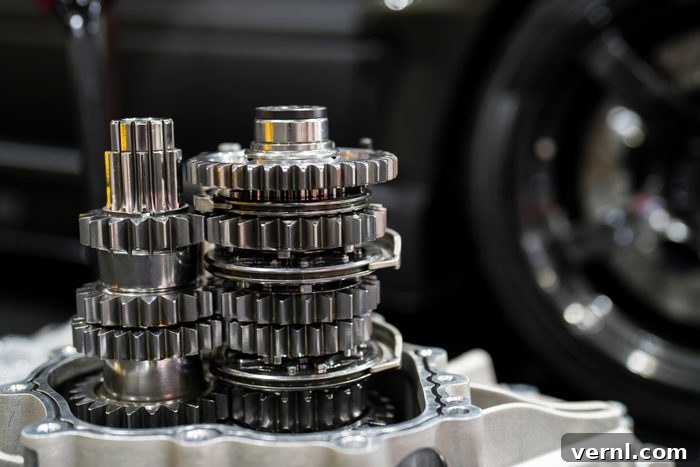
A standard, or “manual,” transmission is a pivotal drivetrain component situated strategically between the engine and the vehicle’s axles. Its primary function is to efficiently capture the rotational power generated by the engine and effectively deliver it to the drive wheels, facilitating vehicle movement. The crucial connection between the engine and the transmission is managed by a clutch assembly. When the driver presses the clutch pedal, this action temporarily disengages the engine from the transmission. This momentary disconnection is vital, as it allows the driver to manipulate the gear shifter, which physically repositions and moves intricate gearsets located within the transmission casing.
As these gearsets are moved, they precisely mesh with, lock onto, and unlock from other sets of gears. This dynamic interplay results in a change in gear ratios, which are carefully selected to match the vehicle’s current speed and the power demands of the driving situation. For instance, a lower gear ratio provides more torque for acceleration, while a higher gear ratio allows for efficient cruising at speed.
According to Bill Kirkpatrick, an ASE and Volkswagen master technician with decades of experience, “Manual transmissions demand a significantly higher level of effort and specialized skill from a driver compared to an automatic transmission. However, in return, they provide unparalleled precision and superior control over the engine’s power output across a diverse range of driving conditions.” This intimate connection between driver input and vehicle response is a core reason for the continued loyalty of manual transmission enthusiasts. It’s a driving experience that requires more active participation, fostering a deeper understanding of the vehicle’s mechanics and performance capabilities.
Manual vs. Automatic Transmissions: A Fundamental Difference in Operation
While both manual and automatic transmissions ultimately serve the same fundamental purpose—translating engine power to the drive wheels through a series of interlocking gearsets—they achieve this critical task through vastly different operational philosophies and mechanical designs. The core distinction lies in the degree of driver involvement and the method of gear selection.
In a standard transmission vehicle, the driver is intrinsically involved in a precise, choreographed sequence of actions involving the shifter, clutch pedal, accelerator, and brake. This active engagement is essential for executing various driving maneuvers, including:
- Starting the car: Requiring careful modulation of the clutch and accelerator to prevent stalling.
- Shifting into gear: Manually selecting the appropriate gear based on speed and power needs.
- Accelerating from a stop: A delicate balance of clutch release and throttle input.
- Changing gears while in motion: Upshifting for speed, downshifting for power or engine braking.
- Downshifting (engine braking): Utilizing the engine’s resistance to slow the vehicle, saving brake wear.
- Slowing down and stopping: Managing gear changes and clutch engagement to a complete halt.
- Parking: Selecting neutral or reverse and engaging the parking brake.
Bill Kirkpatrick emphasizes the intricate nature of this driver interaction: “Each step requires specific combinations of either pressing or releasing the clutch pedal, moving the gear shifter to the correct position, and precise pressing or releasing of the accelerator or brake pedal. It’s a dynamic, continuous process that demands driver attention and skill.”
Automatic transmissions, conversely, operate with a high degree of autonomy, relying on hydraulic pressure and electronic controls for gear changes. These systems utilize specialized automatic transmission fluid (ATF), which is meticulously routed by a complex valve body through an elaborate network of channels and passageways. This pressurized fluid then activates various internal clutch packs that are responsible for locking and unlocking a series of compound planetary gearsets. These gearsets, in turn, facilitate the necessary gear ratio changes to propel the vehicle.
The shifting process in automatic transmissions—both upshifts for acceleration and downshifts for deceleration—is precisely managed by the vehicle’s onboard computer. This computer continuously monitors critical parameters such as engine load, throttle position, vehicle speed, and other environmental factors to determine the optimal moment for a gear change. This stands in stark contrast to standard transmissions, where the driver’s direct actions and decisions solely dictate gear selection and the timing of shifts, offering a more immediate and visceral connection to the vehicle’s performance.
The Decline of Manual Transmissions: Why Automatics Became the Standard
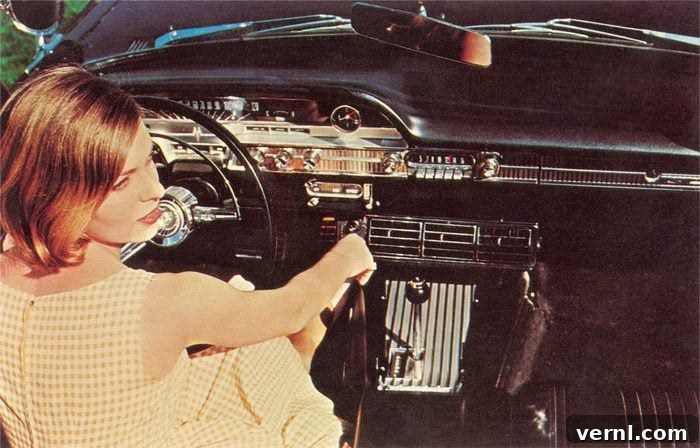
The dramatic shift away from manual transmissions in new car sales is not merely a matter of chance; it’s the result of a confluence of powerful factors spanning consumer demand, technological advancements, and regulatory pressures. The convenience offered by automatic transmissions has profoundly reshaped driver preferences, particularly in an era of increasing traffic congestion and faster-paced lifestyles.
Kye Grisham, Vice President of Procurement and Automotive Technology at Christian Brothers Automotive Corporation, articulates this evolution succinctly: “Consumer preference for sheer convenience, coupled with remarkable advancements in the efficiency of automatic transmission technology, and a concurrent shift in regulatory standards demanding better fuel economy and reduced emissions, have collectively cemented automatics as the prevailing norm. Furthermore, the inherent design of automatic gear engagement allows drivers to maintain both hands firmly on the steering wheel, contributing to a driving experience that is generally perceived as safer, simpler, and ultimately more pleasurable for the vast majority of motorists.”
Melanie Musson, a respected auto industry expert with AutoInsurance.org, further elaborates on the market dynamics at play: “A significant portion of the driving population has simply not acquired the skill or knowledge to operate a manual transmission vehicle. Consequently, the market for standard transmissions is inherently much smaller. In a highly competitive global automotive market where manufacturers consistently strive to appeal to the broadest possible demographic, offering a standard transmission option inevitably narrows their potential customer base, making it a less commercially viable choice for mass-produced vehicles.”
Key Factors Contributing to the Phasing Out of Standard Transmissions:
- Technological Superiority of Modern Automatics: Contemporary automatic transmissions have undergone radical improvements. They are now meticulously engineered to be highly efficient, often surpassing manuals in terms of fuel economy, demonstrating lower tailpipe emissions, and delivering comparable, if not superior, performance characteristics. This negates many traditional arguments in favor of manuals.
- Unrivaled Driver Convenience: The ease of operation offered by automatics is a major draw, especially when navigating dense, stop-and-go urban traffic, where constant clutch engagement and gear changes can become tiresome.
- Manufacturing Cost and Complexity: For automotive manufacturers, designing, engineering, and producing two entirely distinct transmission systems (manual and automatic) for the same vehicle platform, along with adapting engines, interior layouts, and associated car systems for each, represents a significant increase in development and production costs. Streamlining production to primarily automatics offers substantial economic advantages.
- Integration Challenges with Advanced Safety and Comfort Technology: Modern vehicles are packed with sophisticated safety features like adaptive cruise control, lane-keeping assist, and automatic emergency braking, alongside comfort features. Integrating these complex electronic systems seamlessly with a manual transmission presents unique engineering challenges, often making it simpler and more cost-effective to implement them in automatic vehicles.
- The Rise of Electric Vehicles (EVs): The accelerating transition towards Electric Vehicles (EVs) significantly impacts the transmission market. Most EVs utilize a simple one-speed automatic transmission or a direct drive system to transmit the motor’s power directly to the wheels. Even hybrid vehicles predominantly employ continuously variable automatic transmissions (CVTs). This fundamental shift away from multi-speed gearboxes in electric powertrains naturally deters further investment in manual transmission research and development.
- Driver Distraction and Safety Concerns: In an era where distracted driving is a significant safety concern, the act of manually shifting gears, which requires a hand off the steering wheel and attention to the clutch, can be seen as incompatible with modern safety initiatives. It is undeniably difficult, potentially dangerous, and often legally prohibited to manipulate a gear shifter while simultaneously attempting to use a cell phone – a habit drivers are strongly advised to avoid at all times.
Where Do Manual Transmissions Still Exist? A Niche Market
Despite their overall decline, standard transmissions maintain a dedicated niche in the automotive market, catering to specific driving preferences and vehicle applications. Enthusiasts, utility users, and budget-conscious buyers can still find manual options on a select range of modern models.
Prominent examples of contemporary vehicles offering a standard transmission option include iconic performance cars such as the Ford Mustang and the Chevrolet Camaro, along with driver-focused sports cars like the Subaru BRZ and the Mazda MX-5 Miata. These vehicles appeal to individuals who prioritize an engaging, hands-on driving experience and a direct connection to their vehicle’s power and handling characteristics.
Beyond sports cars, certain utility vehicles also continue to offer manual transmissions. Several Jeep models, most notably the rugged Wrangler, provide manual options that resonate with off-road adventurers and those who appreciate the robust control a stick shift offers in challenging terrain. Additionally, some budget-friendly entry-level cars, such as the Mitsubishi Mirage and the Nissan Versa, occasionally feature manual transmission options. These are often offered as a means to provide a lower base price point, appealing to consumers looking for economical transportation.
JulieAnna Petrosky, owner and operator of Southwest Auto in Dallas, Texas, observes this trend: “You are most likely to encounter standard transmissions in vehicles specifically marketed for a particular use case—think dedicated sports car enthusiasts, dedicated off-road explorers who demand maximum control, and commercial trucks requiring heavy-duty, robust power delivery.”
However, the trend among high-end performance and luxury brands is a stark contrast. According to Edmunds.com, even highly revered performance vehicles like the Mercedes-Benz AMG GT Coupe and the Chevrolet Corvette C8 are exclusively sold with automatic gearboxes. The shift is even more pronounced at the pinnacle of automotive engineering, with prestigious marques such as Ferrari and Lamborghini having entirely ceased offering any vehicles equipped with a clutch pedal or manual gearbox, signaling a complete embrace of sophisticated automated systems for performance and convenience.
Frequently Asked Questions About Manual Transmissions
Do standard transmissions last longer than automatic transmissions?
Generally, standard transmissions are often perceived to last longer than their automatic counterparts, a sentiment echoed by Bill Kirkpatrick. He explains, “Standard transmissions are inherently simpler mechanisms. They lack the array of complex parts found in automatics, such as torque converters, intricate hydraulic pumps, and sophisticated valve bodies, all of which are potential points of failure.” This reduced complexity can translate into fewer components that wear out or malfunction. However, Kirkpatrick quickly adds a critical caveat: “Nevertheless, the longevity of any transmission, manual or automatic, is profoundly influenced by the driver’s habits and commitment to proper maintenance.”
Harmful driving habits, such as “riding the clutch” (keeping the clutch pedal partially depressed unnecessarily) or habitually resting one’s hand on the gear shifter while driving, can significantly accelerate wear and tear on crucial manual transmission components like the clutch assembly and synchros. JulieAnna Petrosky further affirms the inherent durability of manuals: “Standard transmissions are widely regarded as very dependable and are generally considered less complex. Fewer moving parts can indeed equate to a longer lifespan.” However, she prudently reminds us that “a properly maintained automatic transmission can readily achieve a lifespan of 200,000 miles or even more,” demonstrating that maintenance is paramount for both types. Therefore, meticulous proper use and diligent, regular maintenance—including timely clutch replacements and consistent checking of transmission fluid (often gear oil or gear lube) during every routine oil change—are absolutely essential to maximize a standard transmission’s operational life.
Are standard transmissions cheaper to repair?
The cost-effectiveness of repairs for standard transmissions versus automatics can vary significantly, as noted by Tom Ham, owner of Auto Centric in Grand Rapids, MI. “The most common and frequently encountered repair for a standard transmission is likely a clutch replacement,” Ham states. While this can sometimes escalate into a four-figure expense depending on the specific make, model, and labor rates, it typically represents a less severe financial burden than major automatic transmission issues.
Ham elaborates on the cost disparity: “Conversely, replacing or completely rebuilding an automatic transmission, or even a specific component like the valve body, would be significantly more expensive than even a high-end clutch replacement, particularly if the automatic transmission fluid and filter have been neglected and not properly maintained.” This highlights a critical point: while a manual’s clutch replacement can be costly, it pales in comparison to the potential expenditures associated with a major failure in a complex automatic system.
In general, standard transmissions tend to be more cost-effective to repair over their lifetime. Their simpler mechanical construction means they are composed of fewer intricate components compared to their automatic counterparts. This often translates into less specialized labor and a lower cost for replacement parts should a repair be necessary, contributing to a more economical ownership experience from a maintenance perspective.
Do standard transmissions need maintenance?
Absolutely, standard transmissions unequivocally require regular maintenance to ensure their optimal performance and longevity, a point strongly emphasized by Bill Kirkpatrick. He outlines several key maintenance tasks: “While many modern cars feature self-adjusting clutch linkage systems, it remains crucial to periodically inspect and verify the ‘free-play.’ This refers to the specific distance the clutch pedal travels before the clutch mechanism actually begins to disengage the engine from the transmission. Proper free-play is vital for smooth operation and preventing premature wear.”
Kirkpatrick further advises: “Additionally, if your vehicle is equipped with a ‘slave cylinder’—which is a hydraulic component functionally similar to a brake master cylinder and typically uses hydraulic fluid, often brake fluid—instead of a traditional mechanical linkage to disengage the clutch, it is imperative to regularly check its fluid level and condition.” Beyond the clutch system, it’s essential to inspect the gear shifter mechanism to ensure it operates smoothly and without excessive play or binding. Drivers should also habitually check for any signs of fluid leaks around the transmission casing and, critically, adhere to the manufacturer’s recommended intervals for changing the transmission fluid (gear oil), which is vital for lubricating the gears and bearings.
- PRO TIP: Not all manual transmission fluids are created equal. Just like motor oil, manual transmission fluid comes in various types, weights, and formulations, often containing specific additives designed for particular gearboxes. It can be conventional or synthetic. Always consult your vehicle’s owner’s manual to determine the precise type and specifications of fluid required to ensure proper lubrication and protection for your specific transmission. Using the wrong fluid can lead to accelerated wear and costly damage.
Automotive Industry Experts
- Bill Kirkpatrick boasts over five decades of invaluable experience within the auto repair industry and vocational education. He is a highly respected ASE and Volkswagen Master Technician and enthusiast, having served as a successful shop owner and dealership service manager. Bill concluded his distinguished career as a Pennsylvania Department of Education (PDE) certified instructor in automotive technology and small engine repair, in addition to being a PA-certified emissions and safety inspection instructor and inspector.
- Kye Grisham has dedicated over 25 years to the auto service and maintenance industry. He currently holds the influential position of Vice President of Procurement and Automotive Technology at Christian Brothers Automotive Corporation, a leading automotive service franchise.
- Melanie Musson is a recognized authority and auto industry expert with AutoInsurance.org. As a published insurance and finance expert, she proudly represents the fourth generation in her family to work within the insurance sector, specializing in auto industry trends, consumer analyses, and automotive finance.
- Tom Ham is a seasoned automotive service specialist whose career in the automotive industry spans more than four decades. Since 1978, he has owned and successfully operated the highly-rated Auto Centric repair shop, serving the Grand Rapids, Michigan community.
- JulieAnna Petrosky possesses over fifteen years of hands-on experience in the automotive repair industry. She is the proud owner and operator of Southwest Auto, a cutting-edge, 15,000 square foot advanced automotive facility located in Dallas, Texas, specializing in the service and repair of European vehicles.
Additional Resources and Further Reading
- Joe Giranda, Director of Sales and Marketing for CFR Classic, specializing in international car shipping and relocation. (Electronic communication).
- Bobby Grammatis is a certified automotive technician and has been the proud owner of MR Automotive in Ontario, Canada, since 2013. (Electronic communication).
- Edmunds: “Manual vs. Automatic Pros and Cons: Which Is Better? Debunking 5 myths about stick shifts” – A comprehensive comparison of the two transmission types.
- Global Market Insights: “Manual Transmission Market Size – By Vehicle, By Transmission, By Propulsion, By Distribution Channel, Analysis, Share, Growth Forecast” – An in-depth market analysis of manual transmission trends.
- Amsoil: Manual Transmission Fluid – Information on the types and importance of proper fluid for manual gearboxes.