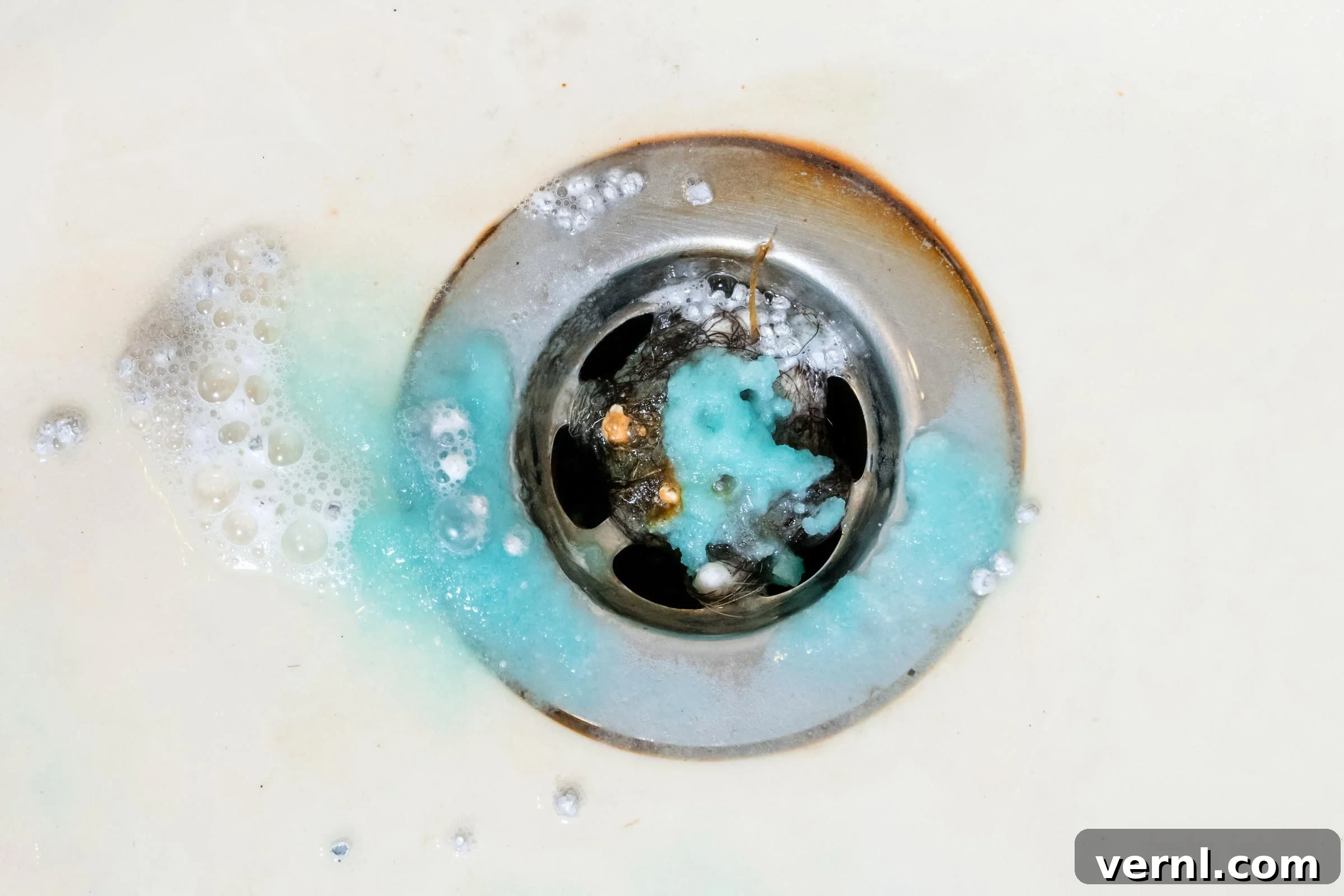
There’s nothing quite like a refreshing shower to kickstart your morning or a warm, soothing rinse to wash away the day’s stress. Whether you prefer a quick five-minute wash or a lingering soak under a luxurious spa shower, the last thing you want to encounter is a foul, unpleasant odor emanating from your shower drain. A strange, persistent smell can quickly turn your sanctuary into a source of frustration, making your bathroom less inviting and even raising concerns about hygiene.
Dealing with a smelly shower drain can be a surprisingly stubborn problem. I once moved into a new home only to be greeted by a pervasive, unwelcome odor from the shower. What I initially thought would be a simple cleaning job turned into a minor plumbing excavation, as the previous owner had inexplicably grouted the drain cover into the tile. Chipping away at solidified grout while trying to avoid the unpleasant runoff was certainly an experience – a testament to how challenging, and sometimes gross, drain issues can be!
Fortunately, tackling most smelly shower drains doesn’t require such drastic measures. Joe Hammer, a seasoned expert and owner of the Phoenix-area SAK Electric & Plumbing, Inc., assures us that cleaning your shower drain – assuming you can access the cover – is often a straightforward task. In many cases, the solutions you need are likely already in your kitchen pantry. In this comprehensive guide, Hammer will demystify the common culprits behind those pervasive shower drain smells, provide clear, actionable steps on how to effectively clean a smelly drain, and share invaluable insights on how to proactively prevent future odors from taking hold. His professional expertise and practical advice are your best tools for maintaining a fresh and odor-free bathroom.
Soap Scum: A Breeding Ground for Odors
One of the most frequent offenders when it comes to a smelly shower drain is soap scum. This unsightly residue forms when the fatty acids and other molecules present in your soaps, shampoos, and conditioners react with the mineral ions, primarily calcium and magnesium, found in hard water. This chemical reaction creates a precipitate – that white, filmy, waxy substance that clings stubbornly to shower walls, fixtures, and, critically, the interior of your drain pipes.
According to Joe Hammer, this seemingly innocuous film, combined with the inherently dark, warm, and damp conditions prevalent within your drain system, creates an idyllic and highly fertile environment for various types of bacteria and mold to thrive and multiply. As these microorganisms feed on the organic matter trapped within the soap scum and other residues, they release metabolic byproducts – often in the form of microbial volatile organic compounds (mVOCs) – which are the source of those unmistakable, unpleasant odors you smell. Without regular attention, this buildup can accumulate significantly, exacerbating the problem and potentially leading to slow drainage or even clogs. Consistent and routine cleaning is paramount to minimizing this accumulation and preventing it from becoming a persistent source of bad smells.
Effective Strategies for Eliminating Soap Scum and Odors
Hammer advises a two-pronged approach to tackle soap scum and the odors it creates:
- Physical Cleaning of the Drain Opening: “At least once a month, make it a point to remove the drain cover,” Hammer recommends. Once the cover is off, use a sturdy brush – an old toothbrush works perfectly for this – hot water, and a good all-purpose cleaner to thoroughly scrub around the drain opening and the underside of the cover. This mechanical action helps dislodge visible scum, hair, and other debris that act as food for odor-causing microbes. Be diligent in reaching all crevices to ensure comprehensive cleaning.
- Internal Pipe Flush with Natural Cleaners: After cleaning the drain opening, it’s time to address the pipes below. Pour one cup of baking soda directly down the drain. Follow this with one cup of distilled white vinegar. You’ll observe a fizzing reaction, which is a natural, non-toxic chemical process that helps break down organic matter, grease, and mild scum within the pipes. Allow this powerful concoction to sit and work its magic for at least 10 minutes, or even longer if the smell is particularly stubborn. Finally, flush the drain thoroughly with plenty of hot water to rinse away the loosened debris and cleaning agents. This method is effective, environmentally friendly, and safe for most plumbing systems.
Long-Term Prevention with Enzyme Sticks
Beyond regular manual cleaning, Hammer strongly advocates for a proactive preventative measure: the use of active bacteria sticks, also commonly known as enzyme sticks or simply drain sticks. These innovative products are designed to provide continuous, long-term odor control and buildup prevention. You can easily find these at most hardware stores, home improvement centers, or online retailers specializing in plumbing supplies.
The concept behind drain sticks is elegantly simple yet highly effective: you merely place one stick into your drain. These sticks slowly dissolve, releasing beneficial bacteria and powerful enzymes into your pipes. These “good” microorganisms and their enzymatic partners actively break down and consume organic matter such as soap scum, hair, grease, and food particles that would otherwise accumulate and lead to clogs and foul odors. By continually eating away at these residues, enzyme sticks help maintain clear pipes and significantly reduce the likelihood of future smells. They offer a hands-off, continuous maintenance solution that complements your monthly cleaning routine, keeping your drain fresh and functional without harsh chemicals.
Dry P-trap: The Missing Water Seal
Have you ever walked into your bathroom and been hit with an unmistakable, pungent odor akin to sewage? If so, the culprit might not be a dirty drain pipe, but rather a dry P-trap. Understanding the function of the P-trap is crucial to comprehending this common plumbing issue.
P-traps are ingeniously designed sections of plumbing pipe, aptly named for their distinctive “P” shape, located directly beneath your sink, shower, or bathtub drain. Their primary purpose is elegantly simple: to hold a small, standing amount of water every time the fixture is used. This water creates a vital physical barrier, or “water seal,” that prevents noxious sewer gases from migrating up the drain pipe and into the interior of your home. It’s an essential line of defense against unpleasant and potentially harmful fumes. (It’s worth noting that toilets have their own integral P-traps built into their ceramic structure, serving the exact same protective function).
Joe Hammer explains that if your shower’s P-trap dries out, this critical water seal is compromised. Without the water barrier, the sewer gases – which are a byproduct of decomposing waste in the municipal sewer system or your septic tank – are free to travel unimpeded up the drain pipe and diffuse into your bathroom, creating that unmistakable sewage smell. Guest bathrooms, often used infrequently, are particularly susceptible to dry P-traps because the water in the trap can evaporate over extended periods of disuse.
Preventing a Dry P-trap
The solution to a dry P-trap is refreshingly simple: run water through the fixture periodically. For showers or sinks in little-used bathrooms, Hammer advises running the shower or faucet for a minute or two at least once every few weeks. This simple action refills the P-trap, re-establishing the protective water seal and blocking the entry of sewer gases. In addition to this, continue with the regular cleaning methods for soap scum outlined above, which will ensure that even when the P-trap is full, the drain itself remains clean and fresh-smelling. This combination of refilling the P-trap and maintaining drain cleanliness ensures your bathroom stays free of both sewer odors and microbial smells.
Mold: The Musty Culprit
If the smell wafting from your shower drain is distinctly musty, earthy, or damp, then you’re likely dealing with a mold infestation. Mold, a type of fungus, thrives in specific conditions, and your shower drain provides an almost perfect habitat. These conditions include darkness, constant moisture, and a reliable food source – all of which are abundantly present in a typical shower drain. The concoction of soap scum, shed hair, dead skin cells, and residual shampoo and conditioner that accumulates within the drain pipes presents a veritable feast for various species of mold. As mold colonies grow and metabolize this organic matter, they release those characteristic musty odors, signaling their unwelcome presence.
Beyond the unpleasant smell, mold can also contribute to plumbing issues by forming thick, slimy biofilms that impede water flow and trap further debris, potentially leading to clogs. While some molds are relatively benign, others can release spores and mycotoxins that may trigger allergic reactions or respiratory issues in sensitive individuals, making their elimination from your drain not just a matter of odor control but also indoor air quality.
Eradicating Mold from Your Drain
To effectively kill and remove mold from your shower drain, Joe Hammer recommends a potent yet simple solution:
- Prepare the Bleach Solution: Carefully mix one-half cup of standard household bleach with two cups of hot water in a well-ventilated area. Always wear protective gloves and avoid splashing.
- Pour and Wait: Slowly pour the entire bleach solution down the drain. The bleach acts as a powerful disinfectant and fungicide, targeting the mold colonies directly.
- Allow to Sit: Let the solution sit in the drain for at least one hour. This gives the bleach ample time to penetrate and kill the mold.
- Rinse Thoroughly: After an hour, flush the drain well with plenty of hot water to rinse away the dead mold and any remaining bleach solution.
Crucial Precaution: It is absolutely imperative to never, under any circumstances, mix bleach with vinegar, ammonia, or any other cleaning chemicals. Combining bleach with other substances can lead to the production of highly toxic gases, such as chlorine gas, which can cause severe respiratory damage or even be fatal. Always ensure good ventilation when working with bleach. If you prefer to avoid bleach, alternatives like hydrogen peroxide (poured straight, allowed to sit, then flushed) or a strong solution of borax can also be effective, though perhaps slower-acting than bleach for severe mold issues.
Preventative measures against mold include ensuring good ventilation in your bathroom (using an exhaust fan during and after showers), regularly cleaning the visible parts of the drain, and addressing soap scum and hair buildup, which serve as mold’s primary food source.
Bacteria: Biofilm and Bodily Byproducts
Beyond mold, various species of bacteria are also significant contributors to foul shower drain odors. These microscopic organisms thrive on the same rich buffet that mold enjoys: soap scum, shed hair, dead skin cells, shampoo residue, conditioner, and even body oils. This mixture creates a nutrient-dense environment perfect for bacterial proliferation.
While “good bacteria,” such as those found in the enzyme-based drain sticks recommended earlier, are beneficial because they actively consume and break down organic sludge, other types of bacteria are responsible for the unpleasant smells. These “bad” bacteria form slimy layers known as biofilm on the interior surfaces of your drain pipes. As they multiply and digest the accumulated gunk, they release microbial volatile organic compounds (mVOCs) into the air. These mVOCs are the distinct, often sickeningly sweet, pungent, or rotten egg-like odors that signify a bacterial party in your pipes. The more gunk, the more bacteria, and consequently, the stronger the smell.
Comprehensive Bacterial Odor Elimination
To effectively eliminate these odorous bacterial compounds and prevent their recurrence, a multi-faceted approach combining mechanical cleaning, chemical reaction, and biological maintenance is essential:
- Monthly Mechanical Scrubbing: Begin by physically scrubbing the drain opening. As Hammer advised, remove the drain cover and use an old toothbrush along with an all-purpose cleaner and hot water. This step is critical for dislodging the initial layers of biofilm, hair, and soap scum that cling to the visible parts of the drain and the cover.
- Baking Soda and Vinegar Treatment: Following the scrubbing, administer the powerful baking soda and vinegar treatment. Pour one cup of baking soda down the drain, followed by one cup of distilled white vinegar. Allow this effervescent mixture to work for at least 10-15 minutes. The reaction helps to loosen and break down remaining organic matter and biofilm deep within the pipes. Flush thoroughly with hot water afterward.
- Introduce a Drain Stick: To maintain the cleanliness and prevent future bacterial buildup, conclude the monthly routine by placing an enzyme-based drain stick into the drain. These sticks continuously release beneficial bacteria and enzymes that will systematically eat away at new accumulations of soap, hair, and other organic materials, thus inhibiting the formation of odor-producing biofilm.
This consistent, monthly combination of scrubbing, natural chemical treatment, and enzymatic action is highly effective at reducing biofilm buildup and preventing the accumulation of shower gunk – like soap and hair – from becoming a persistent problem. Regular maintenance is your best defense against recurring bacterial odors.
Pro Tip: Steer Clear of Chemical Drain Cleaners
Pro Tip: Joe Hammer issues a strong warning against the use of harsh chemical drain cleaners such as Drano, Liquid Plumber, or similar products, regardless of whether you’re dealing with smells, clogs, or any other drain issue. While they might promise quick fixes, the highly corrosive ingredients in these products can cause significant, long-term damage to your plumbing pipes, especially older PVC or metal pipes. These caustic chemicals can weaken pipe walls, degrade seals, and even lead to leaks, necessitating much more expensive repairs down the line. Moreover, these ingredients are extremely caustic and dangerous to your skin and eyes upon contact, posing a serious safety risk during application. They can also release toxic fumes, impacting indoor air quality. From a practical standpoint, they’re often expensive, and their effectiveness is frequently temporary, failing to address the root cause of the problem. Opting for safer, more natural, and preventative methods is always the smarter choice for both your plumbing and your health.
When to Call a Professional Plumber
While many smelly drain issues can be resolved with DIY methods, there are instances where professional intervention is necessary. If you encounter a large, persistent clog that you cannot dislodge yourself with a drain snake or the baking soda/vinegar method, or if your attempts to remedy a smelly drain prove unsuccessful despite consistent effort, it’s time to call a professional plumber. A persistent, unexplained odor, particularly if it smells like raw sewage even after addressing the P-trap, could indicate a more significant underlying issue within your plumbing system, such as a damaged vent pipe, a compromised sewer line, or a more serious blockage requiring specialized tools and expertise. A professional plumber can accurately diagnose the problem and implement the appropriate, lasting solution, safeguarding your home’s plumbing integrity and ensuring your bathroom remains a fresh and functional space.