
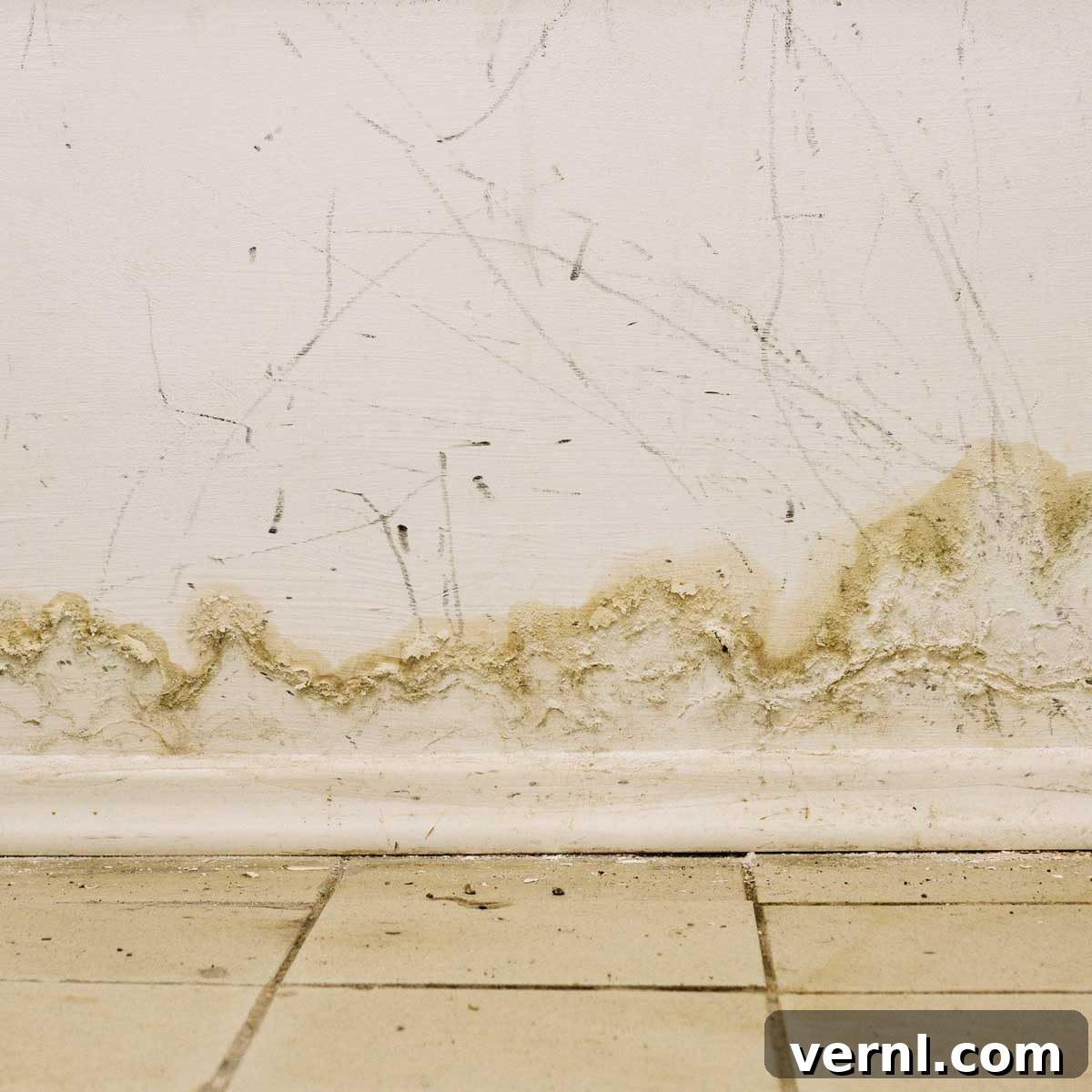
Mold growth is an insidious problem that many homeowners face, and basements are notorious hotspots for this unwelcome guest. The primary culprit? Excessive moisture. A basement’s inherent characteristics — its subterranean nature, cooler temperatures, and often inadequate ventilation — create an ideal environment for moisture accumulation, making it a prime breeding ground for mold spores to thrive. Addressing this moisture issue proactively is not just about maintaining a healthy home; it’s about safeguarding your property’s structural integrity and potentially saving thousands in costly remediation.
Experts consistently point to a combination of factors leading to high humidity levels in basements. According to Andrew James, a seasoned mold remediation specialist with Indianapolis Restoration Pros, external moisture infiltrating through foundation cracks and internal sources like leaky pipes or poor ventilation contribute significantly. “When you combine these factors with the basement’s natural susceptibility to hidden water leaks from faulty plumbing, you’re looking at a perfect storm for mold proliferation,” James explains. This pervasive dampness creates an environment where mold can not only take root but spread rapidly, often before it’s even visible.
To help homeowners tackle this pervasive issue, we’ve consulted with a range of industry professionals. Their collective wisdom offers a comprehensive guide to proactive mold prevention strategies. By implementing these key steps, you can effectively mitigate the risk of mold growth in your basement, preserving your home’s air quality and potentially avoiding substantial future mold remediation expenses.
Repair Leaks and Cracks Promptly
One of the most immediate and impactful steps you can take to prevent basement mold is to eliminate any sources of water intrusion. This includes thoroughly inspecting your basement walls for visible cracks, even hairline ones, as these can be direct pathways for external moisture to seep in. Promptly addressing these structural vulnerabilities is crucial. Miguel Martinez, a masonry contractor based in Milwaukee, Wisconsin, emphasizes the importance of using appropriate sealants. “For minor cracks in basement walls, epoxy and hydraulic cement are popular and effective sealant options,” Martinez advises, noting their ability to create a watertight barrier that resists further moisture penetration.
Addressing Plumbing Leaks
While wall integrity is vital, it’s not the only concern when it comes to water intrusion. Ryan Thompson, a residential plumber and founder of PlumberInformer in Florida, highlights the pervasive issue of leaky pipes. “Leaky pipes are incredibly common and often stem from improper installation or the natural expansion and contraction of materials over time, leading to loose connections,” Thompson states. He cautions that these leaks can be particularly insidious, often going unnoticed until significant water damage—and consequently, mold—has already occurred. The quiet drip behind a wall or under a floor joist can rapidly saturate building materials, creating a hidden haven for mold spores.
Fortunately, vigilant inspection and proactive maintenance can prevent many of these plumbing catastrophes. Regularly examining exposed pipes for any signs of moisture, rust, or even slight drips can make a significant difference. Pay particular attention to joints, valves, and connections. If you discover a loose connection or a minor drip, a simple solution often involves applying plumber’s tape (also known as PTFE tape) to the pipe threads and then coating it with pipe joint compound before tightening the connection. This combination creates a robust seal, preventing water from escaping and thus eliminating a potential mold-feeding moisture source. Regular professional plumbing checks can also identify potential weaknesses before they escalate into major problems, offering peace of mind and long-term protection against water damage and mold.
Implement Exterior Waterproofing Strategies
Protecting your basement from mold often begins with actions taken outside your home. Andrew James emphasizes that exterior waterproofing tactics are incredibly effective in diverting water away from your foundation, thereby preventing internal moisture issues. “Comprehensive exterior strategies such as installing French drain systems, carefully planned landscaping with moisture-absorbing shrubbery, maintaining clean gutters, and ensuring proper land grading can collectively work wonders,” James explains. These measures all serve the critical purpose of channeling rainwater and melting snow away from your foundation, which directly translates to reduced leakage and significantly lower humidity levels inside your basement.
Maintain Gutters and Downspouts
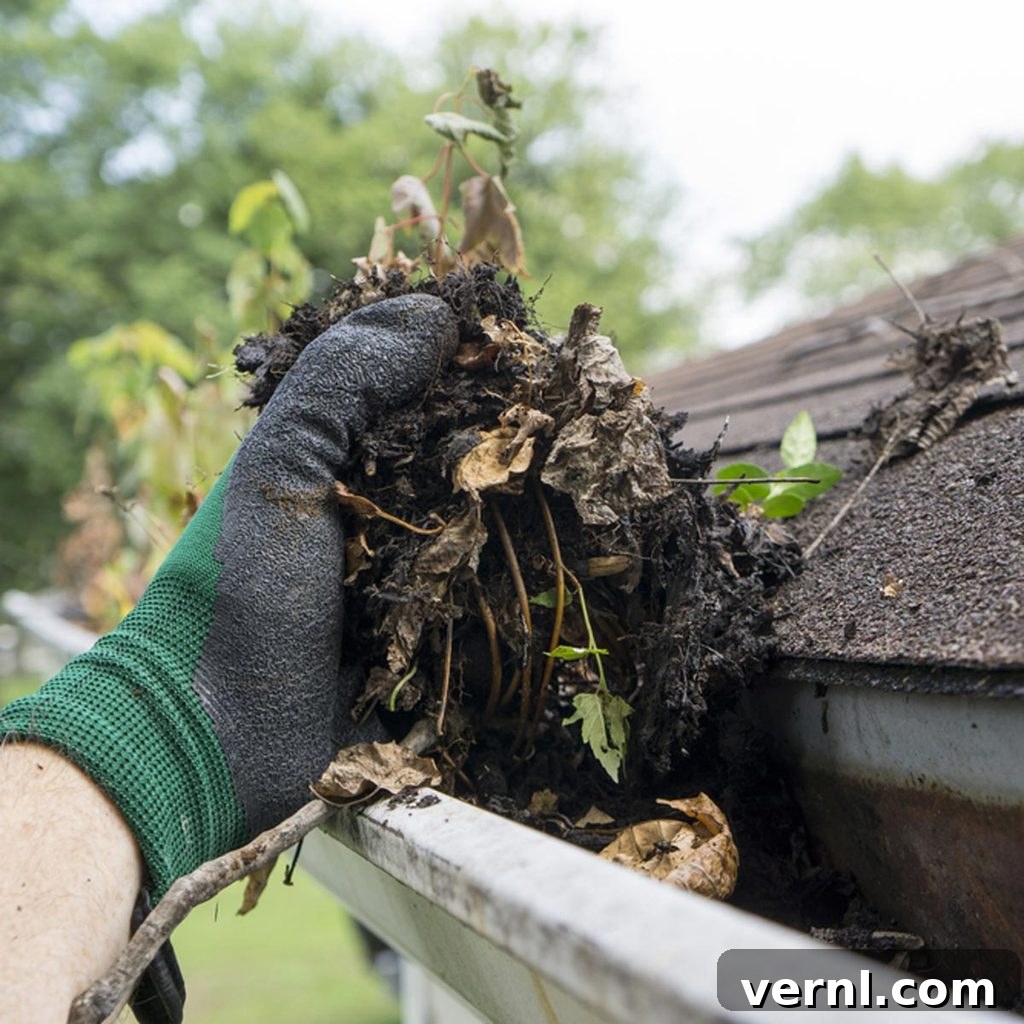
The importance of clean and functional gutters cannot be overstated. James strongly recommends regularly clearing your gutters of leaves, twigs, and other debris to prevent clogging. Blocked gutters can lead to water overflowing directly against your home’s foundation, creating localized saturation that can easily seep into your basement. This overflow not only contributes to moisture issues but can also erode the soil around your foundation over time, exacerbating leakage problems. Ensuring that your downspouts extend several feet away from the foundation and discharge water into an appropriate drainage system is equally vital. Consider installing downspout extensions or splash blocks to achieve this.
Ensure Proper Land Grading
Land grading is another critical exterior defense. “Improper land grading is a common cause of basement leaks because it directs water toward your foundation instead of away from it,” James points out. In an ideal grading system, the ground should gently slope away from your home’s foundation for at least ten feet, dropping approximately one inch per foot. This gradient ensures that rainwater and snowmelt naturally flow away from the structure, preventing water from pooling against the foundation walls. If your current grading is inadequate, even a slight regrading effort can make a substantial difference in preventing water accumulation and subsequent basement leaks, offering a foundational layer of protection against mold.
Utilize a Dehumidifier for Optimal Moisture Control
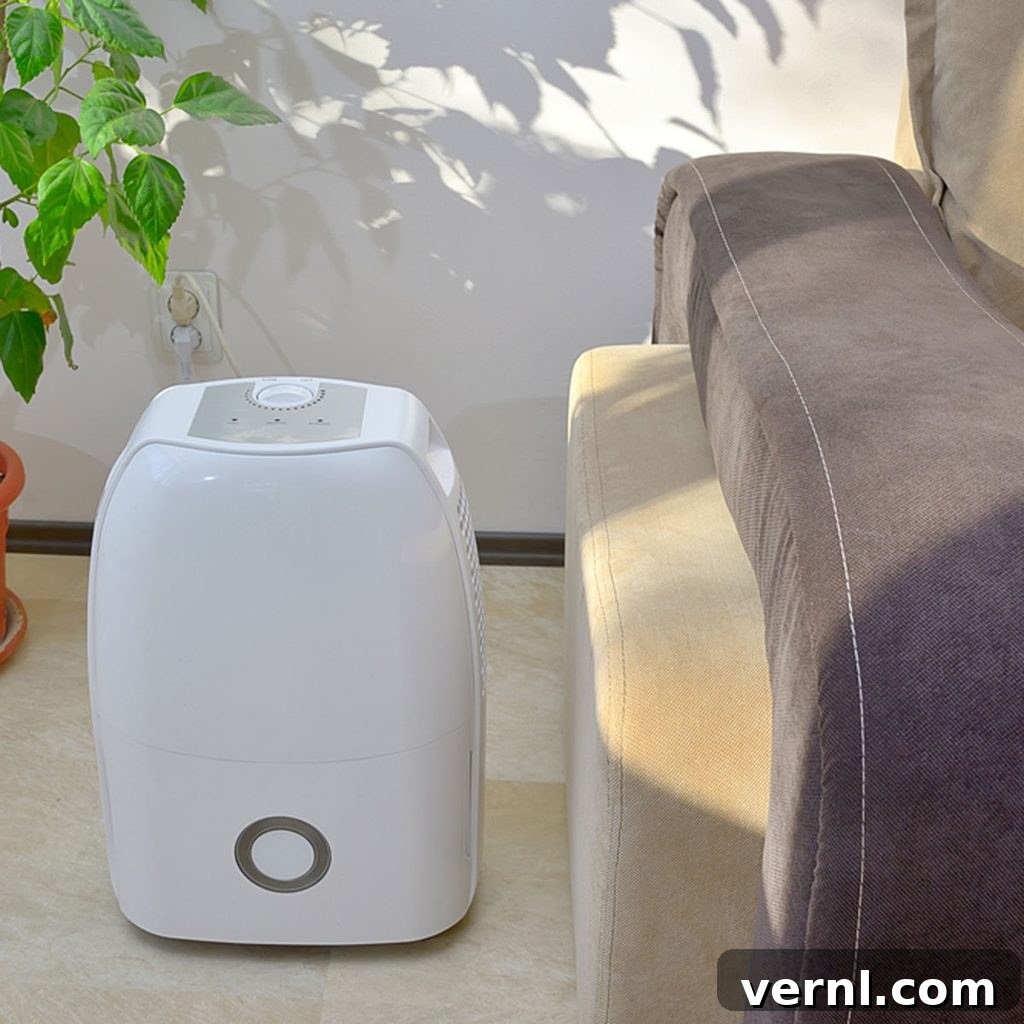
One of the most direct and effective methods for combating basement mold is the strategic use of a dehumidifier. Shaun Ortiz, another mold remediation specialist, strongly advocates for running a dehumidifier in your basement to actively reduce ambient humidity levels and inhibit mold growth. Mold thrives in environments with relative humidity above 60%, so keeping your basement’s humidity below this threshold, ideally between 30% and 50%, is paramount for prevention.
Choosing and Maintaining Your Dehumidifier
To ensure your dehumidifier operates effectively, selecting a unit with adequate capacity is crucial. This involves knowing your basement’s approximate square footage and assessing its typical moisture level. Basements, especially larger or particularly damp ones, may even require more than one dehumidifier to maintain optimal humidity across the entire space. Modern dehumidifiers often come with humidistats, allowing you to set a target humidity level, and some feature continuous drainage options, eliminating the need for manual emptying. “By actively keeping moisture concentrations low, dehumidifiers effectively stunt mold growth, as mold spores have significantly less moisture to feed on,” Ortiz explains. Regular cleaning of the dehumidifier’s filter and emptying its water reservoir (if not continuously drained) are also essential for maintaining its efficiency and extending its lifespan.
Insulate Your Water Pipes Effectively
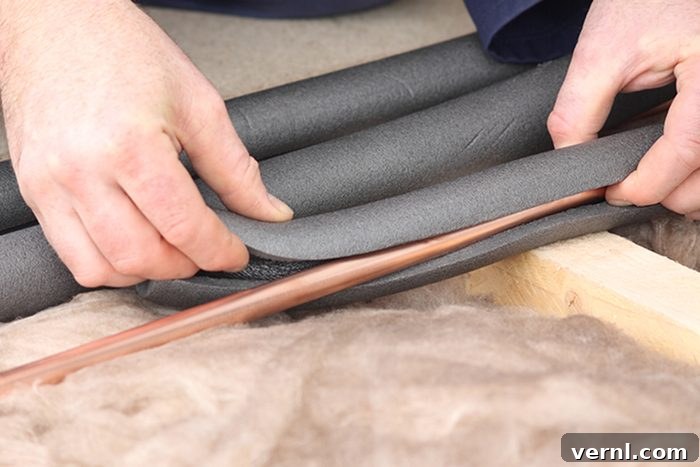
Insulating exposed water pipes in your basement is another highly recommended strategy for mitigating humidity and reducing the conditions conducive to mold growth. Shaun Ortiz emphasizes that this simple yet effective measure prevents condensation from forming on cold pipe surfaces, which is a common source of excess moisture in basements. When warm, humid air comes into contact with cold pipes, water droplets form, creating a constant, albeit subtle, source of dampness that mold spores readily exploit.
Beyond Condensation Control
Plumber Ryan Thompson further reinforces the importance of pipe insulation, particularly during colder months. He notes its critical role in preventing pipes from freezing and potentially bursting, an incident that can cause catastrophic water damage. “The widespread water damage resulting from a burst pipe can rapidly lead to extensive mold growth if not addressed immediately and thoroughly,” Thompson warns. Such an event requires swift cleanup and professional drying to prevent long-term issues. To maximize the effectiveness of insulation, Thompson advises meticulously cleaning the pipe surfaces and allowing them to dry completely before applying any insulating material. This ensures the insulation adheres properly and remains securely in place, providing consistent protection against both condensation and freezing.

Minimize Mold-Feeding Items in Your Basement
Understanding what mold feeds on is key to preventing its growth. Andrew James highlights two common household items that should be reconsidered for basement storage: plants and wood. “Plants, while aesthetically pleasing, naturally release moisture through transpiration and can also harbor mold spores,” James explains. Their inherent moisture combined with the basement’s typically damp environment creates an unfortunate synergy, effectively providing both water and organic matter for mold to consume. Resisting the urge to decorate your basement with houseplants can significantly reduce a potential food source for mold.
Managing Wood in the Basement
Wood presents a more complex challenge, as it’s often an integral part of basement construction, from framing to subflooring and decorative paneling. However, wood is highly susceptible to mold growth when exposed to moisture. If your basement incorporates wood elements, proactive measures are crucial. Regularly cleaning wood trim, paneling, and flooring helps remove any surface mold spores or dust that could become a food source. For homeowners with a basement fireplace, James strongly advises against storing firewood indoors. “Firewood is not only a significant fire hazard but also a prime attractant for termites and a prolific source of mold spores,” he states. Instead, he recommends storing firewood outdoors, elevated on concrete or a similar non-absorbent surface, at least a couple of feet away from your home’s foundation. This practice denies mold access to a readily available food source and reduces the risk of pests entering your home.
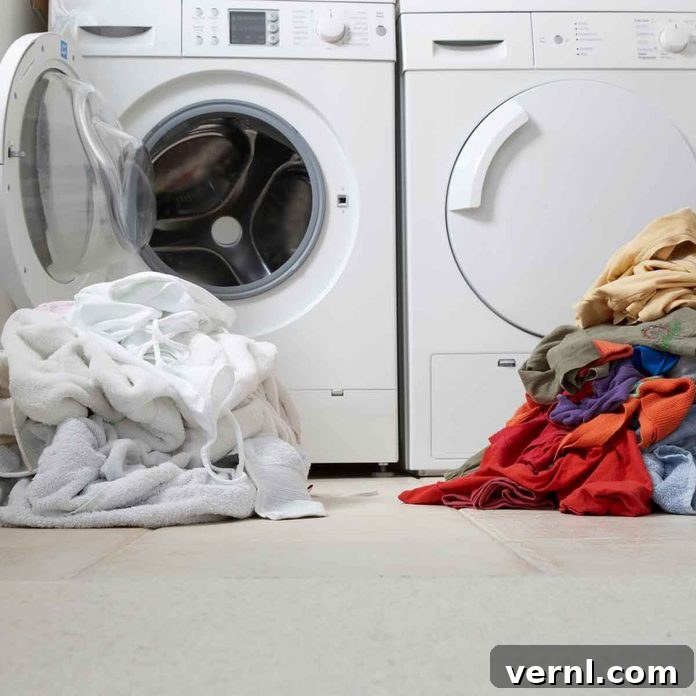
Practice Responsible Laundry Habits in the Basement
If your laundry facilities are located in the basement, it’s important to acknowledge the inherent moisture that laundry activities release into the air. Shaun Ortiz suggests implementing specific solutions to mitigate these effects. The washing machine and especially the dryer, if not properly vented, can introduce substantial humidity. One primary recommendation is the consistent use of a dehumidifier in the laundry area to capture and remove this excess moisture. For more permanent solutions, Ortiz suggests installing additional venting or a dedicated exhaust fan that connects directly to your basement’s exterior. This ensures that humid air from laundry is expelled outside, rather than recirculating within your basement.
Recognizing the Signs and Considering Alternatives
A persistent musty smell in your basement is often a tell-tale sign of inadequate ventilation and potential mold growth, particularly exacerbated by laundry activities. This odor indicates that moisture is lingering and creating a hospitable environment for microbial life. If space and plumbing allow, considering the relocation of your washer and dryer out of the basement altogether can be a highly effective long-term solution. Any measure you can take to reduce the overall excessive moisture levels in your basement will significantly contribute to your fight against mold growth. Proactively managing moisture from laundry is a critical component of maintaining a dry, healthy, and mold-free basement, preventing a problem that is far easier to avoid than to remediate.