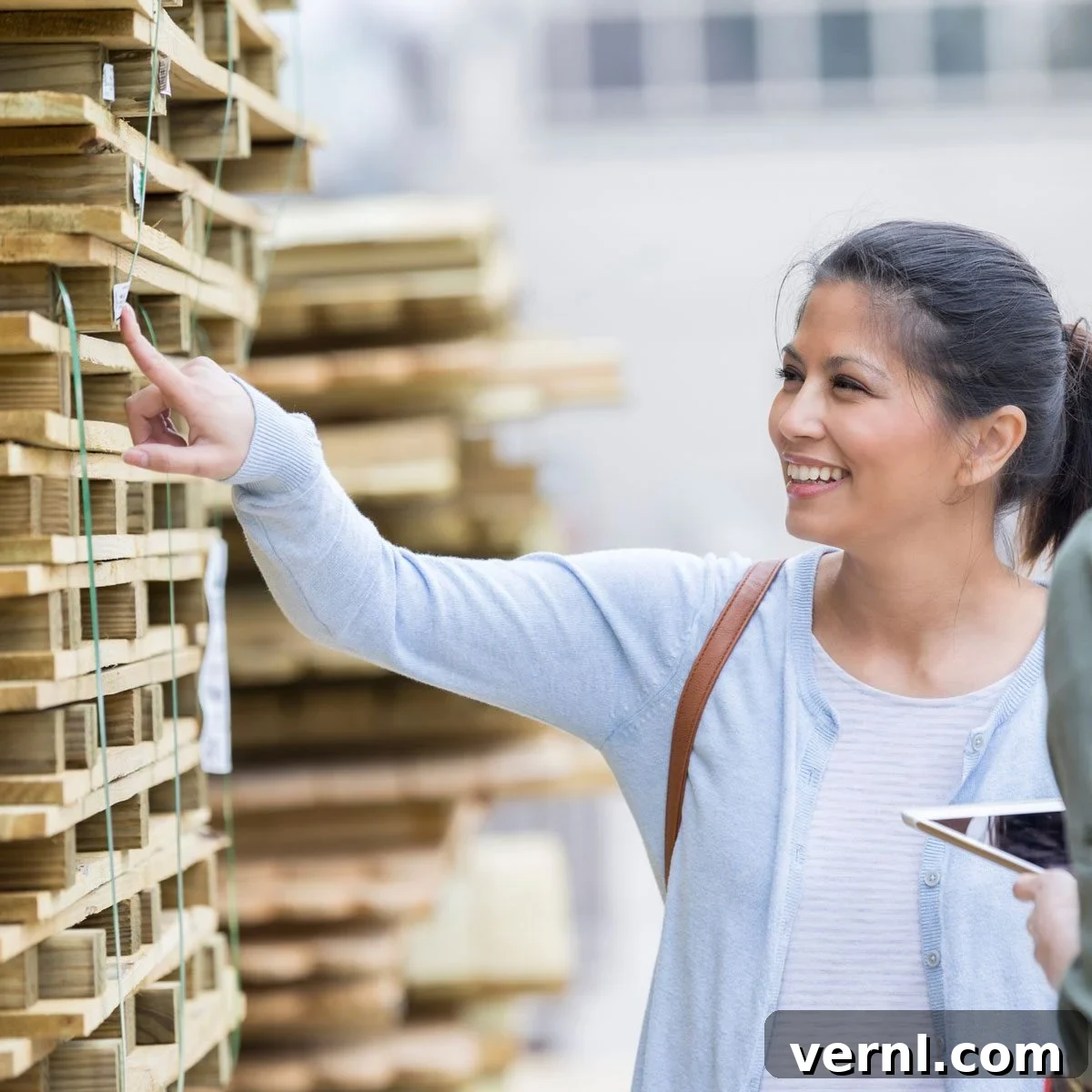
Embarking on a new home construction or renovation project is an exciting journey, offering the chance to create spaces perfectly tailored to your vision and needs. A 2020 study by the National Association of Home Builders (NAHB) highlighted the primary influence builders and contractors hold over the selection of core construction materials like windows, doors, siding, lumber, and plywood in planned developments. However, for those fortunate enough to be custom-building a dream home, designing a unique vacation getaway, or undertaking a significant remodeling project, the landscape of material selection shifts dramatically. In these scenarios, homeowners often play a much more prominent, if not decisive, role in choosing the very components that will define their living spaces. For dedicated DIY enthusiasts tackling a build or renovation, the responsibility of ensuring materials align with location, climate, budget, and aesthetic goals falls entirely on their shoulders.
The choices made regarding building materials are foundational, impacting not only the initial cost and construction timeline but also the long-term durability, maintenance requirements, energy efficiency, and overall aesthetic appeal of your property. With countless options available, from traditional to innovative, navigating this selection process can feel overwhelming. To help simplify this critical stage and ensure you make informed decisions that will stand the test of time and meet your specific needs, here are seven essential questions to consider when choosing building materials for your next project.
How Much Does It Cost? Balancing Budget with Long-Term Value
Unless your building budget is truly limitless, cost will inevitably be a primary driver in your material selection process. However, focusing solely on the lowest price can be a costly mistake in the long run. The initial purchase price of a material is just one piece of the financial puzzle; you must also factor in installation costs, potential maintenance expenses over its lifespan, and its impact on your home’s energy efficiency. For instance, natural stone siding is renowned as one of the most expensive residential exterior home building materials due to the cost of the stone itself and its specialized installation. Yet, its unparalleled durability means it can last well over 100 years with minimal maintenance, potentially offering significant long-term value compared to cheaper alternatives that require frequent repairs or replacement.
Consider the total cost of ownership rather than just the upfront expense. A more expensive, high-quality material might reduce future repair or replacement costs, improve insulation, or enhance the resale value of your home. Conversely, an inexpensive material might save money initially but could lead to higher utility bills, more frequent maintenance, or a shorter lifespan, ultimately costing more over time. Research various options for each component of your build, from roofing materials (asphalt shingles vs. metal vs. slate) to flooring (laminate vs. hardwood vs. tile), and understand the trade-offs between their initial price, installation complexity, expected lifespan, and ongoing maintenance requirements. Striking the right balance between affordability and lasting quality is key to a financially sound and satisfying building project.
Is It Right for Your Region? Adapting to Climate and Environment
A material’s aesthetic appeal is important, but its suitability for your specific climate and geographical region is paramount. What works beautifully in one area can quickly deteriorate in another. For example, while traditional wood siding offers an authentic and natural charm, installing it on a house in South Florida, with its long, humid rainy seasons and prevalence of termites, could lead to significant damage from rot and pest infestations. Similarly, materials chosen for extreme cold climates, such as those that might crack in sub-zero temperatures, would be inappropriate.
Before committing to any material, thoroughly research its resilience against the unique environmental challenges of your location. Consider factors such as:
- Temperature Extremes: Can the material withstand intense heat, prolonged freezing temperatures, and frequent freeze-thaw cycles without degradation?
- Moisture and Humidity: Is it resistant to water penetration, mold, mildew, and rot in humid climates or areas prone to heavy rainfall?
- Sun Exposure: Will prolonged UV exposure cause fading, cracking, or warping?
- Wind and Storms: Is it robust enough to endure high winds, hurricanes, or severe thunderstorms, particularly for exterior cladding and roofing?
- Pests: Is it naturally resistant to local pests like termites, carpenter ants, or rodents, or can it be treated effectively?
- Seismic Activity: In earthquake-prone zones, are the materials flexible and strong enough to withstand ground movement?
- Coastal Environments: For homes near the ocean, can materials resist corrosion from salt spray and humidity?
Choosing materials specifically engineered or historically proven for your region will significantly enhance your home’s durability, reduce maintenance, and ensure comfortable living conditions year-round.
Is It Readily Available? Navigating Supply Chains and Lead Times
That stunning hand-painted tile you discovered on a trip to Portugal might be perfect for your new kitchen, but how long are you willing to wait for it? The allure of unique or exotic materials can be strong, but their rarity or origin often translates into longer lead times and potential logistical hurdles. In today’s interconnected world, supply chain disruptions can further complicate matters, making even common materials temporarily scarce. Every building project operates on a timeline, and significant delays in material delivery can derail schedules, increase labor costs, and cause considerable frustration.
When selecting materials, always inquire about their availability and estimated delivery times. For specialty, imported, or custom-fabricated items, lead times can extend from several weeks to several months. This requires careful planning and ordering far in advance of when they will be needed on site. Consider the implications of delays: will your project grind to a halt? Will you incur additional costs for workers waiting on materials or for equipment rental extensions? Opting for readily available, locally sourced materials can often mitigate these risks, ensuring a smoother construction process and helping you stay on schedule and within budget. Always have a contingency plan or a list of acceptable alternative materials should your first choice prove unavailable within your project’s timeframe.
Can It Be Delivered? Assessing Site Access and Logistics
You’ve envisioned building a sustainable, modular home nestled deep within your wooded lot, a perfect green oasis. But have you considered whether the components of that modular home can actually reach their destination without requiring you to clear a significant portion of your trees? The practicality of material delivery is a crucial, yet often overlooked, aspect of the planning phase. Large, heavy, or oversized materials like pre-fabricated wall panels, structural steel beams, or even bulk loads of gravel require specific types of transportation and ample access to your building site.
Before finalizing your material selections, conduct a thorough assessment of your site’s accessibility:
- Driveway Width and Condition: Can large delivery trucks or heavy machinery safely navigate your driveway? Is it paved, gravel, or dirt, and can it support heavy loads without damage?
- Overhead Obstructions: Are there low-hanging utility lines, tree branches, or other overhead impediments that could obstruct tall loads or crane operations?
- Access Road Grade and Size: If your property is in a remote or hilly location, are the access roads wide enough and graded appropriately for large vehicles?
- Turning Radius: Is there sufficient space for trucks to turn around or maneuver on your property?
- Staging Area: Do you have a clear, level area on-site where materials can be safely unloaded, stored, and protected from the elements and potential theft?
Planning for delivery logistics early on can prevent costly delays, extra labor for manual material handling, or even the need to alter your building plans. Sometimes, a beautiful but hard-to-deliver material simply isn’t worth the trouble and expense it might entail.
Is It Sustainable? Building for a Greener Future
In an era of increasing environmental consciousness, many homeowners prioritize building a home with a reduced carbon footprint. Fortunately, the market now offers a wide array of sustainable building materials and practices. These can range from using insulation made from sheep’s wool or recycled denim to incorporating salvaged building materials such as reclaimed wood flooring, or utilizing innovative products like mass timber and recycled roofing shingles made from waste materials.
If building with sustainable materials is a core priority, ensure your choices are not only eco-friendly in production but also appropriate for your specific climate and setting. For instance, solar panels are excellent for generating clean energy, but their effectiveness can be significantly reduced in regions with prolonged cloudy seasons or heavy snowfall, like a long Midwestern winter. In such cases, a combination of energy-efficient design, superior insulation, and potentially other renewable energy sources might be more effective.
Beyond the material itself, consider the “embodied energy” – the total energy consumed in the extraction, processing, manufacture, and transport of a material. If “sustainable” materials must be hauled halfway across the country or shipped from another continent to reach your job site, the carbon emissions generated by transportation might negate many of their eco-benefits. Prioritizing locally sourced, sustainably produced materials is often the most effective way to minimize environmental impact, reduce transport costs, and support regional economies. Look for certifications like LEED, GreenGuard, or Forest Stewardship Council (FSC) to guide your choices toward genuinely sustainable options.
Does It Fit Aesthetically? Harmonizing with Style and Surroundings
A charming, traditional log cabin perfectly complements the rustic woods of Vermont, evoking a sense of timeless natural beauty. Placing the same structure on a sun-drenched beach in Florida, however, might feel jarringly out of place. Material selection plays a pivotal role in defining your home’s aesthetic, influencing its curb appeal and how it integrates with its immediate environment and broader regional style. When choosing exterior elements like wood, stone, stucco, brick, or other siding types, consider the prevailing architectural styles and natural landscapes of your area.
Beyond personal taste, it’s crucial to understand and adhere to local regulations and community standards. In developed areas, particularly in deed-restricted communities, you might encounter strict building codes, zoning ordinances, and Homeowners Association (HOA) rules. These regulations can dictate everything from the specific materials you’re allowed to use (e.g., prohibiting vinyl siding in historic districts) to acceptable color palettes for your exterior. Failing to comply can lead to costly rework, fines, or legal disputes. Consult with your architect, builder, or local planning department early in the design phase to understand these constraints. Ultimately, choosing materials that not only reflect your personal style but also respect regional aesthetics and regulatory requirements will result in a home that feels authentic, timeless, and valued within its community.
How Long Will It Last? Durability, Longevity, and Maintenance Commitment
One of the most fundamental questions to ask about any building material is how long it’s expected to last and what kind of maintenance it will require over its lifetime. Materials such as concrete, steel, engineered wood, and high-quality vinyl are incredibly popular exterior choices precisely because they offer an excellent combination of ready availability and long-lasting durability with relatively low maintenance. However, if you’re weighing these against materials that are more sustainable, uniquely aesthetically pleasing, or new to the market, a deep dive into their long-term performance is essential.
Do your homework meticulously. Talk to homeowners who have lived with the materials you’re considering for several years. Consult designers and builders experienced with their installation and performance. Understand the manufacturer’s warranties and guarantees, as these often reflect the expected lifespan of the product. Importantly, consider your own long-term plans for the home:
- Ownership Duration: How long do you anticipate owning this home? If it’s your “forever home,” investing in highly durable, low-maintenance materials makes more sense than if you plan to sell in five years.
- Maintenance Tolerance: How much time, effort, and money are you willing to commit to upkeep over the next five, ten, or twenty years? Some materials, like natural wood, require regular sealing, painting, or staining, while others, like fiber cement siding or brick, are virtually maintenance-free.
- Lifestyle: If you’re building a vacation getaway, you likely want to spend your precious time relaxing, not performing routine maintenance tasks. Opting for materials with minimal upkeep will enhance your enjoyment of the property.
Choosing materials with an appropriate balance of longevity and manageable maintenance will ensure your home remains beautiful, functional, and valuable for decades, aligning with both your budget and your lifestyle.
Making informed decisions about building materials is paramount to the success of any home construction or renovation project. By carefully considering these seven essential questions – cost, regional suitability, availability, deliverability, sustainability, aesthetics, and longevity – you can navigate the vast array of options with confidence. Taking the time for thorough research and consultation with experienced professionals will empower you to select materials that not only fulfill your immediate vision but also create a durable, beautiful, and valuable home that will bring joy and comfort for many years to come.