Elevate Your Garden: The Essential Guide to Mulching Flower Beds
Creating a vibrant and healthy flower bed is a rewarding endeavor for any gardener. However, the work doesn’t stop once the flowers are planted. To ensure your beloved plants thrive, resist weeds, and maintain their beauty throughout the seasons, a crucial gardening practice comes into play: mulching. Adding a layer of high-quality mulch to your flower beds is one of the most effective ways to protect your investment and foster a flourishing garden environment.
Why Mulch is Indispensable for Your Flower Beds
Mulching offers a multitude of benefits that directly contribute to the health, vitality, and aesthetic appeal of your flower beds. Understanding these advantages can help you appreciate why this simple step is so vital:
- Superior Weed Suppression: Weeds are notorious for competing with your flowers for essential nutrients, water, and sunlight. A proper layer of mulch acts as a physical barrier, blocking sunlight from reaching weed seeds and preventing new weeds from germinating. For any existing weeds that manage to sprout, the mulch makes them significantly easier to pull. This translates to less time spent weeding and more time enjoying your beautiful garden.
- Optimal Moisture Retention: One of mulch’s most valuable contributions is its ability to conserve soil moisture. By shading the soil surface, mulch drastically reduces evaporation caused by sun and wind. This means your plants require less frequent watering, saving you time, water, and money, especially during dry spells or hot summer months. Consistent soil moisture also prevents the stress that plants experience from fluctuating wet and dry conditions.
- Temperature Regulation: Mulch acts as an insulating blanket for your soil. In summer, it keeps the soil cooler, protecting delicate roots from scorching temperatures. In winter, it helps to insulate the soil, maintaining a more consistent temperature and shielding roots from damaging freeze-thaw cycles that can heave plants out of the ground. This thermal stability is crucial for the long-term health of perennial plants.
- Enhanced Soil Health and Fertility: Organic mulches, such as compost or shredded bark, break down over time, enriching the soil beneath. As these materials decompose, they release valuable nutrients into the soil, feeding your plants naturally. Furthermore, organic mulches improve soil structure, promoting better aeration and drainage while encouraging beneficial microbial activity, leading to a healthier, more vibrant soil ecosystem.
- Erosion Control: Heavy rainfall and strong winds can lead to soil erosion, washing away nutrient-rich topsoil and even exposing plant roots. A layer of mulch helps to absorb the impact of raindrops and reduce wind exposure, keeping your precious topsoil in place and protecting the integrity of your flower beds.
- Improved Aesthetics: Beyond its practical benefits, mulch provides a clean, finished, and unified look to your garden beds. It can highlight the vibrant colors of your flowers and foliage, creating a professional and polished appearance. A consistent layer of mulch can make your entire landscape look more cohesive and inviting.
Exploring the Diverse World of Flower Bed Mulches
The market offers a wide array of mulching materials, each with its unique characteristics, benefits, and drawbacks. Choosing the right mulch depends on your specific garden needs, plant types, aesthetic preferences, and budget. Mulches are broadly categorized into organic and inorganic types.
Organic Mulches: Nature’s Nourishment for Your Garden
Organic mulches are derived from natural, once-living materials. They decompose over time, enriching the soil and providing nutrients to your plants. This decomposition means they need to be replenished periodically.
- Compost: Often hailed by experts as one of the best mulches, compost is a rich, dark material made from decomposed organic waste from your yard and kitchen. Its primary benefit is its ability to significantly improve soil structure and fertility as it breaks down. Compost introduces a wealth of beneficial microorganisms and essential nutrients directly to your plants’ root systems. It also improves drainage in heavy clay soils and water retention in sandy soils.
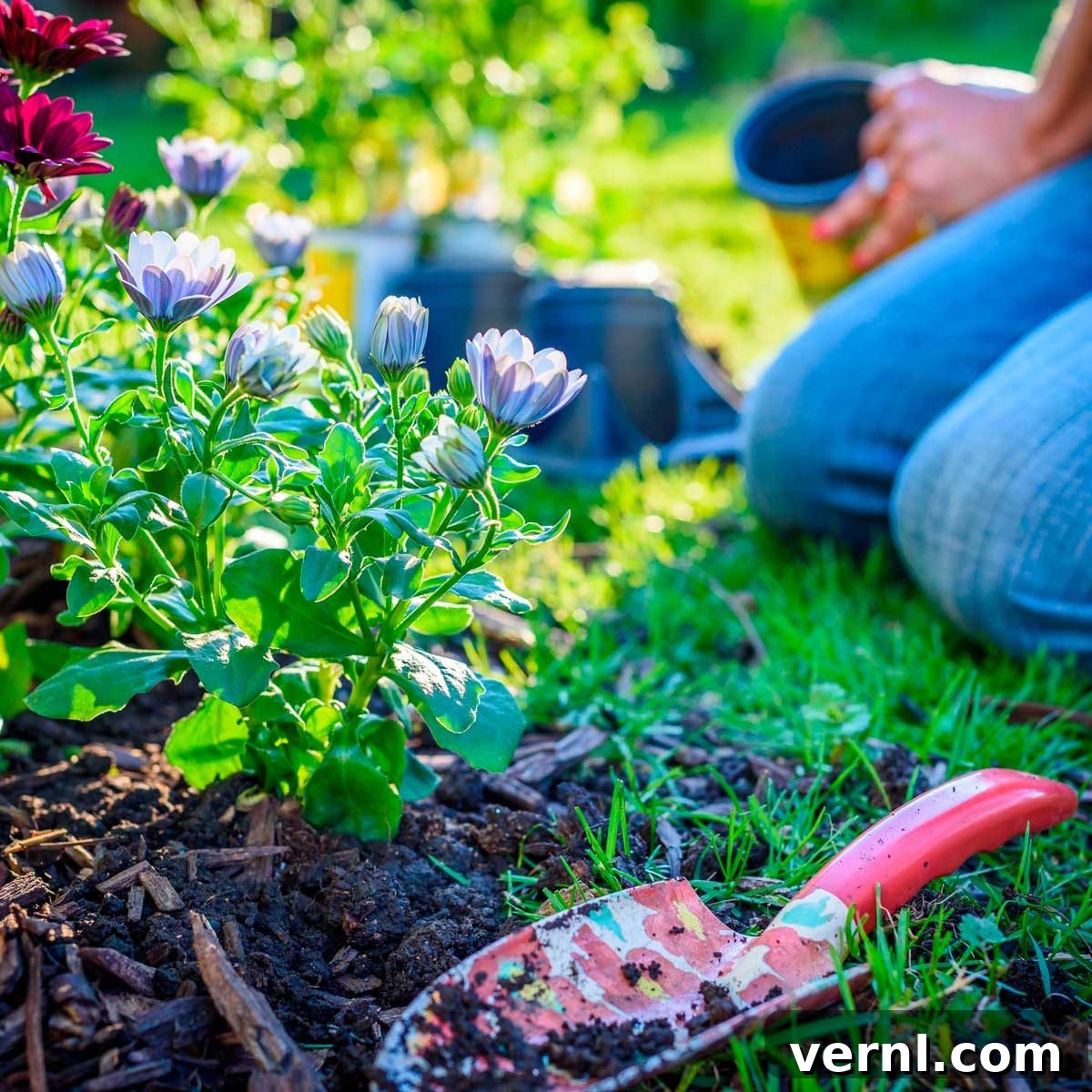
- Shredded Bark: This popular choice, often from pine, cedar, or cypress trees, is attractive, long-lasting, and widely available. Shredded bark interlocks, making it less prone to blowing away on windy days or washing away during heavy rains. It decomposes slowly, releasing nutrients gradually and contributing to soil health. Cedar and cypress mulches are also known for their pleasant aromas and natural pest-repelling properties, though scientific evidence for the latter can vary.
- Pine Needles (Pine Straw): A favorite in many regions, especially where pine trees are abundant. Pine needles are a natural, aesthetically pleasing mulch that allows water to penetrate easily to the soil below. As they decompose, they add acidity to the soil, making them particularly beneficial for acid-loving plants such as azaleas, rhododendrons, camellias, and hydrangeas, which thrive in lower pH conditions. They also provide a pleasant, fresh scent to the garden.
- Leaves: Readily available and free, shredded leaves make an excellent organic mulch. They decompose relatively quickly, adding a rich supply of nutrients and organic matter to the soil. For best results, shredding leaves before applying them prevents them from matting and becoming a dense, impenetrable layer.
- Straw or Hay: While often associated with vegetable gardens, weed-free straw can also be used in flower beds, especially for winter protection. It’s inexpensive and provides excellent insulation and moisture retention. Ensure it’s certified weed-free to avoid introducing unwanted seeds into your garden.
- Grass Clippings: Another free and easily accessible mulch. Grass clippings add nitrogen to the soil as they break down. However, they should be applied in thin layers (no more than an inch) to prevent matting, which can lead to anaerobic conditions, an unpleasant odor, and potential fungal growth. Avoid using clippings from lawns treated with herbicides.
- Cocoa Bean Hulls: These are a byproduct of chocolate production, offering a beautiful dark color and a distinctive, pleasant chocolatey aroma that dissipates over time. They are lightweight and add nutrients to the soil. However, they can be more expensive and may pose a toxicity risk to pets if ingested in large quantities due to the presence of theobromine, similar to chocolate.
Inorganic Mulches: Durable and Decorative
Inorganic mulches do not decompose, meaning they do not add nutrients to the soil but offer long-lasting aesthetic and functional benefits without the need for frequent replenishment.
- Gravel and River Rocks: For a permanent solution or a particular aesthetic, gravel, river rocks, or crushed stone can be used. These are excellent for desert landscapes, rock gardens, or areas where drainage is paramount. They do not add organic matter but effectively suppress weeds and retain soil moisture. However, they can absorb and radiate heat, potentially overheating sensitive plants, and are difficult to remove or amend once laid. They are also not suitable for plants that prefer cool, moist root zones.
- Landscape Fabric (Weed Barrier): While not a traditional “mulch,” landscape fabric is often used in conjunction with other mulches. It allows water and air to pass through while physically blocking weeds. However, it can prevent organic matter from reaching the soil, hindering soil improvement, and over time, weeds can grow on top of the fabric if organic debris accumulates.
Choosing Wisely: Best and Worst Mulches for Your Flower Beds
Not all mulches are created equal, and some can even be detrimental to your garden. Making an informed choice is key to your plants’ health.
- Mulches to Avoid:
- Rubber Mulch: Despite claims of durability and color retention, rubber mulch is generally discouraged for flower beds. It may leach pollutants such as zinc into the soil, potentially harming plants. It can also emit an unpleasant odor, especially in hot weather, and does not decompose to improve soil. Furthermore, it is not biodegradable and can become a fire hazard.
- Unidentified Wood Chips: While shredded bark is beneficial, beware of “free” or cheap wood chips, especially those obtained from unknown sources. These can be made from old pallets, treated lumber, or construction waste, which may release harmful chemicals like arsenic, creosote, or other undesirable elements into your soil as they decompose. Some wood chips, particularly those from diseased trees, can also contain destructive fungi that can spread to your plants, or even to your home’s siding or car if laid too close. Always opt for shredded bark from reputable sources.
- Considerations for “Good” Mulches: Even the most beneficial mulches, such as compost or shredded bark, come with minor considerations. Natural, organic materials can sometimes attract insects (though rarely harmful ones that damage plants directly, often beneficial ones contributing to decomposition). Additionally, some people might find the initial smell of certain organic mulches, like fresh compost or pine needles, to be strong, though this usually dissipates quickly.
Mastering the Art of Mulching: Application Best Practices
Applying mulch correctly is as important as choosing the right type. Proper application maximizes benefits and prevents potential problems.
- Prepare Your Beds: Before applying mulch, thoroughly weed the flower bed. Ensure the soil is moist, especially if you plan to use an inorganic mulch that won’t contribute moisture. If your soil is compacted, consider aerating it slightly before mulching.
- Optimal Depth: Most garden experts recommend laying down a two-to-three-inch layer of organic mulch in your flower beds. This depth is sufficient to suppress weeds and retain moisture without being so thick that it suffocates plant roots or encourages fungal growth. For inorganic mulches like gravel, a slightly deeper layer (2-4 inches) might be appropriate for stability and weed suppression.
- Avoid the “Mulch Volcano”: When applying mulch around plants, especially shrubs and trees, create a donut shape rather than a volcano cone. Keep mulch a few inches away from the base of plant stems and tree trunks. Piling mulch directly against the stem can trap moisture, leading to rot, fungal diseases, and providing shelter for rodents that can gnaw on the bark.
- Timing is Key:
- Spring Mulching: This is the most common time to mulch. Apply mulch in the spring after the soil has warmed up, new perennials are emerging, and annuals have been planted. Mulching at this time helps to suppress the first flush of weeds and conserves moisture as temperatures rise.
- Fall/Winter Mulching: Some flowers, particularly newly planted perennials, can greatly benefit from a protective layer of mulch during their first winter. A two-to-four-inch layer of pine needles or straw applied after the ground has frozen (but before heavy snow) can insulate roots, protect them from damaging winter freeze-thaw cycles, and prevent plants from being heaved out of the ground. Certain rose varieties also require consistent winter mulching for protection.
- Maintenance: Organic mulches will decompose and compact over time. Check your mulch depth annually and replenish as needed to maintain the recommended 2-3 inches. Occasionally raking or turning the top layer of mulch can help to aerate it and prevent compaction or crusting.
By understanding the profound benefits of mulching and implementing proper techniques, you can transform your flower beds into a low-maintenance, high-impact showcase of horticultural beauty. Mulching is more than just a decorative touch; it’s a fundamental practice that safeguards your plants, conserves resources, and builds healthier soil, paving the way for a thriving, vibrant garden year after year.