
Understanding Your Car’s Wrench Light: A Comprehensive Guide to Diagnostics and Prevention
Seeing an unexpected warning light on your car’s dashboard can instantly trigger a sense of unease. Among these illuminated symbols, the wrench light often appears, causing confusion and concern for many drivers. Unlike the more universally recognized check engine light, which primarily signals issues related to engine performance or emissions, the wrench symbol typically points towards a different set of critical concerns: routine maintenance requirements or potential problems within your vehicle’s intricate powertrain system.
Ignoring this vital indicator can lead to escalating issues, potentially resulting in costly repairs or even compromising your safety on the road. Understanding the specific implications of the wrench light is the first step toward safeguarding your vehicle’s longevity and ensuring a smooth, reliable driving experience. This comprehensive guide will demystify the wrench warning light, explore its common triggers, and provide actionable steps to take when it illuminates, empowering you to address potential problems proactively and confidently.
What Is the Wrench Warning Light on My Dashboard?
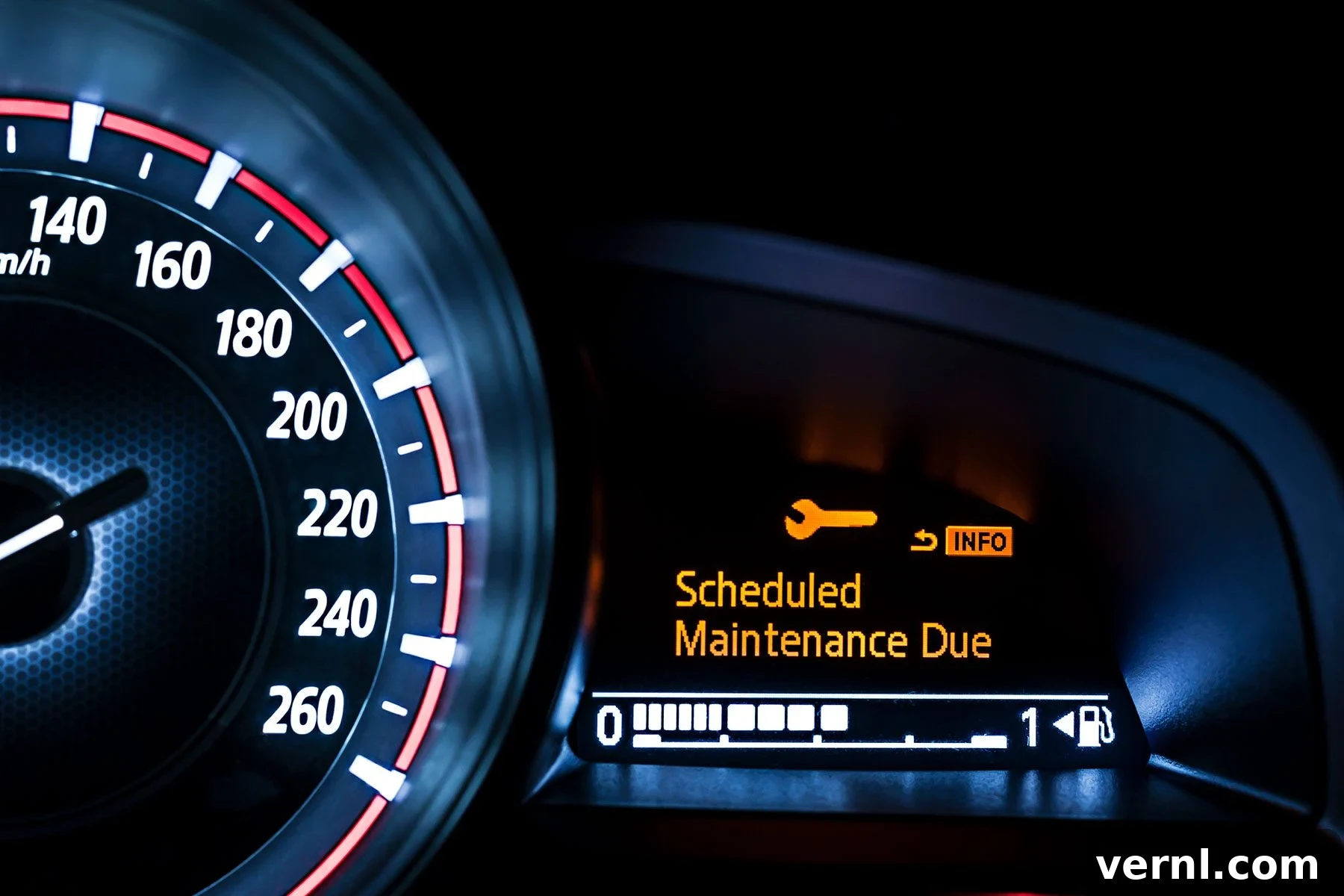
The wrench light, often depicted as a simple spanner or open-end wrench icon, serves as an important communication tool from your vehicle’s onboard diagnostic system. Its function is distinct from other common warning lights, particularly the check engine light. While the check engine light generally indicates a fault with the engine, its components, or the emissions control system, the wrench light typically focuses on two primary areas: scheduled maintenance alerts or issues related to the powertrain.
The term “powertrain” encompasses a complex network of components essential for transferring power from the engine to the wheels, enabling your vehicle to move. This critical system includes the transmission, driveshaft, differential, axles, and often the associated electronic control units and sensors that manage their operation. Any malfunction within these interconnected parts can significantly impact your car’s performance, fuel efficiency, and overall reliability. Therefore, when the wrench light appears, it’s a direct signal that one or more of these vital systems may require immediate attention.
Furthermore, in many modern vehicles, the wrench light also functions as a general maintenance reminder. Equipped with sophisticated onboard monitoring systems, these cars track mileage, engine hours, and even driving conditions to predict when routine services are due. For instance, it might illuminate to indicate that an oil change, tire rotation, fluid check, or other scheduled service is approaching or past due. In such cases, the light isn’t necessarily signaling a malfunction but rather a prompt to adhere to your vehicle’s recommended service schedule, which is paramount for its long-term health and optimal performance.
Why the Wrench Light Comes On: Common Causes Explained
The illumination of the wrench light can stem from a variety of underlying issues, ranging from routine service needs to more serious mechanical or electronic malfunctions. Identifying the specific cause is crucial for effective troubleshooting and repair.
1. Maintenance Reminder
In countless scenarios, the wrench light serves as a simple yet effective prompt for scheduled vehicle maintenance. Modern vehicles are engineered with advanced systems that monitor accumulated mileage, engine runtime, and even driving habits to precisely determine when specific services are recommended. This proactive warning system helps owners stay on top of their car’s health. For example, the light might activate to remind you that it’s time for an oil change, which is vital for engine lubrication and cooling. Other common maintenance triggers include the need for air filter replacements, tire rotations to ensure even wear and longevity, fluid checks (such as transmission or brake fluid), or even comprehensive inspections outlined in your car’s service manual. Adhering to these manufacturer-recommended intervals is not just about keeping the light off; it’s fundamental to preventing wear and tear, maintaining optimal performance, and extending the lifespan of your vehicle.
2. Transmission Problems
One of the most frequent and concerning reasons for the wrench light to appear is an issue with the transmission system. The transmission is a complex component responsible for transferring power from the engine to the drive wheels, allowing your vehicle to shift gears and maintain appropriate speeds. Symptoms indicating a transmission problem can include sluggish acceleration, where the car feels hesitant to respond when you press the gas pedal. You might experience erratic or harsh gear shifts, such as jolting, slipping (where the engine revs but the car doesn’t accelerate), or delayed engagement when shifting into drive or reverse. Grinding noises or a burning smell (often indicating overheated transmission fluid) are also serious red flags. Ignoring these signs can lead to significant damage, culminating in extremely costly transmission overhauls or replacements. Prompt diagnosis by a qualified mechanic is essential to address these issues before they escalate.
3. Throttle Control Malfunctions
Modern vehicles often utilize an electronic throttle control (ETC) system, which replaces the traditional mechanical linkage between the accelerator pedal and the engine’s throttle body. This system relies on sensors and an actuator to precisely manage engine power. A malfunction within the ETC system can trigger the wrench light. Symptoms often manifest as inconsistent acceleration, where the car might surge unexpectedly or, more commonly, experience a noticeable dip in engine performance or responsiveness. You might also encounter a “limp mode,” where the car’s speed and power are severely restricted to prevent further damage, allowing you to drive cautiously to a service center. Issues could range from a faulty throttle position sensor to a problem with the throttle body itself or its associated wiring.
4. Powertrain Malfunctions (Beyond Transmission)
While transmission issues are a common powertrain concern, the wrench light can also indicate problems with other critical components of the powertrain system. This includes the driveshaft, which transmits torque from the transmission to the differential, or the differential itself, which allows the wheels to rotate at different speeds when cornering. Issues with these components might present as unusual vibrations felt throughout the vehicle, especially at certain speeds, or strange whining or clunking noises originating from underneath the car. Problems with axles or wheel bearings, although sometimes separate, can also impact the overall efficiency and integrity of the powertrain, potentially triggering this warning light. Faults in torque distribution systems, especially in all-wheel-drive (AWD) or four-wheel-drive (4WD) vehicles, can also be a cause.
5. Sensor Failures
Modern vehicles rely heavily on an array of sophisticated sensors to monitor and regulate various engine and powertrain functions for optimal operation and fuel efficiency. A malfunction in one of these critical sensors can directly impact the powertrain’s performance and trigger the wrench light. Examples include the Mass Air Flow (MAF) sensor, which measures the amount of air entering the engine; the oxygen (O2) sensors, which monitor exhaust gases; or transmission input/output speed sensors, which tell the transmission control module how fast different parts of the transmission are spinning. If a sensor sends incorrect data or fails entirely, the car’s computer (ECU or PCM) may struggle to properly manage fuel delivery, gear shifts, or other vital processes, leading to performance issues and the illumination of the warning light.
6. Low Fluid Levels or Contaminated Fluids
While often tied to maintenance reminders, specifically low or contaminated fluid levels can directly cause powertrain issues and trigger the wrench light. This is particularly true for transmission fluid. Low transmission fluid can lead to overheating, slipping gears, and hard shifts, as the fluid is essential for lubrication, cooling, and hydraulic pressure. Similarly, old, degraded, or contaminated transmission fluid loses its protective properties, causing friction and potential damage to internal components. Other critical fluids, such as differential fluid in rear-wheel-drive or all-wheel-drive vehicles, also require regular checks and changes. Issues with these fluids directly impact the health and operation of the powertrain.
7. Electrical System Issues
The intricate network of sensors, actuators, and control modules within your vehicle relies on a stable electrical supply and intact wiring. Problems such as a faulty wiring harness, corroded connectors, or a malfunctioning electronic control unit (ECU or PCM, which manages powertrain functions) can disrupt communication or operation, leading to powertrain anomalies and the wrench light’s illumination. Intermittent electrical faults can be particularly challenging to diagnose, as symptoms might appear and disappear seemingly at random.
What to Do When the Wrench Light Comes On
Responding promptly and appropriately to the wrench light is crucial for preventing minor issues from becoming major, costly repairs. Here’s a structured approach to take:
1. Check the Owner’s Manual Immediately
Your vehicle’s owner’s manual is your most reliable first resource. The meaning of warning lights can vary slightly between manufacturers and models. The manual will provide specific information about what the wrench light signifies for your particular car, often detailing potential causes and recommended actions. It might even differentiate between a solid light, a flashing light, or accompanying messages on the instrument cluster, each indicating a different level of urgency or type of problem.
2. Observe Vehicle Behavior Carefully
As you drive, pay close attention to any changes in your car’s performance or any unusual sensations. Look out for unusual sounds like whining, grinding, or clunking noises, especially when shifting gears or accelerating. Feel for vibrations that are not typical, particularly those felt through the steering wheel or floorboards. Notice any changes in how the car accelerates, shifts gears (is it harsh, delayed, or slipping?), or if there’s a noticeable loss of power. Are there any strange odors, such as a burning smell? These clues can provide invaluable information to your mechanic, helping them pinpoint the underlying cause more quickly and accurately.
3. Check for Other Dashboard Lights or Messages
Sometimes, the wrench light might not be alone. It could be accompanied by other warning lights (e.g., ABS light, traction control light) or text messages on your digital display (e.g., “Service Engine Soon,” “Transmission Malfunction,” “Reduced Power”). These additional indicators can offer further clues and help narrow down the diagnostic path. Document any simultaneous warnings you observe.
4. Schedule Maintenance or Repairs Promptly
If your owner’s manual indicates the light is a routine maintenance reminder, scheduling services like an oil change, tire rotation, or filter replacement may resolve the issue. Many service centers can also reset the light after the work is completed. However, if the light is accompanied by noticeable performance issues or suggests a more serious underlying problem, it’s imperative to take your car to a trusted mechanic for a professional diagnostic scan. Modern diagnostic tools can read specific trouble codes stored in your vehicle’s computer, providing a precise starting point for identifying the root cause of the problem.
5. Avoid Driving If Necessary (Limp Mode Considerations)
If the wrench light appears alongside severe symptoms such as a significant loss of power, unresponsive acceleration, violent jerking, smoke, or a complete refusal to shift gears, it is safer to avoid driving the vehicle altogether. Many cars enter a “limp mode” (also known as “fail-safe mode”) when a critical powertrain fault is detected. This mode severely limits engine power and speed (e.g., restricting top speed to 30-40 mph and limiting gear shifts) to protect the engine and transmission from further damage. If your car is in limp mode or exhibiting severe symptoms, continuing to drive could lead to catastrophic failure. In such cases, arrange for the vehicle to be towed to a reputable repair shop to prevent additional damage and ensure your safety.
6. Do Not Ignore or Reset Without Diagnosis
While it might be tempting to try and reset the warning light by disconnecting the battery or using a basic OBD-II scanner, this merely turns off the light without addressing the underlying issue. The problem will almost certainly return, and in the meantime, continuous driving with an unresolved powertrain issue can lead to more extensive and expensive damage. Always prioritize a professional diagnosis to understand and fix the true cause.
Preventative Measures to Keep the Wrench Light Off
The best way to avoid the anxiety and inconvenience of an illuminated wrench light is through consistent, proactive vehicle care. Regular maintenance is not merely a recommendation; it’s the cornerstone of your car’s health and reliability.
- Adhere to the Manufacturer’s Service Schedule: This is the single most important preventative measure. Your car’s owner’s manual outlines a detailed maintenance schedule based on mileage and/or time. Following this schedule for oil changes, fluid flushes, filter replacements, and inspections will keep critical components in optimal condition and prevent many common issues that trigger the wrench light.
- Regular Fluid Checks: Periodically check the levels and condition of essential fluids, particularly transmission fluid, engine oil, and differential fluid if applicable. Low or contaminated fluids can significantly degrade performance and lead to costly powertrain damage.
- Pay Attention to Early Warning Signs: Don’t wait for a warning light to appear. Be attentive to any subtle changes in your car’s behavior – unusual noises, strange smells, rough shifting, or decreased performance. Addressing these minor issues as soon as they arise can prevent them from escalating into major problems that would trigger the wrench light.
- Gentle Driving Habits: Aggressive driving, such as rapid acceleration, hard braking, and frequent towing beyond your vehicle’s capacity, places immense stress on the powertrain components. Adopting smoother driving habits can significantly extend the life of your transmission, driveshaft, and other critical parts.
- Professional Inspections: Even if your car seems to be running perfectly, regular professional inspections by a trusted mechanic can identify potential problems before they become critical. Mechanics can spot worn components, fluid leaks, or minor sensor issues that might not yet be severe enough to trigger a dashboard light.
Conclusion
The wrench warning light on your dashboard is far more than just an annoyance; it’s a vital communication from your vehicle, signaling either an overdue maintenance requirement or a potential issue within the crucial powertrain system. Understanding its meaning empowers you to take prompt and appropriate action, which is essential for both your safety and your car’s long-term health.
Whether it’s a simple reminder for an oil change or an indication of a more complex transmission or sensor problem, ignoring this light is never advisable. By consulting your owner’s manual, carefully observing your vehicle’s behavior, and seeking professional diagnostic help when necessary, you can address the root cause effectively. Moreover, by embracing a proactive approach to maintenance and adhering to your car’s service schedule, you can significantly reduce the likelihood of this warning light ever appearing, ensuring your vehicle remains a reliable, efficient, and safe companion on every journey.