
Indoor mold growth is never a welcome sight, signaling underlying moisture problems or hidden leaks within your home’s structure. While all mold types warrant attention, some present a significantly greater health risk than others. The ability to distinguish between common household molds – identifying those that pose a mild nuisance versus those that are critical health hazards – is paramount for maintaining a safe living environment. This knowledge becomes even more crucial if you or your family members have compromised immune systems, suffer from allergies, or battle asthma, as mold exposure can trigger severe and debilitating reactions in these vulnerable individuals.
Among the various mold types that demand immediate attention, Alternaria stands out as a significant concern. Although primarily found outdoors, Alternaria spores are highly adept at infiltrating indoor spaces, especially during warmer seasons. Once inside, they readily colonize damp, humid environments such as bathrooms, basements, laundry rooms, and areas under sinks or around leaking pipes. This comprehensive guide will delve into the potential dangers associated with Alternaria mold, provide clear strategies for its identification, and outline the most effective methods for its permanent removal from your home, incorporating invaluable insights from Michael Sacenti of American Healthy Homes.
What Is Alternaria Mold? A Deep Dive into a Common Fungi
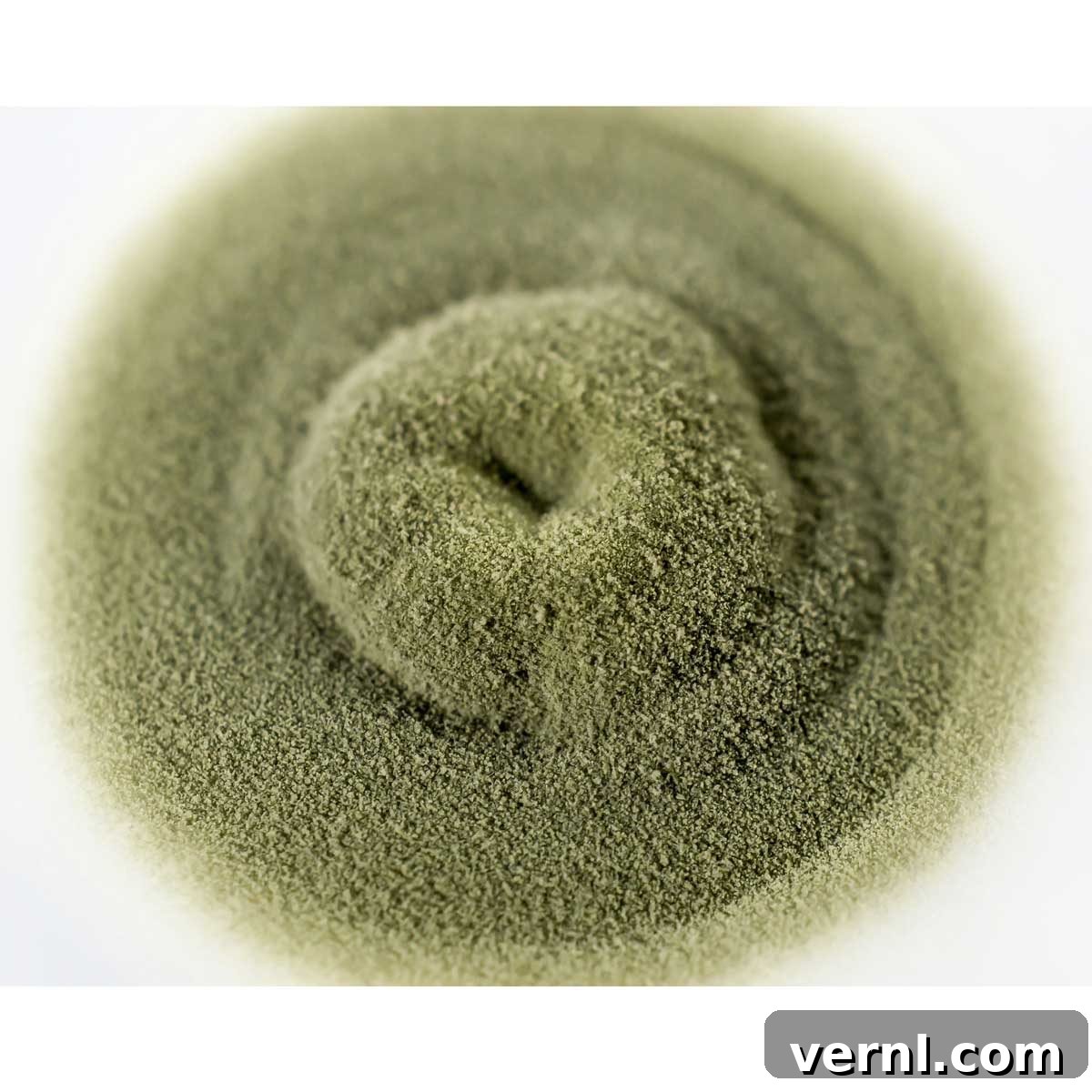
Alternaria represents a vast genus encompassing nearly 300 distinct species of mold, prevalent across virtually every corner of the globe. These fascinating fungi are characterized by their club-shaped spores, which typically develop into elongated, chain-like structures. As these spores multiply and grow, they form visible colonies that can vary in appearance, commonly presenting as thick black, green, or gray patches. Alternaria spores are incredibly lightweight and buoyant, easily dispersing through the air currents, where they can then settle in diverse environments, often finding their new homes in water sources, soil, or decaying organic matter.
Beyond its presence in homes, Alternaria molds are widely recognized as some of the most common agents of decomposition in nature. They play a significant, albeit often unwelcome, role in agricultural spoilage, being responsible for at least 20 percent of crop damage and food loss worldwide. Their ability to break down organic materials is both a natural ecological process and a challenge for food storage and preservation. However, not all Alternaria species are detrimental. Paradoxically, certain strains have demonstrated remarkable efficacy as bio-control agents, offering an eco-friendly solution to help manage and keep invasive plant species in check, illustrating the complex and dual nature of this ubiquitous mold genus.
Where Is Alternaria Mold Commonly Found? Uncovering Its Hiding Spots
Alternaria is predominantly an outdoor family of molds, thriving in a variety of natural environments. Its primary habitats include soil, decaying plant matter, compost piles, and various agricultural crops. Therefore, any growth observed within your home almost invariably originates from spores that have traveled indoors from exterior sources. “It mostly grows on plants and is considered a plant-based fungus,” explains Michael Sacenti, an expert from American Healthy Homes. “It’s fairly rare to see inside a home unless there’s a significant moisture problem.”
Despite its outdoor preference, Alternaria spores are highly adaptable and can readily enter indoor environments through open windows and doors, ventilation systems, or by hitchhiking on clothing, shoes, pets, or even contaminated items brought into the house. Once inside, if the conditions are right – specifically, dark and damp – Alternaria can quickly colonize various porous and non-porous surfaces. Common indoor hiding spots include bathroom tiles, drywall, plywood, insulation, wallpaper, and even painted or polyurethane-coated surfaces. Areas prone to chronic moisture, such as leaky basements, crawl spaces, poorly ventilated bathrooms, kitchens around sinks, and areas affected by plumbing leaks or roof damage, are prime breeding grounds for this resilient mold. Seasonal factors also play a role; outdoor Alternaria spore counts typically peak during late summer and early autumn, increasing the likelihood of indoor infiltration during these periods.
What Are the Health Effects of Alternaria Mold? Protecting Your Well-being
Exposure to Alternaria mold can precipitate a range of adverse health effects, with allergic reactions being the most common and widely recognized concern. For sensitive individuals, inhalation of Alternaria spores can trigger classic allergy symptoms such as sneezing, runny nose, nasal congestion, itchy eyes, skin rashes, and post-nasal drip. These symptoms often mimic seasonal allergies, making diagnosis challenging without professional testing. The body’s immune system, perceiving the mold spores as a threat, initiates an inflammatory response that leads to these uncomfortable symptoms.
Beyond general allergies, Alternaria is a significant trigger and exacerbator of asthma symptoms. A compelling 2007 study conducted across 75 U.S. locations revealed a marked increase in the severity and frequency of asthma symptoms in homes with elevated concentrations of Alternaria mold. The microscopic spores can irritate and inflame the respiratory tract, leading to bronchospasm, shortness of breath, coughing, and wheezing. Furthermore, spores can take root on mucous membranes, including those in the eyeballs and the entire respiratory system, potentially causing conditions like allergic conjunctivitis, sinusitis, and bronchitis. While most Alternaria species do not typically cause serious infections in healthy individuals, Michael Sacenti emphasizes, “anyone with underlying health conditions is at the highest risk.” This includes individuals with compromised immune systems (e.g., those with HIV/AIDS, organ transplant recipients, or chemotherapy patients), young children, the elderly, and those with pre-existing chronic respiratory illnesses. In rare cases, especially in severely immunocompromised individuals, Alternaria can cause opportunistic infections such as phaeohyphomycosis, which can affect the skin, eyes, or even internal organs. Some Alternaria species are also known to produce mycotoxins, which are toxic secondary metabolites that can further compromise health, though the risk from typical indoor exposure is still under research, it underscores the importance of prompt removal.
How to Identify, Remove, and Prevent Alternaria Mold Effectively
Effectively addressing Alternaria mold in your home begins with accurate identification and a proactive approach to moisture control. The first critical step is to identify and thoroughly dry out any areas experiencing excessive moisture, as this is the fundamental requirement for mold growth. Eliminating the moisture source will significantly hinder the proliferation of existing mold and prevent new colonies from forming.
Identifying Alternaria Mold: Visual Cues and Professional Assessment
Visually, Alternaria mold typically appears as dark, often fuzzy or velvety patches, ranging in color from black to dark green or gray. It can grow in circular patterns and often has a distinct earthy, musty odor. However, visual identification alone can be challenging, as many molds look similar. If you observe visible mold growth or experience sudden onset of asthmatic or allergic symptoms without a clear cause, professional mold testing can confirm the presence of Alternaria and assess the extent of the contamination. Air sampling and surface swabs conducted by certified professionals can provide definitive answers.
Effective Removal Strategies: DIY vs. Professional Remediation
For small, isolated patches of Alternaria mold (less than 10 square feet), careful DIY removal might be possible. Always prioritize safety by wearing appropriate personal protective equipment (PPE), including an N-95 respirator mask, gloves, and protective eyewear, and ensuring the area is well-ventilated. Non-toxic fungicides or common household solutions like a diluted mixture of white vinegar or hydrogen peroxide can be effective. Apply the solution, scrub the mold away thoroughly, and ensure the area is completely dried afterwards to prevent recurrence. Avoid using bleach on porous materials, as it may not kill the mold mycelia beneath the surface and its fumes can be irritating. Always test any cleaning solution on an inconspicuous area first.
However, if you discover large areas of mold, suspect hidden mold behind walls, or if mold growth returns after cleaning, it’s crucial to consider hiring a professional mold removal team. Mold remediation specialists possess the expertise, equipment, and containment protocols necessary to safely and effectively remove extensive mold infestations. They can identify the root cause of moisture, contain the affected area to prevent cross-contamination, remove moldy materials, and dry the structure thoroughly using specialized drying equipment and HEPA filters.
Comprehensive Prevention: Keeping Your Home Mold-Free
Preventing Alternaria mold from returning is a multi-faceted approach focused primarily on moisture control and ventilation:
- Fix Leaks Promptly: Immediately address any plumbing leaks, roof leaks, or foundation cracks to eliminate water sources.
- Control Indoor Humidity: Aim to keep indoor humidity levels between 30% and 50% using dehumidifiers, especially in damp areas like basements and crawl spaces. Monitor humidity with a hygrometer.
- Ensure Adequate Ventilation: Ample ventilation is key. Install and use exhaust fans in bathrooms and kitchens to vent moisture outdoors. Consider a Heat Recovery Ventilator (HRV) or Energy Recovery Ventilator (ERV) to improve indoor air quality and decrease mold growth by continually exchanging indoor air with fresh, filtered outdoor air while minimizing energy loss.
- Manage Outdoor Spores: Since Alternaria spores almost always originate from outside, keep windows and doors closed during spring and summer, particularly if you have a known mold problem or if outdoor pollen and spore counts are high. Use high-efficiency filters in your HVAC system and change them regularly.
- Clean and Dry Regularly: Regularly clean and dry areas prone to moisture, such as shower walls, refrigerator drip pans, and window sills. Ensure wet towels or clothes are not left to sit.
- Inspect and Maintain: Periodically inspect your home for signs of moisture or mold, paying close attention to basements, attics, and areas around pipes. Proper gutter maintenance and ensuring good exterior drainage away from your foundation are also vital.
- Insulation: Proper insulation can prevent condensation on cold surfaces, thereby reducing moisture accumulation.
By implementing these proactive strategies, you can significantly reduce the risk of Alternaria mold growth and create a healthier, safer living environment for everyone in your home.
About the Expert
- Michael Sacenti owns American Healthy Homes. He brings a wealth of experience to the field, with 10 years dedicated to the intricacies of the mold remediation industry, complemented by an extensive 40 years of experience in real estate maintenance.