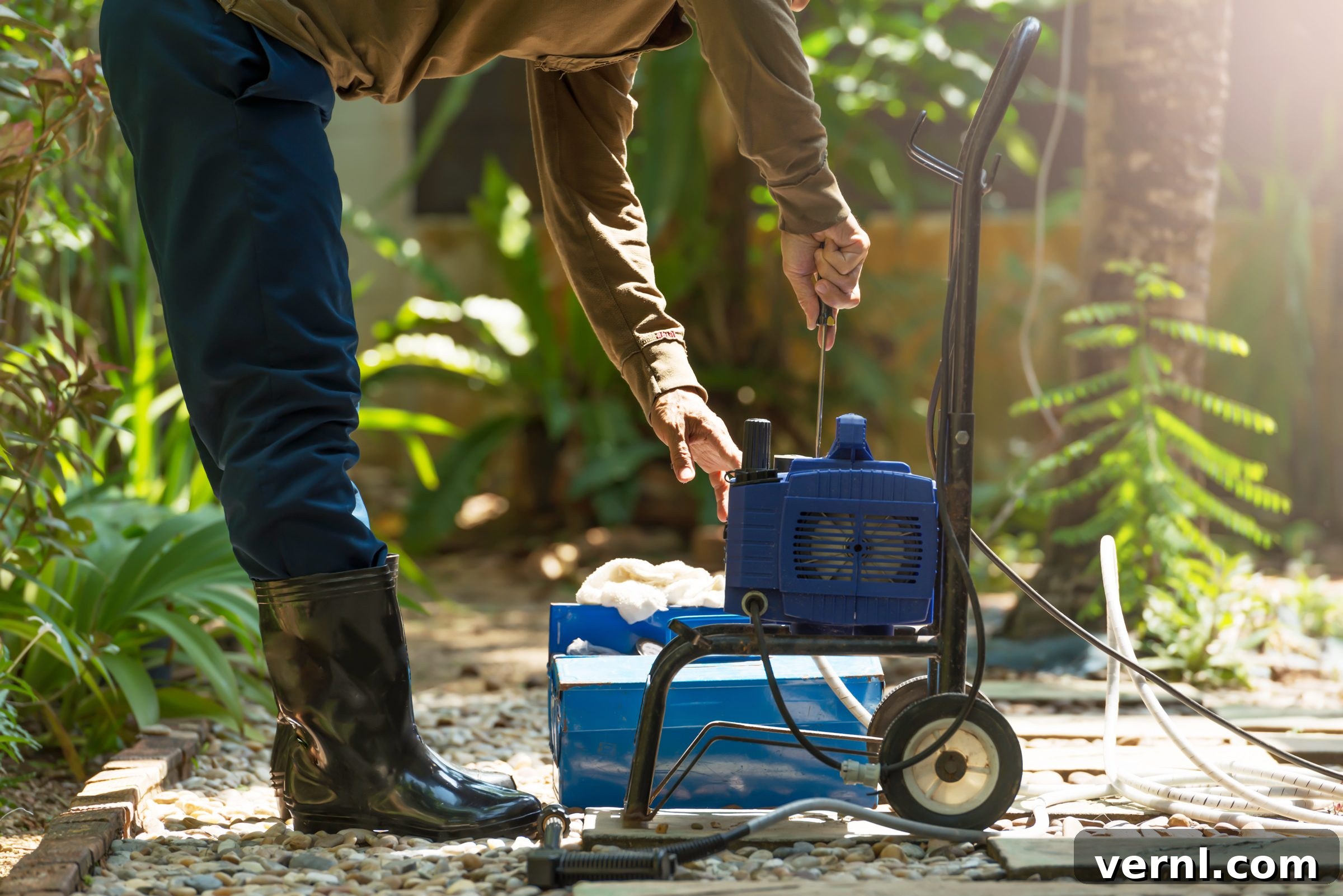
Pressure Washer Filter Maintenance: Your Guide to Optimal Performance and Longevity
Just like any complex motorized machine, pressure washers rely on well-maintained components to function efficiently and safely. Among the most crucial, yet often overlooked, parts are the filters. These unsung heroes play a vital role in protecting your pressure washer’s engine and pump from harmful contaminants, ensuring smooth operation and a long lifespan for your valuable equipment.
Understanding the types of filters your unit uses and knowing when and how to clean or replace them is fundamental to effective pressure washer maintenance. Whether you own a powerful gas-powered model or a convenient electric unit, neglecting filter care can lead to significant performance drops, costly repairs, and ultimately, a premature end to your machine’s life. This comprehensive guide will walk you through everything you need to know about pressure washer filters, from identification to a step-by-step cleaning and replacement process.
The Essential Role of Pressure Washer Filters
The type and number of filters in your pressure washer depend on its power source. Gas-powered models, with their internal combustion engines, typically feature two distinct types of filters: an air filter and a water inlet filter. Electric pressure washers, on the other hand, only require a water inlet filter, as their motors do not rely on air combustion for operation.
Air Filters: The Engine’s Gatekeeper (Gas Models Only)
For gas-powered pressure washers, the air filter is an absolutely critical component. Its primary function is to prevent dust, dirt, debris, and other airborne particles from entering the engine’s carburetor. A clean air filter ensures a steady supply of clean air, which is essential for proper fuel combustion and overall engine performance. Without it, abrasive particles could enter the engine, causing premature wear and damage to internal components, leading to a loss of power, inefficient operation, and potentially catastrophic engine failure.
Water Inlet Filters: Protecting Your Pump
Both gas and electric pressure washers utilize a water inlet filter. This filter acts as the first line of defense against waterborne sediment and debris found in your water supply hose. Its purpose is to stop small stones, sand, rust particles, and other contaminants from entering the pressure washer’s pump. The pump, being the heart of your pressure washer, is highly susceptible to damage from abrasive particles. A clogged or damaged water inlet filter can restrict water flow, reduce pressure, and put undue strain on the pump, drastically shortening its operational life.
Why Filter Maintenance is Non-Negotiable
Neglecting your pressure washer filters isn’t just about minor inconveniences; it can lead to a cascade of problems that impact both performance and the longevity of your equipment. Regular inspection and timely maintenance of these filters are crucial for several reasons:
- Optimized Performance: Clean filters ensure your pressure washer operates at peak efficiency, delivering consistent water pressure and adequate engine power.
- Extended Lifespan: By preventing contaminants from reaching vital internal components, filters protect against premature wear and tear, significantly extending the life of your engine and pump.
- Prevent Costly Repairs: A clogged air filter can starve your engine, leading to overheating or carburetor issues. A dirty water inlet filter can damage your pump’s seals and pistons. Addressing filter issues early can prevent much more expensive repairs down the line.
- Fuel Efficiency (Gas Models): A clean air filter allows the engine to breathe properly, ensuring efficient fuel combustion. A dirty filter forces the engine to work harder, consuming more fuel.
- Consistent Water Pressure: A clear water inlet filter ensures an unobstructed flow of water to the pump, maintaining the desired pressure for effective cleaning.
Signs Your Pressure Washer Filters Need Cleaning or Replacement
Fortunately, your pressure washer is quite good at communicating when something is amiss, especially concerning its filters. Being observant of these tell-tale signs can save you from more severe issues. If you notice any of the following symptoms during your next pressure washing session, it’s time to start your troubleshooting with the filters.
Air Filter Issues (Gas Models)
The engine of a gas-powered pressure washer naturally draws air during operation. As it runs, dust, dirt, and other debris are inevitably pulled toward the air intake. The air filter is designed to capture these unwanted materials, but over time, they accumulate, forming a thick layer on the filter element. This gradual buildup reduces the crucial airflow to the engine, leading to several noticeable symptoms:
- Loss of Engine Power: One of the most common signs is a noticeable reduction in engine power. The engine may sound weaker or struggle to maintain a consistent RPM.
- Engine Stalling or Difficulty Starting: If the air filter is severely clogged, the engine might stall frequently during operation or become very difficult to start in the first place. It’s essentially suffocating.
- Excessive Smoke: A rich fuel-to-air mixture caused by restricted airflow can result in black or dark smoke coming from the exhaust.
- Increased Fuel Consumption: An engine struggling for air will try to compensate, often leading to it running “rich” (too much fuel for the available air), which burns more fuel inefficiently.
- Reduced Water Pressure (Indirectly): Since the engine powers the pump, a weak engine will naturally lead to a drop in water pressure from the nozzle.
Water Inlet Filter Issues (Both Gas and Electric Models)
Pressure washer inlet filters are typically cylindrical, fine-screen meshes, often housed within a threaded brass or plastic fitting where your garden hose connects to the pressure washer. These filters are exposed to all the impurities present in your water supply. When enough dirt, sediment, and mineral deposits collect in this filter, the water flow becomes restricted, leading to immediate and noticeable performance issues:
- Significant Drop in Water Pressure: This is the most common and direct symptom. You’ll notice the spray isn’t as powerful or consistent as it should be, making cleaning tasks take longer or become ineffective.
- Inconsistent Spray Pattern: Instead of a steady, strong stream, you might observe a pulsating or erratic spray from the nozzle.
- Pump Straining or Vibrating: The pressure washer pump may audibly strain or vibrate excessively as it tries to pull water through a restricted filter. This puts immense stress on the pump, which can lead to premature failure.
- Reduced Water Flow: Even before a pressure drop, you might notice a general reduction in the volume of water flowing through the system.
Tools and Supplies for Filter Maintenance
Before you begin the cleaning or replacement process, gather the necessary tools and supplies. Having everything on hand will make the job quicker and smoother.
- Disposable shop towels or clean rags
- Air compressor with spray nozzle (optional, but highly recommended for air filters)
- Access to a clean water source (faucet, garden hose)
- Mild dish soap
- Small bucket or container
- Fresh motor oil (for foam air filters, specific to your pressure washer’s engine type)
- Large zip-lock bag (for oiling foam filters)
- Replacement air filter (if cleaning isn’t feasible or filter is damaged)
- Replacement water inlet filter (if cleaning isn’t feasible or filter is damaged)
- Two adjustable wrenches (or open-end wrenches of the correct size)
- Old toothbrush or small stiff-bristled brush
- Safety gloves and eye protection
How To Clean a Pressure Washer Filter: Step-by-Step Guide
Regular cleaning is often enough to restore your filters to optimal condition and prevent the need for immediate replacement. Always prioritize safety before beginning any maintenance task.
Safety First!
Before you even touch your pressure washer for maintenance, ensure it is completely safe to work on:
- Turn Off and Disconnect: For gas models, turn off the engine and allow it to cool completely. For electric models, unplug the power cord from the outlet.
- Relieve Pressure: Squeeze the trigger of the spray gun to release any residual pressure in the system.
- Disconnect Water Supply: Turn off the water supply and disconnect the garden hose from the pressure washer.
- Spark Plug (Gas Models): For an extra layer of safety when working on gas models, disconnect the spark plug wire to prevent accidental engine starts.
Air Filter Cleaning (Gas Models Only)
Cleaning the air filter is a straightforward process that can significantly improve your engine’s performance.
- Locate the Air Filter Cover: The air filter is typically housed in a rectangular or square plastic shroud located near the gas tank and carburetor. It’s often on the side of the engine.
- Remove the Cover: Depending on your pressure washer’s make and model, you’ll either need to unthread a securing nut (often hand-tightened or requiring a small wrench) or unlatch release tabs on the sides of the cover. This can usually be done without specialized tools.
- Identify the Air Filter Type: Inside the housing, you’ll find the air filter. It could be one of several styles:
- A simple rectangle of foam.
- A pleated paper rectangle.
- A pleated paper cylinder, sometimes encased in a flexible foam pre-filter cover.
All these are considered air filters and require different cleaning approaches.
- Clean the Housing: Before removing the filter, use an air compressor with a spray nozzle (if available) to blow away any loose debris from inside the housing, taking care to hold the filter in place so it doesn’t get dislodged by the air. If you don’t have an air compressor, carefully wipe out the housing with a dry disposable shop towel.
- Examine the Air Filter: Carefully remove the air filter. Inspect it for any visible damage, tears, or excessive wear.
- If it’s visibly damaged, skip cleaning and purchase a direct replacement.
- If it’s a paper filter that is heavily soiled, dark, or caked with dirt, cleaning is often impractical or ineffective. It’s best to replace heavily soiled paper filters.
- Undamaged foam filters or the thin foam pre-filter covers surrounding cylindrical paper filters can generally be cleaned.
- Clean Foam Filters/Pre-filters: If you have a foam filter or a foam pre-filter, submerge it in a small bucket of warm water mixed with a small amount of mild dish soap. Gently rub and squeeze the foam to work out all the trapped dirt and debris. Continue this process until the water runs clear and all signs of grime are gone.
- Rinse Thoroughly: Rinse the foam filter with clean running water to remove all traces of soap residue. Soap left behind can attract more dirt.
- Dry Completely: Squeeze as much water as possible from the foam filter. Then, lay it on a clean shop towel or hang it in a well-ventilated area to dry fully. This is crucial; never reinstall a damp air filter, especially if it requires oiling.
- Clean Paper Filters (Lightly): For lightly soiled paper filters, you can GENTLY tap them against a hard surface to dislodge loose dirt. An air compressor can also be used, but with very low pressure and held at a distance, blowing from the inside out. Be extremely careful not to damage the pleats or tear the paper. If the paper filter looks severely discolored or clogged, replacement is the best option.
Water Inlet Filter Cleaning (Both Gas and Electric Models)
Cleaning the water inlet filter is a quick task that can make a huge difference in your pressure washer’s water flow.
- Locate the Water Inlet Filter: This cylindrical fitting is where your garden hose connects to your pressure washer. It’s usually a brass or plastic component with internal threading.
- Remove the Fitting/Filter: The method for removal can vary:
- Some units have an external filter housing that you can unthread by hand or with an adjustable wrench. The inner screen filter then slides out.
- Other designs might have the screen directly inside the inlet connection, requiring you to carefully pry it out with a small pick or screwdriver (be gentle!).
- In some cases, the entire inlet fitting might need to be removed from the pressure washer body with two adjustable wrenches (one to hold the main body, the other to turn the fitting).
- It’s also possible your inlet filter screen is visible but not designed to be easily removable; in such cases, you might have to clean it in place.
Identify your specific setup before proceeding.
- Rinse and Scrub: Once removed, rinse the inner filter screen thoroughly with clean running water. Use an old toothbrush or a small, stiff-bristled brush to gently scrub away all visible dirt, sand, rust, and debris from the mesh. Continue scrubbing and rinsing until the screen appears completely clean and no blockages are visible.
- Final Check: As a final check, blow on one end of the cleaned screen. If air passes through easily and without resistance, the filter is clean. If you feel significant resistance, more scrubbing is needed, or the filter might be too far gone and require replacement.
How To Replace a Pressure Washer Filter
Sometimes, cleaning isn’t enough, or the filter is simply beyond repair. Knowing how to correctly replace your filters is just as important as cleaning them.
Air Filter Replacement (Gas Models Only)
Replacing the air filter ensures your engine gets the cleanest possible air, optimizing its performance and longevity. Ensure you purchase the exact replacement filter type recommended for your specific pressure washer model.
- Prepare Foam Filters (If Applicable): If your machine uses a foam filter that requires oiling (check your owner’s manual), drizzle about a tablespoon of fresh motor oil (the type recommended for your engine) onto the clean and completely dry foam filter.
- Distribute Oil Evenly: Place the oiled foam filter into a clean zip-lock bag. Squeeze the filter through the bag to distribute the oil evenly throughout the foam. This “pre-oiling” helps trap even finer dust particles.
- Remove Excess Oil: Remove the filter from the bag and gently squeeze it against some clean shop towels or paper towels to remove any excess oil. The filter should feel damp with oil, not dripping wet.
- Install the Filter: Carefully place the cleaned and prepped (or new) air filter back into its housing, ensuring it is seated correctly and snugly.
- Reinstall Cover: Replace the air filter cover, securing it with the nut or latch tabs you removed earlier. Make sure it’s tight enough to prevent air leaks but don’t overtighten plastic components.
- For Paper Filters: If your washer uses a paper filter and it was determined to be too dirty or damaged for cleaning, simply purchase a new filter of the exact same type and dimensions. Install the new paper filter into the housing, ensuring the correct orientation, and then reassemble the cover.
- For Cylindrical Paper Filters with Foam Covers: If your unit has this combination, assess the inner paper filter. If it’s dirty, replace it. If it’s clean, ensure the foam cover is washed, dried, and properly oiled (if required) before reinstalling both the paper filter and the foam cover into the housing.
Water Inlet Filter Replacement (Both Gas and Electric Models)
Replacing the water inlet filter is typically a very quick and simple task, especially if the old one was irreversibly clogged or damaged.
- Insert New Filter: Place the new inner screen filter back into its fitting or inlet port. Ensure it sits flush and is oriented correctly (if there’s a specific way it needs to go).
- Reattach Fitting: Thread and tighten the fitting back in place on your pressure washer. If using wrenches, tighten until snug but avoid overtightening, especially if the components are plastic, to prevent stripping threads or cracking the housing.
- Check for Leaks: Reconnect your garden hose and turn on the water supply. Check for any leaks around the inlet fitting. If there are leaks, gently tighten the fitting further until they stop.
Frequency of Filter Maintenance
How often should you clean or replace your pressure washer filters? The answer depends on several factors, including how frequently you use your machine and the environmental conditions.
- Before Each Use: For heavy users or if you know your water source is particularly dirty, a quick visual check of the water inlet filter before each use is a good practice.
- Every 25 Hours of Operation or Annually: A general guideline for both air and water inlet filters is to inspect and clean them every 25 hours of operation or at least once a year, whichever comes first.
- After Extended Storage: If your pressure washer has been stored for a long period (e.g., over winter), it’s wise to perform filter maintenance before its first use of the season.
- When Symptoms Appear: Most importantly, if you notice any of the performance issues described earlier (loss of power, reduced pressure, stalling), check your filters immediately.
Tips for Extending Filter Life and Optimal Performance
Proactive measures can help your filters last longer and your pressure washer perform better:
- Use a Clean Water Source: Whenever possible, connect your pressure washer to a clean, filtered water source. Avoid drawing water from ponds, rain barrels, or other sources that might contain excessive sediment.
- Rinse Hoses: Before connecting your garden hose to the pressure washer, run water through it for a few seconds to flush out any loose debris that might be trapped inside the hose itself.
- Store Properly: Store your pressure washer in a clean, dry environment away from excessive dust and debris. Keep the air filter housing securely closed.
- Avoid Dusty Environments: When operating a gas pressure washer, try to avoid extremely dusty or sandy areas if possible, as this will accelerate air filter clogging.
- Have Spares: Keep a spare air filter and water inlet filter on hand. This ensures you won’t have to interrupt a cleaning project if a filter needs immediate replacement.
Conclusion
Maintaining your pressure washer’s filters is a small effort with significant returns. By regularly cleaning and inspecting your air and water inlet filters, you protect your investment, ensure optimal cleaning performance, and extend the overall lifespan of your machine. Don’t wait for your pressure washer to show obvious signs of struggle; incorporate filter maintenance into your routine care schedule. A little proactive care goes a long way in keeping your pressure washer running smoothly and powerfully for years to come, making all your outdoor cleaning tasks a breeze.