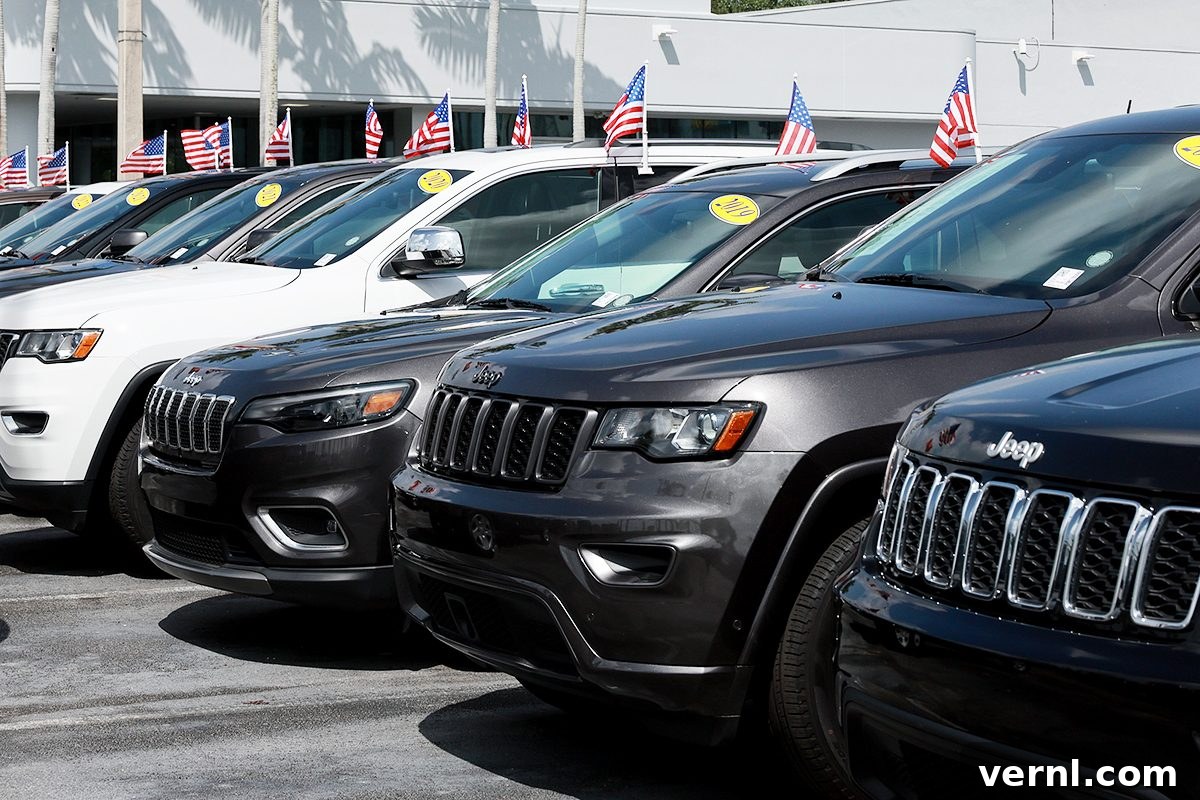
Urgent Safety Alert: Chrysler Recalls Jeep Grand Cherokee and Wrangler Over Fire Risk
Car recalls are a constant reminder of the complexities inherent in modern vehicle manufacturing, and headlines frequently highlight critical safety concerns. Today, we bring you another vital update, this time concerning thousands of popular Jeep models. Chrysler (part of the Stellantis group) has announced a significant recall affecting certain Jeep Grand Cherokee and Jeep Wrangler vehicles due to a serious fire risk associated with their high-voltage batteries. This isn’t just a minor inconvenience; it’s a safety hazard that demands immediate attention from affected owners.
Understanding the details of any recall is paramount for vehicle owners. This comprehensive guide will break down all the relevant information regarding this latest Jeep recall. We’ll cover precisely which vehicles are impacted, delve into the root cause of the fire risk, and outline the urgent steps owners need to take, as well as what Chrysler is proposing as a permanent solution. Our goal is to provide you with clarity and peace of mind amidst this serious safety announcement.
Which Chrysler Vehicles Are Affected by This Urgent Recall?
According to official data released by the National Highway Traffic Safety Administration (NHTSA), Chrysler is recalling specific model years of two of its most iconic vehicles: the Jeep Grand Cherokee and the Jeep Wrangler. Specifically, the recall targets Jeep Grand Cherokees manufactured between 2022 and 2024, and Jeep Wranglers produced from 2020 to 2024. The core concern revolves around the high-voltage battery, which has been identified as posing a substantial fire risk.
This widespread recall impacts a considerable number of vehicles, with over 150,000 units subject to the safety notice. Given the popularity of both the Grand Cherokee and Wrangler models, a significant portion of their owners could be affected. It’s crucial for anyone owning these vehicles within the specified model years to verify their vehicle’s status against the recall, as the potential consequences of ignoring this warning could be severe.
The recall primarily affects models equipped with the high-voltage battery system, which typically includes plug-in hybrid electric vehicle (PHEV) variants like the Jeep Wrangler 4xe and Jeep Grand Cherokee 4xe. These vehicles, designed for enhanced fuel efficiency and performance, rely on advanced battery technology, making the integrity of these systems critically important for safe operation.
Why Are These Jeeps Being Recalled Due to Fire Risk?
The underlying reason for this critical recall is a defect within the high-voltage battery itself. The NHTSA announcement specifies that “the high voltage battery may fail internally and lead to a vehicle fire while parked or driving.” This phrasing underscores the severe nature of the defect: a fire can spontaneously erupt whether the vehicle is in motion, sitting in a garage, or parked outdoors.
An internal battery failure can manifest in various ways, often involving thermal runaway, where uncontrolled internal chemical reactions lead to rapidly increasing temperatures, smoke, and ultimately, fire. This phenomenon can be triggered by manufacturing defects, material inconsistencies, or even external factors that compromise the battery’s structural integrity. Regardless of the exact trigger, the risk of an unexpected vehicle fire poses an immediate threat to occupants, surrounding property, and emergency responders.
This isn’t an isolated incident for Jeep or for high-voltage battery systems in general. It’s important to note that this marks at least the second time Jeep has faced a recall concerning fire risks related to its high-voltage batteries within a relatively short period. A previous recall of this nature was issued in November 2023. If your Jeep was included in that prior recall and the hazard was not adequately addressed, this new recall effectively reiterates and potentially expands upon the existing concern, meaning the risk remains an issue for you.
The potential for a vehicle fire while parked is particularly concerning, as it can occur unattended and pose a significant threat to residential structures, parking garages, and other vehicles. For owners of an impacted vehicle, exercising extreme caution is not merely advised, but absolutely necessary. Chrysler is actively working on developing and rolling out an appropriate remedy, aiming to make it readily available to customers as soon as possible. Until that solution is implemented, owners must strictly adhere to the company’s interim guidelines to minimize the severe fire risk.
Immediate Steps to Take If Your Jeep is Recalled
For owners of the affected Jeep Grand Cherokee and Wrangler models, immediate action is crucial. Chrysler has issued two primary warnings that must be followed without delay to mitigate the fire risk associated with the faulty high-voltage batteries:
Park Outside and Away from Structures
The most critical directive from Chrysler is to “park outside and away from structures.” This means avoiding parking your recalled Jeep in a garage, carport, or even close to other vehicles or buildings. The reasoning is clear: if an internal battery failure leads to a fire, parking away from structures significantly reduces the risk of the fire spreading to your home, workplace, or other property. This instruction is not merely a suggestion but a vital safety measure designed to protect lives and property from the severe consequences of a potential vehicle fire.
Consider parking your vehicle in an open driveway, a designated outdoor parking space, or any area where it can be isolated from flammable materials and structures. The greater the distance from buildings, other cars, or vegetation, the lower the risk of widespread damage should a fire occur. This precaution is particularly important overnight or when the vehicle will be left unattended for extended periods.
Do Not Recharge Your Vehicle Until Repaired
The second urgent warning is to “not to recharge their vehicles until they are repaired.” The process of recharging a high-voltage battery, especially one with an internal defect, can increase the stress on its components and elevate the risk of thermal runaway and fire. During charging, batteries generate heat, and if the internal cooling or management systems are compromised, or if there’s an existing internal short, this additional heat can accelerate the failure process.
This warning applies to all forms of charging, whether at home with a Level 1 or Level 2 charger, or at public fast-charging stations. Until the vehicle has undergone the necessary repairs or software updates provided by Chrysler, refrain from plugging it in. While this might limit the vehicle’s electric range, prioritizing safety over convenience is paramount in this situation.
The Path to Resolution: Chrysler’s Proposed Fix for the Fire Risk
While an immediate, permanent remedy for the high-voltage battery issue is not yet fully deployed, Chrysler is actively developing and preparing the necessary solutions. Owners can expect the company to address this serious fire risk through a multi-faceted approach, with all repairs being offered free of charge, as is standard practice for safety recalls.
Software Updates for Battery Pack Management
Chrysler has indicated that dealerships will update the battery pack software. A software update often targets the Battery Management System (BMS), which is responsible for monitoring the battery’s state of charge, temperature, voltage, and overall health. By revising the software, Chrysler aims to:
- Improve thermal management algorithms to prevent overheating.
- Implement enhanced diagnostic capabilities to detect early signs of internal failure.
- Adjust charging parameters to reduce stress on the battery during replenishment.
- Potentially limit power output or charging speeds if potential issues are detected, as a safety failsafe.
These software enhancements are designed to proactively manage the battery’s condition and reduce the likelihood of critical internal failures that could lead to fire.
Potential Battery Replacement
In some cases, a software update alone may not be sufficient, and Chrysler may opt for a complete replacement of the high-voltage battery. This more extensive repair would be undertaken if diagnostics indicate a physical defect or degradation that cannot be mitigated by software alone. A full battery replacement ensures that a new, properly functioning unit is installed, eliminating the risk posed by the original faulty component. Dealerships will determine the appropriate course of action for each individual vehicle based on diagnostic assessments.
Timelines and Free of Charge Repairs
Chrysler is committed to providing these repairs free of charge to all affected owners. This includes the cost of parts, labor, and any necessary diagnostic work. Owners should not incur any expenses for addressing this safety recall. Chrysler has stated that they are working to make the remedy available as soon as possible, and owners will be notified when they can schedule their free repair. It is imperative to schedule these repairs promptly once the remedy is ready to ensure the safety of your vehicle and those around it.
How to Confirm If Your Jeep is Included in the Recall
Navigating the recall process can sometimes be confusing, but there are several clear ways to determine if your Jeep Grand Cherokee or Wrangler is part of this critical safety recall.
Official Notification Through Mail
Chrysler has already begun the process of notifying affected owners directly. As of October 2024, initial notices have been mailed out. These letters will contain crucial information specific to your vehicle, including your Vehicle Identification Number (VIN) and detailed instructions. It’s vital to keep your vehicle registration address updated with Chrysler/Stellantis to ensure you receive these important communications. A second round of notices will also be sent out when the repair procedure is officially underway and parts/software are ready for implementation.
Proactive VIN Lookup Online
If you haven’t received a letter or wish to check your vehicle’s status proactively, the most reliable method is to use your vehicle’s 17-character Vehicle Identification Number (VIN). You can typically find your VIN on your vehicle’s dashboard (viewable through the windshield), on the driver’s side door jamb, or on your vehicle registration documents. Once you have your VIN:
- Visit the NHTSA’s official recall website (nhtsa.gov/recalls) and enter your VIN. This will show any open recalls associated with your specific vehicle.
- You can also check the official Stellantis (Chrysler, Jeep, Dodge, Ram) recall website, often found on the brand’s main portal, and enter your VIN there.
These online tools provide real-time information and are an excellent way to stay informed about any outstanding safety recalls affecting your vehicle.
Direct Contact with Chrysler Customer Service
For any remaining questions or if you require further assistance, you can always contact Chrysler customer service directly. They are equipped to provide specific information regarding your vehicle and the recall process. The dedicated customer service line for this recall is 1-800-853-1403. When you call, it’s helpful to have your VIN ready. If the service representative asks for a recall number, please provide 95B, as this is the specific internal identifier for this high-voltage battery recall.
Understanding Vehicle Recalls and Your Consumer Rights
Vehicle recalls, while sometimes alarming, are a fundamental part of consumer protection in the automotive industry. They are a mechanism through which manufacturers and regulatory bodies, like the NHTSA, ensure that vehicles on the road meet safety standards and that any defects are promptly addressed. It’s crucial for vehicle owners to understand their rights and responsibilities in such situations.
When a safety-related defect is identified, the manufacturer is legally obligated to recall the vehicles and provide a remedy, free of charge to the owner. This includes repairs, software updates, or even replacements of defective components. There is typically no expiration date for these safety recall remedies, meaning you can have the repair performed even if your vehicle is older or you are not the original owner.
Your responsibility as an owner is to stay informed, respond to recall notices, and schedule the necessary repairs in a timely manner. Ignoring a recall, especially one related to a fire risk, can have severe consequences for your safety, the safety of your passengers, and your property.
Frequently Asked Questions (FAQs) About the Jeep Recall
To further assist affected owners, here are answers to some common questions regarding this critical Jeep recall:
Q: Can I still drive my recalled Jeep?
A: While Chrysler has not explicitly prohibited driving, they have issued severe warnings regarding parking and recharging. Given the fire risk, it is strongly advised to limit driving to essential trips only and to follow all parking and charging precautions. If you detect any unusual smells, smoke, or warning lights, pull over safely and contact emergency services.
Q: What are the signs of a faulty high-voltage battery?
A: Signs of a potentially failing battery can include warning lights on the dashboard related to the hybrid system or battery, unusual odors (like burning plastic or sulfur), smoke emanating from the vehicle, or a noticeable decrease in hybrid performance or electric range. However, an internal battery failure that leads to fire may occur without any prior warning signs, highlighting the importance of the recall remedy.
Q: What if I bought my Jeep used? Am I still covered?
A: Yes. Safety recalls are tied to the specific vehicle (by VIN), not the owner. Regardless of whether you are the original owner or purchased the vehicle used, you are entitled to the free recall repair. Ensure your contact information is updated with Chrysler or through the dealer to receive future notices.
Q: How long will the repair take?
A: The duration of the repair will depend on whether a software update or a full battery replacement is required. A software update might take a few hours, while a battery replacement could take a full day or more. Your dealership will provide a more accurate time estimate once the remedy is available and they can assess your vehicle.
Q: What if I’ve already experienced an issue or fire?
A: If you have already experienced any issues related to the high-voltage battery, especially smoke or fire, it is crucial to report it immediately to your local fire department, your insurance company, and the NHTSA (www.nhtsa.gov/report-a-safety-problem). Also, contact Chrysler customer service to document your experience.
Conclusion: Prioritizing Your Safety and Prompt Action
The latest Chrysler recall for the Jeep Grand Cherokee and Jeep Wrangler over a high-voltage battery fire risk is a serious matter that demands your immediate attention. With over 150,000 vehicles impacted, the potential for harm is significant, both to vehicle occupants and surrounding property. Your safety and the safety of others depend on your prompt response to this recall.
Remember the critical instructions: park your vehicle outside and away from structures, and absolutely do not recharge it until the necessary repairs have been performed. Utilize the resources provided—your mail notifications, the NHTSA website, or direct contact with Chrysler customer service—to confirm if your vehicle is affected. Once the remedy becomes available, do not delay in scheduling your free repair.
Staying informed and acting decisively are your most powerful tools in navigating vehicle recalls. By taking the recommended precautions and following through with the necessary repairs, you can ensure your peace of mind and continue to enjoy your Jeep safely.
Source
High Voltage Battery May Fail and Cause Fire, National Highway Traffic Safety Administration, 2024